Back to
album
album
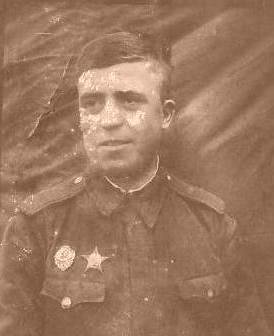

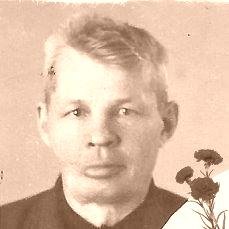
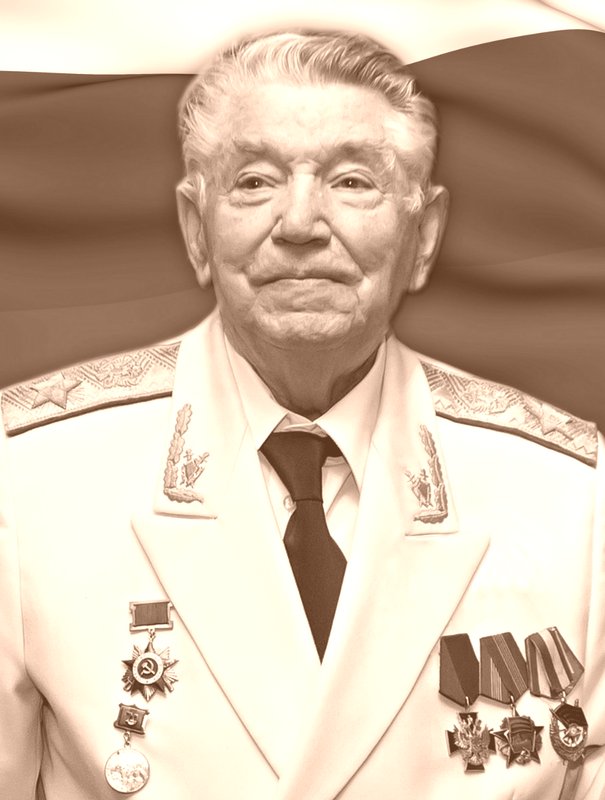
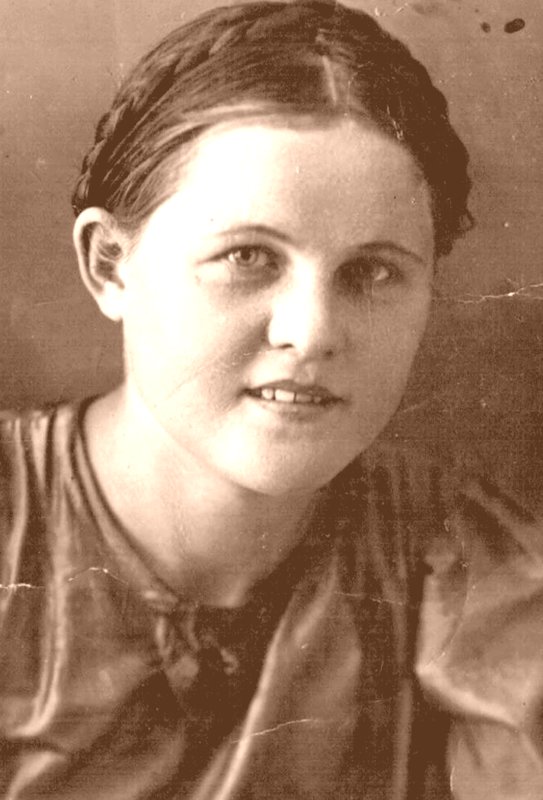

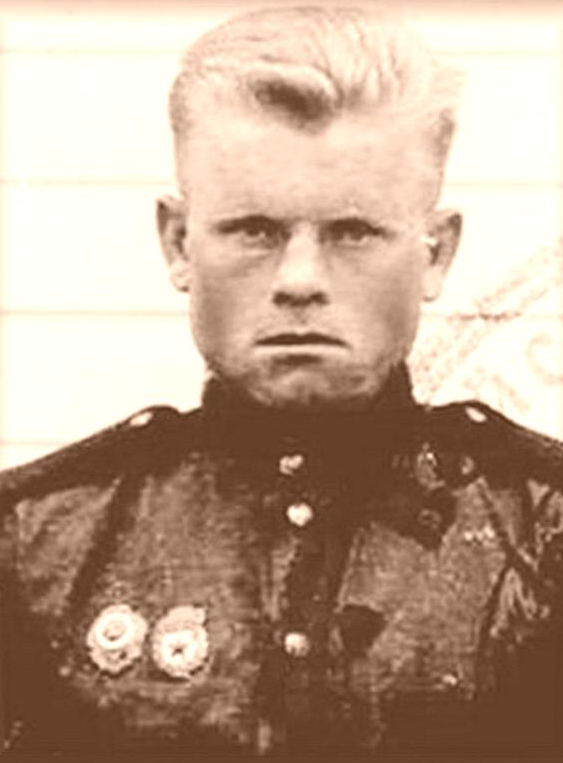
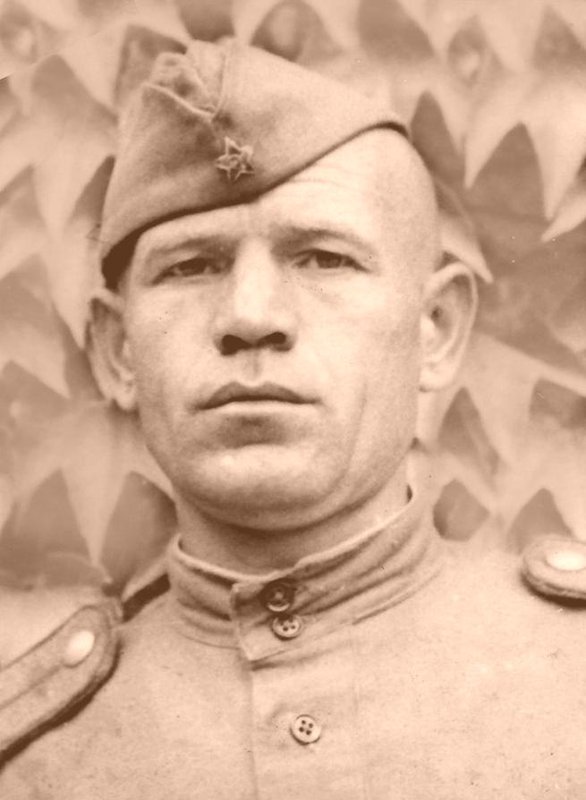
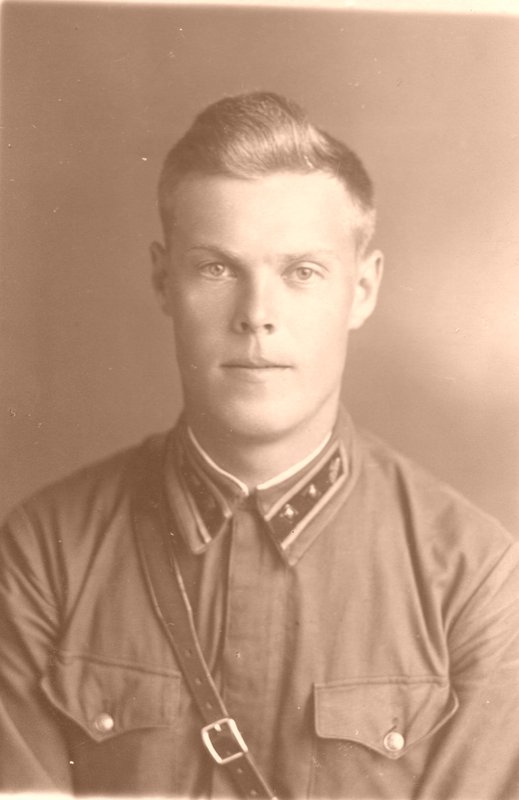
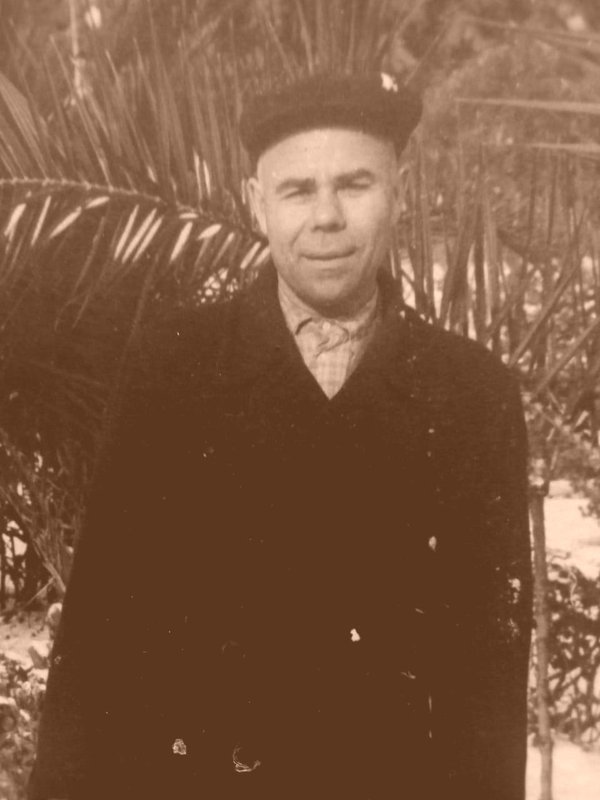
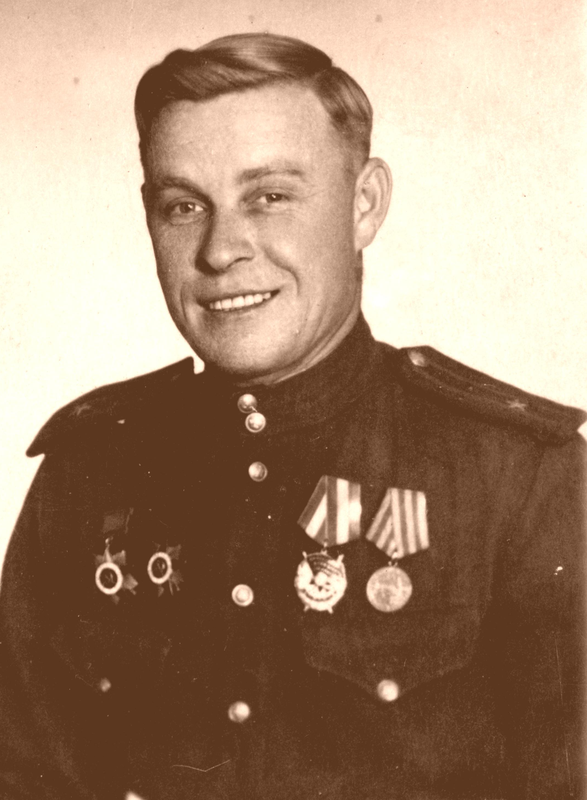
Grigoriy Silonov
After his father left for the First World War, Grigoriy was the only man in the house. As a boy, he had to grow up early and share the household chores with his mother.
G. Silonov served from August 20, 1927 to August 15, 1929 as a Rifleman in the 3rd Verkhneudinsky Rifle Regiment. Since 1932, he worked in the Zarya Industrial Cooperative, organized in Lebedinka.
A month after the beginning of the Great Patriotic War on July 21, 1941, Grigory was called up for mobilization by the Berezovsky District Military Commissariate in the 139th Rifle Regiment. In November 1941, within the Siberian formations, he went to Moscow. They were armed with rifles. Any German shot caused a heavy barrage, including artillery fire in response. During one of the battles, he was wounded and captured with a large group of Soviet soldiers. They were immediately driven West. Germans placed them in the Church Building. Lack of air and limited space caused a large death rate. But Grigory managed to survive. Later, he was in a concentration camp in Germany, then in Italy. The fact is that when the prison camps in Germany itself were overcrowded, Hitler, in agreement with Mussolini, decided to send a significant part of the prisoners to Italy. Most of them were concentrated in the North of the country. Italian underground fighters provided assistance to Red Army soldiers who escaped from captivity, sheltered them, and transferred them to partisan detachments. Grigory managed to escape from the camp. He fought in the Italian Resistance as part of the 11th Beretta Brigade in the province of Parma. A certificate in Italian, certified by a seal, has been preserved about this. The life of the partisans was hard, but they held firm. According to Grigory, the punitive detachments of the Germans had to regularly cross the mountain ranges to Yugoslavia, when it became "hot" there, they went back to Italy.
He joined the Beretta Partisan Brigade on April 11, 1944 and fought for more than a year - until May 1945.
After the liberation of Italy, the Americans offered Grigory to stay in the West, but he refused. The journey home was a long one - only two and a half years after the end of the war, at the end of 1947, he had a chance to see his family. The Soviet Union was wary of former Soviet prisoners of war. And G. Silonov was lucky that after he returned to the USSR, he got to restore the Donbass. He worked as a logger at the Rumyantsevo Mine. He was a member of the Trade Union of workers of the coal industry of Donbass.
When returning home, his suitcase, which contained Italian awards, captured wrist watches and all simple belongings, was stolen by a Muscovite who also worked in the mines and got off the train earlier. All that remained was a certificate of participation in the Italian Resistance, kept in his breast pocket.
Grigory Silonov lived to almost 80 years old.
Grigoriy Silonov
After his father left for the First World War, Grigoriy was the only man in the house. As a boy, he had to grow up early and share the household chores with his mother.
G. Silonov served from August 20, 1927 to August 15, 1929 as a Rifleman in the 3rd Verkhneudinsky Rifle Regiment. Since 1932, he worked in the Zarya Industrial Cooperative, organized in Lebedinka.
A month after the beginning of the Great Patriotic War on July 21, 1941, Grigory was called up for mobilization by the Berezovsky District Military Commissariate in the 139th Rifle Regiment. In November 1941, within the Siberian formations, he went to Moscow. They were armed with rifles. Any German shot caused a heavy barrage, including artillery fire in response. During one of the battles, he was wounded and captured with a large group of Soviet soldiers. They were immediately driven West. Germans placed them in the Church Building. Lack of air and limited space caused a large death rate. But Grigory managed to survive. Later, he was in a concentration camp in Germany, then in Italy. The fact is that when the prison camps in Germany itself were overcrowded, Hitler, in agreement with Mussolini, decided to send a significant part of the prisoners to Italy. Most of them were concentrated in the North of the country. Italian underground fighters provided assistance to Red Army soldiers who escaped from captivity, sheltered them, and transferred them to partisan detachments. Grigory managed to escape from the camp. He fought in the Italian Resistance as part of the 11th Beretta Brigade in the province of Parma. A certificate in Italian, certified by a seal, has been preserved about this. The life of the partisans was hard, but they held firm. According to Grigory, the punitive detachments of the Germans had to regularly cross the mountain ranges to Yugoslavia, when it became "hot" there, they went back to Italy.
He joined the Beretta Partisan Brigade on April 11, 1944 and fought for more than a year - until May 1945.
After the liberation of Italy, the Americans offered Grigory to stay in the West, but he refused. The journey home was a long one - only two and a half years after the end of the war, at the end of 1947, he had a chance to see his family. The Soviet Union was wary of former Soviet prisoners of war. And G. Silonov was lucky that after he returned to the USSR, he got to restore the Donbass. He worked as a logger at the Rumyantsevo Mine. He was a member of the Trade Union of workers of the coal industry of Donbass.
When returning home, his suitcase, which contained Italian awards, captured wrist watches and all simple belongings, was stolen by a Muscovite who also worked in the mines and got off the train earlier. All that remained was a certificate of participation in the Italian Resistance, kept in his breast pocket.
Grigory Silonov lived to almost 80 years old.
0 comment




2026 © Russian Military Historical Society Developed by Jetmix