Back to
album
album
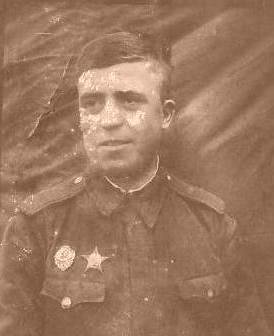

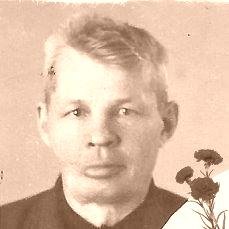
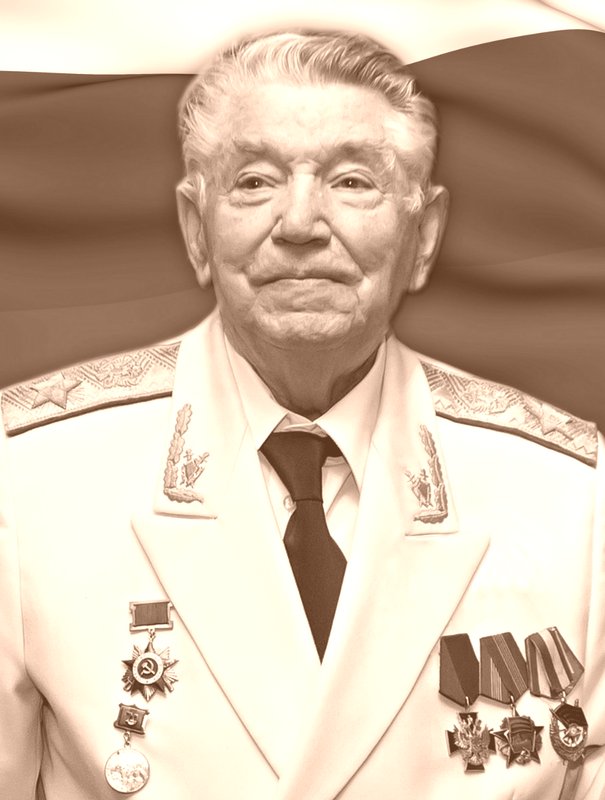
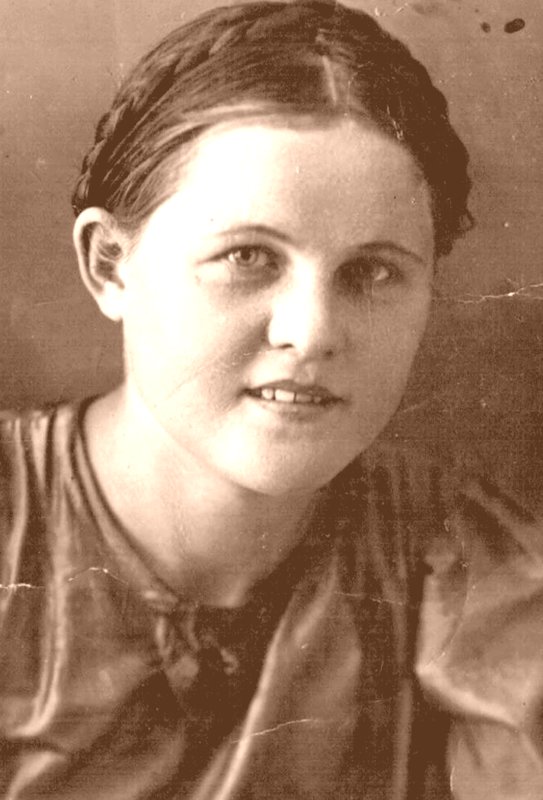

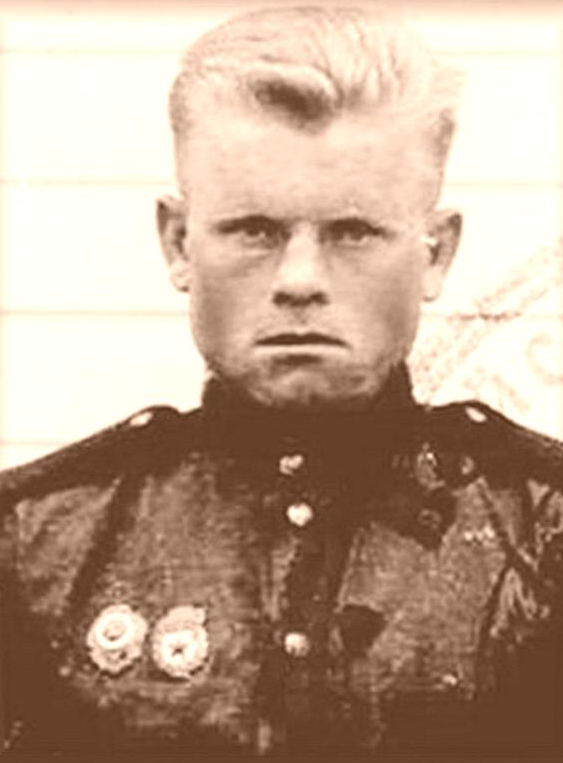
Nadezhda Savelieva
The Great Patriotic War of 1941-1945 claimed the lives of millions of citizens of the Soviet Union: men, women, the elderly and children. Based on the decisions of the State Defense Committee (GKO), formed on June 30, 1941, three mass mobilizations of women were held in 1942 alone. The first mobilization, according to the decree of the State Defense Committee of the USSR of March 25, 1942, sent 100,000 Komsomol girls to the country's air defense units to replace Red Army telephone operators, radio operators, air surveillance scouts, anti-aircraft artillery, and other male military positions.
On April 3, 1942, according to this decree, girls from the Kudymkarskiy District of the Perm (Molotov) Region, including Nadezhda Abramova, were drafted into the army. For a whole month they traveled in freight train cars to Moscow. The capital met them with darkness and cold. Almost through the entire city, the girls were driven on foot, so that they could not admire the beauty of the capital. They were surprised at the airships that obscured the cloudy sky of the capital and dissolved with the morning dawn. The girls were sent to the city of Serpukhov, 3 km from which the front line passed. On the first night, they experienced a severe bombing. Then the girls were divided into several groups: observers, anti-aircraft gunners, signalers, skiers. She got in a group of observers. Within a month, they completed a crash course. They were taught to identify their own and enemy planes by their appearance, sound, and flight direction and altitude. The training took place in the village of Vozdvizhenka. Then they were sent to observation posts. On each of them three girls were on duty around the clock.
The observation posts were located about every 12 km in a squares pattern. The observers had a good telephone connection. The phones were American. The air defense of Moscow was at the proper level, and most of the planes that flew to bomb Moscow did not reach it. They came under heavy anti-aircraft fire, and our planes were constantly on duty in the air.
At first, the girls conducted surveillance from observation towers that stood in the field and were clearly visible to the fascist pilots. They bombed these towers, and many girls were killed. Therefore, soon a new decree was issued, and they began to be on duty in shelters on the ground. There was very strict discipline, strict order in their platoon.
In the peaceful post–war time, my grandmother maintained warm friendly relations with one of her front-line friends, Nadezhda Rybina, who lived in the city of Mendeleevsk in Tatarstan. All her life, she worked as a German teacher at a school. They corresponded, met, and supported each other, but Nadezhda died in 1966.
At the end of the war, she returned to her village and began to work as a Secretary of the Village Council, then as a librarian. Created a new family, married a front-line soldier Peter Savelyev. They had nine children.
Throughout her life, Nadezhda had an active life position, from 1956 to the present day she is a member of the CPSU. As a librarian, she worked a lot with people, enjoyed the respect of her fellow villagers. People still come to her for advice.
For the last eight years before retiring, she worked as a Secretary of the party organization of the collective farm "Pravda", her work experience is 48 years. She was awarded the medals of motherhood, the Order of the Badge of Honor, as well as medals for participation in the Great Patriotic War.
Nadezhda Savelieva
The Great Patriotic War of 1941-1945 claimed the lives of millions of citizens of the Soviet Union: men, women, the elderly and children. Based on the decisions of the State Defense Committee (GKO), formed on June 30, 1941, three mass mobilizations of women were held in 1942 alone. The first mobilization, according to the decree of the State Defense Committee of the USSR of March 25, 1942, sent 100,000 Komsomol girls to the country's air defense units to replace Red Army telephone operators, radio operators, air surveillance scouts, anti-aircraft artillery, and other male military positions.
On April 3, 1942, according to this decree, girls from the Kudymkarskiy District of the Perm (Molotov) Region, including Nadezhda Abramova, were drafted into the army. For a whole month they traveled in freight train cars to Moscow. The capital met them with darkness and cold. Almost through the entire city, the girls were driven on foot, so that they could not admire the beauty of the capital. They were surprised at the airships that obscured the cloudy sky of the capital and dissolved with the morning dawn. The girls were sent to the city of Serpukhov, 3 km from which the front line passed. On the first night, they experienced a severe bombing. Then the girls were divided into several groups: observers, anti-aircraft gunners, signalers, skiers. She got in a group of observers. Within a month, they completed a crash course. They were taught to identify their own and enemy planes by their appearance, sound, and flight direction and altitude. The training took place in the village of Vozdvizhenka. Then they were sent to observation posts. On each of them three girls were on duty around the clock.
The observation posts were located about every 12 km in a squares pattern. The observers had a good telephone connection. The phones were American. The air defense of Moscow was at the proper level, and most of the planes that flew to bomb Moscow did not reach it. They came under heavy anti-aircraft fire, and our planes were constantly on duty in the air.
At first, the girls conducted surveillance from observation towers that stood in the field and were clearly visible to the fascist pilots. They bombed these towers, and many girls were killed. Therefore, soon a new decree was issued, and they began to be on duty in shelters on the ground. There was very strict discipline, strict order in their platoon.
In the peaceful post–war time, my grandmother maintained warm friendly relations with one of her front-line friends, Nadezhda Rybina, who lived in the city of Mendeleevsk in Tatarstan. All her life, she worked as a German teacher at a school. They corresponded, met, and supported each other, but Nadezhda died in 1966.
At the end of the war, she returned to her village and began to work as a Secretary of the Village Council, then as a librarian. Created a new family, married a front-line soldier Peter Savelyev. They had nine children.
Throughout her life, Nadezhda had an active life position, from 1956 to the present day she is a member of the CPSU. As a librarian, she worked a lot with people, enjoyed the respect of her fellow villagers. People still come to her for advice.
For the last eight years before retiring, she worked as a Secretary of the party organization of the collective farm "Pravda", her work experience is 48 years. She was awarded the medals of motherhood, the Order of the Badge of Honor, as well as medals for participation in the Great Patriotic War.
0 comment




2026 © Russian Military Historical Society Developed by Jetmix