Back to
album
album

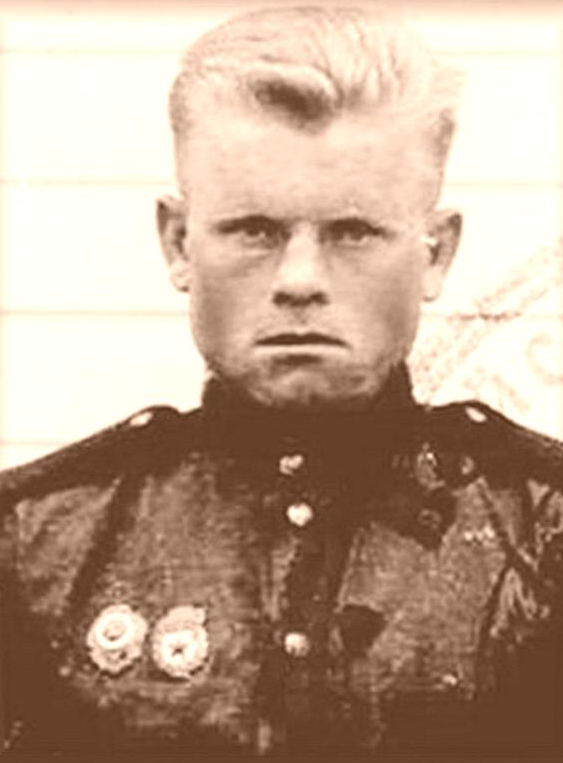
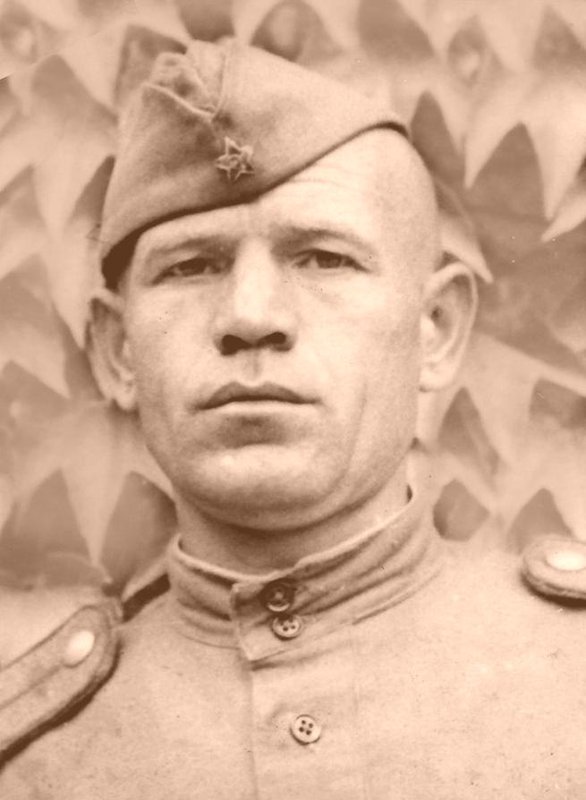
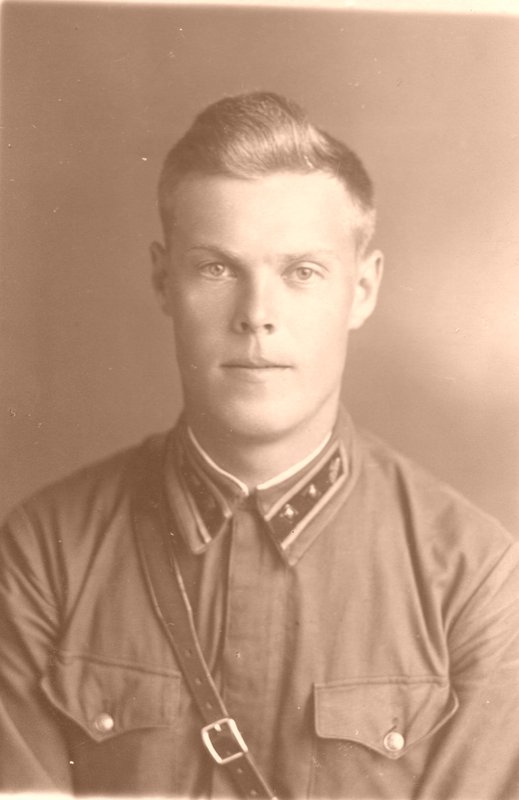
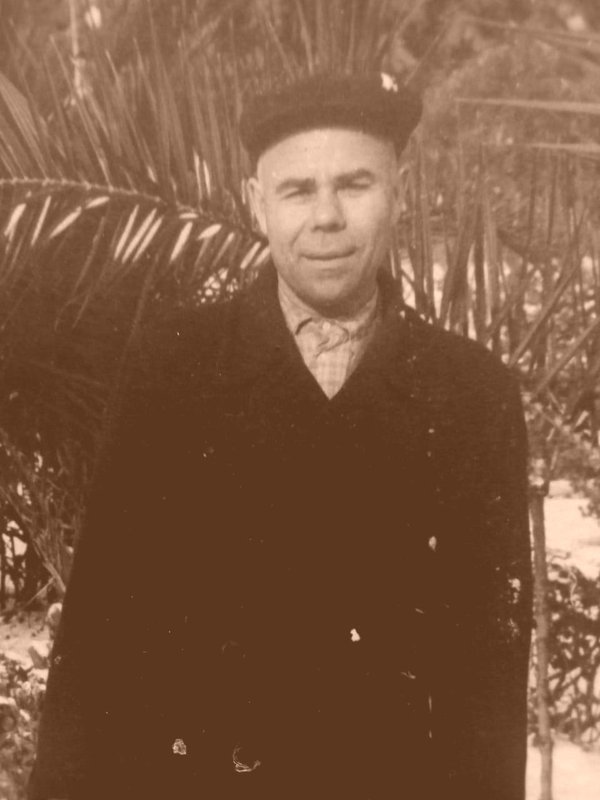
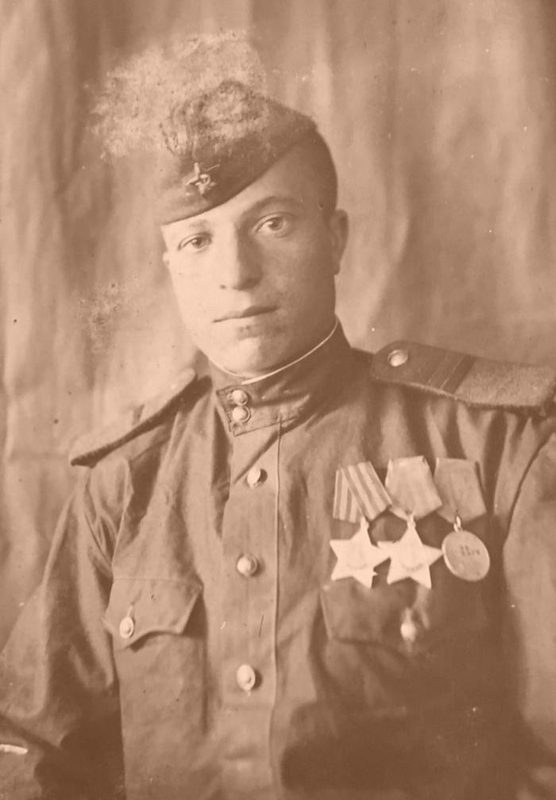
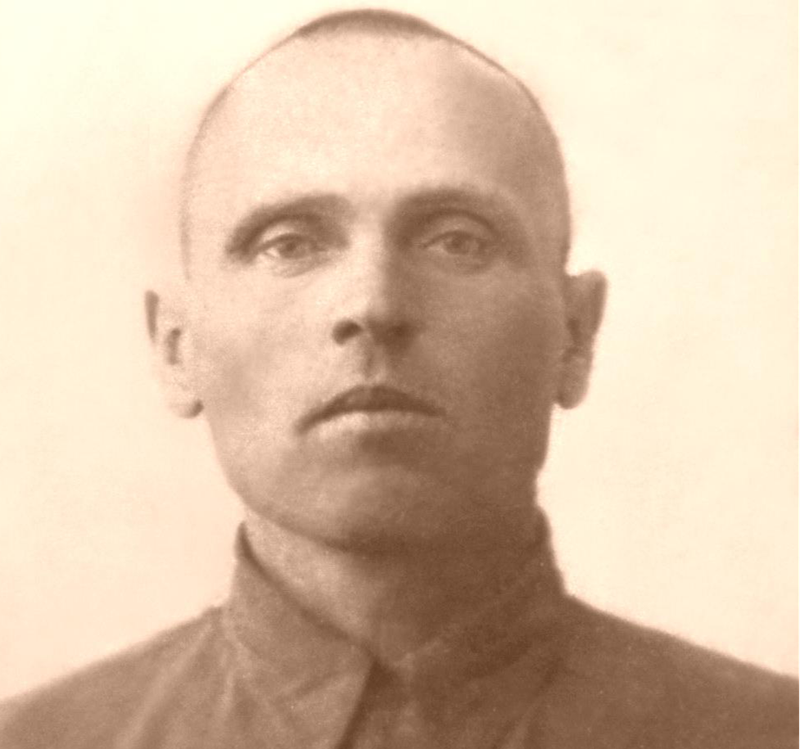
Dmitriy Troshchenko
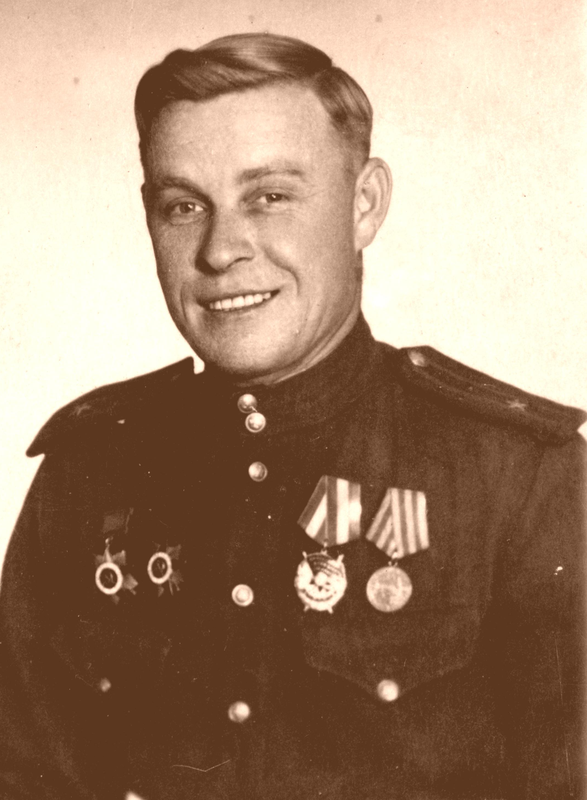
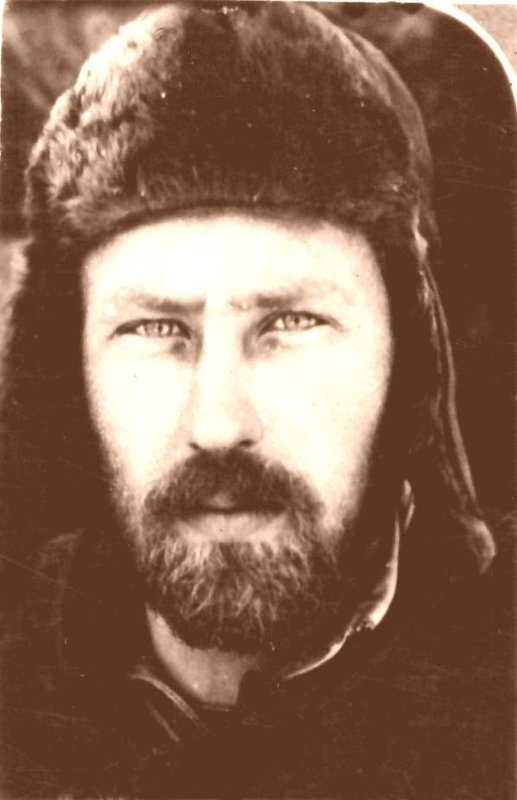
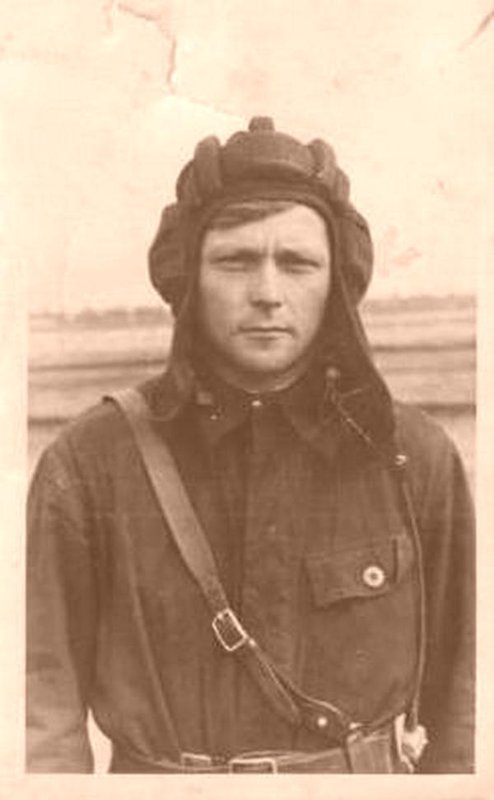
On June 22, 1941, the Baranovichi Regional Military Commissariat of the Byelorussian SSR sent my grandfather, Dmitry Troshchenko, to the 10th Army of the Western Front. There, my grandfather, being at that time a purely civilian man, received the title of Political Instructor and the position of Deputy Chief of the Political Department for the Komsomol of the rear units and institutions of the army.
Together with the 10th Army, Dmitry escaped the encirclement, participated in the battle of Moscow, and in November 1942 was awarded the Medal For Military Merit as a senior political officer. The formation of the 544th Mortar Regiment within the 10th Army began in December 1942. My grandfather became a party organizer there. The regiment joined the fighting at the end of January 1943 in the Kirov fortified region on the Western Front.
In May 1943, after the reform of the Red Army, Dmitry became the Deputy Commander of the Regiment for Political Affairs with the rank of a Captain. In October, he was awarded the Order of the Patriotic War of the 2nd degree and received the rank of Major.
In April 1944, the 544th Mortar Regiment was transferred from the subordination of the 10th Army of the Western Front to the Reserve of the Main Command, after which it was constantly used in various combat areas and in different divisions and armies of the 2nd Belorussian Front.
Dmitry together with the regiment participated in the operation Bagration, liberated Belarus. In Poland, the regiment took the Osowiec fortress almost without the support of an infantry on August 14, 1944. This fortress was well known from the First World War. For this achievement, the regiment was awarded the honorary title "Osowieckiy" by order of the NKO #0294 of September 1.
For the battle on July 9 near the Belarusian village of Leshnitsa, my grandfather was awarded the Order of the Patriotic War of the 1st degree in September, although a regimental commander presented him as to the Order of the Red Banner.
Later Dmitry participated in the liberation of Poland, in the Konigsberg and Pomeranian operations. At a critical moment in the battle for Polish village Olshany of the Mazovian Voivodeship grandfather took command of the regiment on January 23, 1945 and commanded it until January 29. He was one of the first to cross the border of East Prussia together with infantry. For this, he was awarded the Order of the Red Banner, the regiment was awarded the Order of Kutuzov 3rd degree on February 19, 1945 for breaking through the German defense North of Warsaw and the Order of Alexander Nevskiy for the capture of Gdansk (Danzig) on May 17.
Dmitry ended the war in Germany, North of Berlin, on the river Elda in the city of Neustadt and after the Victory received Medals For the Defense of Moscow, For the Victory over Germany in the Great Patriotic War 1941-1945, For the Capture of Koenigsberg, and the Polish Medal Victory and Freedom.
Dmitriy Troshchenko
On June 22, 1941, the Baranovichi Regional Military Commissariat of the Byelorussian SSR sent my grandfather, Dmitry Troshchenko, to the 10th Army of the Western Front. There, my grandfather, being at that time a purely civilian man, received the title of Political Instructor and the position of Deputy Chief of the Political Department for the Komsomol of the rear units and institutions of the army.
Together with the 10th Army, Dmitry escaped the encirclement, participated in the battle of Moscow, and in November 1942 was awarded the Medal For Military Merit as a senior political officer. The formation of the 544th Mortar Regiment within the 10th Army began in December 1942. My grandfather became a party organizer there. The regiment joined the fighting at the end of January 1943 in the Kirov fortified region on the Western Front.
In May 1943, after the reform of the Red Army, Dmitry became the Deputy Commander of the Regiment for Political Affairs with the rank of a Captain. In October, he was awarded the Order of the Patriotic War of the 2nd degree and received the rank of Major.
In April 1944, the 544th Mortar Regiment was transferred from the subordination of the 10th Army of the Western Front to the Reserve of the Main Command, after which it was constantly used in various combat areas and in different divisions and armies of the 2nd Belorussian Front.
Dmitry together with the regiment participated in the operation Bagration, liberated Belarus. In Poland, the regiment took the Osowiec fortress almost without the support of an infantry on August 14, 1944. This fortress was well known from the First World War. For this achievement, the regiment was awarded the honorary title "Osowieckiy" by order of the NKO #0294 of September 1.
For the battle on July 9 near the Belarusian village of Leshnitsa, my grandfather was awarded the Order of the Patriotic War of the 1st degree in September, although a regimental commander presented him as to the Order of the Red Banner.
Later Dmitry participated in the liberation of Poland, in the Konigsberg and Pomeranian operations. At a critical moment in the battle for Polish village Olshany of the Mazovian Voivodeship grandfather took command of the regiment on January 23, 1945 and commanded it until January 29. He was one of the first to cross the border of East Prussia together with infantry. For this, he was awarded the Order of the Red Banner, the regiment was awarded the Order of Kutuzov 3rd degree on February 19, 1945 for breaking through the German defense North of Warsaw and the Order of Alexander Nevskiy for the capture of Gdansk (Danzig) on May 17.
Dmitry ended the war in Germany, North of Berlin, on the river Elda in the city of Neustadt and after the Victory received Medals For the Defense of Moscow, For the Victory over Germany in the Great Patriotic War 1941-1945, For the Capture of Koenigsberg, and the Polish Medal Victory and Freedom.
0 comment



2026 © Russian Military Historical Society Developed by Jetmix