Back to
album
album


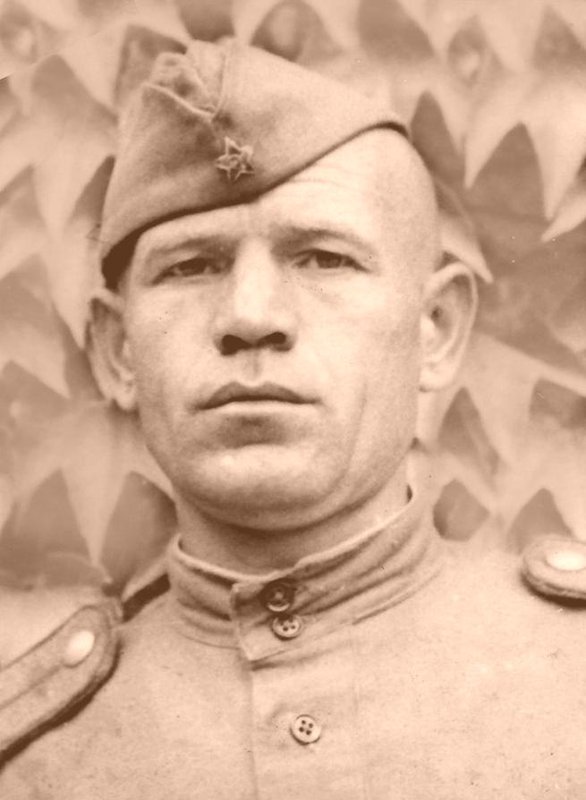
Peter Saveliev
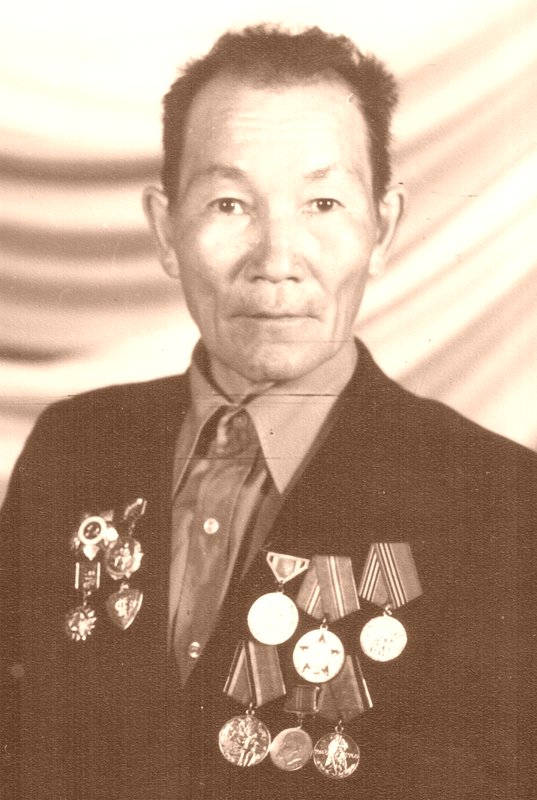
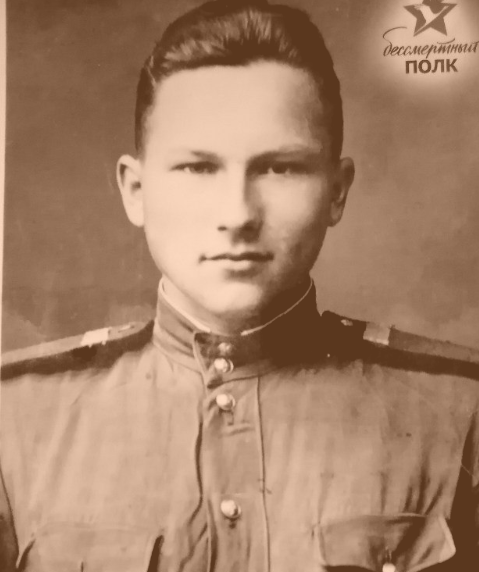
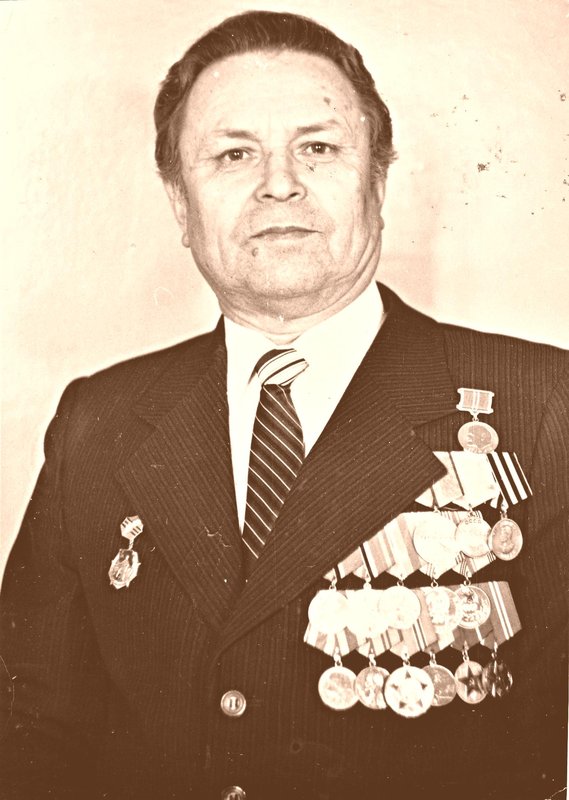
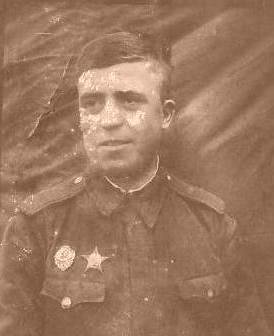
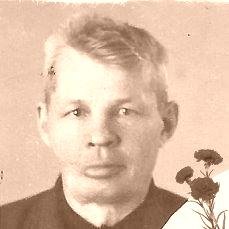
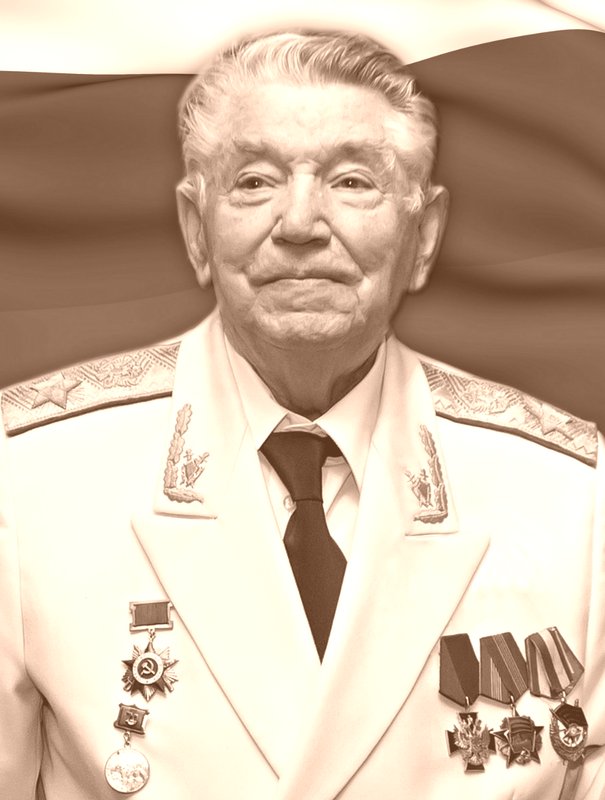
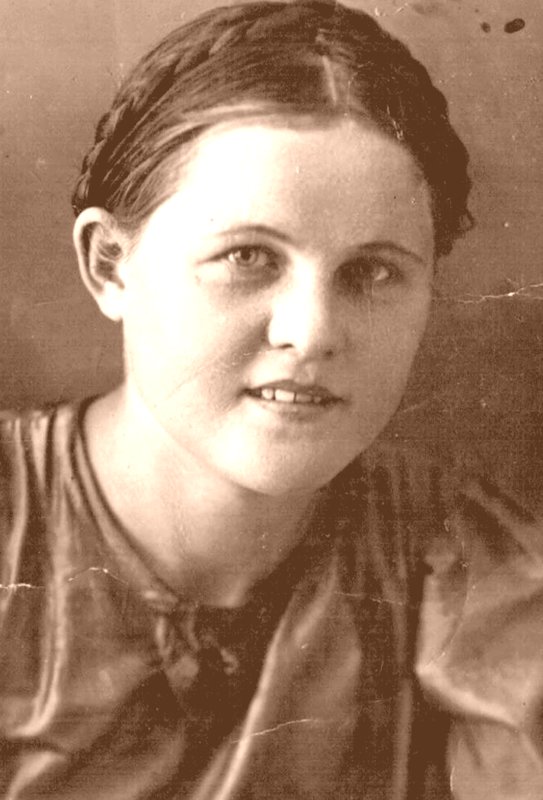
As it happens, I did not know my grandfathers, since they died before I was born. My maternal grandfather's name was Peter Saveliev. My grandfather's family had seven children, and he was the eldest. From the age of nine, he took up the plow, provided all possible assistance in household matters. His father, Semyon, came from a well-to-do family, but the household of his parents was divided between four brothers. He was a very peculiar man: literate, interested in technology and politics, but completely indifferent to peasant labor. During the Russian-Japanese war and after, he served in the army for nine years, was a locomotive operator, and this craving and interest in technology remained with him for lifetime. In the village, in the spring, he worked on the fields, sowed them, in the summer he made hay for horse, all other work did not interest him. In the middle of summer, he went either to work, or took a boat and rafted down the Velva river to Kama, caught fish, exchanged it for bread, and lived on the river until late autumn. In 1937, he once again went to work on the construction of the Kama hydroelectric power station, and disappeared.
Problems in the family fell on the shoulders of my great-grandmother Varvara. She was a tall, physically very strong, beautiful woman with a strong-willed tough character. She devoted herself to any task with all her heart, whether it was work or fun. She had a beautiful, strong voice, sang well, and no village holiday was complete without her. The children grew up and together with their mother performed hard peasant work. The family had four sons: Peter (born in 1913), Maxim (born in 1916), Tikhon (born in 1918) and Sergey (born in 1927) – all of them grown under one meter ninety, strong, hardworking, calm, laconic. Once, on a bet, my grandfather lifted the stallion alone into the hayloft, and six men had to take him back down with difficulty. My grandfather also recalled how the three of them and their brothers were working in a nearby village when their mother came up to them. It was spring, and the old bridge was washed away by water. So one of the brothers carried my mother across the river on his shoulders, although my great-grandmother was a very large woman. Later, before the war, my grandfather worked in the city of Krasnokamsk. This city stands on the Kama River. They said that my grandfather calmly swam across the Kama River, and this river is 1 km wide.
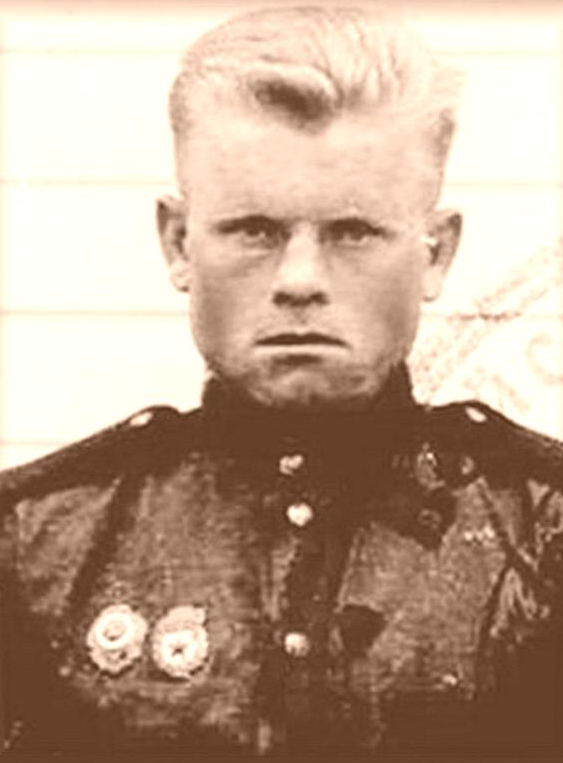
By the beginning of the Great Patriotic War, the older brothers had already served in the army and had officer ranks. Since the beginning of the war, they were mobilized into the Red Army. Later, their fates were different. If I may say so, my grandfather Peter was more "lucky" than others. At the front, he commanded a machine-gun company, was in the rank of First Lieutenant. Before getting to the front, he submitted several reports, as he was the director of the children's colony in Krasnokamsk, and he was exempted from service.
My grandfather did not like to talk about the war. The memories were too hard. But we know from his scanty memoirs that he fought at Kalinin, at Rzhev. As you know, in early January 1942, the Red Army, having defeated the Germans near Moscow, approached Rzhev. The question was: what should they do next? Stalin was impatient and persistent. Here is only one document: "... no later than January 12 to master Rzhev". But the execution of this order was delayed for almost 14 months.
The offensive at Rzhev collapsed. The battle of Rzhev was the bloodiest one in the history of mankind. The loss of troops, according to some estimates, exceeds the number of dead in the battle of Stalingrad.
The battle of Rzhev consisted of four independent offensive operations. The first took place in January-April 1942 (the Rzhev-Vyazemskaya), the second in August 1942 (the Rzhev-Sychevka), the third in December of the same year (Rzhev-Sychevka operation "Mars") and fourth in March 1943 (the Rzhev-Vyazemskaya).
My grandfather took part in the first two battles. In the winter of 1942, there were terrible frosts. Local villages were burned by the Nazis, and Russian soldiers, including my grandfather, fought in the cold for 42 days, not having a chance to warm up in a warm house. There were very fierce battles, there were many dead, and the wounded froze in the cold. Grandfather recalled that after a month of this hell, a person did not care: life or death, to kill or be killed. In his memoirs, he mentioned a fellow soldier-countryman who was seriously wounded, and grandpa, trying to save him from the cold before he could be sent to the medical unit, put him closer to the fire, but the cartridges in his bandolier exploded from the heat. This man was killed.
My grandfather often made fun of his own uncle, who, being already old, ironically, fell under the command of his nephew and very much hoped that he would help him settle down where it was easier. It turned out the opposite, that is why the uncle, who remained in this bloody "meat grinder" still alive, was constantly offended by his nephew. To understand the acts of my grandfather, you need to know the spirit of that generation, their upbringing, moral principles. They always demanded more from their own people than from others.
The war for my grandfather ended in August 1942. This was the second battle of Rzhev. Soviet soldiers were on the offensive, and my grandfather's company knocked the Nazis out of a high-rise building. Heated by the battle, my grandfather flew into the Nazi dugout, where there was a command post. He previously threw in a few grenades, but did not notice a German officer alive with broken legs. He shot my grandfather in the head with an explosive bullet. Later, my grandfather was surprised at his vitality. This bullet shattered his jaws, knocked out 16 teeth, it was a severe head wound, but he was able to walk 6 km to the medical unit. They put him on a horse drawn cart, but there were swamps all around, and it was impossible for a wounded man to sit on this jolting cart. In addition, several teeth were caught in the windpipe, and he was suffocating. And then again went a streak of luck. He was given first aid in the medical unit. And it just so happened that on the same day a high-ranking military commander was wounded. A plane came to pick him up from Moscow, and they loaded him onto it, and for balance they put six more seriously injured people on the plane. My grandfather was among them. In the evening of the same day, he was taken to Moscow to the Institute of Craniofacial Surgery, where he underwent a complex surgery. After some time, he was evacuated to Chita, where he was treated for 9 months longer. A year before his death, the grandfather gave an interview to the correspondent of the youth newspaper of Perm "Molodaya Gvardiya", where he recalls the long road to Chita and about his front-line life.
He was left to live. My grandfather received the Medal For Courage, according to veterans, it was very valuable. In addition, my grandfather was awarded the Order of the Red Star on November 27, 1945, and in peacetime - jubilee medals.
The fate of my grandfather's middle brothers was tragic. This year, my grandmother went to the hospital in Perm and found in the "Book of Memory " stingy lines about them.
"Maksim Saveliev, 1916, born in the village of Ponosova, drafted in 1941, Sergeant Major 934th Artillery Regiment, was killed in action on July 11, 1944, buried in a mass grave in the village of Alol of Pustoshkinskiy District of Pskov Region". We know that he was a tank driver. He did not start a family before the war. There was a man, and there was nothing left of him.
"Tikhon Savelyev, born in 1918, pilot, Lieutenant. Fate unknown." Something about him became known in our family. Tikhon Savelyev fought in the 112th Perm Rifle Division, the 385th Rifle Regiment. Lieutenant, platoon commander. Paulus' 6th Army advanced on Stalingrad. In July 1942, his division was sent to Stalingrad. On August 5, 1942, the 112th Rifle Division had a strength of more than eight thousand people. It was pressed against the Don River in August and suffered huge losses. According to the journal of combat operations the 112th Rifle Division from August 8, the enemy developed its offensive on the division's battle lines. As a result, of the attack and the employment of tanks with enemy infantry, the 112th Rifle Division was pressed against the Don River and began crossing the railway bridge. At the moment of crossing, the enemy set fire to the bridge with artillery shells. Parts of the division continued to cross the burning bridge. Enemy tanks were rushing behind the retreating soldiers. In order to avoid capturing the bridge (as well as crossing of the bridge was no longer possible due to the burning tank on it), the bridge was blown up at 14:30 on August 8, 1942. Men and equipment of the 112th Rifle Division remained on the right Bank of the Don River behind the blown-up bridge. More than 30 thousand people were captured, but the remnants of the division escaped, crossed the Don River and joined Chuikov's 62nd Army, defended Mamaev Kurgan, the tractor plant, the Bank of Volga, fought on the Kursk bulge, in Germany, and Breslau.
Tikhon was unlucky. He went missing (was captured, but was not in the lists of prisoners, he was killed in the Baltic States).
In the first post-war years, my great-grandmother received a letter from a strange woman in the Baltic States. She wrote that Tikhon was in Nazi captivity, where he got after the plane on which he fought was shot down. Somehow, he managed to exchange a few words with this woman, a local resident, and she turned to the German authorities with a request to hand him over to his alleged wife. This idea was successful, and he began to live with this woman. Soon he got involved with the partisans and continued the war with the fascists. During one operation, he was caught and executed on the outskirts of the village. They were not allowed to bury the body, but left it to frighten others. She described in the letter how she managed to steal the body of a dear person at night, and where she buried it. She wrote with the hope of establishing contact with Tikhon's relatives. But no one dared to answer her, because these were very bad times, when captivity was considered a terrible disgrace, when people disappeared without trial. Unfortunately, nothing more is known about my great-uncle Tikhon.
In 2017, my uncle Mikhail Savelyev visited a mass grave in the village of Alol in the Pustoshkinskiy District of the Pskov Region, where Maxim Savelyev, my grandfather's brother, was buried.
Peter Saveliev
As it happens, I did not know my grandfathers, since they died before I was born. My maternal grandfather's name was Peter Saveliev. My grandfather's family had seven children, and he was the eldest. From the age of nine, he took up the plow, provided all possible assistance in household matters. His father, Semyon, came from a well-to-do family, but the household of his parents was divided between four brothers. He was a very peculiar man: literate, interested in technology and politics, but completely indifferent to peasant labor. During the Russian-Japanese war and after, he served in the army for nine years, was a locomotive operator, and this craving and interest in technology remained with him for lifetime. In the village, in the spring, he worked on the fields, sowed them, in the summer he made hay for horse, all other work did not interest him. In the middle of summer, he went either to work, or took a boat and rafted down the Velva river to Kama, caught fish, exchanged it for bread, and lived on the river until late autumn. In 1937, he once again went to work on the construction of the Kama hydroelectric power station, and disappeared.
Problems in the family fell on the shoulders of my great-grandmother Varvara. She was a tall, physically very strong, beautiful woman with a strong-willed tough character. She devoted herself to any task with all her heart, whether it was work or fun. She had a beautiful, strong voice, sang well, and no village holiday was complete without her. The children grew up and together with their mother performed hard peasant work. The family had four sons: Peter (born in 1913), Maxim (born in 1916), Tikhon (born in 1918) and Sergey (born in 1927) – all of them grown under one meter ninety, strong, hardworking, calm, laconic. Once, on a bet, my grandfather lifted the stallion alone into the hayloft, and six men had to take him back down with difficulty. My grandfather also recalled how the three of them and their brothers were working in a nearby village when their mother came up to them. It was spring, and the old bridge was washed away by water. So one of the brothers carried my mother across the river on his shoulders, although my great-grandmother was a very large woman. Later, before the war, my grandfather worked in the city of Krasnokamsk. This city stands on the Kama River. They said that my grandfather calmly swam across the Kama River, and this river is 1 km wide.
By the beginning of the Great Patriotic War, the older brothers had already served in the army and had officer ranks. Since the beginning of the war, they were mobilized into the Red Army. Later, their fates were different. If I may say so, my grandfather Peter was more "lucky" than others. At the front, he commanded a machine-gun company, was in the rank of First Lieutenant. Before getting to the front, he submitted several reports, as he was the director of the children's colony in Krasnokamsk, and he was exempted from service.
My grandfather did not like to talk about the war. The memories were too hard. But we know from his scanty memoirs that he fought at Kalinin, at Rzhev. As you know, in early January 1942, the Red Army, having defeated the Germans near Moscow, approached Rzhev. The question was: what should they do next? Stalin was impatient and persistent. Here is only one document: "... no later than January 12 to master Rzhev". But the execution of this order was delayed for almost 14 months.
The offensive at Rzhev collapsed. The battle of Rzhev was the bloodiest one in the history of mankind. The loss of troops, according to some estimates, exceeds the number of dead in the battle of Stalingrad.
The battle of Rzhev consisted of four independent offensive operations. The first took place in January-April 1942 (the Rzhev-Vyazemskaya), the second in August 1942 (the Rzhev-Sychevka), the third in December of the same year (Rzhev-Sychevka operation "Mars") and fourth in March 1943 (the Rzhev-Vyazemskaya).
My grandfather took part in the first two battles. In the winter of 1942, there were terrible frosts. Local villages were burned by the Nazis, and Russian soldiers, including my grandfather, fought in the cold for 42 days, not having a chance to warm up in a warm house. There were very fierce battles, there were many dead, and the wounded froze in the cold. Grandfather recalled that after a month of this hell, a person did not care: life or death, to kill or be killed. In his memoirs, he mentioned a fellow soldier-countryman who was seriously wounded, and grandpa, trying to save him from the cold before he could be sent to the medical unit, put him closer to the fire, but the cartridges in his bandolier exploded from the heat. This man was killed.
My grandfather often made fun of his own uncle, who, being already old, ironically, fell under the command of his nephew and very much hoped that he would help him settle down where it was easier. It turned out the opposite, that is why the uncle, who remained in this bloody "meat grinder" still alive, was constantly offended by his nephew. To understand the acts of my grandfather, you need to know the spirit of that generation, their upbringing, moral principles. They always demanded more from their own people than from others.
The war for my grandfather ended in August 1942. This was the second battle of Rzhev. Soviet soldiers were on the offensive, and my grandfather's company knocked the Nazis out of a high-rise building. Heated by the battle, my grandfather flew into the Nazi dugout, where there was a command post. He previously threw in a few grenades, but did not notice a German officer alive with broken legs. He shot my grandfather in the head with an explosive bullet. Later, my grandfather was surprised at his vitality. This bullet shattered his jaws, knocked out 16 teeth, it was a severe head wound, but he was able to walk 6 km to the medical unit. They put him on a horse drawn cart, but there were swamps all around, and it was impossible for a wounded man to sit on this jolting cart. In addition, several teeth were caught in the windpipe, and he was suffocating. And then again went a streak of luck. He was given first aid in the medical unit. And it just so happened that on the same day a high-ranking military commander was wounded. A plane came to pick him up from Moscow, and they loaded him onto it, and for balance they put six more seriously injured people on the plane. My grandfather was among them. In the evening of the same day, he was taken to Moscow to the Institute of Craniofacial Surgery, where he underwent a complex surgery. After some time, he was evacuated to Chita, where he was treated for 9 months longer. A year before his death, the grandfather gave an interview to the correspondent of the youth newspaper of Perm "Molodaya Gvardiya", where he recalls the long road to Chita and about his front-line life.
He was left to live. My grandfather received the Medal For Courage, according to veterans, it was very valuable. In addition, my grandfather was awarded the Order of the Red Star on November 27, 1945, and in peacetime - jubilee medals.
The fate of my grandfather's middle brothers was tragic. This year, my grandmother went to the hospital in Perm and found in the "Book of Memory " stingy lines about them.
"Maksim Saveliev, 1916, born in the village of Ponosova, drafted in 1941, Sergeant Major 934th Artillery Regiment, was killed in action on July 11, 1944, buried in a mass grave in the village of Alol of Pustoshkinskiy District of Pskov Region". We know that he was a tank driver. He did not start a family before the war. There was a man, and there was nothing left of him.
"Tikhon Savelyev, born in 1918, pilot, Lieutenant. Fate unknown." Something about him became known in our family. Tikhon Savelyev fought in the 112th Perm Rifle Division, the 385th Rifle Regiment. Lieutenant, platoon commander. Paulus' 6th Army advanced on Stalingrad. In July 1942, his division was sent to Stalingrad. On August 5, 1942, the 112th Rifle Division had a strength of more than eight thousand people. It was pressed against the Don River in August and suffered huge losses. According to the journal of combat operations the 112th Rifle Division from August 8, the enemy developed its offensive on the division's battle lines. As a result, of the attack and the employment of tanks with enemy infantry, the 112th Rifle Division was pressed against the Don River and began crossing the railway bridge. At the moment of crossing, the enemy set fire to the bridge with artillery shells. Parts of the division continued to cross the burning bridge. Enemy tanks were rushing behind the retreating soldiers. In order to avoid capturing the bridge (as well as crossing of the bridge was no longer possible due to the burning tank on it), the bridge was blown up at 14:30 on August 8, 1942. Men and equipment of the 112th Rifle Division remained on the right Bank of the Don River behind the blown-up bridge. More than 30 thousand people were captured, but the remnants of the division escaped, crossed the Don River and joined Chuikov's 62nd Army, defended Mamaev Kurgan, the tractor plant, the Bank of Volga, fought on the Kursk bulge, in Germany, and Breslau.
Tikhon was unlucky. He went missing (was captured, but was not in the lists of prisoners, he was killed in the Baltic States).
In the first post-war years, my great-grandmother received a letter from a strange woman in the Baltic States. She wrote that Tikhon was in Nazi captivity, where he got after the plane on which he fought was shot down. Somehow, he managed to exchange a few words with this woman, a local resident, and she turned to the German authorities with a request to hand him over to his alleged wife. This idea was successful, and he began to live with this woman. Soon he got involved with the partisans and continued the war with the fascists. During one operation, he was caught and executed on the outskirts of the village. They were not allowed to bury the body, but left it to frighten others. She described in the letter how she managed to steal the body of a dear person at night, and where she buried it. She wrote with the hope of establishing contact with Tikhon's relatives. But no one dared to answer her, because these were very bad times, when captivity was considered a terrible disgrace, when people disappeared without trial. Unfortunately, nothing more is known about my great-uncle Tikhon.
In 2017, my uncle Mikhail Savelyev visited a mass grave in the village of Alol in the Pustoshkinskiy District of the Pskov Region, where Maxim Savelyev, my grandfather's brother, was buried.
0 comment




2026 © Russian Military Historical Society Developed by Jetmix