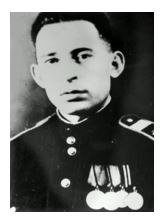


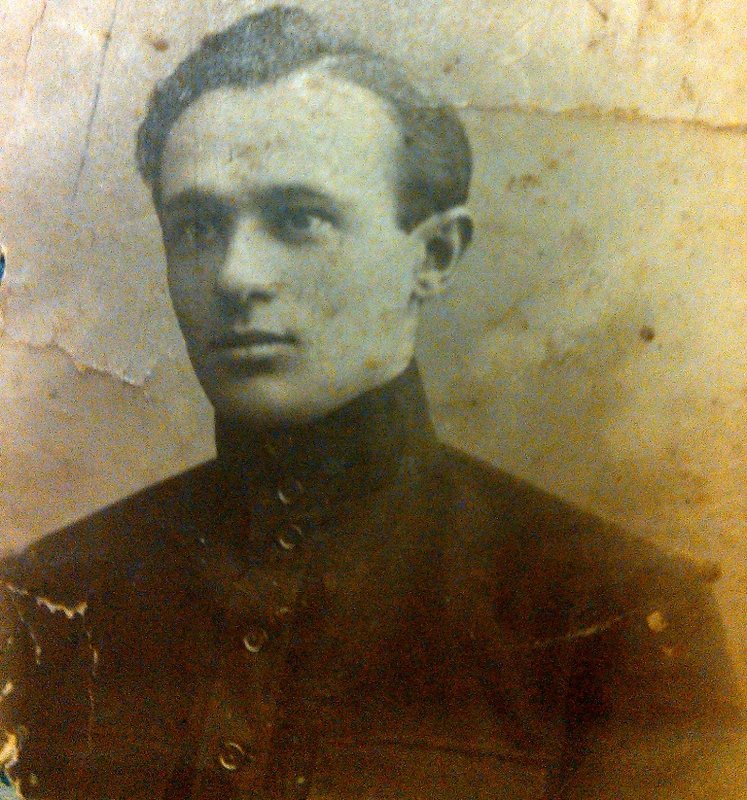
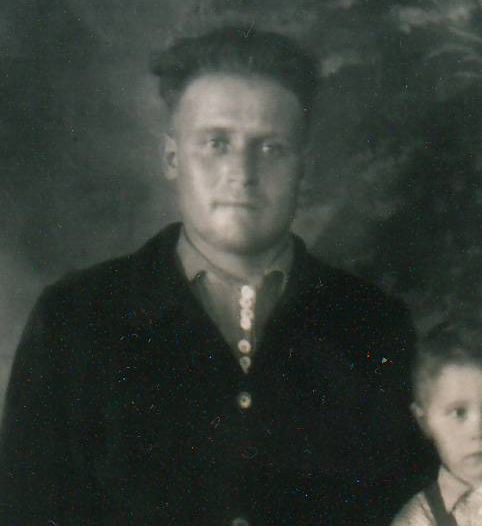
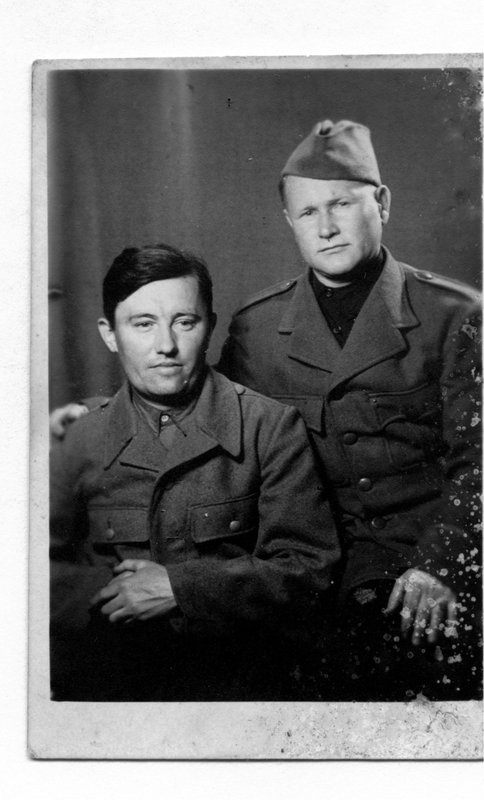
Andreev Alexey Ignatievich
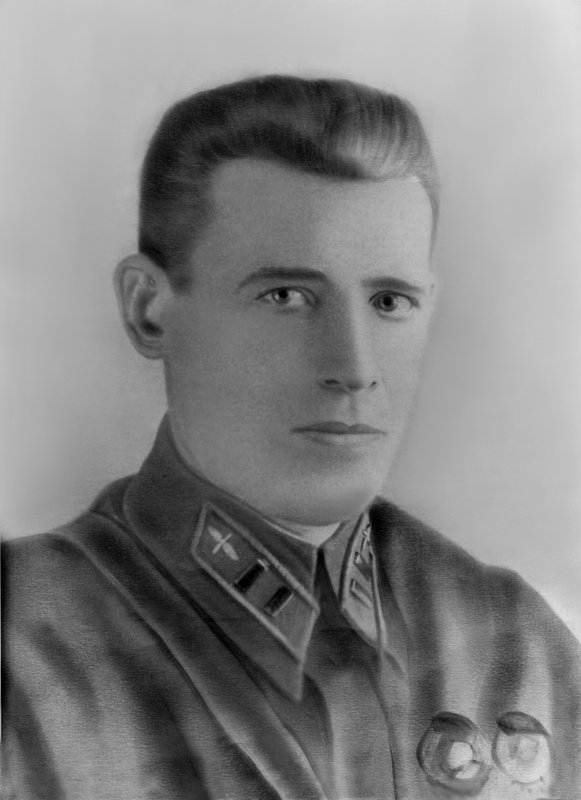
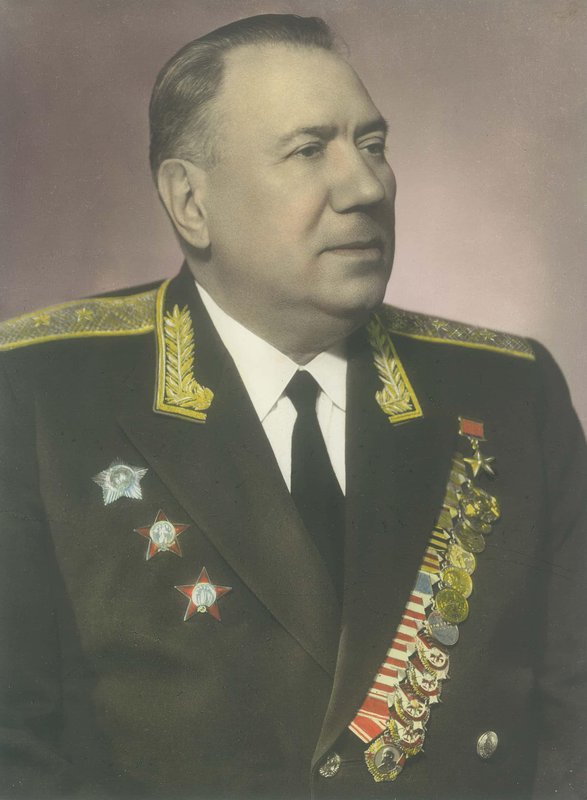
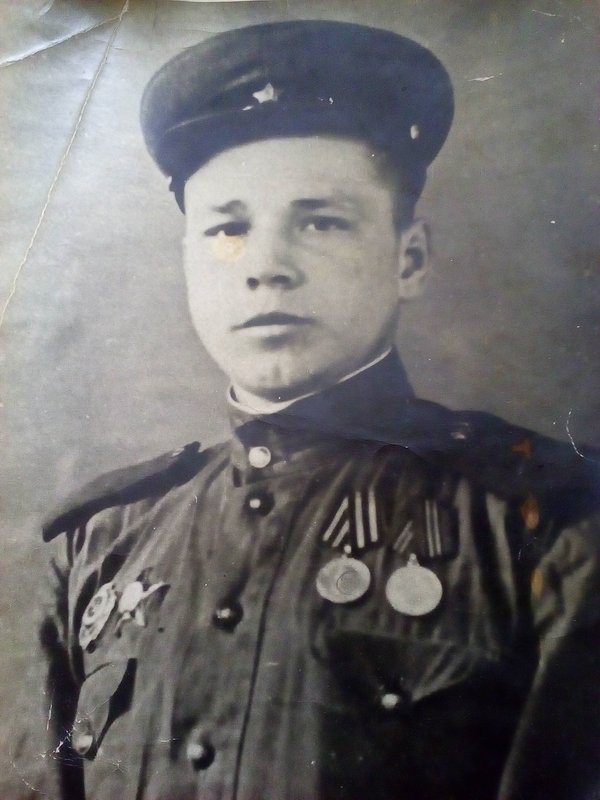
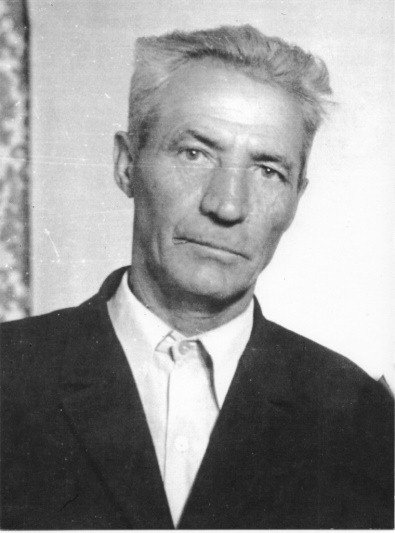
CITY: Keniksberg, Germany DATE OF BIRTH: 08/22/1911 DATE OF DEATH: 11/25/1971 HISTORY: Type of troops: Engineering troops Division: 39th Pacific Rifle Red Banner Division. My great-grandfather Alexey Ignatievich Andreyev was drafted into the Soviet army on June 29, 1941. He began his service in the 39th Army in the engineering battalion as a Red Army soldier. On July 2, 1941, the Hitlerite command launched a private offensive operation "Seydlitz" in the Army Group Center zone in order to divert the reserves of the Soviet Army and improve the operational position of its troops. It was launched by the 9th German Army against the 39th Army of the Kalinin Front, where my great-grandfather fought, who occupied a ledge near the city of Bely. The enemy struck at the narrowest part of the corridor connecting this army with the main forces of the front. As a result, the enemy managed to break through the army's defenses, cut communications and surround its formations. For more than three weeks, the courageous struggle of the soldiers of the 39th army continued, trying to break out of the enemy ring, but almost the entire 39th army was destroyed, someone was killed, someone was captured. In August 1941, my great-grandfather was also taken prisoner. He was liberated by Soviet troops at the end of April 1945. At that time, people who were in German captivity were considered enemies, so after the German camps they ended up in Russian camps. My great-grandfather was also sent to a Russian camp. He was released in 1946. While Stalin was alive, people were afraid to tell what happened to them during the war, so my great-grandfather did not tell his family anything about what he had to endure. And when the "thaw" came, my great-grandfather was already very sick, and his relatives did not ask him about the war, so as not to disturb him. But we still have a notebook that “went through” with my great-grandfather throughout the war, in which he drew, wrote poetry and wrote down the addresses of the people with whom he sat in the German camp.
Andreev Alexey Ignatievich
CITY: Keniksberg, Germany DATE OF BIRTH: 08/22/1911 DATE OF DEATH: 11/25/1971 HISTORY: Type of troops: Engineering troops Division: 39th Pacific Rifle Red Banner Division. My great-grandfather Alexey Ignatievich Andreyev was drafted into the Soviet army on June 29, 1941. He began his service in the 39th Army in the engineering battalion as a Red Army soldier. On July 2, 1941, the Hitlerite command launched a private offensive operation "Seydlitz" in the Army Group Center zone in order to divert the reserves of the Soviet Army and improve the operational position of its troops. It was launched by the 9th German Army against the 39th Army of the Kalinin Front, where my great-grandfather fought, who occupied a ledge near the city of Bely. The enemy struck at the narrowest part of the corridor connecting this army with the main forces of the front. As a result, the enemy managed to break through the army's defenses, cut communications and surround its formations. For more than three weeks, the courageous struggle of the soldiers of the 39th army continued, trying to break out of the enemy ring, but almost the entire 39th army was destroyed, someone was killed, someone was captured. In August 1941, my great-grandfather was also taken prisoner. He was liberated by Soviet troops at the end of April 1945. At that time, people who were in German captivity were considered enemies, so after the German camps they ended up in Russian camps. My great-grandfather was also sent to a Russian camp. He was released in 1946. While Stalin was alive, people were afraid to tell what happened to them during the war, so my great-grandfather did not tell his family anything about what he had to endure. And when the "thaw" came, my great-grandfather was already very sick, and his relatives did not ask him about the war, so as not to disturb him. But we still have a notebook that “went through” with my great-grandfather throughout the war, in which he drew, wrote poetry and wrote down the addresses of the people with whom he sat in the German camp.
0 comment



2026 © Russian Military Historical Society Developed by Jetmix