Ermolenko Mikhail Semenovich
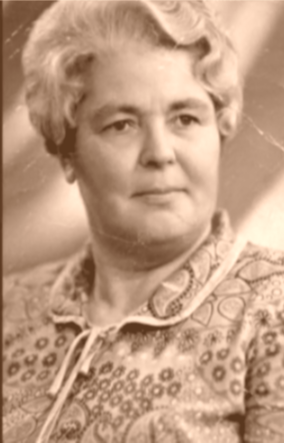
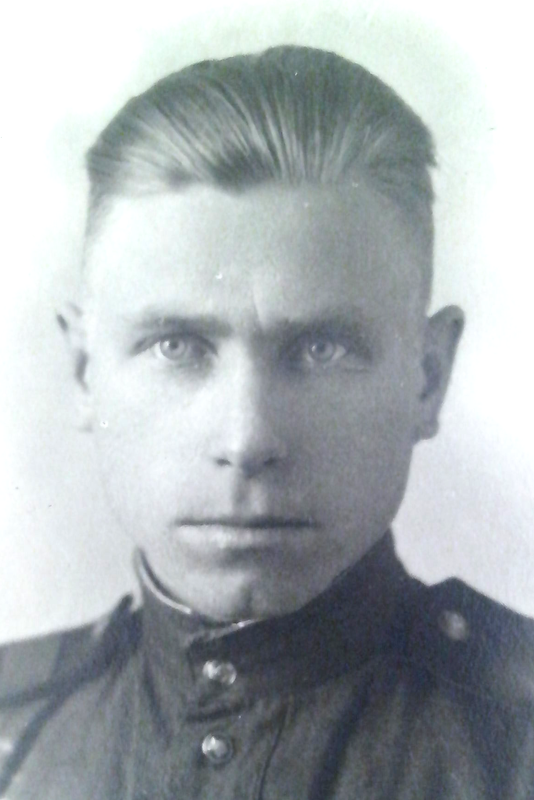
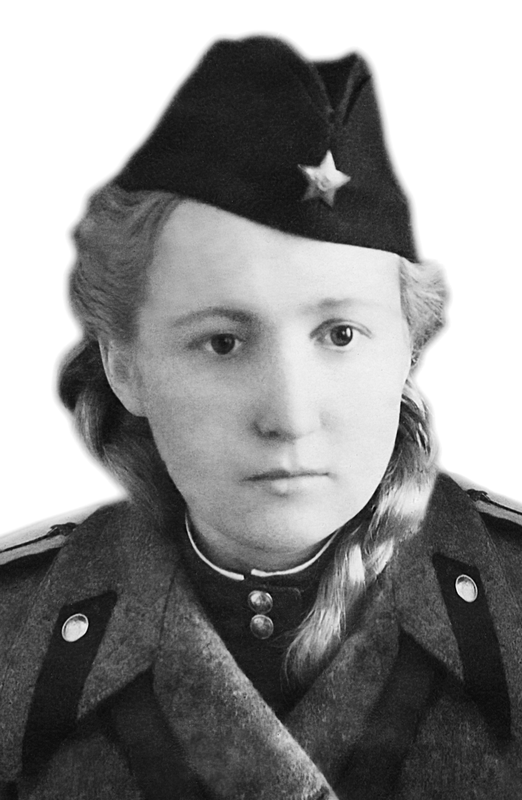
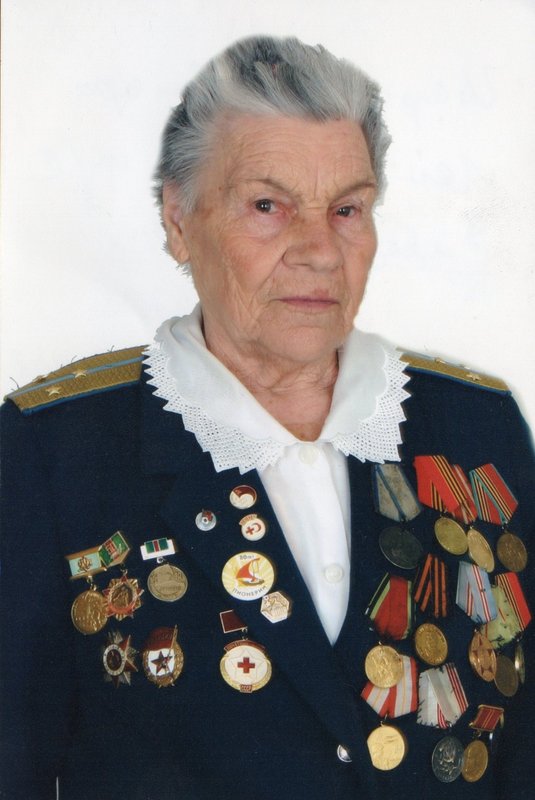
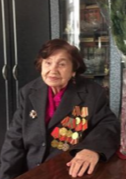
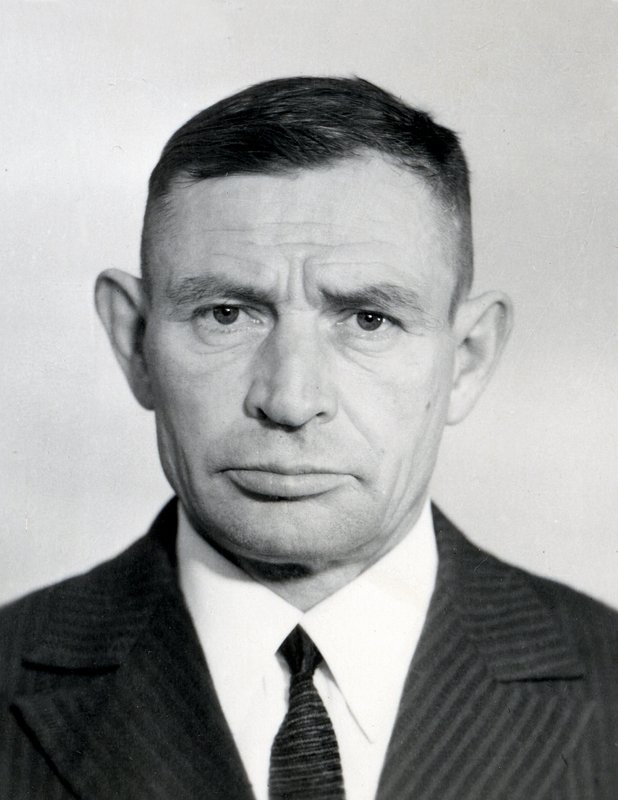
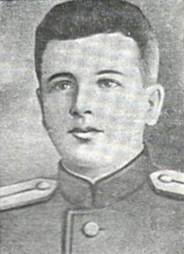
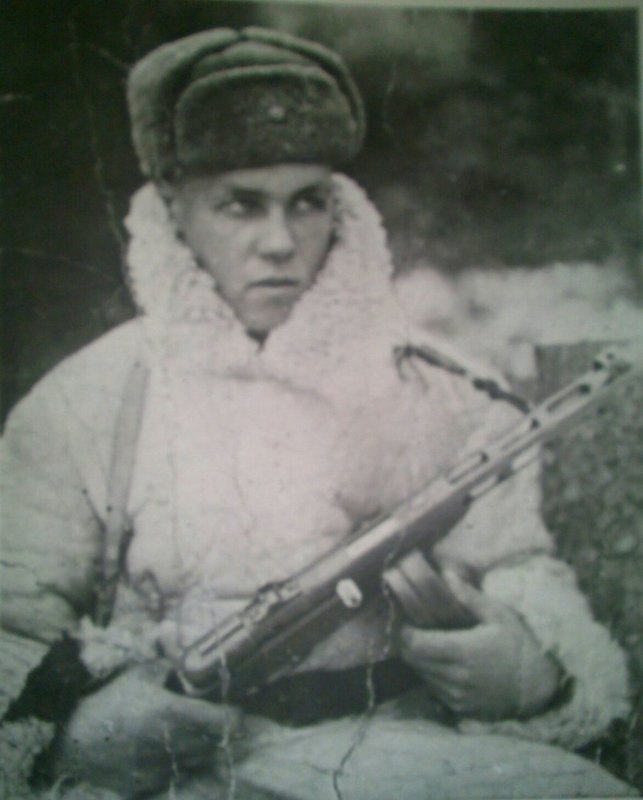
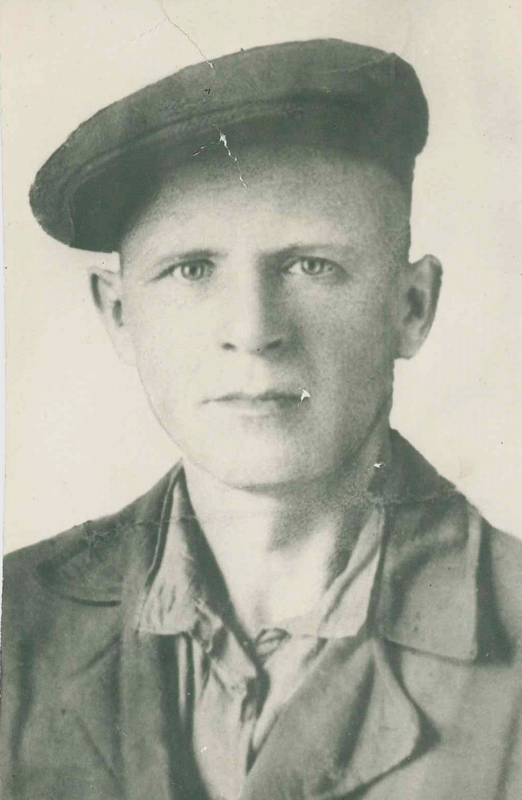
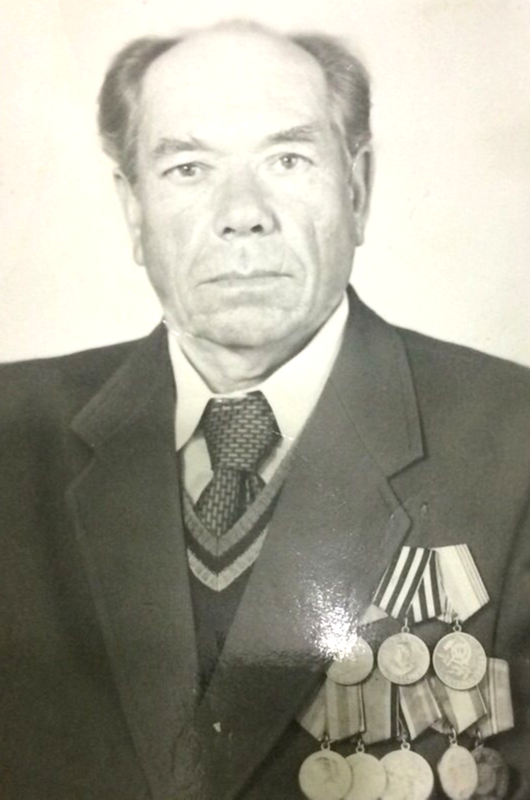
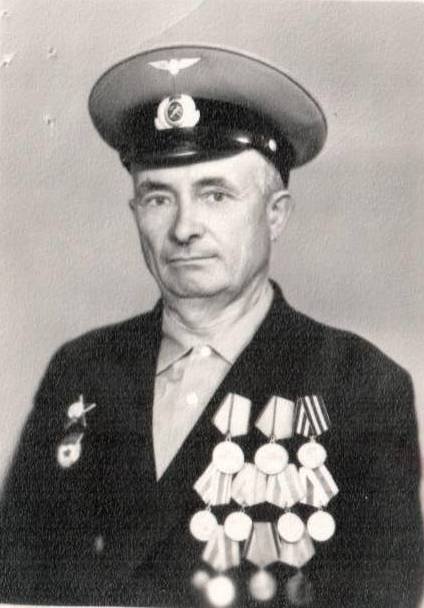
Rank: Sergeant. Type of troops: Armored and mechanized troops Subdivision: 20th Panzer Division. My great-grandfather, Mikhail Semyonovich Ermolenko, was born in the Kursk province, in the village of Kamyshanovka, now the Prokhorovsky district, on September 15, 1914. He was the eldest of 3 brothers and sisters in the family. Therefore, after the death of his father in 1924 from tuberculosis, which he contracted on the fronts of the 1st World War, difficult peasant work fell on his 10-year-old shoulders. Moreover, labor had to be combined with training in a seven-year school. After graduating from school, he was drafted into the army, had to serve in the Smolensk Artillery School, where he received the specialty of a driver. After the service, he decided not to return home, as hunger reigned there, and went to the Caucasus. I stopped at my aunt, who lived in the village Vodorazdel, here I got a job as a driver at a local state farm. A year later he moved his mother, brothers and sister to the village of Krasnoyarskoye. Returning home in 1940, in a neighboring village he looked for a bride - Anna Maksimovna Khomutova, on the November holidays they got married. In 1941, the Great Patriotic War began, after the end of the harvest at the state farm on August 31, 1941, he was drafted into the army and sent to Grozny, where the regiment was being formed. The pregnant wife remained at home. Great-grandfather did not like to talk about the war. The memories were probably too hard. And for me, it was always interesting to listen to him. His tank brigade took part in the Battle of Stalingrad and fought on the Kursk Bulge. In Prokhorovka, Mikhail Semyonovich and his comrades in arms repulsed the enemy. During the battle for the Right Bank Ukraine in January-February 1944, soldiers of the 1st and 2nd Ukrainian fronts surrounded over a dozen enemy divisions and defeated them ... It was then that he was wounded for the first time. My great-grandfather participated in the liberation of Romania, Hungary, Austria, Czechoslovakia. I met victory in May 1945 in Prague. After a while, in July-August, some of them were transferred to Mongolia. He also happened to participate in the war with militarist Japan. And only on the edge of Asia in Mukden (the former famous port of Arthur) did the war end for Sergeant Mikhail Semenovich. In 1946, he returned home, where his wife Anna Maksimovna and a 5-year-old son, who was born without him, were waiting for him. For military work he was awarded two medals "For Courage" and the Order of the Red Star, as well as medals "For the Defense of Stalingrad", "For the Liberation of Prague", "For the capture of Vienna", "For the capture of Budapest", "For the victory over Germany" , "For Victory over Japan", later - the Order of the Patriotic War II degree, jubilee medals. The economy, destroyed by the war, needed male hands, but the state farm did not have cars. Therefore, Mikhail Semenovich got a job on the railroad. All his further work biography was associated with the railway. For almost 30 years he worked on it, first at the Kian station, and then, since 1964, in the village of Kursavka. For conscientious work, he repeatedly became the winner of socialist competition, was entered on the Board of Honor, was awarded with certificates of honor, valuable gifts and prizes. Mikhail Semenovich died on March 10, 2008, at the age of 93. And he did not live these years in vain. He defended his homeland, restored it after the war, built a house with his own hands in the village. Kursavka, raised four children, planted a garden. These are the values for which it is worth living. Yes, he just honestly performed his duty - a man, a citizen, a person. So he fought, so worked, so he lived.
Ermolenko Mikhail Semenovich
Rank: Sergeant. Type of troops: Armored and mechanized troops Subdivision: 20th Panzer Division. My great-grandfather, Mikhail Semyonovich Ermolenko, was born in the Kursk province, in the village of Kamyshanovka, now the Prokhorovsky district, on September 15, 1914. He was the eldest of 3 brothers and sisters in the family. Therefore, after the death of his father in 1924 from tuberculosis, which he contracted on the fronts of the 1st World War, difficult peasant work fell on his 10-year-old shoulders. Moreover, labor had to be combined with training in a seven-year school. After graduating from school, he was drafted into the army, had to serve in the Smolensk Artillery School, where he received the specialty of a driver. After the service, he decided not to return home, as hunger reigned there, and went to the Caucasus. I stopped at my aunt, who lived in the village Vodorazdel, here I got a job as a driver at a local state farm. A year later he moved his mother, brothers and sister to the village of Krasnoyarskoye. Returning home in 1940, in a neighboring village he looked for a bride - Anna Maksimovna Khomutova, on the November holidays they got married. In 1941, the Great Patriotic War began, after the end of the harvest at the state farm on August 31, 1941, he was drafted into the army and sent to Grozny, where the regiment was being formed. The pregnant wife remained at home. Great-grandfather did not like to talk about the war. The memories were probably too hard. And for me, it was always interesting to listen to him. His tank brigade took part in the Battle of Stalingrad and fought on the Kursk Bulge. In Prokhorovka, Mikhail Semyonovich and his comrades in arms repulsed the enemy. During the battle for the Right Bank Ukraine in January-February 1944, soldiers of the 1st and 2nd Ukrainian fronts surrounded over a dozen enemy divisions and defeated them ... It was then that he was wounded for the first time. My great-grandfather participated in the liberation of Romania, Hungary, Austria, Czechoslovakia. I met victory in May 1945 in Prague. After a while, in July-August, some of them were transferred to Mongolia. He also happened to participate in the war with militarist Japan. And only on the edge of Asia in Mukden (the former famous port of Arthur) did the war end for Sergeant Mikhail Semenovich. In 1946, he returned home, where his wife Anna Maksimovna and a 5-year-old son, who was born without him, were waiting for him. For military work he was awarded two medals "For Courage" and the Order of the Red Star, as well as medals "For the Defense of Stalingrad", "For the Liberation of Prague", "For the capture of Vienna", "For the capture of Budapest", "For the victory over Germany" , "For Victory over Japan", later - the Order of the Patriotic War II degree, jubilee medals. The economy, destroyed by the war, needed male hands, but the state farm did not have cars. Therefore, Mikhail Semenovich got a job on the railroad. All his further work biography was associated with the railway. For almost 30 years he worked on it, first at the Kian station, and then, since 1964, in the village of Kursavka. For conscientious work, he repeatedly became the winner of socialist competition, was entered on the Board of Honor, was awarded with certificates of honor, valuable gifts and prizes. Mikhail Semenovich died on March 10, 2008, at the age of 93. And he did not live these years in vain. He defended his homeland, restored it after the war, built a house with his own hands in the village. Kursavka, raised four children, planted a garden. These are the values for which it is worth living. Yes, he just honestly performed his duty - a man, a citizen, a person. So he fought, so worked, so he lived.
0 comment




2026 © Russian Military Historical Society Developed by Jetmix