

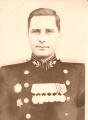

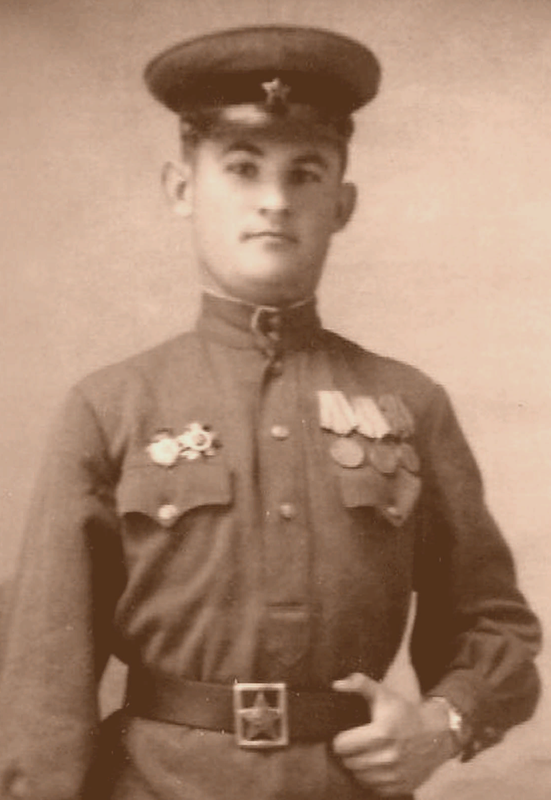


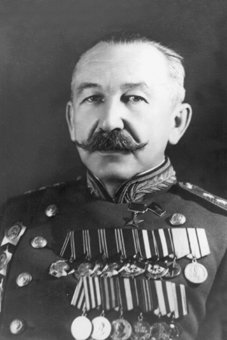


Alexander Evgenievich Gonzyus
My great-grandfather fought in a terrible war. He must have been dreaming about me. Like, the share of a soldier to protect the country, because grandchildren and great-grandchildren want to live! It's not good for kids to be born in captivity. We will not give up our native country to our enemies. And, boldly marching into a decisive battle, My great-grandfather was not afraid at all. He believed that even though the bullets were whistling at his head, Victory was ours, Victory was near. And the brave Hero was right, his picture next to me. "Thank you, grandpa," I whisper to him For not giving me to anyone.
My great-grandfather was born on November 15, 1924 in the village of Novoplatnirovskaya, Leningrad region, in the family of Darya Yakovlevna and Yevgeny Yevgrafofich. In addition to his father, the family had 3 more children. Older brother Nikolai and 2 younger sisters Maria and Raisa. At the age of 7, when my great-grandfather went to school in the first grade, the family moved from Novoplatnirovka to the village of Leningradskaya. They lived in Leningradskaya on Proletarskaya street. A small house with a vegetable garden that led directly to the river Protoka even now reminds me of my great-grandfather.
As a boy, together with his friends, they swam in this river, fished, chased pigeons. June 1941. My great-grandfather and his brother learned about the war from their parents when they came home from fishing on Sunday afternoon. Nikolai was The first, who left to the front in June 1941, in the age of 19. My great-grandfather was handed the summons to the front from the Leningrad military enlistment office in the summer of 1942. He was not yet 18, and in July 1942 he was fighting as a gunner of the 85th anti-tank artillery division. He fought in the Caucasus, in the Crimea, he was a sniper in the 271st rifle division. As part of the 56th Army, he liberated the city of Taman, where he received his first wound in the leg. He was wounded for th 2nd time In the battle for Stalingrad and sent to the city of Saratov to a hospital. In April 1944, my great-grandfather was wounded for the 3rd time, it was a serious wound in the chest. The explosive bullet passed 2 cm from the heart area and left its mark on the back in the form of a funnel for all life. My great-grandfather was treated in a hospital in Zlatoust town, Chelyabinsk region, where he had several operations. in December 1944, he was commissioned After treatment and worked at a machine-building plant in Zlatoust. During the war, the plant was of defense significance and produced aircraft guns for the front.
May 1945. He met Victory day in Zlatoust and only in 1947 my great-grandfather came back to his relatives, to his native Leningradskaya village. My great-grandfather's older brother Nikolai died near Vologda in July 1943. My great-grandfather was awarded his first award in 1943: the medal "for the defense of the Caucasus", then in 1945 the medal "for the Victory over Germany". All the medals and orders of my great-grandfather are kept in our house, including the "Medal for the battle for Stalingrad", the badge"for valor and bravery in the great Patriotic War". As a participant in the second world war, my great-grandfather was awarded the medals "Thirty years of Victory in the second world war" and "Forty years of Victory". In 1985, he was awarded the order of the Patriotic War of the 1st degree by the decree of the Presidium of the Supreme Soviet of the USSR for bravery, fortitude and courage shown in the fight against the Nazi invaders, and in commemoration of the 40th anniversary of the Victory.
In 1950, my great-grandfather went to Krasnodar to study, where he met my great-grandmother Maria. In 1957, their daughter, my grandmother, was born, whom they named Rimma. My great-grandfather gave the name to his daughter, my grandmother, in honor of the nurse who had carried him seriously wounded from the battlefield, who saved his life. The greatest holiday in our family was and remains the Victory day. My grandmother told me that great-grandfather Sasha loved this holiday very much. He always went to meetings and laid wreaths and flowers at the Eternal Flame, met with his numerous fellow soldiers and friends. Great-grandfather Sasha died on January 4, 1993, and although he did not live very long - 68 years, the one who left his mark on the earth does not die! Thank you to my Grandfather for the Victory, for blooming May without war. For honor, for glory, for the victory salute, And for the greatness of the country! Valeria Gichana, grade 7 "A" school-Lyceum №7.
Alexander Evgenievich Gonzyus
My great-grandfather fought in a terrible war. He must have been dreaming about me. Like, the share of a soldier to protect the country, because grandchildren and great-grandchildren want to live! It's not good for kids to be born in captivity. We will not give up our native country to our enemies. And, boldly marching into a decisive battle, My great-grandfather was not afraid at all. He believed that even though the bullets were whistling at his head, Victory was ours, Victory was near. And the brave Hero was right, his picture next to me. "Thank you, grandpa," I whisper to him For not giving me to anyone.
My great-grandfather was born on November 15, 1924 in the village of Novoplatnirovskaya, Leningrad region, in the family of Darya Yakovlevna and Yevgeny Yevgrafofich. In addition to his father, the family had 3 more children. Older brother Nikolai and 2 younger sisters Maria and Raisa. At the age of 7, when my great-grandfather went to school in the first grade, the family moved from Novoplatnirovka to the village of Leningradskaya. They lived in Leningradskaya on Proletarskaya street. A small house with a vegetable garden that led directly to the river Protoka even now reminds me of my great-grandfather.
As a boy, together with his friends, they swam in this river, fished, chased pigeons. June 1941. My great-grandfather and his brother learned about the war from their parents when they came home from fishing on Sunday afternoon. Nikolai was The first, who left to the front in June 1941, in the age of 19. My great-grandfather was handed the summons to the front from the Leningrad military enlistment office in the summer of 1942. He was not yet 18, and in July 1942 he was fighting as a gunner of the 85th anti-tank artillery division. He fought in the Caucasus, in the Crimea, he was a sniper in the 271st rifle division. As part of the 56th Army, he liberated the city of Taman, where he received his first wound in the leg. He was wounded for th 2nd time In the battle for Stalingrad and sent to the city of Saratov to a hospital. In April 1944, my great-grandfather was wounded for the 3rd time, it was a serious wound in the chest. The explosive bullet passed 2 cm from the heart area and left its mark on the back in the form of a funnel for all life. My great-grandfather was treated in a hospital in Zlatoust town, Chelyabinsk region, where he had several operations. in December 1944, he was commissioned After treatment and worked at a machine-building plant in Zlatoust. During the war, the plant was of defense significance and produced aircraft guns for the front.
May 1945. He met Victory day in Zlatoust and only in 1947 my great-grandfather came back to his relatives, to his native Leningradskaya village. My great-grandfather's older brother Nikolai died near Vologda in July 1943. My great-grandfather was awarded his first award in 1943: the medal "for the defense of the Caucasus", then in 1945 the medal "for the Victory over Germany". All the medals and orders of my great-grandfather are kept in our house, including the "Medal for the battle for Stalingrad", the badge"for valor and bravery in the great Patriotic War". As a participant in the second world war, my great-grandfather was awarded the medals "Thirty years of Victory in the second world war" and "Forty years of Victory". In 1985, he was awarded the order of the Patriotic War of the 1st degree by the decree of the Presidium of the Supreme Soviet of the USSR for bravery, fortitude and courage shown in the fight against the Nazi invaders, and in commemoration of the 40th anniversary of the Victory.
In 1950, my great-grandfather went to Krasnodar to study, where he met my great-grandmother Maria. In 1957, their daughter, my grandmother, was born, whom they named Rimma. My great-grandfather gave the name to his daughter, my grandmother, in honor of the nurse who had carried him seriously wounded from the battlefield, who saved his life. The greatest holiday in our family was and remains the Victory day. My grandmother told me that great-grandfather Sasha loved this holiday very much. He always went to meetings and laid wreaths and flowers at the Eternal Flame, met with his numerous fellow soldiers and friends. Great-grandfather Sasha died on January 4, 1993, and although he did not live very long - 68 years, the one who left his mark on the earth does not die! Thank you to my Grandfather for the Victory, for blooming May without war. For honor, for glory, for the victory salute, And for the greatness of the country! Valeria Gichana, grade 7 "A" school-Lyceum №7.
0 comment



2026 © Russian Military Historical Society Developed by Jetmix