
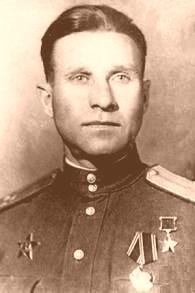



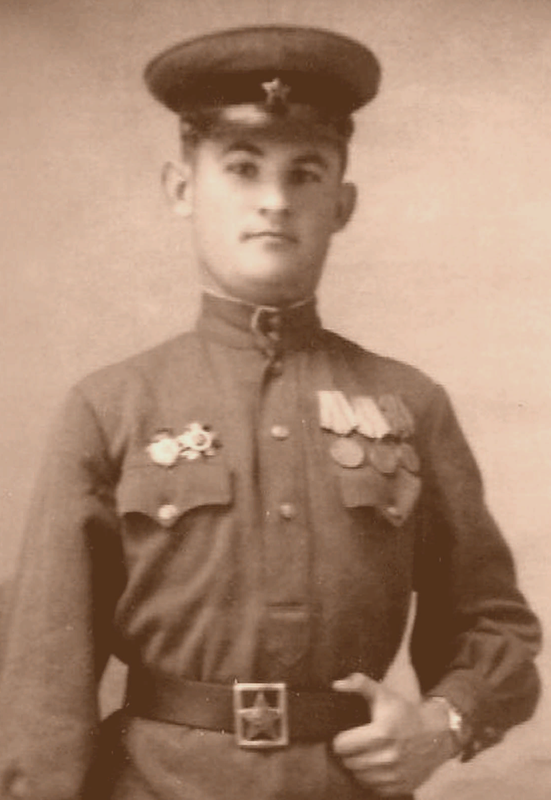


Viktor Ivanovich Kucherenko
Viktor Kucherenko was born on February 27, 1905 in Chalbass village, now Vinogradovo, in Aleshkovsky district, in a large peasant family. His father, John, was one of the famous Turbai rebels who were sent to the arid steppes by Catherine II for disobedience. According to the memories of Vitaly Viktorovich, his grandfather had the nickname Barkan, was strong and more than two meters tall, fought in the First world war and the Civil war. In 1914, 9-year-old Viktor went to school, and studied there for 5 years only. His father did not have enough money to pay for his study, because the family was large, so at the age of 14, the guy was forced to work for the farmers with their own land. In 1924, he joined the army, and after serving, in 1927, together with his father and the whole family moved to Skadovsk, where he got a job in the newly organized Voroshilov collective farm. Working as a field foreman, even in his youth, Viktor proved to be a man of his word, a good and fair leader who loved order and discipline in everything, and was always ready to help with business or advice. Therefore, it is not surprising that the he was three times nominated by the farm workers as a candidate for the deputies of Skadovsky settlement Council of workers. And when in 1934 he was elected to the permanent job as the Deputy Chairman, the farm workerd sincerely wept for their foreman. With tears in his eyes, Viktor Ivanovich said goodbye to his girls. In 1936 Viktor Kucherenko became the Chairman of the village Council of workers in Skadovsk and at this position he met the war in 1941. From the first days, the representatives of the local authorities received the government’s order to leave to the enemy no piece of bread, livestock or equipment – everything to be evacuated! According to the memoirs of his son, Viktor Ivanovich, along with the Chairman of the collective farm, had to evacuate cows from the collective farm. The cattle was collected in a herd and driven to Stavropol of Dmitrov district (now Krasnodar area). Along the way, they were joined by other collective farms with their own cattle and thus formed a common huge herd, which had to walk hundreds or even thousands of kilometers. Many cows died on the difficult road, often from German aircraft attacks. In Stavropol, Viktor Kucherenko received military training and in July 1942 he went to the front as the commander of a platoon of machine gunners. His wife and children stayed in the occupation in Skadovsk. He joined the 340th guards rifle regiment of the 121st Guards rifle division of the 13th army of the First Ukrainian front. In March 1943 he was wounded in the battle for Mozdok (North Ossetia) by a fragment of a mine, that exploded nearby. An ambulance dog saved him from certain death. The dog found the almost unconscious soldier on the battlefield and brought doctors to him. In the summer of 1944, he was seriously wounded for the second time in the Lvov cauldron. In the battle that took place on July 13, 1944, the Senior Lieutenant Kucherenko commanded a rifle platoon, which promptly completed the task, skillfully repelled enemy counterattacks and occupied hostile trenches. During the battle, he was wounded and then awarded the order of the Red Star. Due to a serious injury in the fall of the same year, Viktor Kucherenko was demobilized from the front as a disabled person of the 2nd group. After returning to his native Skadovsk, Viktor Kucherenko became the head of the department of the Military Local Committee of the Communist party, then – the head of the Military Commissariat, where he worked until 1954. After that, he became the Director of the industrial plant, and soon- the head of the cotton point "Skadovsk". In the spring of 1959, a man suddenly died of a severe cold. He was buried in Skadovsk, in the old city cemetery, opposite the monument to the unknown soldier. Relatives remember that the residents of Skladov said goodbye to the hero in the former Club of the District Consumer Union, which is located on the corner of modern Dom and Gagarin streets. There were a lot of people at the funeral. This is another, pieced together history of the tragic war of our time. And we must keep in mind the names of the heroes who defended their native land from invaders, defended our freedom and every day courageously and selflessly fought for the Great Victory. At the cost of their own happiness, health, life ...
Viktor Ivanovich Kucherenko
Viktor Kucherenko was born on February 27, 1905 in Chalbass village, now Vinogradovo, in Aleshkovsky district, in a large peasant family. His father, John, was one of the famous Turbai rebels who were sent to the arid steppes by Catherine II for disobedience. According to the memories of Vitaly Viktorovich, his grandfather had the nickname Barkan, was strong and more than two meters tall, fought in the First world war and the Civil war. In 1914, 9-year-old Viktor went to school, and studied there for 5 years only. His father did not have enough money to pay for his study, because the family was large, so at the age of 14, the guy was forced to work for the farmers with their own land. In 1924, he joined the army, and after serving, in 1927, together with his father and the whole family moved to Skadovsk, where he got a job in the newly organized Voroshilov collective farm. Working as a field foreman, even in his youth, Viktor proved to be a man of his word, a good and fair leader who loved order and discipline in everything, and was always ready to help with business or advice. Therefore, it is not surprising that the he was three times nominated by the farm workers as a candidate for the deputies of Skadovsky settlement Council of workers. And when in 1934 he was elected to the permanent job as the Deputy Chairman, the farm workerd sincerely wept for their foreman. With tears in his eyes, Viktor Ivanovich said goodbye to his girls. In 1936 Viktor Kucherenko became the Chairman of the village Council of workers in Skadovsk and at this position he met the war in 1941. From the first days, the representatives of the local authorities received the government’s order to leave to the enemy no piece of bread, livestock or equipment – everything to be evacuated! According to the memoirs of his son, Viktor Ivanovich, along with the Chairman of the collective farm, had to evacuate cows from the collective farm. The cattle was collected in a herd and driven to Stavropol of Dmitrov district (now Krasnodar area). Along the way, they were joined by other collective farms with their own cattle and thus formed a common huge herd, which had to walk hundreds or even thousands of kilometers. Many cows died on the difficult road, often from German aircraft attacks. In Stavropol, Viktor Kucherenko received military training and in July 1942 he went to the front as the commander of a platoon of machine gunners. His wife and children stayed in the occupation in Skadovsk. He joined the 340th guards rifle regiment of the 121st Guards rifle division of the 13th army of the First Ukrainian front. In March 1943 he was wounded in the battle for Mozdok (North Ossetia) by a fragment of a mine, that exploded nearby. An ambulance dog saved him from certain death. The dog found the almost unconscious soldier on the battlefield and brought doctors to him. In the summer of 1944, he was seriously wounded for the second time in the Lvov cauldron. In the battle that took place on July 13, 1944, the Senior Lieutenant Kucherenko commanded a rifle platoon, which promptly completed the task, skillfully repelled enemy counterattacks and occupied hostile trenches. During the battle, he was wounded and then awarded the order of the Red Star. Due to a serious injury in the fall of the same year, Viktor Kucherenko was demobilized from the front as a disabled person of the 2nd group. After returning to his native Skadovsk, Viktor Kucherenko became the head of the department of the Military Local Committee of the Communist party, then – the head of the Military Commissariat, where he worked until 1954. After that, he became the Director of the industrial plant, and soon- the head of the cotton point "Skadovsk". In the spring of 1959, a man suddenly died of a severe cold. He was buried in Skadovsk, in the old city cemetery, opposite the monument to the unknown soldier. Relatives remember that the residents of Skladov said goodbye to the hero in the former Club of the District Consumer Union, which is located on the corner of modern Dom and Gagarin streets. There were a lot of people at the funeral. This is another, pieced together history of the tragic war of our time. And we must keep in mind the names of the heroes who defended their native land from invaders, defended our freedom and every day courageously and selflessly fought for the Great Victory. At the cost of their own happiness, health, life ...
0 comment



2026 © Russian Military Historical Society Developed by Jetmix