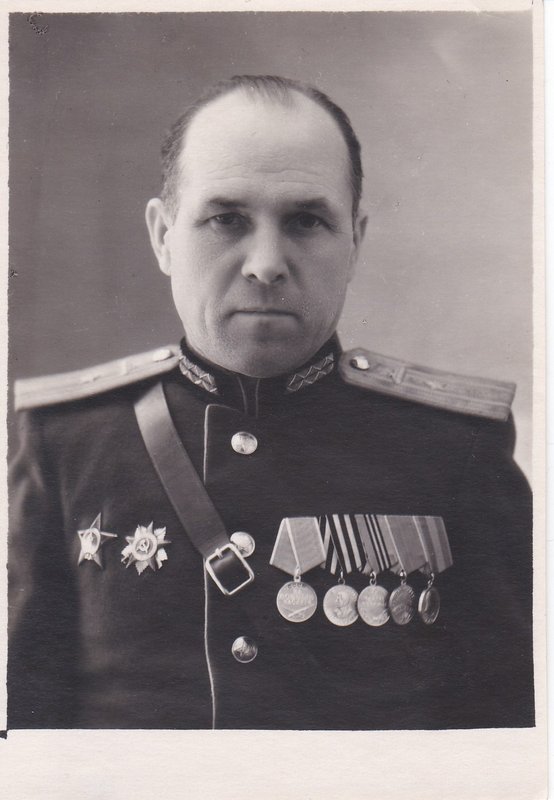
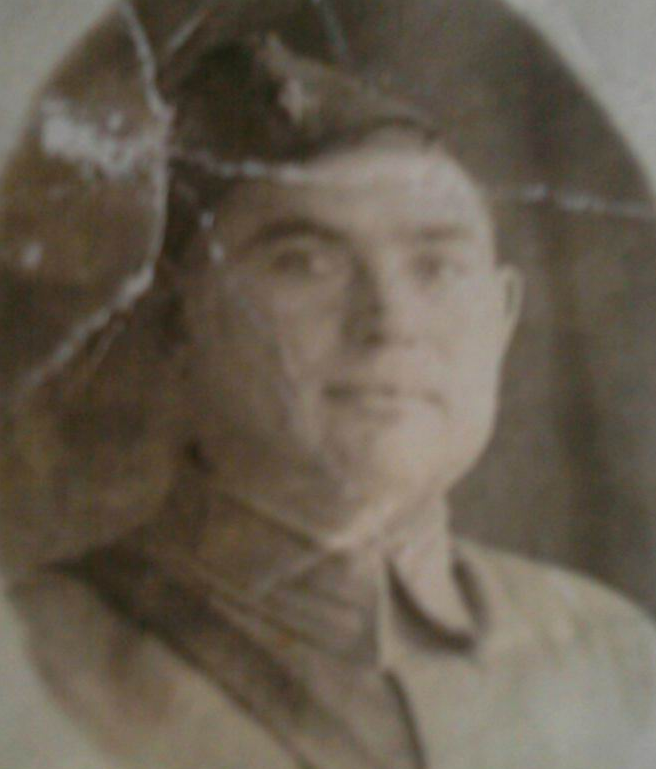
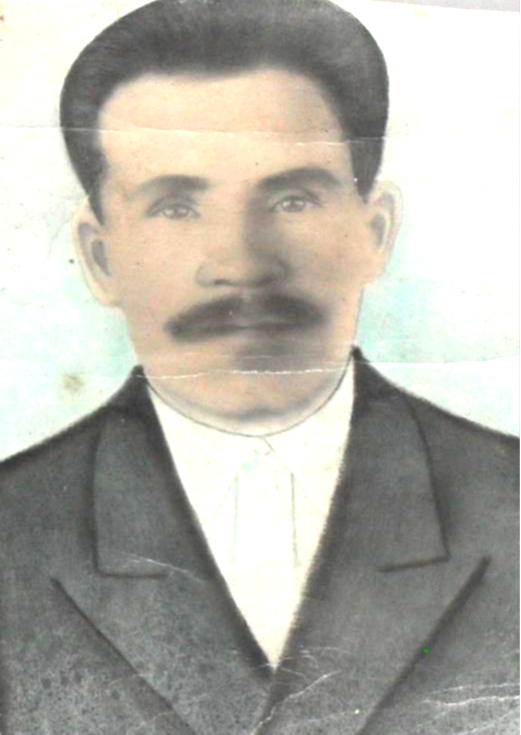
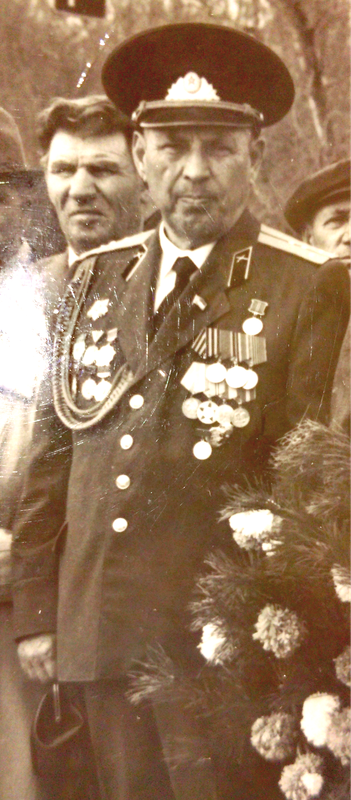
Ananiev Fedor Andreevich
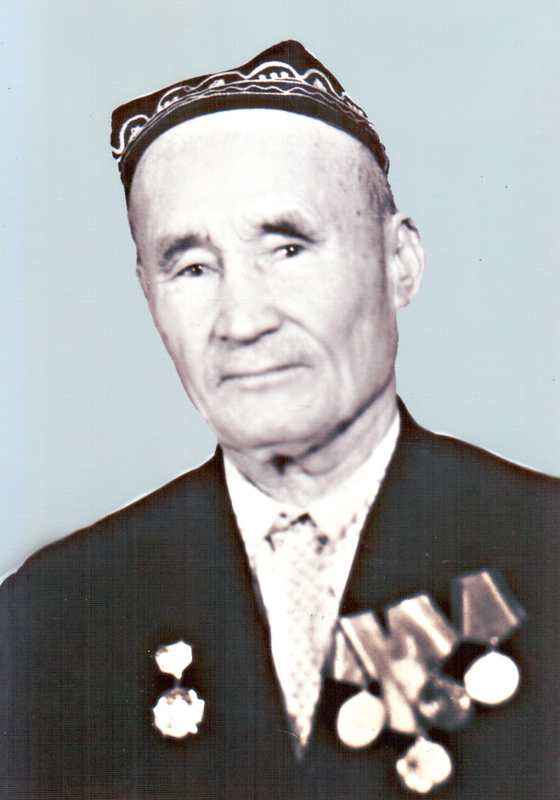
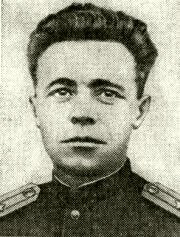
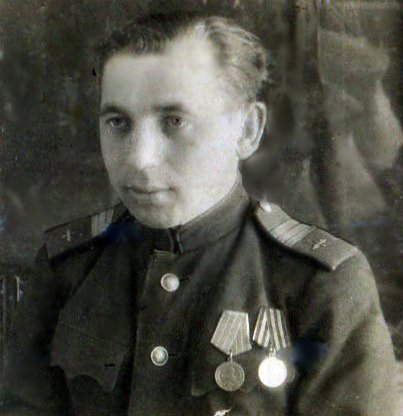
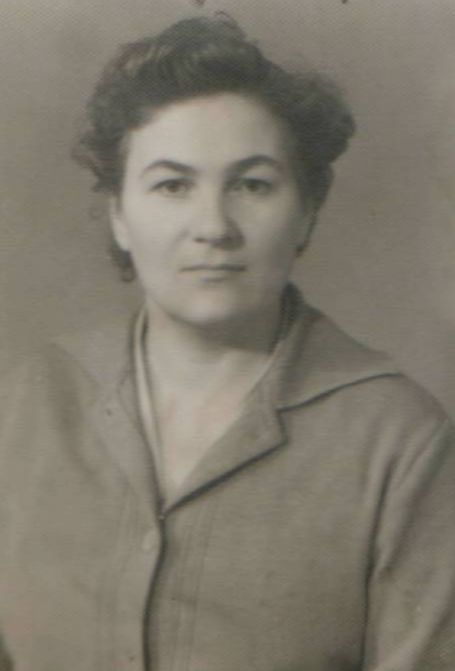
CITY: Ulyanovsk Region, Barysh District, Workers' Village Izmailovka DATE OF BIRTH: 01/03/1924 DATE OF DEATH: 06/10/2010 HISTORY: Title: Lieutenant Colonel Type of Troops: Artillery Born in the village of Butyrki, Veshkaimsky District, Ulyanovsk Region. In 1931 he entered the Barysh secondary school. In Izmailovo, he receives a school education, becomes an active Komsomol member, and finishes driver courses. When he turned 18, war was already raging in the west. The enemy was approaching Moscow. In 1942, the young Fyodor was called up for a special recruitment and, after four months of training, was sent to a military school. From July 20, 1942 to July 20, 1943 - 1 Leningrad Artillery School in the city of Engels. Upon its completion, in July 1943, with the rank of lieutenant, he was sent to an artillery regiment. Then Fedor falls into the 6th Guards Airborne Brigade. So, Fedor Andreevich becomes an artilleryman paratrooper. He fought in artillery units, a lieutenant as a fire platoon commander - a senior battery officer with 76 mm Zis-3 cannons. 1943 from July to September fought near Smolensk 20 army 123 artillery rifle regiment, an artilleryman. Western front. From November 1943 to February 1945 on the first Belorussian front 05 and 3 army. Commander of a fire platoon of a separate artillery division of the Reserve of the High Command under the 6th Guards Airborne Brigade during the liberation of Belarus. Codenamed "Bagration". He took part in the liberation of the cities of Gomel, Osipovichi, Ukhovichi, Minsk, Slutsk. “I was wounded there,” he says. “The wound did not heal well. The most memorable thing for me is that once the commander of the 6th Guards Airborne Rifle Division told me: "You will go to Moscow for a military parade, and while they are preparing you, you will get medical treatment." Training took place every other day and every other day I went to the hospital for treatment. And on June 23, 1945, we marched through Red Square with a parade. I saw all the leaders of the state in the stands, I saw Stalin. I remember the first fight for the rest of my life. Under heavy enemy fire, Lieutenant P.I. Skvortsov and I from the village of Stogovka, Kuzovatovsky District, spent two days preparing positions for our artillery brigade on the shore of some lake near Rogach. It was impossible to dig in, there was already water on the bayonet of the shovel. We moved mainly by crawling, we were ordered to dig in as much as possible and carefully mask the main and reserve firing positions. Prepare as many shells as possible, do not miss enemy tanks and infantry. On that day it was drizzling with a light rain, the enemy constantly bombed, fired, conducted reconnaissance in force. Until June 24, 1944, they were on the defensive. On June 24, at five o'clock in the morning, artillery preparation began. She was so powerful that the earth trembled. We used up a large number of shells, only "n / a" and the necessary ammunition remained. Moving forward, day and night, we fired at the enemy, destroyed his military equipment and manpower. At night from 23 to 24, when changing firing positions, he was wounded in the right buttock. I did not apply to the medical sanitary battalion and other medical institutions. He was treated by a sanitary instructor. On July 9, 1944, he was wounded for the second time in the abdominal cavity and was seriously concussed. In 1945 he was sent to the city of Moscow to participate in the Victory Parade. " (From the notes of Ananyev Fyodor Andreevich) From September 1947 to March 1951 he served in the group of Soviet forces in Germany as a battery commander. From 1951 F. Ananiev - in the Trans-Baikal Military District, in Chita. There was in the howitzer regiment in the same position. From Chita in 1953 he came to Izmailovo. Only now I managed to realize my old dream - to become a worker in my native factory. An inquisitive mind did not give him rest - he was interested in the device of machines, equipment, their capabilities. He was recommended to study. He studied at the Moscow Institute for three years, then transferred to the Barysh technical school. By that time, he already knew all the production equipment and therefore was appointed as a foreman. Then he became a shift foreman, deputy head of production, head of the technical control department and, finally, chief engineer. After four years of work (1965-1969) as a chief engineer, he was sent to the Gimov plant in Isheevka as a director. A new factory was built under him. The face of the whole Isheevka has been renewed. He built a new sports complex and stands for young people. In 1976 he was elected chairman of the executive committee of the Isheevsky village council of people's deputies. He held frequent conversations with residents, organized people to fight weeds, for the purity of his native village. And, having retired, he did not sit idle, for many years he was the permanent chairman of the Council of Veterans in the working village of Isheevka, a deputy of the local council. In 1990, on the 45th anniversary of the Victory in the Great Patriotic War, which was celebrated very widely in our country, two war veterans from our region were invited to Moscow. And one of them was Fyodor Andreevich Ananiev.
Ananiev Fedor Andreevich
CITY: Ulyanovsk Region, Barysh District, Workers' Village Izmailovka DATE OF BIRTH: 01/03/1924 DATE OF DEATH: 06/10/2010 HISTORY: Title: Lieutenant Colonel Type of Troops: Artillery Born in the village of Butyrki, Veshkaimsky District, Ulyanovsk Region. In 1931 he entered the Barysh secondary school. In Izmailovo, he receives a school education, becomes an active Komsomol member, and finishes driver courses. When he turned 18, war was already raging in the west. The enemy was approaching Moscow. In 1942, the young Fyodor was called up for a special recruitment and, after four months of training, was sent to a military school. From July 20, 1942 to July 20, 1943 - 1 Leningrad Artillery School in the city of Engels. Upon its completion, in July 1943, with the rank of lieutenant, he was sent to an artillery regiment. Then Fedor falls into the 6th Guards Airborne Brigade. So, Fedor Andreevich becomes an artilleryman paratrooper. He fought in artillery units, a lieutenant as a fire platoon commander - a senior battery officer with 76 mm Zis-3 cannons. 1943 from July to September fought near Smolensk 20 army 123 artillery rifle regiment, an artilleryman. Western front. From November 1943 to February 1945 on the first Belorussian front 05 and 3 army. Commander of a fire platoon of a separate artillery division of the Reserve of the High Command under the 6th Guards Airborne Brigade during the liberation of Belarus. Codenamed "Bagration". He took part in the liberation of the cities of Gomel, Osipovichi, Ukhovichi, Minsk, Slutsk. “I was wounded there,” he says. “The wound did not heal well. The most memorable thing for me is that once the commander of the 6th Guards Airborne Rifle Division told me: "You will go to Moscow for a military parade, and while they are preparing you, you will get medical treatment." Training took place every other day and every other day I went to the hospital for treatment. And on June 23, 1945, we marched through Red Square with a parade. I saw all the leaders of the state in the stands, I saw Stalin. I remember the first fight for the rest of my life. Under heavy enemy fire, Lieutenant P.I. Skvortsov and I from the village of Stogovka, Kuzovatovsky District, spent two days preparing positions for our artillery brigade on the shore of some lake near Rogach. It was impossible to dig in, there was already water on the bayonet of the shovel. We moved mainly by crawling, we were ordered to dig in as much as possible and carefully mask the main and reserve firing positions. Prepare as many shells as possible, do not miss enemy tanks and infantry. On that day it was drizzling with a light rain, the enemy constantly bombed, fired, conducted reconnaissance in force. Until June 24, 1944, they were on the defensive. On June 24, at five o'clock in the morning, artillery preparation began. She was so powerful that the earth trembled. We used up a large number of shells, only "n / a" and the necessary ammunition remained. Moving forward, day and night, we fired at the enemy, destroyed his military equipment and manpower. At night from 23 to 24, when changing firing positions, he was wounded in the right buttock. I did not apply to the medical sanitary battalion and other medical institutions. He was treated by a sanitary instructor. On July 9, 1944, he was wounded for the second time in the abdominal cavity and was seriously concussed. In 1945 he was sent to the city of Moscow to participate in the Victory Parade. " (From the notes of Ananyev Fyodor Andreevich) From September 1947 to March 1951 he served in the group of Soviet forces in Germany as a battery commander. From 1951 F. Ananiev - in the Trans-Baikal Military District, in Chita. There was in the howitzer regiment in the same position. From Chita in 1953 he came to Izmailovo. Only now I managed to realize my old dream - to become a worker in my native factory. An inquisitive mind did not give him rest - he was interested in the device of machines, equipment, their capabilities. He was recommended to study. He studied at the Moscow Institute for three years, then transferred to the Barysh technical school. By that time, he already knew all the production equipment and therefore was appointed as a foreman. Then he became a shift foreman, deputy head of production, head of the technical control department and, finally, chief engineer. After four years of work (1965-1969) as a chief engineer, he was sent to the Gimov plant in Isheevka as a director. A new factory was built under him. The face of the whole Isheevka has been renewed. He built a new sports complex and stands for young people. In 1976 he was elected chairman of the executive committee of the Isheevsky village council of people's deputies. He held frequent conversations with residents, organized people to fight weeds, for the purity of his native village. And, having retired, he did not sit idle, for many years he was the permanent chairman of the Council of Veterans in the working village of Isheevka, a deputy of the local council. In 1990, on the 45th anniversary of the Victory in the Great Patriotic War, which was celebrated very widely in our country, two war veterans from our region were invited to Moscow. And one of them was Fyodor Andreevich Ananiev.
0 comment



2026 © Russian Military Historical Society Developed by Jetmix