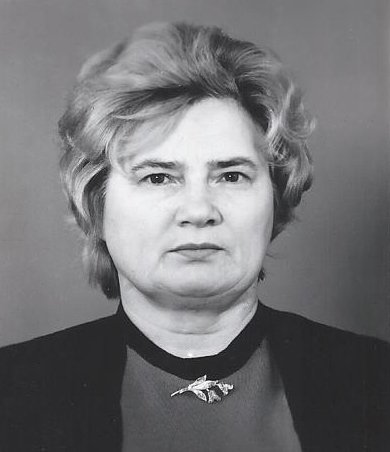
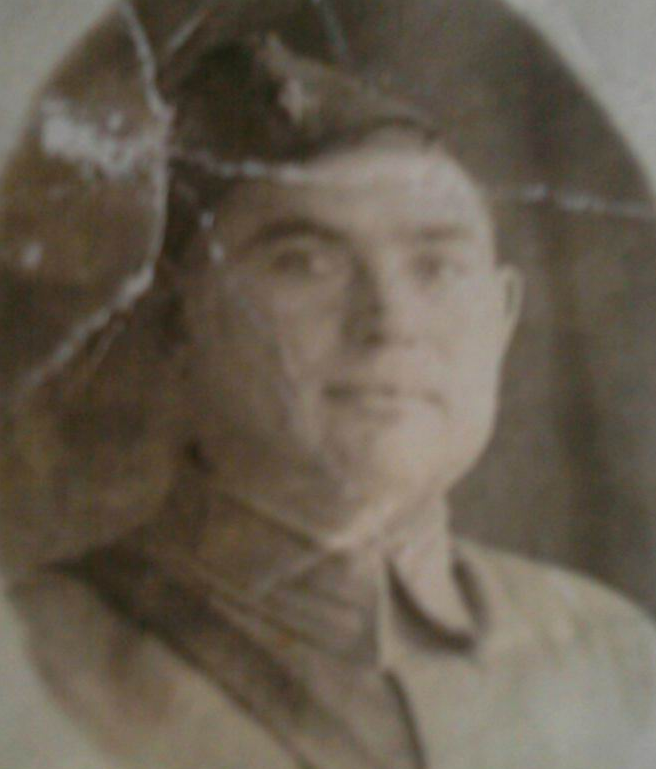
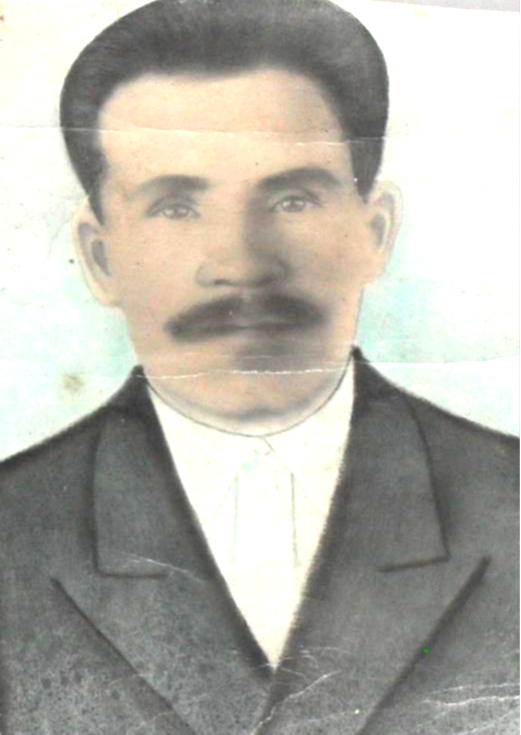
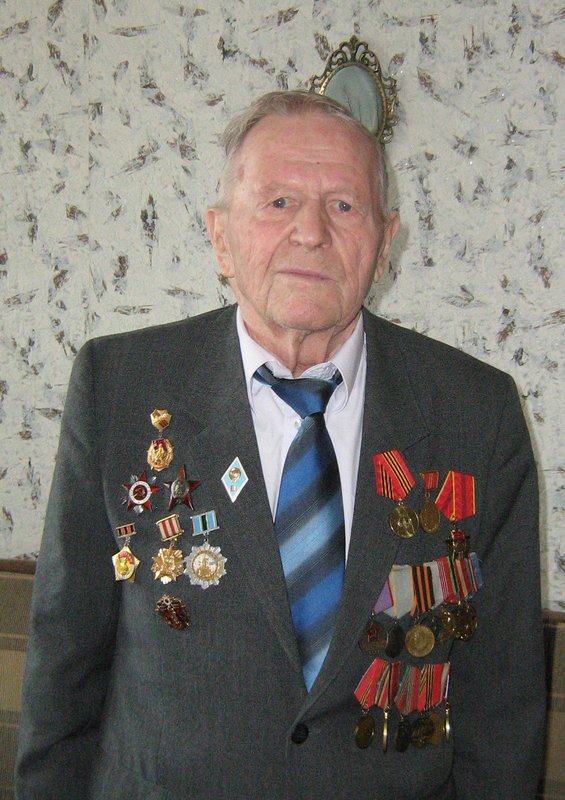
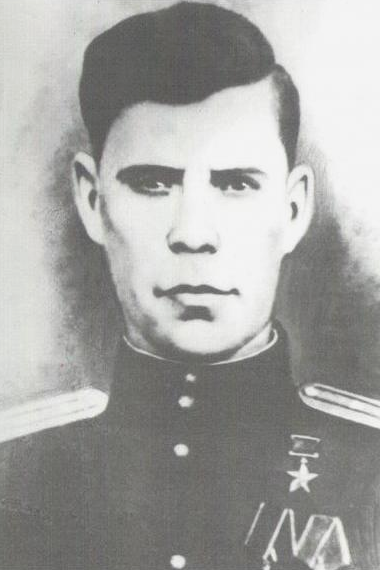
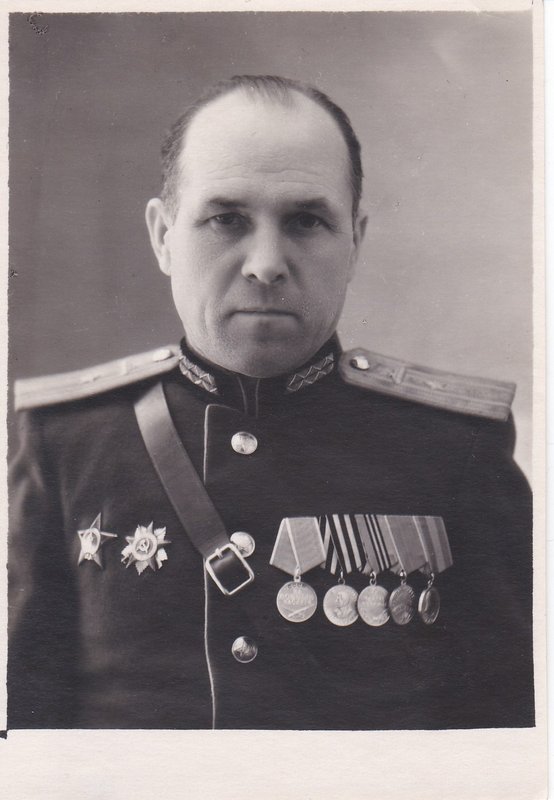
Avdoshin Ivan Stepanovich
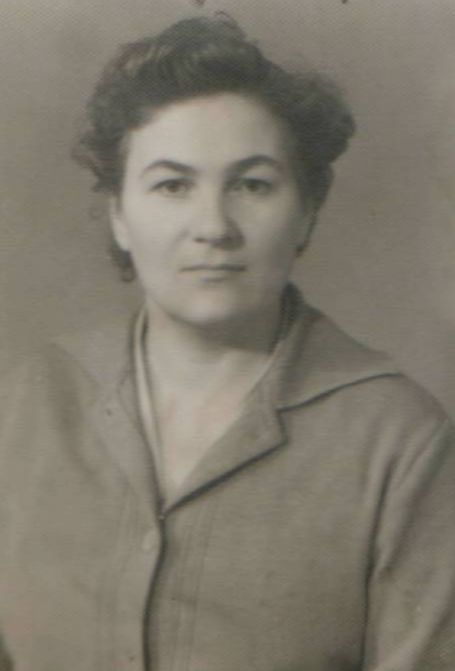
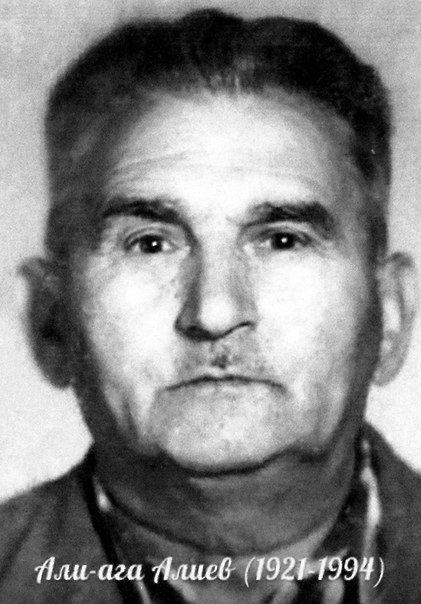
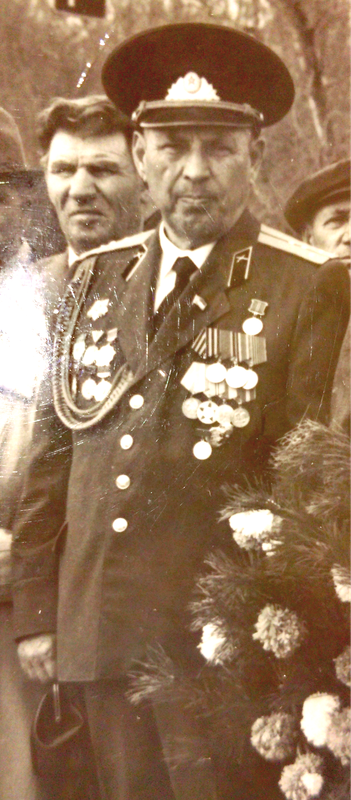
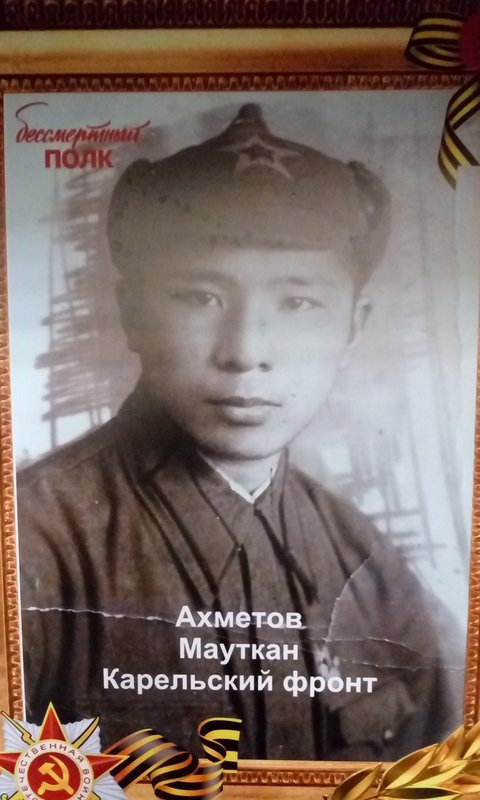
CITY: Krutets village, Saltykovsky district, Saratov region. DATE OF BIRTH: 12.06.1904 DATE OF DEATH: 19.10.1976 HISTORY: Title: Major. Type of troops: Armored and mechanized troops. The combat path of I.S. Avdoshin during the Great Patriotic War. The frontline fate of Ivan Stepanovich was difficult. He went through, literally, the entire war - from the first to the last day! Ivan Stepanovich Avdoshin fought in the tank forces, which means that he had to participate in almost all major military operations of the Great Patriotic War. He left memories of the most striking episodes of his frontline biography, which were used in writing this essay. As you know, trying to take revenge for the defeat at Stalingrad, the German command in April 1943 developed a plan for a large-scale offensive operation, code-named "Citadel". Ivan Stepanovich Avdoshin fought in the 2nd Tank Army under the command of General A.G. Homeland, as part of the forces of the Central Front under the command of K.K. Rokossovsky. The 2nd Panzer Army was moved to the second - the main line of defense. Given the enemy's superiority in tanks, especially heavy tanks, the tankers were ordered to bury their combat vehicles up to the towers in the ground, turn them into steel pillboxes in order to shoot enemy attacking tanks from the spot. To carry out the operation in the area south of Oryol, the Germans concentrated 8 infantry, 6 tank and 1 mechanized divisions, which were part of the 9th German Army of Army Group Center. The main blow of the Nazis was directed at Olkhovatka. Here the enemy concentrated up to 500 tanks, hoping to break the defenses of the Soviet troops with a powerful ram. Early in the morning on July 6, 1943, a compound of the 13th Army and the 2nd Panzer Army launched a counterattack on the enemy grouping. Both sides fought with extraordinary tenacity. Our troops pushed the enemy 1.5-2 km to the north. But after powerful artillery and air preparation, the enemy resumed the offensive on Olkhovatka, bringing in two more tank divisions in a small area. Now almost all the forces of the German shock group, advancing on Kursk from the north, took part in the battle. The fierceness of the battles grew with each passing hour, but the enemy failed to break through our defenses. The 17th Guards Rifle Corps and the 2nd Panzer Army, supported by frontline artillery and aviation, repulsed the onslaught. The perseverance and massive heroism of our soldiers and officers stopped the enemy. For the feat accomplished in the battles on the Kursk Bulge, Ivan Stepanovich Avdoshin received his first Order of the Red Star. From the story of Ivan Stepanovich himself about an episode that happened in the war. After a tank attack, the Germans were driven out of the village. The tankers were in the tank, resting after a hot battle. The Germans made a desperate attempt to counterattack. The machine gunners surrounded the tank in which Ivan Stepanovich was with the crew. There was no way to destroy the enemy from the tank. Then Ivan Stepanovich, opening the hatch, began to shoot the enemy point-blank with a pistol. The tankmen followed him. They repelled the enemy's counterattack, the crew and the tank were saved. On July 12, a turning point came in the Battle of Kursk. On July 15, the Central Front went over to the offensive. From July 16, the fascist German command began to withdraw its troops. The Battle of Kursk, one of the greatest battles of the 2nd World War, lasted 50 days. On August 23, the Battle of Kursk ended. The counter-offensive developed into a strategic offensive on a huge scale from Velikiye Luki to the Black Sea. Together with his fellow soldiers, Ivan Stepanovich moved further westward. On October 30, 1943, the Central Front was renamed the Belorussian Front. In January-February, the troops of the Belorussian Front captured Mozyr, Kalinkovichi, Rogachev, crossed the Dnieper and seized a bridgehead on its opposite bank. In June 1944, Ivan Stepanovich took part in the battles for the liberation of Rogachev. The wooded and swampy terrain around Rogachev prevented the Germans from putting up strong resistance to our troops. The actions of our troops were distinguished by flexibility and maneuverability. They crushed enemy forces and destroyed them in parts, tankers were especially distinguished. The successful offensive of our troops in the Rogachev direction led to the fact that the enemy command began to withdraw troops from the Zhlobin-Rogachev line beyond the Berezina. Ivan Stepanovich received a medal "For Military Merit" for these battles. And in 1974, when the 30th anniversary of the liberation of Rogachev was celebrated, Ivan Stepanovich went to the celebration of this date in the city of Rogachev, met with his fellow soldiers. It was the third concluding period of the Great Patriotic War. The Red Army faced very difficult tasks - to liberate the territory of the USSR from the fascist invaders, to restore the state border, and then to help the peoples of Europe in the fight against fascism and end the war in Berlin.As Ivan Stepanovich recalled, during this period of the war, political workers, to whom he belonged, had to do serious work - psychologically prepare the fighters for the fact that for Soviet soldiers the tests could not be completed by the liberation of their country. Meanwhile, it should be borne in mind that it was difficult for our soldiers to leave behind the destroyed cities and burned villages, where their families remained, and go to Europe, not knowing whether they would return from there from foreign countries alive, whether they would see after long years of war their loved ones. It was necessary to unite this mass of people, raise their offensive spirit, prepare them to overcome the difficulties that will inevitably meet on the long and difficult path of offensive. Each warrior had to realize that the enemy was still strong, and he would desperately resist in order to prevent the Red Army from reaching the western borders. "Daily political information for soldiers, work with new recruits, transferring the experience of experienced soldiers to them, holding meetings, individual conversations, issuing leaflets, memos for soldiers and sergeants - all this was in the field of view of political bodies," Ivan Stepanovich recalled. In this work, he took a direct part, as an agitator of the political department of the first mechanized corps. After the battles for the liberation of Belarus, the 2nd Panzer Army received the title of the Guards. Now the 2nd Guards Tank Army was part of the 1st Belorussian Front, commanded by Marshal G.K. Zhukov. On January 17, 1945, the forces of this front, together with the 1st Polish Army, liberated Warsaw. Ivan Stepanovich Avdoshin took part in the battles for the liberation of Warsaw and was awarded the medal “For the liberation of Warsaw”. Having completed the liberation of Poland, the troops of the 1st Belorussian Front entered the territory of Germany. Moving towards the Oder, the unification of the front by February 3, 1945, completely cleared the right bank of the river from the enemy, crossed it and seized a bridgehead in the Kustrin area. 6 armies, including 2 tank armies, entered the Oder. Meanwhile, in Eastern Pomerania, the enemy had a pre-prepared, heavily fortified defensive line - the Pomeranian Wall, which consisted of several defensive lines, well equipped in engineering terms. The Hitlerite leadership tried to keep Pomerania, as it was the most important economic center. From there, the Germans planned to launch a counteroffensive. Considering the current situation, significant forces were involved in the defeat of the Pomeranian grouping. Going on the offensive, Soviet troops delivered powerful blows to the East Pomeranian group. A huge battle took place, the group was destroyed, Pomerania was completely cleared. For participation in the defeat of the Pomeranian group, Ivan Stepanovich Avdoshin was awarded the Order of the "Patriotic War" of the 1st degree. Further the path went to Berlin. Hitler "hoped" for a miraculous turn in the course of the war, and therefore turned the capital of Germany and the approaches to it into a powerful fortified area. The command assigned the Soviet tankers a serious task - to break through the enemy's defenses. To this end, by mid-April, the forces of the 1st Byelorussian Front were concentrated in the Kustrin area. The offensive began at the end of the night of April 16. The 1st and 2nd Guards Tank Armies made up the striking force. On April 21, troops of the 1st Belorussian Front cut the circuit highway and started fighting for the suburbs. On April 25, 1945, Soviet troops completed the first stage of the Berlin operation - the encirclement of the German group. On April 26, the assault on the German capital began. The troops of the 1st Ukrainian and 1st Belorussian fronts, overcoming fierce enemy resistance step by step, approached the city center. It was already not far to the imperial office in the bunkers of which Hitler was with his entourage. It was not far from the Reichstag. To break the enemy's resistance, it was decided to bomb important targets in Berlin. On April 25, more than two thousand bombers dropped hundreds of bombs. By the end of the day, Soviet soldiers reached the boundaries of the central sector of the city. Tanks entering the streets of Berlin lost one of their main advantages - maneuverability. This made them very vulnerable. On their own, without infantry, they could not fight in the city, but the infantry also needed fire support from tanks. In the defense system of the central sector, the massive buildings of the Reichstag and the Ministry of the Interior stood out, turned into powerful centers of resistance, where the Nazis showed particular cruelty. Ivan Stepanovich Avdoshin on his tank directly participated in the battle for the central sector of the city. The battles for the Reichstag, which began on April 30, were completed only on May 2, the remnants of the Reichstag garrison surrendered. Ivan Stepanovich saw with his own eyes the hoisting of the Red Banner over the dome of the Reichstag, and after the surrender he was photographed with his fellow soldiers against the background of the defeated Reichstag.За разгром Берлинской группировки Иван Степанович Авдошин получил свой второй орден «Красной звезды» и медаль «За взятие Берлина». Судьба хранила Ивана Степановича. За всю войну он был один раз контужен, а вот пулевых и осколочных ранений ему, находившемуся в самом пекле военных событий, удалось избежать. Лишь однажды пуля пробила ватник, прошла по касательной к телу, сделав на коже петлю. Случаются и на войне чудеса. Войну Иван Степанович закончил в Берлине в звании майора. За время боевых действий Иван Степанович Авдошин был награждён двумя орденами «Красной звезды», орденом «Отечественной войны» 1-ой степени, медалями: «За боевые заслуги», «За освобождение Варшавы», «За взятие Берлина», «За победу над Германией».
Avdoshin Ivan Stepanovich
CITY: Krutets village, Saltykovsky district, Saratov region. DATE OF BIRTH: 12.06.1904 DATE OF DEATH: 19.10.1976 HISTORY: Title: Major. Type of troops: Armored and mechanized troops. The combat path of I.S. Avdoshin during the Great Patriotic War. The frontline fate of Ivan Stepanovich was difficult. He went through, literally, the entire war - from the first to the last day! Ivan Stepanovich Avdoshin fought in the tank forces, which means that he had to participate in almost all major military operations of the Great Patriotic War. He left memories of the most striking episodes of his frontline biography, which were used in writing this essay. As you know, trying to take revenge for the defeat at Stalingrad, the German command in April 1943 developed a plan for a large-scale offensive operation, code-named "Citadel". Ivan Stepanovich Avdoshin fought in the 2nd Tank Army under the command of General A.G. Homeland, as part of the forces of the Central Front under the command of K.K. Rokossovsky. The 2nd Panzer Army was moved to the second - the main line of defense. Given the enemy's superiority in tanks, especially heavy tanks, the tankers were ordered to bury their combat vehicles up to the towers in the ground, turn them into steel pillboxes in order to shoot enemy attacking tanks from the spot. To carry out the operation in the area south of Oryol, the Germans concentrated 8 infantry, 6 tank and 1 mechanized divisions, which were part of the 9th German Army of Army Group Center. The main blow of the Nazis was directed at Olkhovatka. Here the enemy concentrated up to 500 tanks, hoping to break the defenses of the Soviet troops with a powerful ram. Early in the morning on July 6, 1943, a compound of the 13th Army and the 2nd Panzer Army launched a counterattack on the enemy grouping. Both sides fought with extraordinary tenacity. Our troops pushed the enemy 1.5-2 km to the north. But after powerful artillery and air preparation, the enemy resumed the offensive on Olkhovatka, bringing in two more tank divisions in a small area. Now almost all the forces of the German shock group, advancing on Kursk from the north, took part in the battle. The fierceness of the battles grew with each passing hour, but the enemy failed to break through our defenses. The 17th Guards Rifle Corps and the 2nd Panzer Army, supported by frontline artillery and aviation, repulsed the onslaught. The perseverance and massive heroism of our soldiers and officers stopped the enemy. For the feat accomplished in the battles on the Kursk Bulge, Ivan Stepanovich Avdoshin received his first Order of the Red Star. From the story of Ivan Stepanovich himself about an episode that happened in the war. After a tank attack, the Germans were driven out of the village. The tankers were in the tank, resting after a hot battle. The Germans made a desperate attempt to counterattack. The machine gunners surrounded the tank in which Ivan Stepanovich was with the crew. There was no way to destroy the enemy from the tank. Then Ivan Stepanovich, opening the hatch, began to shoot the enemy point-blank with a pistol. The tankmen followed him. They repelled the enemy's counterattack, the crew and the tank were saved. On July 12, a turning point came in the Battle of Kursk. On July 15, the Central Front went over to the offensive. From July 16, the fascist German command began to withdraw its troops. The Battle of Kursk, one of the greatest battles of the 2nd World War, lasted 50 days. On August 23, the Battle of Kursk ended. The counter-offensive developed into a strategic offensive on a huge scale from Velikiye Luki to the Black Sea. Together with his fellow soldiers, Ivan Stepanovich moved further westward. On October 30, 1943, the Central Front was renamed the Belorussian Front. In January-February, the troops of the Belorussian Front captured Mozyr, Kalinkovichi, Rogachev, crossed the Dnieper and seized a bridgehead on its opposite bank. In June 1944, Ivan Stepanovich took part in the battles for the liberation of Rogachev. The wooded and swampy terrain around Rogachev prevented the Germans from putting up strong resistance to our troops. The actions of our troops were distinguished by flexibility and maneuverability. They crushed enemy forces and destroyed them in parts, tankers were especially distinguished. The successful offensive of our troops in the Rogachev direction led to the fact that the enemy command began to withdraw troops from the Zhlobin-Rogachev line beyond the Berezina. Ivan Stepanovich received a medal "For Military Merit" for these battles. And in 1974, when the 30th anniversary of the liberation of Rogachev was celebrated, Ivan Stepanovich went to the celebration of this date in the city of Rogachev, met with his fellow soldiers. It was the third concluding period of the Great Patriotic War. The Red Army faced very difficult tasks - to liberate the territory of the USSR from the fascist invaders, to restore the state border, and then to help the peoples of Europe in the fight against fascism and end the war in Berlin.As Ivan Stepanovich recalled, during this period of the war, political workers, to whom he belonged, had to do serious work - psychologically prepare the fighters for the fact that for Soviet soldiers the tests could not be completed by the liberation of their country. Meanwhile, it should be borne in mind that it was difficult for our soldiers to leave behind the destroyed cities and burned villages, where their families remained, and go to Europe, not knowing whether they would return from there from foreign countries alive, whether they would see after long years of war their loved ones. It was necessary to unite this mass of people, raise their offensive spirit, prepare them to overcome the difficulties that will inevitably meet on the long and difficult path of offensive. Each warrior had to realize that the enemy was still strong, and he would desperately resist in order to prevent the Red Army from reaching the western borders. "Daily political information for soldiers, work with new recruits, transferring the experience of experienced soldiers to them, holding meetings, individual conversations, issuing leaflets, memos for soldiers and sergeants - all this was in the field of view of political bodies," Ivan Stepanovich recalled. In this work, he took a direct part, as an agitator of the political department of the first mechanized corps. After the battles for the liberation of Belarus, the 2nd Panzer Army received the title of the Guards. Now the 2nd Guards Tank Army was part of the 1st Belorussian Front, commanded by Marshal G.K. Zhukov. On January 17, 1945, the forces of this front, together with the 1st Polish Army, liberated Warsaw. Ivan Stepanovich Avdoshin took part in the battles for the liberation of Warsaw and was awarded the medal “For the liberation of Warsaw”. Having completed the liberation of Poland, the troops of the 1st Belorussian Front entered the territory of Germany. Moving towards the Oder, the unification of the front by February 3, 1945, completely cleared the right bank of the river from the enemy, crossed it and seized a bridgehead in the Kustrin area. 6 armies, including 2 tank armies, entered the Oder. Meanwhile, in Eastern Pomerania, the enemy had a pre-prepared, heavily fortified defensive line - the Pomeranian Wall, which consisted of several defensive lines, well equipped in engineering terms. The Hitlerite leadership tried to keep Pomerania, as it was the most important economic center. From there, the Germans planned to launch a counteroffensive. Considering the current situation, significant forces were involved in the defeat of the Pomeranian grouping. Going on the offensive, Soviet troops delivered powerful blows to the East Pomeranian group. A huge battle took place, the group was destroyed, Pomerania was completely cleared. For participation in the defeat of the Pomeranian group, Ivan Stepanovich Avdoshin was awarded the Order of the "Patriotic War" of the 1st degree. Further the path went to Berlin. Hitler "hoped" for a miraculous turn in the course of the war, and therefore turned the capital of Germany and the approaches to it into a powerful fortified area. The command assigned the Soviet tankers a serious task - to break through the enemy's defenses. To this end, by mid-April, the forces of the 1st Byelorussian Front were concentrated in the Kustrin area. The offensive began at the end of the night of April 16. The 1st and 2nd Guards Tank Armies made up the striking force. On April 21, troops of the 1st Belorussian Front cut the circuit highway and started fighting for the suburbs. On April 25, 1945, Soviet troops completed the first stage of the Berlin operation - the encirclement of the German group. On April 26, the assault on the German capital began. The troops of the 1st Ukrainian and 1st Belorussian fronts, overcoming fierce enemy resistance step by step, approached the city center. It was already not far to the imperial office in the bunkers of which Hitler was with his entourage. It was not far from the Reichstag. To break the enemy's resistance, it was decided to bomb important targets in Berlin. On April 25, more than two thousand bombers dropped hundreds of bombs. By the end of the day, Soviet soldiers reached the boundaries of the central sector of the city. Tanks entering the streets of Berlin lost one of their main advantages - maneuverability. This made them very vulnerable. On their own, without infantry, they could not fight in the city, but the infantry also needed fire support from tanks. In the defense system of the central sector, the massive buildings of the Reichstag and the Ministry of the Interior stood out, turned into powerful centers of resistance, where the Nazis showed particular cruelty. Ivan Stepanovich Avdoshin on his tank directly participated in the battle for the central sector of the city. The battles for the Reichstag, which began on April 30, were completed only on May 2, the remnants of the Reichstag garrison surrendered. Ivan Stepanovich saw with his own eyes the hoisting of the Red Banner over the dome of the Reichstag, and after the surrender he was photographed with his fellow soldiers against the background of the defeated Reichstag.За разгром Берлинской группировки Иван Степанович Авдошин получил свой второй орден «Красной звезды» и медаль «За взятие Берлина». Судьба хранила Ивана Степановича. За всю войну он был один раз контужен, а вот пулевых и осколочных ранений ему, находившемуся в самом пекле военных событий, удалось избежать. Лишь однажды пуля пробила ватник, прошла по касательной к телу, сделав на коже петлю. Случаются и на войне чудеса. Войну Иван Степанович закончил в Берлине в звании майора. За время боевых действий Иван Степанович Авдошин был награждён двумя орденами «Красной звезды», орденом «Отечественной войны» 1-ой степени, медалями: «За боевые заслуги», «За освобождение Варшавы», «За взятие Берлина», «За победу над Германией».
0 comment



2026 © Russian Military Historical Society Developed by Jetmix