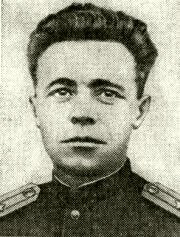
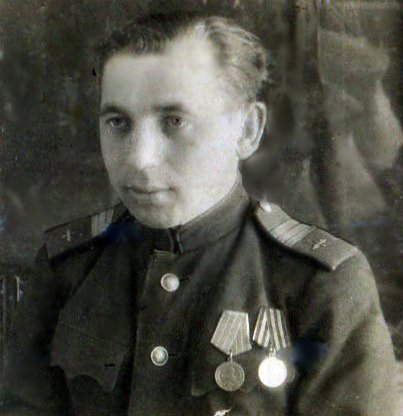
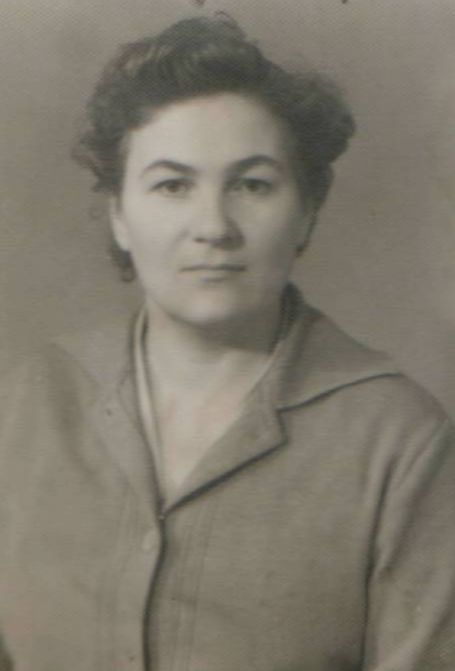
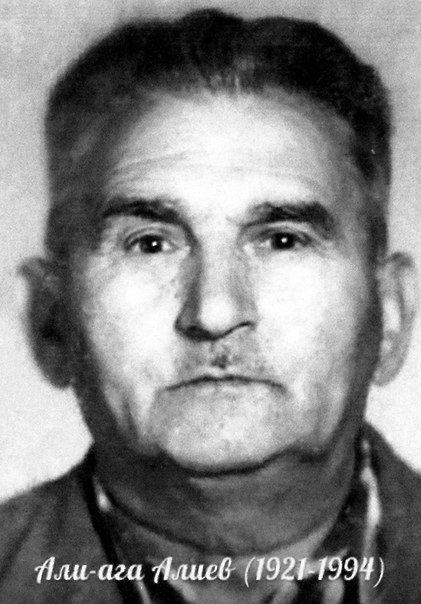
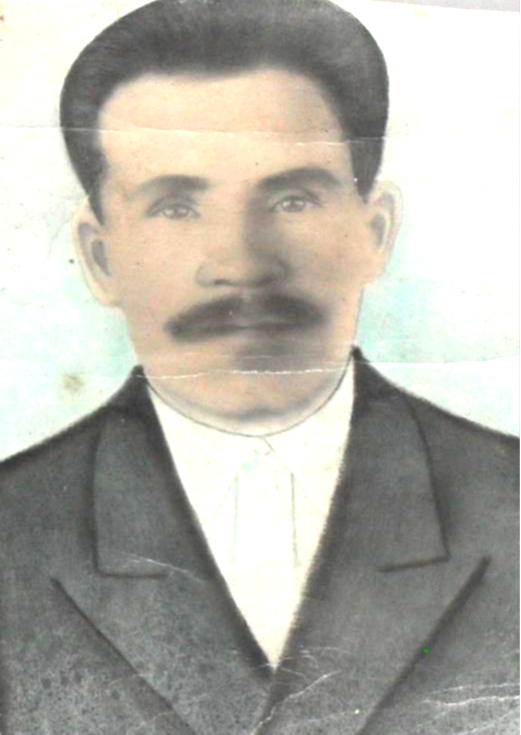
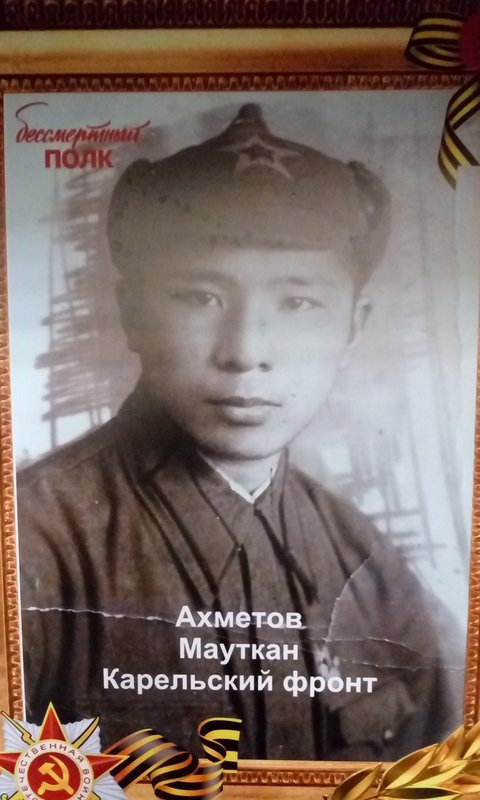
Akhmetov Mautkan
CITY: Semipalatinsk region Zharma district, aul Akpeit DATE OF BIRTH: 01.01.1920 DATE OF DEATH: 27.02.1987 HISTORY: Title: Junior Sergeant. Branch of the service: Ground Forces, Air Force (except naval aviation), coastal service, NKVD troops, border troops. Division: 111th Infantry Division (1st Formation). I was born in 1920 in the Akbeit village of Zharma district of Semipalatinsk region, father of Zhunusov Akhmet of the Kerey clan, Akymbet Kerey, mother of Zhunusov Rakhima Tumabaevna born in 1892, clan Tobykty Torgai, Argyn, Middle Zhuz. He married in August 1939 to Bibizhan Zhunusovna Kunanbaeva, born in 1920, of the Naiman, Bura, Zhanygul family. Together with his wife he studied at the Semipalatinsk Pedagogical School. In October 1940, from my second year, I was drafted into the ranks of the Red Army. He served in the 532th rifle regiment, studied at the regimental school, which trains junior commanders. The regiment was stationed in the city of Cherepovets, Vologda Oblast. In the summer of 1941, the regiment was in a camp near the Kushchuba half-station. There, the commander of the Arkhangelsk Military District, Lieutenant General V.Ya. Kachalov. accepted the parade and inspected the troops. On June 22, 1941, fascist Germany treacherously attacked our homeland. Our 111th Infantry Division was loaded into echelons and sent to the West. Enemy aviation then dominated the air, our echelon was heavily bombed. We reached the town of Maloyaroslavets, stood there for a day, then the train turned back. We arrived in the city of Vologda. We, the cadets of the regimental and divisional school, were left, and the division was sent to the Smolensk direction. A new division was formed from the mobilized. We became junior commanders (I am junior sergeant). Our division was sent to the North. For about a month and a half we studied there and trained the mobilized. In September, one battalion was taken away and loaded onto a steamer. We arrived in the city of Belomorsk, our battalion guarded the headquarters of the Karelian Front. The Karel Front is an operational formation of the Red Army of the Armed Forces of the USSR during the Great Patriotic War. It existed from August 1941 to November 1944. In August - September 1941, the front's troops stopped the enemy, who was making attempts to seize the Arctic, and forced him to go on the defensive. From September 1941 to June 1944, the troops of the front held defense along the line: the Zapadnaya Litsa river (60 kilometers from Murmansk), Ukhta, Povenets, Lake Onega, the Svir river. Private operations were carried out periodically (Medvezhyegorskaya offensive operation). For more details see Defense of the Arctic. In the second half of 1944 (July - August), the front forces, with the support of the Ladoga and Onega military flotillas, carried out the Svir-Petrozavodsk operation, in September - the pursuit of the enemy in the Kandalaksha and Kesteng directions, in October, with the support of the Northern Fleet - the Petsamo-Kirkenes operation. As a result, the state border with Finland and Norway was restored in the northwest of the USSR. On November 15, 1944, after Finland's withdrawal from World War II, the front was disbanded. He was in the protection of the front headquarters for more than two years. We repeatedly asked to go to the front line, but we were told: "This is also a front, and besides, the headquarters." Not only me, all my comrades haunted the command, and, in the end, got their way. We were sent to the regiment, where the mobilized are trained, and the trained are sent to the front line to replenish units. For more than a year he trained the mobilized. Many Tatars, Kyrgyz, Uzbeks, Tajiks, Kazakhs, natives of the Central Asian republics got into our regiment. They did not know Russian well, and some did not know at all. Some of the mobilized did not distinguish between words: right, left. At the command, they turned in the opposite direction, and some stood, not knowing what to do. My pedagogical training came in handy here. The language of the Central Asian peoples is similar. I explained to them in my native language the meaning of the words to the right, which means it is necessary to turn to the right side (hand), etc. The command praised me for the fact that I brought the most stupid to the good soldiers. One Kyrgyz wanted to understand nothing. I told him about Manas Batyr, the legendary hero of the Kirghiz. I asked him if you really have a single drop of national pride. You are considered to be feeble-minded here and, at the same time, the entire Kyrgyz people are stupid Asians. In February 1944, he was admitted to the CPSU (b) by the Political Administration of the active 22nd Army. Participated in offensive battles in the area of the newly fortified, improved Mannerheim lines with long-term firing points, impassable swamps. Our separate 31st Petrozavodsk Red Banner Marine Corps battalion distinguished itself in June 1944 during the Svir-Petrozavodsk operation. 06/26/1944, the battalion in full force concentrated in the landing area, 06/27/1944 at 18 o'clock the battalion, having a combat mission to land south of Petrozavodsk, in the Uiskaya Bay, went on warships and flotilla transports to Lake Onega, on the morning of 06/28/1944 at 07 : 00 landed near the Uiskaya Bay.From there, partly by ships, partly by march, the battalion units went to Petrozavodsk and were the first to enter there at 11:30. In the evening of the same day, the submachine gunners of the battalion were transferred to Petrozavodsk, on the night of 06/29/1944 artillery arrived, and in the morning of 06/29/1944 paratroopers arrived from Uiskaya Bay, moving on foot. The battalion commander, Captain I.S.Molchanov, was appointed the military commandant of the city. The battalion was in the city until 07/08/1944, after which it withdrew from its positions and was again sent to the front line. Our separate 31st Petrozavodsk Red Banner Marine Corps Battalion was sent to rescue a separate naval brigade, which was surrounded. In that battle, I was wounded in the left forearm. In addition, the enemy opened heavy mortar fire from large-caliber machine guns. Later I learned that the company commander, Comrade Chistyakov, had been killed in this mortar attack. Many of my comrades died in that battle, including my friend Aitkazy Altynbaev from Ulanskiy (Kokpekty) region. And yet Finland was forced to surrender. I met Victory Day in a hospital in Moscow. Demobilized from the Army on November 7, 1945. After the war, he participated in the raising of virgin lands in his native land, the wife of Kunanbaev Bibizhan Zhunusovna worked for 25 years as a teacher and director of an elementary school in the village of Akpeit, raised seven children with her. The eldest son Bekmukhamet is a reserve officer of the Rocket Forces, the second son of Merekeli served in a tank division in the Far East as a crew commander, the third son, Meiramkhan, served in an air unit in Leningrad. The eldest daughter Aytzhan is a reserve nurse, graduated from the N. Krupskaya Semipalatinsk Pedagogical Institute, a future mathematician. Three more daughters Madina, Bibigul and Meruert study only excellently. I'm not complaining about life. May 1975. The village of Novo-Bazhenovo, Zhanasemeysky district, Semipalatinsk region.
Akhmetov Mautkan
CITY: Semipalatinsk region Zharma district, aul Akpeit DATE OF BIRTH: 01.01.1920 DATE OF DEATH: 27.02.1987 HISTORY: Title: Junior Sergeant. Branch of the service: Ground Forces, Air Force (except naval aviation), coastal service, NKVD troops, border troops. Division: 111th Infantry Division (1st Formation). I was born in 1920 in the Akbeit village of Zharma district of Semipalatinsk region, father of Zhunusov Akhmet of the Kerey clan, Akymbet Kerey, mother of Zhunusov Rakhima Tumabaevna born in 1892, clan Tobykty Torgai, Argyn, Middle Zhuz. He married in August 1939 to Bibizhan Zhunusovna Kunanbaeva, born in 1920, of the Naiman, Bura, Zhanygul family. Together with his wife he studied at the Semipalatinsk Pedagogical School. In October 1940, from my second year, I was drafted into the ranks of the Red Army. He served in the 532th rifle regiment, studied at the regimental school, which trains junior commanders. The regiment was stationed in the city of Cherepovets, Vologda Oblast. In the summer of 1941, the regiment was in a camp near the Kushchuba half-station. There, the commander of the Arkhangelsk Military District, Lieutenant General V.Ya. Kachalov. accepted the parade and inspected the troops. On June 22, 1941, fascist Germany treacherously attacked our homeland. Our 111th Infantry Division was loaded into echelons and sent to the West. Enemy aviation then dominated the air, our echelon was heavily bombed. We reached the town of Maloyaroslavets, stood there for a day, then the train turned back. We arrived in the city of Vologda. We, the cadets of the regimental and divisional school, were left, and the division was sent to the Smolensk direction. A new division was formed from the mobilized. We became junior commanders (I am junior sergeant). Our division was sent to the North. For about a month and a half we studied there and trained the mobilized. In September, one battalion was taken away and loaded onto a steamer. We arrived in the city of Belomorsk, our battalion guarded the headquarters of the Karelian Front. The Karel Front is an operational formation of the Red Army of the Armed Forces of the USSR during the Great Patriotic War. It existed from August 1941 to November 1944. In August - September 1941, the front's troops stopped the enemy, who was making attempts to seize the Arctic, and forced him to go on the defensive. From September 1941 to June 1944, the troops of the front held defense along the line: the Zapadnaya Litsa river (60 kilometers from Murmansk), Ukhta, Povenets, Lake Onega, the Svir river. Private operations were carried out periodically (Medvezhyegorskaya offensive operation). For more details see Defense of the Arctic. In the second half of 1944 (July - August), the front forces, with the support of the Ladoga and Onega military flotillas, carried out the Svir-Petrozavodsk operation, in September - the pursuit of the enemy in the Kandalaksha and Kesteng directions, in October, with the support of the Northern Fleet - the Petsamo-Kirkenes operation. As a result, the state border with Finland and Norway was restored in the northwest of the USSR. On November 15, 1944, after Finland's withdrawal from World War II, the front was disbanded. He was in the protection of the front headquarters for more than two years. We repeatedly asked to go to the front line, but we were told: "This is also a front, and besides, the headquarters." Not only me, all my comrades haunted the command, and, in the end, got their way. We were sent to the regiment, where the mobilized are trained, and the trained are sent to the front line to replenish units. For more than a year he trained the mobilized. Many Tatars, Kyrgyz, Uzbeks, Tajiks, Kazakhs, natives of the Central Asian republics got into our regiment. They did not know Russian well, and some did not know at all. Some of the mobilized did not distinguish between words: right, left. At the command, they turned in the opposite direction, and some stood, not knowing what to do. My pedagogical training came in handy here. The language of the Central Asian peoples is similar. I explained to them in my native language the meaning of the words to the right, which means it is necessary to turn to the right side (hand), etc. The command praised me for the fact that I brought the most stupid to the good soldiers. One Kyrgyz wanted to understand nothing. I told him about Manas Batyr, the legendary hero of the Kirghiz. I asked him if you really have a single drop of national pride. You are considered to be feeble-minded here and, at the same time, the entire Kyrgyz people are stupid Asians. In February 1944, he was admitted to the CPSU (b) by the Political Administration of the active 22nd Army. Participated in offensive battles in the area of the newly fortified, improved Mannerheim lines with long-term firing points, impassable swamps. Our separate 31st Petrozavodsk Red Banner Marine Corps battalion distinguished itself in June 1944 during the Svir-Petrozavodsk operation. 06/26/1944, the battalion in full force concentrated in the landing area, 06/27/1944 at 18 o'clock the battalion, having a combat mission to land south of Petrozavodsk, in the Uiskaya Bay, went on warships and flotilla transports to Lake Onega, on the morning of 06/28/1944 at 07 : 00 landed near the Uiskaya Bay.From there, partly by ships, partly by march, the battalion units went to Petrozavodsk and were the first to enter there at 11:30. In the evening of the same day, the submachine gunners of the battalion were transferred to Petrozavodsk, on the night of 06/29/1944 artillery arrived, and in the morning of 06/29/1944 paratroopers arrived from Uiskaya Bay, moving on foot. The battalion commander, Captain I.S.Molchanov, was appointed the military commandant of the city. The battalion was in the city until 07/08/1944, after which it withdrew from its positions and was again sent to the front line. Our separate 31st Petrozavodsk Red Banner Marine Corps Battalion was sent to rescue a separate naval brigade, which was surrounded. In that battle, I was wounded in the left forearm. In addition, the enemy opened heavy mortar fire from large-caliber machine guns. Later I learned that the company commander, Comrade Chistyakov, had been killed in this mortar attack. Many of my comrades died in that battle, including my friend Aitkazy Altynbaev from Ulanskiy (Kokpekty) region. And yet Finland was forced to surrender. I met Victory Day in a hospital in Moscow. Demobilized from the Army on November 7, 1945. After the war, he participated in the raising of virgin lands in his native land, the wife of Kunanbaev Bibizhan Zhunusovna worked for 25 years as a teacher and director of an elementary school in the village of Akpeit, raised seven children with her. The eldest son Bekmukhamet is a reserve officer of the Rocket Forces, the second son of Merekeli served in a tank division in the Far East as a crew commander, the third son, Meiramkhan, served in an air unit in Leningrad. The eldest daughter Aytzhan is a reserve nurse, graduated from the N. Krupskaya Semipalatinsk Pedagogical Institute, a future mathematician. Three more daughters Madina, Bibigul and Meruert study only excellently. I'm not complaining about life. May 1975. The village of Novo-Bazhenovo, Zhanasemeysky district, Semipalatinsk region.
0 comment




2026 © Russian Military Historical Society Developed by Jetmix