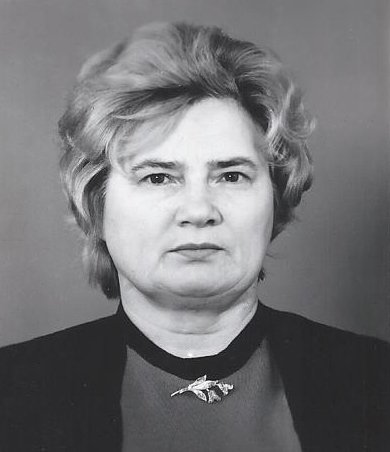
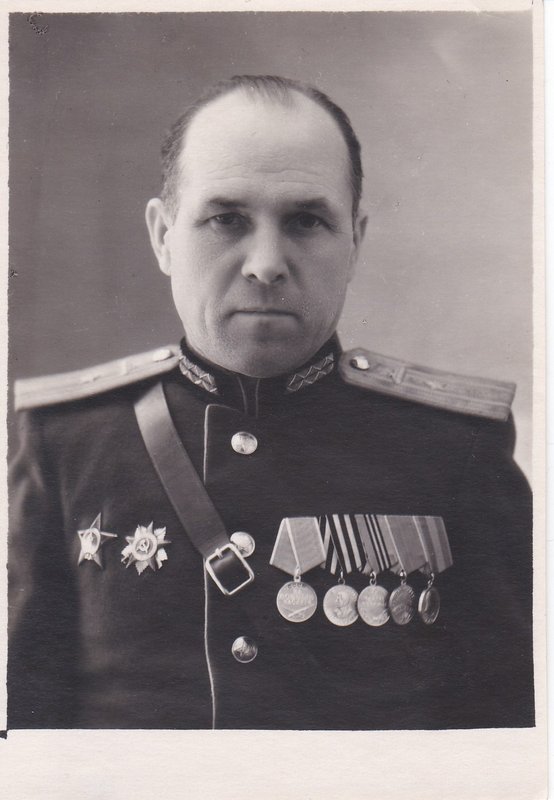
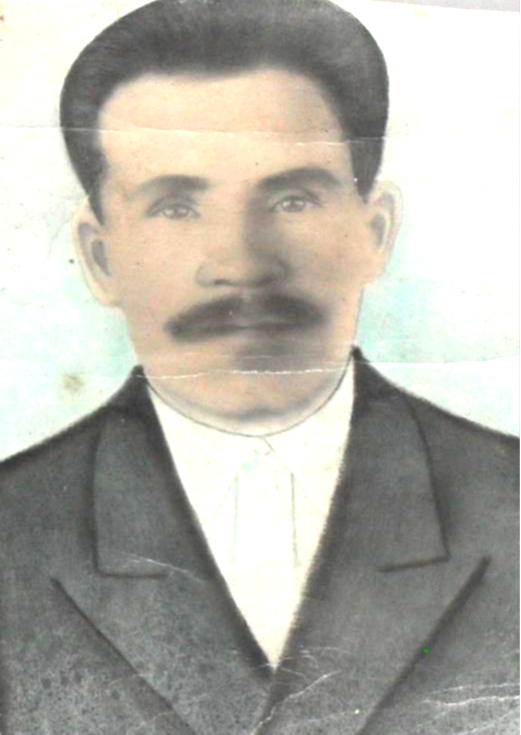
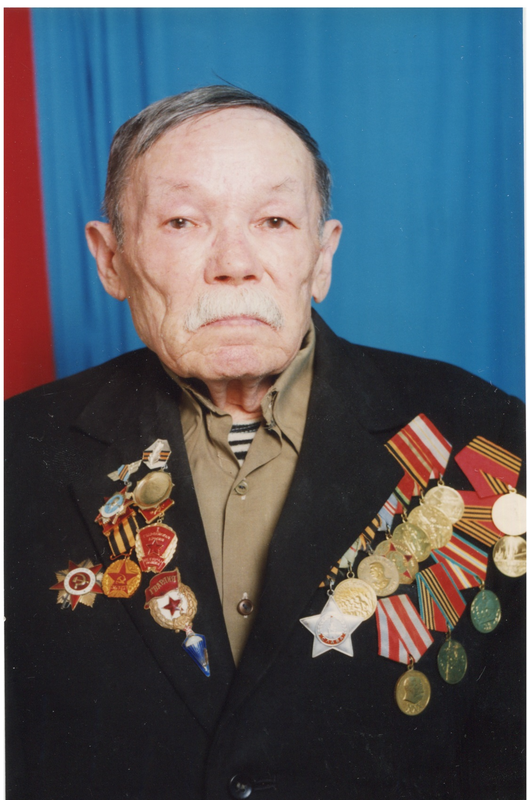
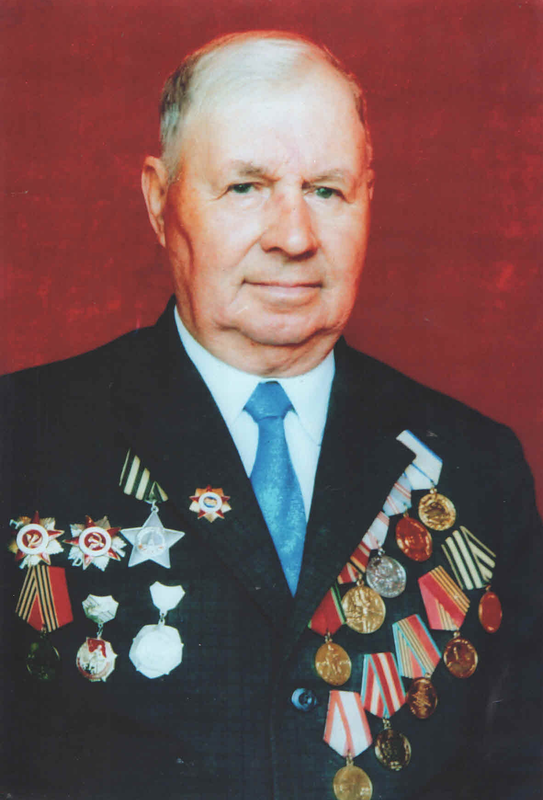
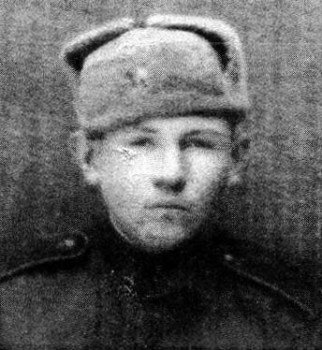
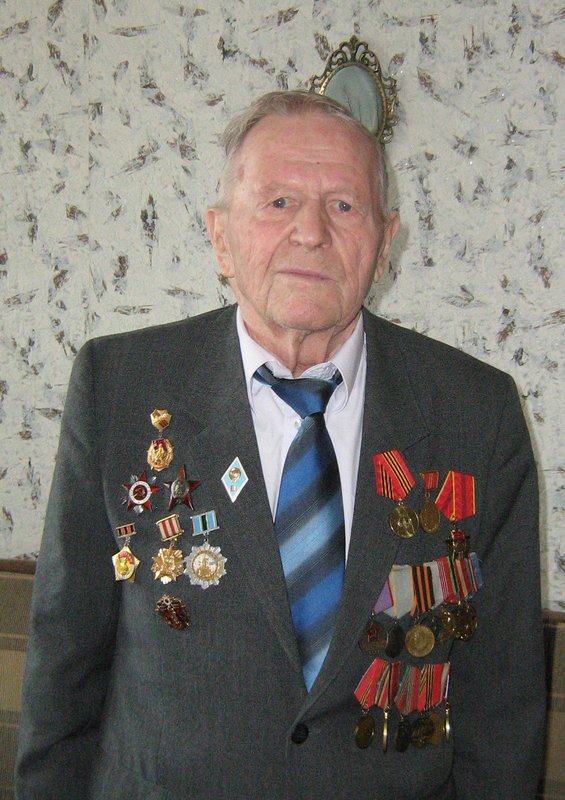
Abrosin Nikolay Dmitrievich
CITY: Mozhaiskoye village, Novooskolsky district, Belgorod region DATE OF BIRTH: 05/07/1922 DATE OF DEATH: 03/15/2012 HISTORY: Title: Senior sergeant Type of troops: Signal troops Subdivision: 37th rifle division (2 formations) From the Autobiography. On June 24, 1941 he was drafted into the Red Army. However, we only reached Kastornaya, and our team was returned. They say that we were supposed to be sent to one of the schools, but the war confused all plans. He returned and continued to work at the regional hospital in Velikomikhailovsky. There was mobilization, German planes flew by. On October 4, 1941, I was again called up and sent to the Voronezh School of Radio Specialists. The front was approaching. On October 2, the Germans occupied Kursk. The school was evacuated inland and sent on October 28. We moved on foot in the Voronezh, Tambov and Saratov regions. We walked through the crops of beets, sunflowers, corn, through arable land to the Rtishchevo station. And we ended up in Novosibirsk. It didn't take long to study. At the end of February 1942 they finished their studies and in March they were already on the Karelian front. I got into the 20th Red Banner Regiment of the People's Commissariat of Internal Affairs as a radio operator, but soon the regiment was transformed into the 20th Infantry Regiment of the 37th Infantry Division. They took up defense at the eighth lock of the Belomor-Baltic Canal, in the Maselskaya - Povenets section. Conditions are harsh: forests, snow, mosquitoes in summer. The regiment almost did not conduct active operations. Rotting in the swamp. In January 1943 he joined the party. In March 1943, the division was transferred to keep the 16th German army "in a sack" on the North-Western Front ("Demyansky Cauldron"). They held them in good faith, and fought bypassed the entire "cauldron". They fought especially fiercely near Staraya Russa. Here I received the first medal "For Military Merit". Then there were battles in the Nevel-Novosokolniki area. Particularly fierce battles took place near the village of Nikitino. The Germans occupied our trenches. They threw grenades through the window into the company dugout in which our radio station was located. There were many killed and wounded. My partner Franz Kaminsky and I were lucky, we got off with a light concussion. For this fight I received the Order of the Red Star. March 1944. Heavy fighting north of Wasteland. He was wounded in the head. April-May - battles for the expansion of the bridgehead across the Velikaya River, seven kilometers from the Pushkin Mountains. Then march under Idritsa. Next is the 2nd Baltic Front. At Sebezh they crossed the Latvian border. July-August 1944: battles for Vilany, Madona, Ludza and Rezekne, crossing of the Aiviekste river. They fought towards Riga. On October 13, 1944 Riga was liberated from the Germans. Thanks were announced by Stalin's order. Then the battles to liquidate the Kurland group of Germans. Together with everyone he endured all the hardships of trench life: freezing, soaking, starving. Always in mortal danger - shelling, bombing. As a result, in January 1945 he ended up in the hospital, where he stayed until May 7, 1945. After being discharged, he was left in the hospital as treasurer, after the disbanding of the hospital, he was sent to the military registration and enlistment office and on October 1, 1945, he was demobilized (limited fit for military service). Recognized as a disabled war invalid of the second group. In 1942 he was appointed deputy political instructor of the communications company and was awarded the appropriate rank. In 1943 he was awarded the rank of senior sergeant. He was a radio operator, head of a radio station, provided radio communication between the regiment commander and the division commander (Krasikov - Gusarov). I consider myself lucky. Throughout the war he was in the same communications company. We have formed a front-line family: demanding, intelligent and kind commanders, dear comrades. Representatives of many nationalities served in the company, but no one noticed this. We did one common cause - we defended our common home, our Fatherland, we fought. After the war, we met with front-line friends in Latvia, then Soviet. It was a joyful and unforgettable meeting. Many of our friends are no longer alive, and there is no great power, which we defended from the Nazis. Letters and photographs keep the memory of comrades.
Abrosin Nikolay Dmitrievich
CITY: Mozhaiskoye village, Novooskolsky district, Belgorod region DATE OF BIRTH: 05/07/1922 DATE OF DEATH: 03/15/2012 HISTORY: Title: Senior sergeant Type of troops: Signal troops Subdivision: 37th rifle division (2 formations) From the Autobiography. On June 24, 1941 he was drafted into the Red Army. However, we only reached Kastornaya, and our team was returned. They say that we were supposed to be sent to one of the schools, but the war confused all plans. He returned and continued to work at the regional hospital in Velikomikhailovsky. There was mobilization, German planes flew by. On October 4, 1941, I was again called up and sent to the Voronezh School of Radio Specialists. The front was approaching. On October 2, the Germans occupied Kursk. The school was evacuated inland and sent on October 28. We moved on foot in the Voronezh, Tambov and Saratov regions. We walked through the crops of beets, sunflowers, corn, through arable land to the Rtishchevo station. And we ended up in Novosibirsk. It didn't take long to study. At the end of February 1942 they finished their studies and in March they were already on the Karelian front. I got into the 20th Red Banner Regiment of the People's Commissariat of Internal Affairs as a radio operator, but soon the regiment was transformed into the 20th Infantry Regiment of the 37th Infantry Division. They took up defense at the eighth lock of the Belomor-Baltic Canal, in the Maselskaya - Povenets section. Conditions are harsh: forests, snow, mosquitoes in summer. The regiment almost did not conduct active operations. Rotting in the swamp. In January 1943 he joined the party. In March 1943, the division was transferred to keep the 16th German army "in a sack" on the North-Western Front ("Demyansky Cauldron"). They held them in good faith, and fought bypassed the entire "cauldron". They fought especially fiercely near Staraya Russa. Here I received the first medal "For Military Merit". Then there were battles in the Nevel-Novosokolniki area. Particularly fierce battles took place near the village of Nikitino. The Germans occupied our trenches. They threw grenades through the window into the company dugout in which our radio station was located. There were many killed and wounded. My partner Franz Kaminsky and I were lucky, we got off with a light concussion. For this fight I received the Order of the Red Star. March 1944. Heavy fighting north of Wasteland. He was wounded in the head. April-May - battles for the expansion of the bridgehead across the Velikaya River, seven kilometers from the Pushkin Mountains. Then march under Idritsa. Next is the 2nd Baltic Front. At Sebezh they crossed the Latvian border. July-August 1944: battles for Vilany, Madona, Ludza and Rezekne, crossing of the Aiviekste river. They fought towards Riga. On October 13, 1944 Riga was liberated from the Germans. Thanks were announced by Stalin's order. Then the battles to liquidate the Kurland group of Germans. Together with everyone he endured all the hardships of trench life: freezing, soaking, starving. Always in mortal danger - shelling, bombing. As a result, in January 1945 he ended up in the hospital, where he stayed until May 7, 1945. After being discharged, he was left in the hospital as treasurer, after the disbanding of the hospital, he was sent to the military registration and enlistment office and on October 1, 1945, he was demobilized (limited fit for military service). Recognized as a disabled war invalid of the second group. In 1942 he was appointed deputy political instructor of the communications company and was awarded the appropriate rank. In 1943 he was awarded the rank of senior sergeant. He was a radio operator, head of a radio station, provided radio communication between the regiment commander and the division commander (Krasikov - Gusarov). I consider myself lucky. Throughout the war he was in the same communications company. We have formed a front-line family: demanding, intelligent and kind commanders, dear comrades. Representatives of many nationalities served in the company, but no one noticed this. We did one common cause - we defended our common home, our Fatherland, we fought. After the war, we met with front-line friends in Latvia, then Soviet. It was a joyful and unforgettable meeting. Many of our friends are no longer alive, and there is no great power, which we defended from the Nazis. Letters and photographs keep the memory of comrades.
0 comment



2026 © Russian Military Historical Society Developed by Jetmix