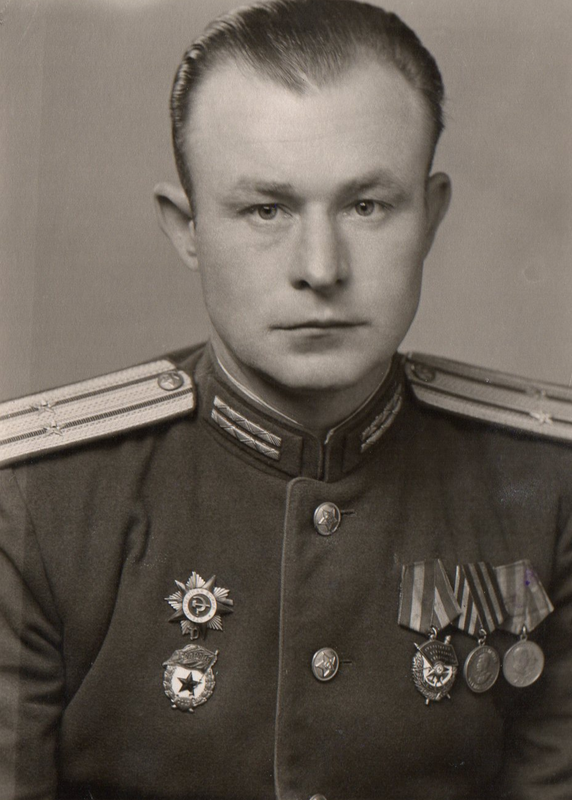
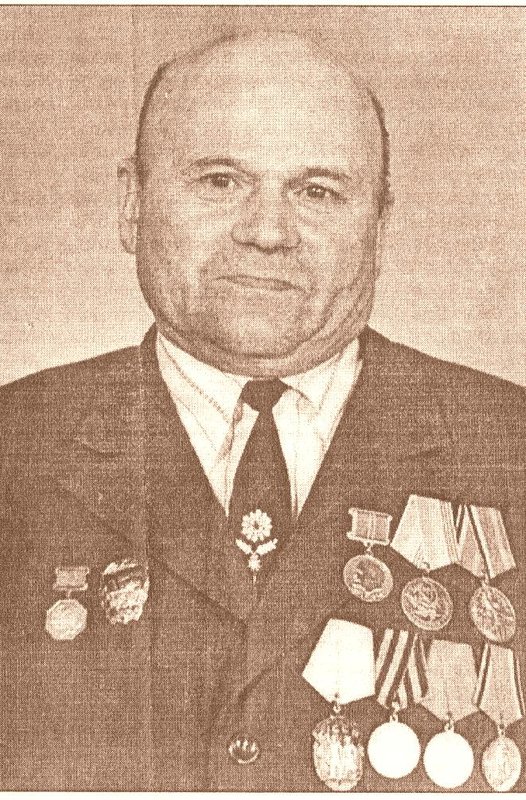




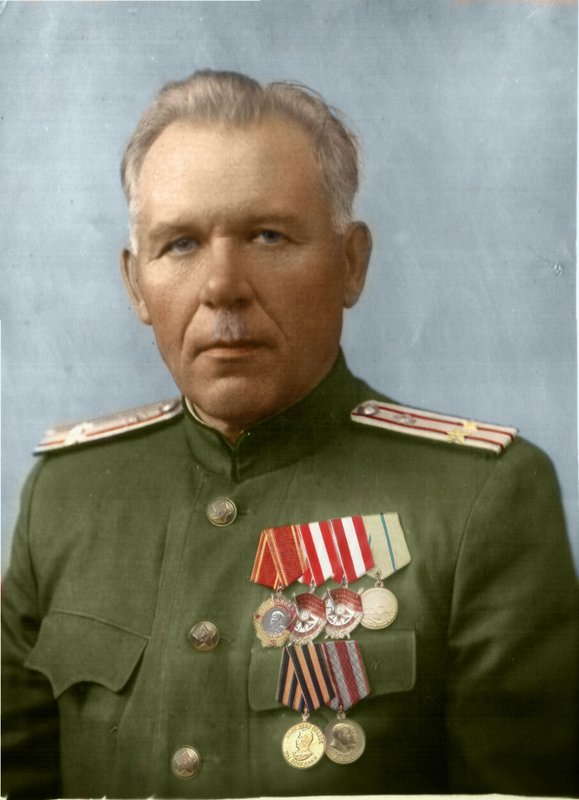
Erofeev Ivan Efimovich
Title: Military doctor of the 1st rank .Type of troops: Military medical personnel Subdivision: 311th Infantry Dvina Red Banner Order of the Suvorov Division Erofeev Ivan Efimovich was born in the village of Elshanka, Syzran district of Simbirsk province in 1896 in a peasant family of one-man villagers. Russian. Father - Erofeev Efim Yegorovich, mother - Agafya Alexandrovna. Ivan Efimovich was the eldest in the family, besides him there were 5 more brothers and 2 sisters. In 1906 he graduated from the 2nd grade of a rural school. In 1910, the whole family moved, according to the Stolypin reform, to Siberia to the Tomsk province of the Scheglovsky district, the village of Bormotovo (later in the area of the Promyshlennaya village of the Kemerovo region), where the property allotment was doubled. He began working at the age of 15 as a worker at a dairy factory with an entrepreneur Babushkin in the village of Okunevka, which was 3 km from the village of Bormotovo. In 1915, together with other Siberians, he was drafted into the army and sent to the fields of the First World War in the 118th Shuisky regiment, in which he served as an ordinary soldier. He returned home from the war in 1918 as a company paramedic. The severance of relations with his family and the civil war changed his life ... In 1919 he was mobilized by Kolchak, where he served for several months as a company paramedic in the local hospital. Near Sverdlovsk, the white army retreated, and the entire infirmary went over to the side of the Reds, where he was enlisted as a medical officer in the 2nd battalion of the 185th separate brigade of the 5th army from where in 1920 the brigade was sent to Ukraine to fight banditry. In 1921 he joined the party. In 1922 he graduated from the Kiev military paramedic school, from where he was seconded to the Zhitomir Volgubpogranotryad, where in 1923 he met Olga Stepanovna Ginko, whom he later married. After graduating from the workers' faculty in 1924, he entered the Leningrad Military Medical Academy named after S.M. Kirov, where he was taught by the Nobel laureate Professor Ivan Petrovich Pavlov himself. After graduating from the Academy, from 1929 until the beginning of the Second World War, he worked in positions from junior to senior doctor in various military districts of the USSR. He has two sons, Vladilen and Yuri. He met the war in Kirov, being a military doctor of the 1st rank in the position of head of the school of sanitary instructors. On the first day, he told his family: "The war will be long and difficult, not less than four or five years." In July-August 1941, appointed early. dignity a miracle in the 311 rifle division that was being formed in Kirov ... My great-grandfather did not say anything about the war, especially since the 311 rifle division immediately fell into a meat grinder in the Pskov and Leningrad regions, where it fought for a long time in the forests and swamps, getting surrounded and leaving it, and then unbearable frosts began ... We know that he was twice shell-shocked, where his dugout was miraculously dug out by an orderly ... Those who survived December 1941 and January-February 1942 will remember this forever ... After the concussions he was transferred to the sanitary department of the 54th Army, and later became the head of evacuation hospitals Nos. 1991 and 3 on the Leningrad and Volkhov fronts, which were located in the city of Volkhov, where he served from 1942 to 1944. In 1944, when Ukraine was completely liberated and needed a quick restoration, evacuation hospitals from prisoners of the Germans began to be organized, the leadership of which was given to an experienced professional military. These included the evacuation hospital No. 6011, which was located in the city of Rubezhnoye and Lieutenant Colonel Ivan Efimovich Erofeev was appointed its chief. For the proper fulfillment of duties to restore the city of Rubezhnoe and control over prisoners of war, he was awarded the Orders of Lenin and the Red Banner. After he was the head of the likes of Ruzhansky, special. hospitals No. 6027 and No. 2993 in the cities of Gorlovka and Berdichev, where he was also awarded the Orders of Lenin and the Red Banner. In addition, he has medals "For the Defense of Leningrad", "For Victory over Germany in the Great Patriotic War 1941-45" and "30 Years of the Soviet Army and Navy." After the war, he retired to the reserve by age in 1954. He died in 1958 and was buried at the Grebenskoye cemetery in the city of Shchelkovo, Moscow Region.
Erofeev Ivan Efimovich
Title: Military doctor of the 1st rank .Type of troops: Military medical personnel Subdivision: 311th Infantry Dvina Red Banner Order of the Suvorov Division Erofeev Ivan Efimovich was born in the village of Elshanka, Syzran district of Simbirsk province in 1896 in a peasant family of one-man villagers. Russian. Father - Erofeev Efim Yegorovich, mother - Agafya Alexandrovna. Ivan Efimovich was the eldest in the family, besides him there were 5 more brothers and 2 sisters. In 1906 he graduated from the 2nd grade of a rural school. In 1910, the whole family moved, according to the Stolypin reform, to Siberia to the Tomsk province of the Scheglovsky district, the village of Bormotovo (later in the area of the Promyshlennaya village of the Kemerovo region), where the property allotment was doubled. He began working at the age of 15 as a worker at a dairy factory with an entrepreneur Babushkin in the village of Okunevka, which was 3 km from the village of Bormotovo. In 1915, together with other Siberians, he was drafted into the army and sent to the fields of the First World War in the 118th Shuisky regiment, in which he served as an ordinary soldier. He returned home from the war in 1918 as a company paramedic. The severance of relations with his family and the civil war changed his life ... In 1919 he was mobilized by Kolchak, where he served for several months as a company paramedic in the local hospital. Near Sverdlovsk, the white army retreated, and the entire infirmary went over to the side of the Reds, where he was enlisted as a medical officer in the 2nd battalion of the 185th separate brigade of the 5th army from where in 1920 the brigade was sent to Ukraine to fight banditry. In 1921 he joined the party. In 1922 he graduated from the Kiev military paramedic school, from where he was seconded to the Zhitomir Volgubpogranotryad, where in 1923 he met Olga Stepanovna Ginko, whom he later married. After graduating from the workers' faculty in 1924, he entered the Leningrad Military Medical Academy named after S.M. Kirov, where he was taught by the Nobel laureate Professor Ivan Petrovich Pavlov himself. After graduating from the Academy, from 1929 until the beginning of the Second World War, he worked in positions from junior to senior doctor in various military districts of the USSR. He has two sons, Vladilen and Yuri. He met the war in Kirov, being a military doctor of the 1st rank in the position of head of the school of sanitary instructors. On the first day, he told his family: "The war will be long and difficult, not less than four or five years." In July-August 1941, appointed early. dignity a miracle in the 311 rifle division that was being formed in Kirov ... My great-grandfather did not say anything about the war, especially since the 311 rifle division immediately fell into a meat grinder in the Pskov and Leningrad regions, where it fought for a long time in the forests and swamps, getting surrounded and leaving it, and then unbearable frosts began ... We know that he was twice shell-shocked, where his dugout was miraculously dug out by an orderly ... Those who survived December 1941 and January-February 1942 will remember this forever ... After the concussions he was transferred to the sanitary department of the 54th Army, and later became the head of evacuation hospitals Nos. 1991 and 3 on the Leningrad and Volkhov fronts, which were located in the city of Volkhov, where he served from 1942 to 1944. In 1944, when Ukraine was completely liberated and needed a quick restoration, evacuation hospitals from prisoners of the Germans began to be organized, the leadership of which was given to an experienced professional military. These included the evacuation hospital No. 6011, which was located in the city of Rubezhnoye and Lieutenant Colonel Ivan Efimovich Erofeev was appointed its chief. For the proper fulfillment of duties to restore the city of Rubezhnoe and control over prisoners of war, he was awarded the Orders of Lenin and the Red Banner. After he was the head of the likes of Ruzhansky, special. hospitals No. 6027 and No. 2993 in the cities of Gorlovka and Berdichev, where he was also awarded the Orders of Lenin and the Red Banner. In addition, he has medals "For the Defense of Leningrad", "For Victory over Germany in the Great Patriotic War 1941-45" and "30 Years of the Soviet Army and Navy." After the war, he retired to the reserve by age in 1954. He died in 1958 and was buried at the Grebenskoye cemetery in the city of Shchelkovo, Moscow Region.
0 comment




2026 © Russian Military Historical Society Developed by Jetmix