


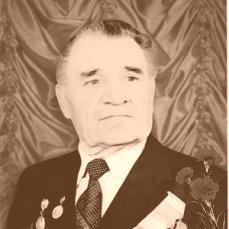

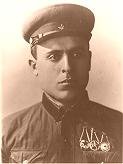


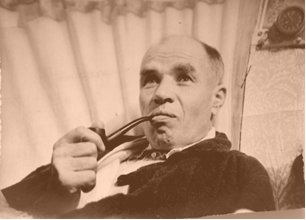
Alabin Stepan Stepanovich
CITY: Saitovka village, Pochinkovsky district, Gorky region DATE OF BIRTH: 10/07/1919 DATE OF DEATH: 08/08/2001 HISTORY: Father - Alabin Stepan Fedorovich, mother - Alabina Agrafena Timofeevna, died in childbirth when her son was about two years old. The father married stepmother and lived with her all his life. The stepmother had her own children. They did not have common children. My father had a mill on the Alatyr River. In the village of Saitovka, the family had half a house. The first floor of the house was made of bricks, the second was wooden. During collectivization, my father refused to join the collective farm. For this he was exiled together with Stepan into exile to the Urals. There they lived in the cities of Magnitogorsk and Solikamsk. Then they returned to their homeland. Before being drafted into the army, Stepan lived in the city of Gorky (now Nizhny Novgorod) and was drafted into the army from there in September 1941. The war found him while serving in the army. At the front he was a chauffeur, carried ammunition. Once an enemy shell hit the car, Stepan miraculously remained intact - the overcoat suffered - its bottom to the belt was torn off, as if cut off. During one of the offensives of our troops, he was wounded. The orderlies were rescued - they pulled out of the funnel from the shell and taken to the sanitary battalion. From there he came out without the hair on his head, which grew after a while. With the rank of "lieutenant", he was demoted to the rank and file, for saying that the allies would come to the rescue when the superiority of forces was on the side of the USSR. During the service he drove the general, with whom we sometimes dined in private restaurants in Poland and Romania. They did not always take money from them for lunch, explaining that to see how the general and the soldier had dinner together, many visitors came and the owner had big profits because of this. While crossing the river, he was an accidental witness of how soldiers threw a grenade at the officer's car, who just shot a soldier who was lingering on the bridge. After the war, Stepan came home with a broken buckle of the officer's belt, he said that the buckle saved his life - a mine fragment interrupted her, punched a tunic, but his undershirt remained intact. After the end of the war, he took part in the liquidation of gangs and illegal groups in Ukraine. The servicemen were put on train platforms with orders to shoot anyone who tried to attack and rob a passing train. He was demobilized in the fall of 1947 after a letter from his father to the military registration and enlistment office stating that his parents were old and could not do without the help of his son. Stepan was awarded the Order of the Patriotic War, 2nd degree in 1985, and medals. Upon returning home to the village of Nikaevka, Bolsheboldinsky district of the Gorky region, to his parents, he married Sbitneva Vera Nikolaevna, also a native of the village of Saitovka, with whom they lived their whole life in perfect harmony and had six children. After Stepan never told the horrors of the war. He told about the life of people abroad or funny and kind stories from the front. He worked on a collective farm, and then in the forestry as a forester. He loved working with wood, loved books, periodicals.
Alabin Stepan Stepanovich
CITY: Saitovka village, Pochinkovsky district, Gorky region DATE OF BIRTH: 10/07/1919 DATE OF DEATH: 08/08/2001 HISTORY: Father - Alabin Stepan Fedorovich, mother - Alabina Agrafena Timofeevna, died in childbirth when her son was about two years old. The father married stepmother and lived with her all his life. The stepmother had her own children. They did not have common children. My father had a mill on the Alatyr River. In the village of Saitovka, the family had half a house. The first floor of the house was made of bricks, the second was wooden. During collectivization, my father refused to join the collective farm. For this he was exiled together with Stepan into exile to the Urals. There they lived in the cities of Magnitogorsk and Solikamsk. Then they returned to their homeland. Before being drafted into the army, Stepan lived in the city of Gorky (now Nizhny Novgorod) and was drafted into the army from there in September 1941. The war found him while serving in the army. At the front he was a chauffeur, carried ammunition. Once an enemy shell hit the car, Stepan miraculously remained intact - the overcoat suffered - its bottom to the belt was torn off, as if cut off. During one of the offensives of our troops, he was wounded. The orderlies were rescued - they pulled out of the funnel from the shell and taken to the sanitary battalion. From there he came out without the hair on his head, which grew after a while. With the rank of "lieutenant", he was demoted to the rank and file, for saying that the allies would come to the rescue when the superiority of forces was on the side of the USSR. During the service he drove the general, with whom we sometimes dined in private restaurants in Poland and Romania. They did not always take money from them for lunch, explaining that to see how the general and the soldier had dinner together, many visitors came and the owner had big profits because of this. While crossing the river, he was an accidental witness of how soldiers threw a grenade at the officer's car, who just shot a soldier who was lingering on the bridge. After the war, Stepan came home with a broken buckle of the officer's belt, he said that the buckle saved his life - a mine fragment interrupted her, punched a tunic, but his undershirt remained intact. After the end of the war, he took part in the liquidation of gangs and illegal groups in Ukraine. The servicemen were put on train platforms with orders to shoot anyone who tried to attack and rob a passing train. He was demobilized in the fall of 1947 after a letter from his father to the military registration and enlistment office stating that his parents were old and could not do without the help of his son. Stepan was awarded the Order of the Patriotic War, 2nd degree in 1985, and medals. Upon returning home to the village of Nikaevka, Bolsheboldinsky district of the Gorky region, to his parents, he married Sbitneva Vera Nikolaevna, also a native of the village of Saitovka, with whom they lived their whole life in perfect harmony and had six children. After Stepan never told the horrors of the war. He told about the life of people abroad or funny and kind stories from the front. He worked on a collective farm, and then in the forestry as a forester. He loved working with wood, loved books, periodicals.
0 comment




2026 © Russian Military Historical Society Developed by Jetmix