


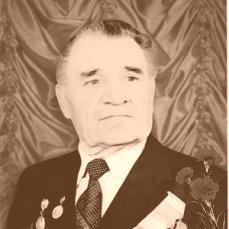
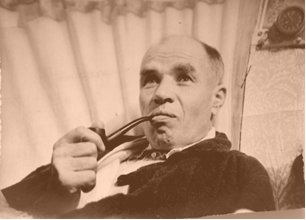
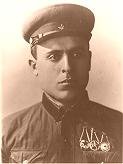


Alaferdov Alexander Galustovich
CITY: Yeysk, Krasnodar Territory DATE OF BIRTH: 08/10/1914 DATE OF DEATH: 09/19/1994 HISTORY: Alaferdov Alexander Galustovich was born on August 10, 1914 in the city of Yeisk, Kuban Region (now Krasnodar Territory). In 1924, he graduated from the 4th grade of primary school in the village of Staroshcherbinovskaya, and in 1929 his family moved to the city of Taganrog. There Alexander graduated from the factory apprenticeship school (Factory and workshop education), having received not only a working specialty, but also a document on 7-year education. He worked as a mechanic in factories. After conscript service in the Red Army (1936-1939), which he passed in Rostov-on-Don, he moved to the Krasnodar Territory, where he worked as the head of the trade department of the Slavic Fish Cooperative in the village of Achuevo. Then he became a cadet of the Vinnitsa (2nd Krasnodar) military infantry school, which was stationed in the Kuban. Upon completion, he was left in it by the platoon commander. In early July 1942, a rifle regiment was formed from the cadets of the school, which hastily departed to defend Stalingrad. In total, according to the directive of the Headquarters, cadet regiments of 12 military schools were urgently sent to the fiery borders of the city on the Volga to cover the withdrawal of our troops. Fighting heavy bloody battles, these regiments with their heroic resistance thwarted the plan of the fascist command - on the move, to capture Stalingrad by 25 July. In August 1942, in the area of the Tinguta station (now the Svetloyarsk district of the Volgograd region), the regiment of the Vinnytsia school, finding itself completely surrounded, fiercely fought against the German fascist invaders for three days. Few were lucky to break through to their own people: most of the cadets died, wounded or shell-shocked were taken prisoner. Among those who were captured was Alexander Alaferdov, who managed to bury his personal documents before being captured. Apparently, taking this into account, after the liberation of January 27, 1943 by Soviet troops from Nazi captivity at the Peschanokopskoye station of the Rostov region, he was able to pass a check in the city of Salsk and was sent by an ordinary soldier to the Miussky sector of the front - there were fierce battles to break through a heavily fortified defense and experienced fighters were very much needed. He began to fight again as a sapper in the 152nd Rifle Brigade, which in May 1943 was reorganized into the 118th Rifle Division. As part of the 463rd Infantry Regiment of this division, he reached the den of the fascist beast. There is also his contribution to the fact that by the orders of the Supreme Commander-in-Chief on October 23, 1943, the 118th Infantry Division, among other formations and units that distinguished themselves in the battles for the liberation of the city of Melitopol, was named "Melitopol", and on September 1, 1944, the 463rd the rifle regiment was awarded the honorary name "Vislensky". November 8, 1943 "for the excellent performance of the command assignments for reconnaissance, mining and demining", as well as the construction of stairs through the anti-tank escarpment during the October offensive battles in the Melitopol district of the Zaporozhye region - a sapper platoon of the 463rd Infantry Regiment of the 118th Infantry Division, Red Army Alexander Alaferdov is awarded a medal "For Military Merit". In August 1944, Aleksandr Alaferdov distinguished himself in the battles for the Blizzard settlement: when enemy tanks and machine gunners broke into the area of the command post, he "participated in repelling their attack and destroyed four German machine gunners." And on August 21, 1944, the medal "For Courage" became a well-deserved reward for the junior sergeant, assistant commander of the sapper platoon Alexander Alaferdov. On October 6, 1944, senior sergeant Alexander Alaferdov was awarded the Order of Glory, III degree. On February 16, 1944, he was awarded the Order of Glory, II degree. On February 22, 1945, operating south of the city of Breslau (now Wroclaw, Poland), Sergeant Major Alexander Alaferdov led a group of sappers that removed 70 anti-tank mines, 19 of them on his personal account. By the decree of the Presidium of the Supreme Soviet of the USSR dated June 27, 1945, for exceptional courage, courage and fearlessness at the final stage of the Great Patriotic War, Sergeant Major Alaferdov Alexander Galustovich was awarded the Order of Glory, 1st degree. Became a full Knight of the Order of Glory. In August 1945, Alexander Alaferdov was demobilized and transferred to the reserve with the rank of lieutenant, returned to the Kuban. He lived in the village of Sadovy, Slavyansky district, worked at the state farm "Sad-Gigant", as a skipper at the landing stage of the Slavyanskaya pier, as a labor teacher in secondary school No. 8. He became one of the first in the region as the head of a peasant farm. In 1985, in honor of the 40th anniversary of Victory, he was awarded the Order of the Patriotic War, 1st degree. Alexander Galustovich Alaferdov died on December 19, 1994, was buried in the Alley of Heroes at the cemetery of the city of Slavyansk-on-Kuban. In honor of the full holder of the Order of Glory, Alexander Galustovich Alaferdov, a stele was installed in the 40 Years of Victory park in the city of Slavyansk-on-Kuban, and in the village of Sadovoye one of the streets was named after him.
Alaferdov Alexander Galustovich
CITY: Yeysk, Krasnodar Territory DATE OF BIRTH: 08/10/1914 DATE OF DEATH: 09/19/1994 HISTORY: Alaferdov Alexander Galustovich was born on August 10, 1914 in the city of Yeisk, Kuban Region (now Krasnodar Territory). In 1924, he graduated from the 4th grade of primary school in the village of Staroshcherbinovskaya, and in 1929 his family moved to the city of Taganrog. There Alexander graduated from the factory apprenticeship school (Factory and workshop education), having received not only a working specialty, but also a document on 7-year education. He worked as a mechanic in factories. After conscript service in the Red Army (1936-1939), which he passed in Rostov-on-Don, he moved to the Krasnodar Territory, where he worked as the head of the trade department of the Slavic Fish Cooperative in the village of Achuevo. Then he became a cadet of the Vinnitsa (2nd Krasnodar) military infantry school, which was stationed in the Kuban. Upon completion, he was left in it by the platoon commander. In early July 1942, a rifle regiment was formed from the cadets of the school, which hastily departed to defend Stalingrad. In total, according to the directive of the Headquarters, cadet regiments of 12 military schools were urgently sent to the fiery borders of the city on the Volga to cover the withdrawal of our troops. Fighting heavy bloody battles, these regiments with their heroic resistance thwarted the plan of the fascist command - on the move, to capture Stalingrad by 25 July. In August 1942, in the area of the Tinguta station (now the Svetloyarsk district of the Volgograd region), the regiment of the Vinnytsia school, finding itself completely surrounded, fiercely fought against the German fascist invaders for three days. Few were lucky to break through to their own people: most of the cadets died, wounded or shell-shocked were taken prisoner. Among those who were captured was Alexander Alaferdov, who managed to bury his personal documents before being captured. Apparently, taking this into account, after the liberation of January 27, 1943 by Soviet troops from Nazi captivity at the Peschanokopskoye station of the Rostov region, he was able to pass a check in the city of Salsk and was sent by an ordinary soldier to the Miussky sector of the front - there were fierce battles to break through a heavily fortified defense and experienced fighters were very much needed. He began to fight again as a sapper in the 152nd Rifle Brigade, which in May 1943 was reorganized into the 118th Rifle Division. As part of the 463rd Infantry Regiment of this division, he reached the den of the fascist beast. There is also his contribution to the fact that by the orders of the Supreme Commander-in-Chief on October 23, 1943, the 118th Infantry Division, among other formations and units that distinguished themselves in the battles for the liberation of the city of Melitopol, was named "Melitopol", and on September 1, 1944, the 463rd the rifle regiment was awarded the honorary name "Vislensky". November 8, 1943 "for the excellent performance of the command assignments for reconnaissance, mining and demining", as well as the construction of stairs through the anti-tank escarpment during the October offensive battles in the Melitopol district of the Zaporozhye region - a sapper platoon of the 463rd Infantry Regiment of the 118th Infantry Division, Red Army Alexander Alaferdov is awarded a medal "For Military Merit". In August 1944, Aleksandr Alaferdov distinguished himself in the battles for the Blizzard settlement: when enemy tanks and machine gunners broke into the area of the command post, he "participated in repelling their attack and destroyed four German machine gunners." And on August 21, 1944, the medal "For Courage" became a well-deserved reward for the junior sergeant, assistant commander of the sapper platoon Alexander Alaferdov. On October 6, 1944, senior sergeant Alexander Alaferdov was awarded the Order of Glory, III degree. On February 16, 1944, he was awarded the Order of Glory, II degree. On February 22, 1945, operating south of the city of Breslau (now Wroclaw, Poland), Sergeant Major Alexander Alaferdov led a group of sappers that removed 70 anti-tank mines, 19 of them on his personal account. By the decree of the Presidium of the Supreme Soviet of the USSR dated June 27, 1945, for exceptional courage, courage and fearlessness at the final stage of the Great Patriotic War, Sergeant Major Alaferdov Alexander Galustovich was awarded the Order of Glory, 1st degree. Became a full Knight of the Order of Glory. In August 1945, Alexander Alaferdov was demobilized and transferred to the reserve with the rank of lieutenant, returned to the Kuban. He lived in the village of Sadovy, Slavyansky district, worked at the state farm "Sad-Gigant", as a skipper at the landing stage of the Slavyanskaya pier, as a labor teacher in secondary school No. 8. He became one of the first in the region as the head of a peasant farm. In 1985, in honor of the 40th anniversary of Victory, he was awarded the Order of the Patriotic War, 1st degree. Alexander Galustovich Alaferdov died on December 19, 1994, was buried in the Alley of Heroes at the cemetery of the city of Slavyansk-on-Kuban. In honor of the full holder of the Order of Glory, Alexander Galustovich Alaferdov, a stele was installed in the 40 Years of Victory park in the city of Slavyansk-on-Kuban, and in the village of Sadovoye one of the streets was named after him.
0 comment




2026 © Russian Military Historical Society Developed by Jetmix