


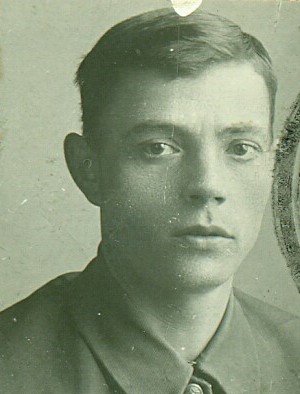
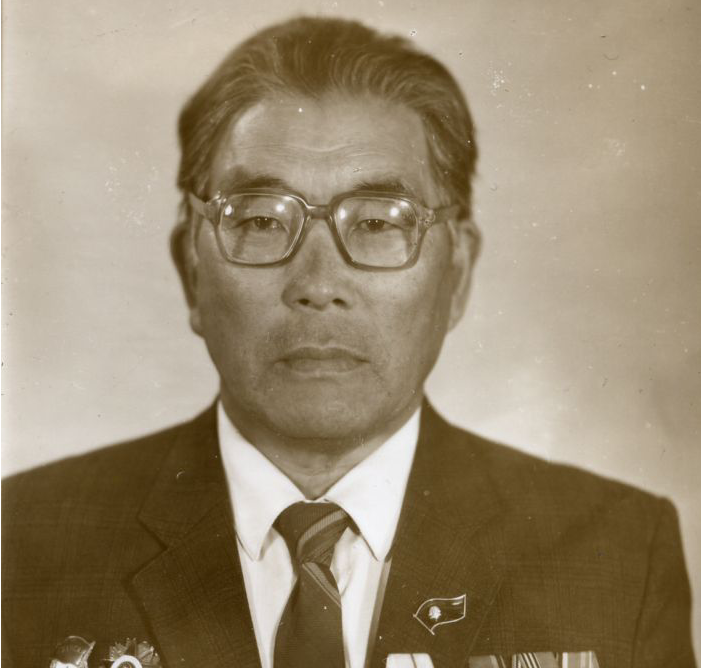
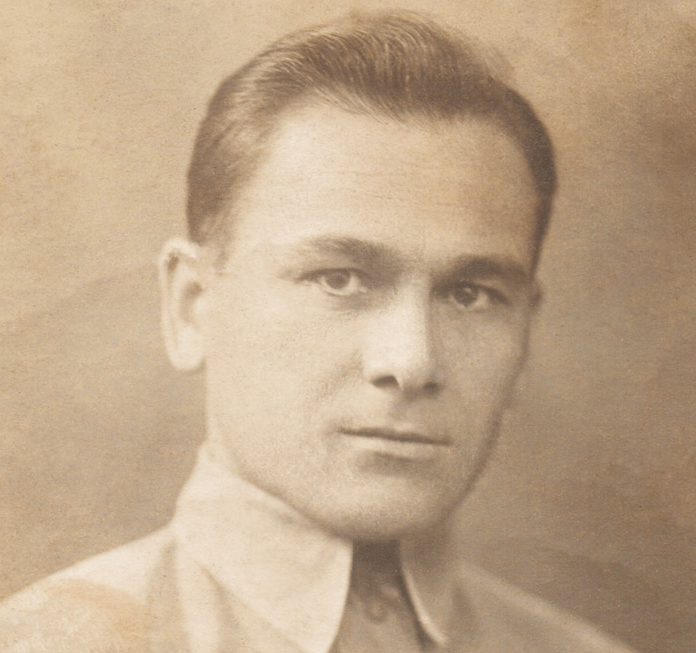


Lonchakov Mikhail Lavrentevich
THE PLACE OF BIRTH: Nevelskoye village, Lazovsky district, Khabarovsk territory. DATE OF BIRTH: 05.05.1911. DATE OF DEATH: 11.10.1998 HISTORY: Rank: Red Army Soldier, Corps: Technical troops. Unit: 278th Rifle Division (1st formation). My grandfather Lonchakov Mikhail Lavrentievich fought near Moscow in the Kaluga direction. He took the military oath at the 278th Rifle Regiment on September 20, 1941. In 1942, at the end of February, their company was sent to Kaluga. And there something happened that turned the whole fate of the grandfather without leaving a drop of hope for a happy meeting with his family. The company was sent to capture the Germans. There were a lot of Germans but the enemy had been waiting for them for a long time. The Germans came close and began to destroy our soldiers. It is impossible to survive here! Everyone died. There was such a terrible bullet for my grandfather. It was difficult to understand at once, only the shoulder was badly torn. The splinter hit under the left shoulder blade, snatching the meat in small ragged chunks. Grandfather was left lying on the icy, bloody ground, unconscious. All around is silence and only occasionally a shot and German speech. He did not realize at once that it was a healthy German who was addressing him, kicking him. It was difficult but it was necessary to get up, otherwise the Germans killed everyone who was lying down. Seven people in total were among those who remained alive. Holding the prisoners at gunpoint, the Germans surrounded them and led them to the camp. The road to the camp was long, it took two days. German soldiers brought prisoners to a camp that was fenced off with a wire, there were no barracks, no other buildings. Prisoners were allowed to dig dugout shelters. While the Germans did not see (they checked prisoners at the night and forbade any treatment), the comrades made bandages. German soldiers forced prisoners to do various jobs: built roads and bridges , but they forgot to feed prisoners for weeks at a time. And what was given was not allowed to eat. Apparently they did not want to spent the bullets for prisiners, and prisoners were dying a lot. Mikhail Lonchakov often wanted to kill himself, but he still had a hope. The brutality in the camp was shown not so much by the German soldiers as by the policemen. They took off valenki and clothes of prisoners, and my grandfather passed without valenki, wrapping his feet with a piece of tarpaulin and tying them with ropes, for the whole year 1943. Some kind of miracle saved him and his comrades even though they had already lost more than half of them. And from 1944, the Germans selected new workers in the mines. They brought the prisoners to the new camp Maniac-Lavol, in France. Prisoners lived in a barrack here. But the prisoners knew that the Soviet troops were increasingly going on the offensive. The Germans couldn't hide it. The guard was replenished with young men, and the more experienced soldiers were sent to the front. And then, by chance, my grandfather finds out about the upcoming escape, which is being prepared by the French partisans. His new friend from the camp tells him about it. This escape coincided with the new offensive of the Soviet troops, which means that some of the Germans will have to be pushed back to the front again. And here is such a day, or rather night came. Most of the prisoners were awake. Beyond the camp was a gate that had never been used. That night the gates were open, but only 27 people escaped, among them was my grandfather. When they were transferred to the mountain partisan camp, first of all, they were given the opportunity to restore their strength and get stronger. But now came the most exciting day, when the former prisoners took the oath of the Soviet partisans who fought in France. And then there was a solemn presentation of military weapons. My grandfather got an English-style machine gun. From then on, he was listed in the squadron under the name Antony in the detachment commanded by Lieutenant Lagutin from Siberia. There were fighters of different nationalities: Ukrainians, Belarusians, Azerbaijanis, Kazakhs....They slept together, ate porridge from the same pot, and stood guard together. Everyone dreamed of their own, but one dream was common – to defeat the enemy and return to their Homeland. One day, partisan intelligence reported that a fascist convoy with infantry would be moving along the highway. The partisans decided to set up an ambush by the roadside. As soon as the first vehicles took the prepared place, machine-gun and rifle fire fell on the column, and grenades flew. In that battle, about a hundred fascists were destroyed, and equipment was disabled. But the partisan forces were smaller. When the Germans were reinforced by about six hundred more soldiers the partisans were forced to leave their positions and go into the forest, which was immediately shelled with guns. My grandfather also visited the ashes of the small town of Oradour, which was burned by the Nazis along with all the inhabitants. It is impossible to forget the death of old people, women, and children...As a harsh sentence, the soldiers of the detachment remembered the words from the partisan oath. The partisan forces grew day by day. They have already boldly entered major operations. In one of them, my grandfather participated in the capture Limoges. It involved underground workers of the city. They transport weapons, ammunition and grenades through German posts. At dawn, the city was surrounded by partisans. When the partisans went on the attack, the fascists sat down in shelters and began to hold the defense. At that moment, grenades were thrown at their heads from the attic windows, and machine-gun fire crackled. It was time to pay for piper for the burned city of Oradour. Once trapped, the enemy was forced to lay down their weapons. Resistance fighters entered the city. And on the occasion of this victory, Lagutin's detachment was awarded of the Orders the Red Banner. My grandfather was awarded of the French medal "For the Capture of Lemoge". My grandfather met the victory in France, when he was on duty. The soldiers were resting, and the radio was loud. Without fear, the whole forest listened to music and reports from the front. And now they announced-VICTORY! Tears stood in the eyes of, that here began! It was May 7! Soon Soviet Consul arrived with General Bogomolov and handed over the flag of France. Soon the detachment became aware of the Japanese attack and decided to go and continue to defend their Homeland. They went to Germany, Berlin. And then the news - the war is over. They stayed near Berlin for a month.
Lonchakov Mikhail Lavrentevich
THE PLACE OF BIRTH: Nevelskoye village, Lazovsky district, Khabarovsk territory. DATE OF BIRTH: 05.05.1911. DATE OF DEATH: 11.10.1998 HISTORY: Rank: Red Army Soldier, Corps: Technical troops. Unit: 278th Rifle Division (1st formation). My grandfather Lonchakov Mikhail Lavrentievich fought near Moscow in the Kaluga direction. He took the military oath at the 278th Rifle Regiment on September 20, 1941. In 1942, at the end of February, their company was sent to Kaluga. And there something happened that turned the whole fate of the grandfather without leaving a drop of hope for a happy meeting with his family. The company was sent to capture the Germans. There were a lot of Germans but the enemy had been waiting for them for a long time. The Germans came close and began to destroy our soldiers. It is impossible to survive here! Everyone died. There was such a terrible bullet for my grandfather. It was difficult to understand at once, only the shoulder was badly torn. The splinter hit under the left shoulder blade, snatching the meat in small ragged chunks. Grandfather was left lying on the icy, bloody ground, unconscious. All around is silence and only occasionally a shot and German speech. He did not realize at once that it was a healthy German who was addressing him, kicking him. It was difficult but it was necessary to get up, otherwise the Germans killed everyone who was lying down. Seven people in total were among those who remained alive. Holding the prisoners at gunpoint, the Germans surrounded them and led them to the camp. The road to the camp was long, it took two days. German soldiers brought prisoners to a camp that was fenced off with a wire, there were no barracks, no other buildings. Prisoners were allowed to dig dugout shelters. While the Germans did not see (they checked prisoners at the night and forbade any treatment), the comrades made bandages. German soldiers forced prisoners to do various jobs: built roads and bridges , but they forgot to feed prisoners for weeks at a time. And what was given was not allowed to eat. Apparently they did not want to spent the bullets for prisiners, and prisoners were dying a lot. Mikhail Lonchakov often wanted to kill himself, but he still had a hope. The brutality in the camp was shown not so much by the German soldiers as by the policemen. They took off valenki and clothes of prisoners, and my grandfather passed without valenki, wrapping his feet with a piece of tarpaulin and tying them with ropes, for the whole year 1943. Some kind of miracle saved him and his comrades even though they had already lost more than half of them. And from 1944, the Germans selected new workers in the mines. They brought the prisoners to the new camp Maniac-Lavol, in France. Prisoners lived in a barrack here. But the prisoners knew that the Soviet troops were increasingly going on the offensive. The Germans couldn't hide it. The guard was replenished with young men, and the more experienced soldiers were sent to the front. And then, by chance, my grandfather finds out about the upcoming escape, which is being prepared by the French partisans. His new friend from the camp tells him about it. This escape coincided with the new offensive of the Soviet troops, which means that some of the Germans will have to be pushed back to the front again. And here is such a day, or rather night came. Most of the prisoners were awake. Beyond the camp was a gate that had never been used. That night the gates were open, but only 27 people escaped, among them was my grandfather. When they were transferred to the mountain partisan camp, first of all, they were given the opportunity to restore their strength and get stronger. But now came the most exciting day, when the former prisoners took the oath of the Soviet partisans who fought in France. And then there was a solemn presentation of military weapons. My grandfather got an English-style machine gun. From then on, he was listed in the squadron under the name Antony in the detachment commanded by Lieutenant Lagutin from Siberia. There were fighters of different nationalities: Ukrainians, Belarusians, Azerbaijanis, Kazakhs....They slept together, ate porridge from the same pot, and stood guard together. Everyone dreamed of their own, but one dream was common – to defeat the enemy and return to their Homeland. One day, partisan intelligence reported that a fascist convoy with infantry would be moving along the highway. The partisans decided to set up an ambush by the roadside. As soon as the first vehicles took the prepared place, machine-gun and rifle fire fell on the column, and grenades flew. In that battle, about a hundred fascists were destroyed, and equipment was disabled. But the partisan forces were smaller. When the Germans were reinforced by about six hundred more soldiers the partisans were forced to leave their positions and go into the forest, which was immediately shelled with guns. My grandfather also visited the ashes of the small town of Oradour, which was burned by the Nazis along with all the inhabitants. It is impossible to forget the death of old people, women, and children...As a harsh sentence, the soldiers of the detachment remembered the words from the partisan oath. The partisan forces grew day by day. They have already boldly entered major operations. In one of them, my grandfather participated in the capture Limoges. It involved underground workers of the city. They transport weapons, ammunition and grenades through German posts. At dawn, the city was surrounded by partisans. When the partisans went on the attack, the fascists sat down in shelters and began to hold the defense. At that moment, grenades were thrown at their heads from the attic windows, and machine-gun fire crackled. It was time to pay for piper for the burned city of Oradour. Once trapped, the enemy was forced to lay down their weapons. Resistance fighters entered the city. And on the occasion of this victory, Lagutin's detachment was awarded of the Orders the Red Banner. My grandfather was awarded of the French medal "For the Capture of Lemoge". My grandfather met the victory in France, when he was on duty. The soldiers were resting, and the radio was loud. Without fear, the whole forest listened to music and reports from the front. And now they announced-VICTORY! Tears stood in the eyes of, that here began! It was May 7! Soon Soviet Consul arrived with General Bogomolov and handed over the flag of France. Soon the detachment became aware of the Japanese attack and decided to go and continue to defend their Homeland. They went to Germany, Berlin. And then the news - the war is over. They stayed near Berlin for a month.
0 comment



2026 © Russian Military Historical Society Developed by Jetmix