


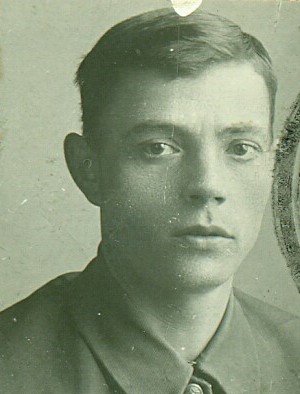
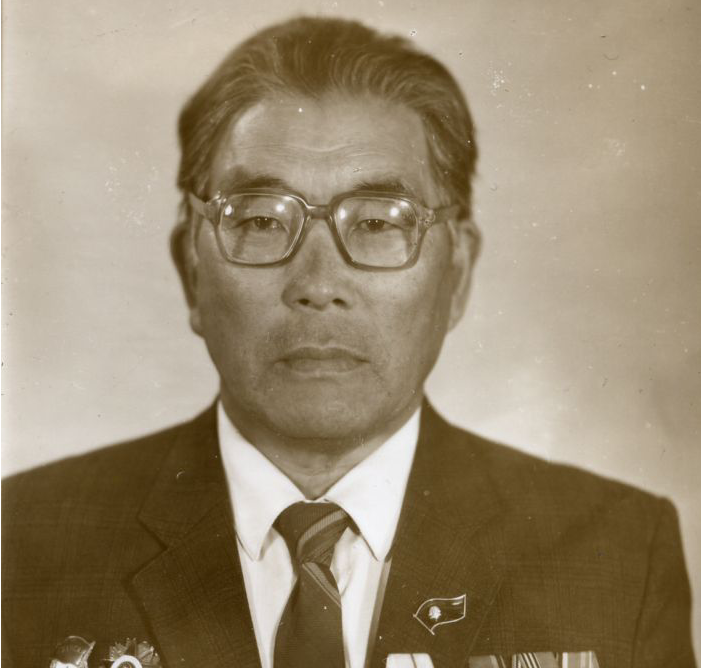
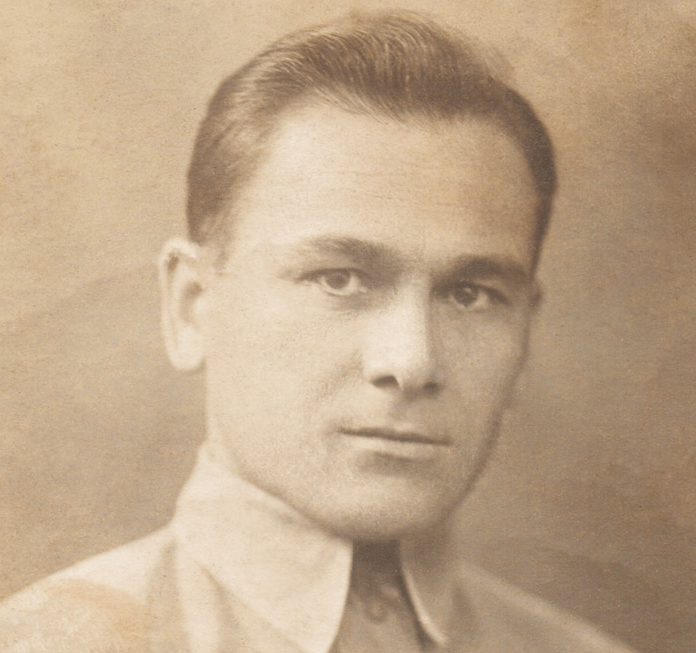

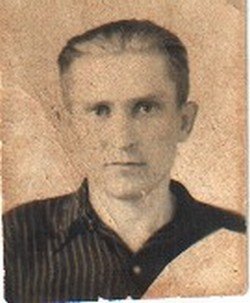

Loginov Boris Vasilyevich
PLACE OF BIRTH: Panetaevka village, Panetaevsky district, Gorky region. DATE OF BIRTH: 23.12.1925. DATE of DEATH: 26.11.2014. HISTORY: Rank: Corporal. Corps: Armored and Mechanized troops. My father, Boris Loginov, was born in the Gorky region in 1925 in a village. His father and mother were typical Soviet people. They had six children, but they rushed to work schools to study in order to push five-year plans forward…My grandfather headed a state farm, then a timber yard for exporting wood abroad. Everything for the country, nothing for yourself. He lived his entire life in Bryukhovetskaya, where he worked at a fish factory. His son, my father Boris, also spent his youth here. He, unlike his parents, did not want to study for a long time. Together with his uncle Zhenya, who was a year older than him, and Volodya, the son of the Director of the fish factory, he went not to school, but to the river, where they had their own boat. At night, they cought fish and crayfish, by the way, my father loved fishing until his old age, sat by the fire, dreaming of traveling. Who could have known that the peaceful life of bryukhovets dreamers would end so quickly and terribly? As soon as they entered the driver's course, the war began. My father couldn't finish the course. His uncle Zhenya was taken to the front, and soon he was killed. During the evacuation of the fish factory, Boris and Vladimir, two newly drivers (there had certificates of training...) had to drive the old "lorry" to the "safe place". Then they handed over the lorry to the military in Tuapse, got a cart… Then they wandered around Central Asia, working at a military factory. And finally my father was drafted to the front. Loginov Boris Vasilyevich was in the 281st Rifle Regiment attached to the 60th Tank Army during the offensive after crossing the Dnieper river. For two and a half months the regiment did not leave the battle. And the youngest soldier of the fourth platoon in the reconnaissance company almost got used to what a person can't get used to – war. For two and a half months they did not know what a bed, a bed, their life-jackets were frozen to the ground at night, when the intelligence men lay for hours in front of the German positions, looking for a passage in them. And there was a night when my father's entire company was killed, only two of them were left…He did not yet know that this was so, the intelligence men retreated to the ravine together, lay down in front of him in the dark, fired back. And at dawn, when Boris Loginov raised his head, he saw that there were only corpses around him. But German soldiers did not know that there were a dozen of our soldiers left in the ravine They went on tanks with crosses on the armor and began to beat the blocks along the ravine. It's a terrible sound, to hear them squeal, armor-piercing blocks, among the trees, spinning on the frozen snow, knocking everything down. "That's where I was killed in the snow. Me and my comrades were killed. " He "held" the defense, fired a rifle, not knowing that he was holding it. But the Germans are still stumbled, they thied to kill already a dead company. And they lingered, losing hours. In these hours, even minutes, there was our great Victory. And then there was another fight, a shrapnel wound in the head, a bullet broke the grandfather's spine, and when a friend carried him out of the fire, an explosive bullet hit in his shoulder…And then he had painful operations in hospitals. Of course, everyone who fought in the war sees the events of those years in their own way. Memories of Marshal differ from the memories of an infantryman… And in this way, the evidences of every witness and participant of the war are unique. The Marshal did not know, did not feel, what his soldier was doing. That is why the great Marshal Zhukov, often strict in the requirements for officers of any rank, was so attentive to the soldier and asked him a lot on occasion, as if he wanted to learn something…
Loginov Boris Vasilyevich
PLACE OF BIRTH: Panetaevka village, Panetaevsky district, Gorky region. DATE OF BIRTH: 23.12.1925. DATE of DEATH: 26.11.2014. HISTORY: Rank: Corporal. Corps: Armored and Mechanized troops. My father, Boris Loginov, was born in the Gorky region in 1925 in a village. His father and mother were typical Soviet people. They had six children, but they rushed to work schools to study in order to push five-year plans forward…My grandfather headed a state farm, then a timber yard for exporting wood abroad. Everything for the country, nothing for yourself. He lived his entire life in Bryukhovetskaya, where he worked at a fish factory. His son, my father Boris, also spent his youth here. He, unlike his parents, did not want to study for a long time. Together with his uncle Zhenya, who was a year older than him, and Volodya, the son of the Director of the fish factory, he went not to school, but to the river, where they had their own boat. At night, they cought fish and crayfish, by the way, my father loved fishing until his old age, sat by the fire, dreaming of traveling. Who could have known that the peaceful life of bryukhovets dreamers would end so quickly and terribly? As soon as they entered the driver's course, the war began. My father couldn't finish the course. His uncle Zhenya was taken to the front, and soon he was killed. During the evacuation of the fish factory, Boris and Vladimir, two newly drivers (there had certificates of training...) had to drive the old "lorry" to the "safe place". Then they handed over the lorry to the military in Tuapse, got a cart… Then they wandered around Central Asia, working at a military factory. And finally my father was drafted to the front. Loginov Boris Vasilyevich was in the 281st Rifle Regiment attached to the 60th Tank Army during the offensive after crossing the Dnieper river. For two and a half months the regiment did not leave the battle. And the youngest soldier of the fourth platoon in the reconnaissance company almost got used to what a person can't get used to – war. For two and a half months they did not know what a bed, a bed, their life-jackets were frozen to the ground at night, when the intelligence men lay for hours in front of the German positions, looking for a passage in them. And there was a night when my father's entire company was killed, only two of them were left…He did not yet know that this was so, the intelligence men retreated to the ravine together, lay down in front of him in the dark, fired back. And at dawn, when Boris Loginov raised his head, he saw that there were only corpses around him. But German soldiers did not know that there were a dozen of our soldiers left in the ravine They went on tanks with crosses on the armor and began to beat the blocks along the ravine. It's a terrible sound, to hear them squeal, armor-piercing blocks, among the trees, spinning on the frozen snow, knocking everything down. "That's where I was killed in the snow. Me and my comrades were killed. " He "held" the defense, fired a rifle, not knowing that he was holding it. But the Germans are still stumbled, they thied to kill already a dead company. And they lingered, losing hours. In these hours, even minutes, there was our great Victory. And then there was another fight, a shrapnel wound in the head, a bullet broke the grandfather's spine, and when a friend carried him out of the fire, an explosive bullet hit in his shoulder…And then he had painful operations in hospitals. Of course, everyone who fought in the war sees the events of those years in their own way. Memories of Marshal differ from the memories of an infantryman… And in this way, the evidences of every witness and participant of the war are unique. The Marshal did not know, did not feel, what his soldier was doing. That is why the great Marshal Zhukov, often strict in the requirements for officers of any rank, was so attentive to the soldier and asked him a lot on occasion, as if he wanted to learn something…
0 comment




2026 © Russian Military Historical Society Developed by Jetmix