
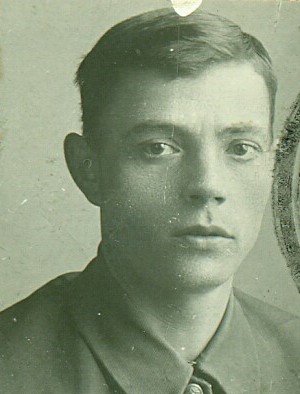
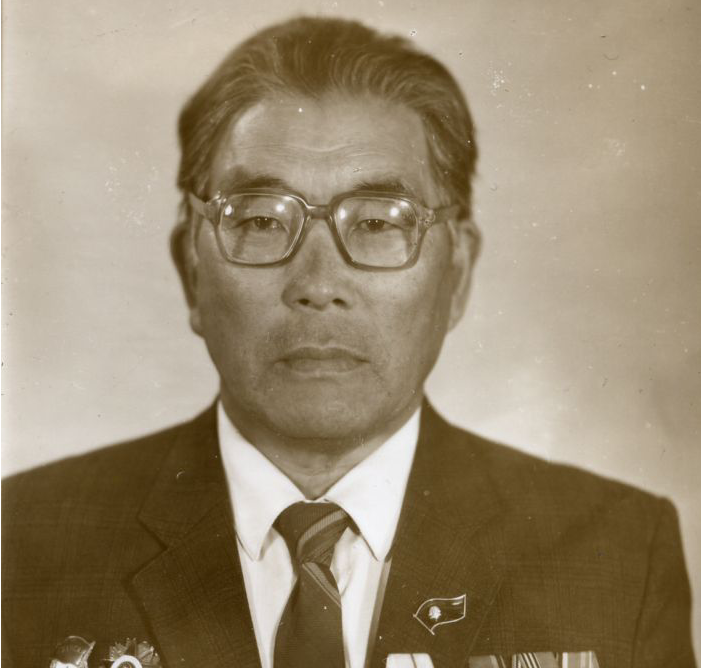
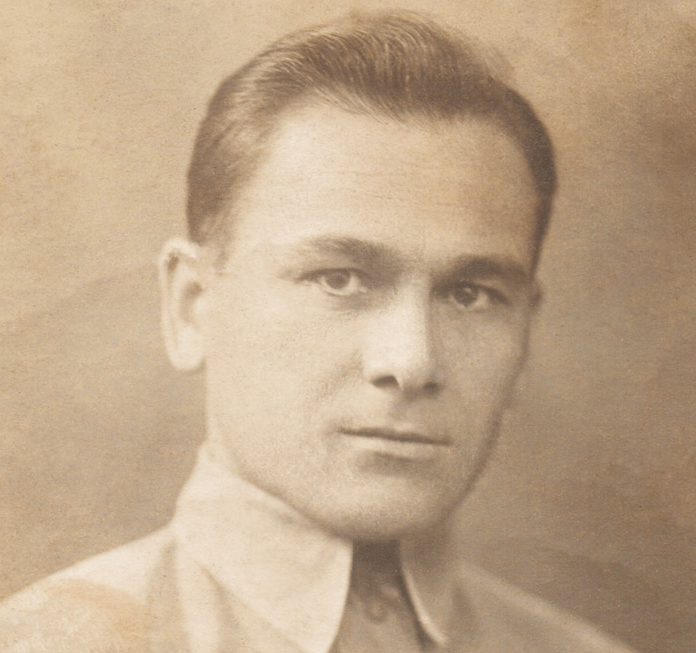

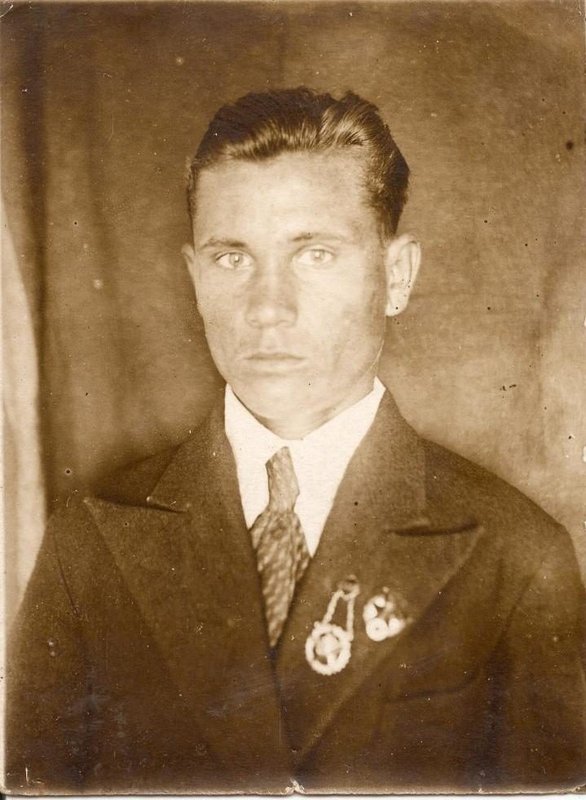

Levchanov Nikolai Vasilievich
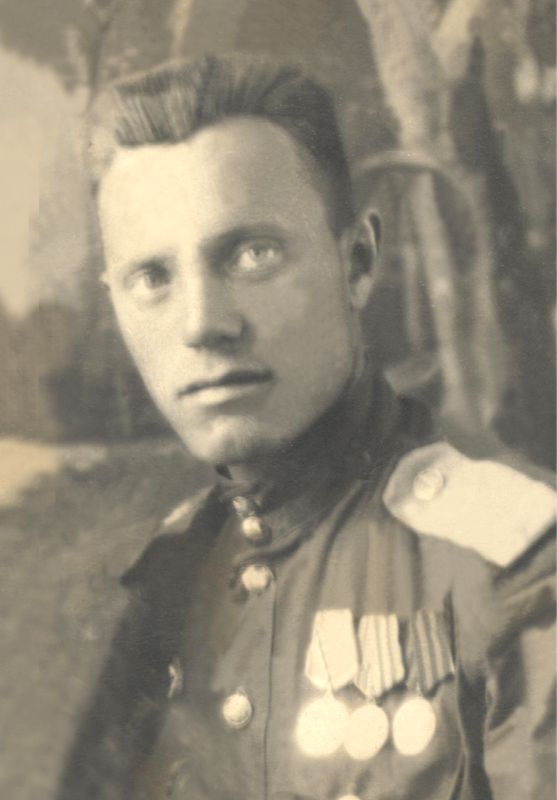
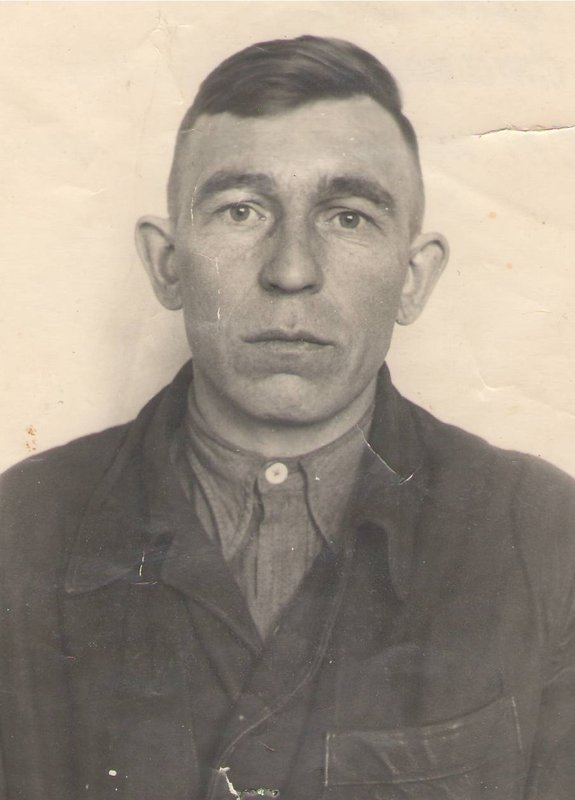
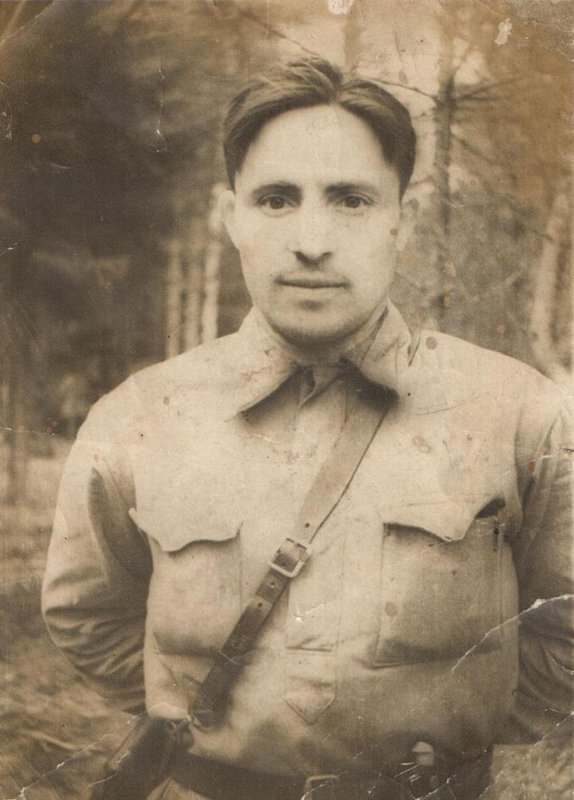
PLACE OF BIRTH: Babushkin city of Buryat-Mongolian ASSR. DATE OF BIRTH: 17.04.1927. DATE OF DEATH: HISTORY: Rank: Red Army Soldier. Corps: Signal Troops. After seven years school, he graduated from the factory school, receiving the profession of an assistant driver. In 1942, at the age of fifteen, he ran away from Ulan-Ude, where their family lived, to the front. It is possible that he applied to the military enlistment office in the Saratov region, where his aunt lived. In his military ticket the year of birth is 1923, and in his passport – 1927. According to the stories, he served in the infantry as a signalman, carried out assignments to restore broken communications. He knew Morse code, which he taught me in my childhood. He was wounded twice. The first time he was wounded in the thigh. After the hospital he went again in the front line. The second serious wound was received in 1945 at the end of the war. He was wounded in the head with damage to the bones of the occipital part, was contused. He was in a hospital somewhere near the Western border, for a year from 1945 to 1946. In the hospital, he learned to walk again. At the first time he communicated with doctors in Morse code, then he learned to write with his left hand, then with his right hand, then he learned to speak. He was discharged from the hospital as a disabled person of group II. For several years he wore a leather helmet on his head to protect the back of his head until the wound was overgrown with cartilage. In the spring of 1946, he accompanied his relative from the hospital to his home in the village of Khrenovoe in the Voronezh region, who had no leg, because there were not enough nurses to accompany the wounded to their place of residence when they were discharged from the hospital. In this village, he met my mother and married her at the age of 19. In 1947, just on my father's birthday, my brother was born, and in 1951 I was born. Now I am very sorry that I did not ask my father enough about his military campaigns. As a child, I had enough of the little information that my father told me to consider him a hero! In 1974, my parents divorced, and my father left us and gone away. Unfortunately, communication with him was interrupted. In 1998, my brother went to visit relatives in his father's homeland and wrote in a letter that he had visited his father's grave in his homeland. I don't know exactly when my father died or where he was buried. But unfortunately, my brother Vladimir, after the second letter in which he wrote that he wanted to return to his homeland in the village of Khrenovoe, went missing. Communication with him was interrupted. Since 1998 I don't know anything about him.
Levchanov Nikolai Vasilievich
PLACE OF BIRTH: Babushkin city of Buryat-Mongolian ASSR. DATE OF BIRTH: 17.04.1927. DATE OF DEATH: HISTORY: Rank: Red Army Soldier. Corps: Signal Troops. After seven years school, he graduated from the factory school, receiving the profession of an assistant driver. In 1942, at the age of fifteen, he ran away from Ulan-Ude, where their family lived, to the front. It is possible that he applied to the military enlistment office in the Saratov region, where his aunt lived. In his military ticket the year of birth is 1923, and in his passport – 1927. According to the stories, he served in the infantry as a signalman, carried out assignments to restore broken communications. He knew Morse code, which he taught me in my childhood. He was wounded twice. The first time he was wounded in the thigh. After the hospital he went again in the front line. The second serious wound was received in 1945 at the end of the war. He was wounded in the head with damage to the bones of the occipital part, was contused. He was in a hospital somewhere near the Western border, for a year from 1945 to 1946. In the hospital, he learned to walk again. At the first time he communicated with doctors in Morse code, then he learned to write with his left hand, then with his right hand, then he learned to speak. He was discharged from the hospital as a disabled person of group II. For several years he wore a leather helmet on his head to protect the back of his head until the wound was overgrown with cartilage. In the spring of 1946, he accompanied his relative from the hospital to his home in the village of Khrenovoe in the Voronezh region, who had no leg, because there were not enough nurses to accompany the wounded to their place of residence when they were discharged from the hospital. In this village, he met my mother and married her at the age of 19. In 1947, just on my father's birthday, my brother was born, and in 1951 I was born. Now I am very sorry that I did not ask my father enough about his military campaigns. As a child, I had enough of the little information that my father told me to consider him a hero! In 1974, my parents divorced, and my father left us and gone away. Unfortunately, communication with him was interrupted. In 1998, my brother went to visit relatives in his father's homeland and wrote in a letter that he had visited his father's grave in his homeland. I don't know exactly when my father died or where he was buried. But unfortunately, my brother Vladimir, after the second letter in which he wrote that he wanted to return to his homeland in the village of Khrenovoe, went missing. Communication with him was interrupted. Since 1998 I don't know anything about him.
0 comment



2026 © Russian Military Historical Society Developed by Jetmix