


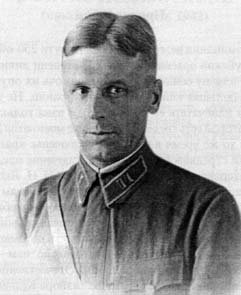
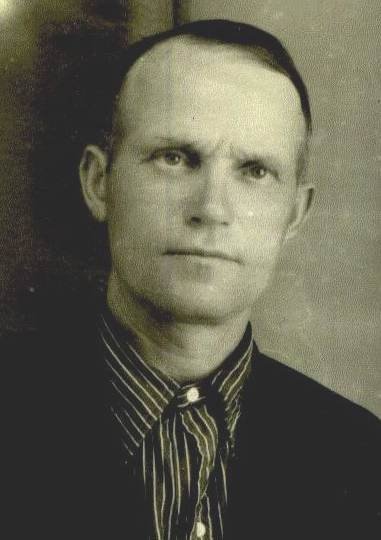
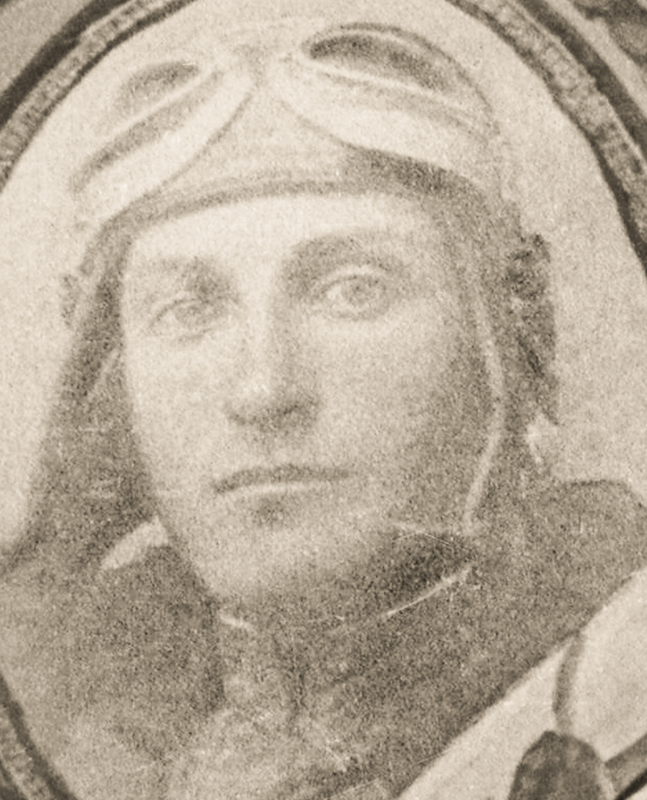

Korneev Ivan Petrovich
Rank: Sergeant
Branch of military: the Land Forces, the Air Forces (except for Naval aviation), the Coast guard, the NKVD troops, Border Guards
My interlocutor Ivan Petrovich Korneev. Here's what he said about himself: I was born and raised in the Alder farm. I don't even remember my father. He died when I was three years old. There were five of us left: my mother, two older sisters, me and my little sister. They lived in poverty, tried to feed such family on my mother's workdays. And then the younger sister got sick and died. However, I was only four years of elementary school we had in the Alder. To continue learning, it was necessary to go to Lobanovo. But we couldn't afford it, so I considered my training complete. In the summer he worked as an ox-driver. In the winter, I was sent as a cowman's assistant. So he worked until the age of sixteen, and then entered the courses of tractor drivers. They taught us well, although the technique was still the same: STZ with iron wheels. But the most important thing was to understand, and the engine was the same, only the chassis was different. When the CHTZ appeared, I retrained on them, and worked until the war. I learned about the war from the radio, I was in our field camp. Men immediately reached for the military enlistment office. Although our year was a draft year, we first mobilized those who were born before March. So I wasn't called up until the end of April 1942. Gathered, built at the military enlistment office, we listened to the parting words of the Chairman, the old men and set off for Dubovka. Marching companies were trained there. I got into Junior commanders ' courses. And after two and a half months, they gave me, a Sergeant, fifteen people of Ukrainians, Tatars, and Kirghiz for training. There were automatic PPSH, and our regiment was a rifle, so I had to train this "motley" brotherhood in everything that they taught me. Then they sent us to Sevastopol. But we managed to get only to Novorossiysk. Sevastopol fell. I often wonder if I was lucky or not. According to eyewitnesses, there was a hell of a place, but the heroism of our soldiers and sailors reached its peak. Exhausted the fascist thoroughly...They returned us to Filonovo station. And four kilometers away — the village of Budanovo, where they began to train, as we joined the 41st rifle regiment. The German were gathering forces, preparing for the capture of Stalingrad, not a day passed that we did not dive "messerschmidts", bombed constantly. Then we were sent on foot to the don front. A day went by, as soon as they reached their positions, the command immediately came: "we are Advancing!". We were confronted by an Italian division. So we gave them hell, rushed "wops" like hares, threw everything that was possible. We took a lot of trophies back then... Taking a new bridgehead, they repelled the attacks of the Germans, who tried to deploy forces to direct their "fist" at Stalingrad. During the next offensive, he was wounded and sent to the hospital. After treatment, he did not join his regiment. Sent to the sapper battalion, under the third tank army, 7th tank corps. Workers were always needed, but everything had to be done: bridges were built, and minefields were cleared. So we entered Berlin on a tank, the fighting was already subsiding, and we were transferred to Czechoslovakia. Helped the brothers. How we were greeted! A single sea of flowers. Soon the happy news: The War was over. How to convey those feelings, joy! The happiness that you were alive and could return, please your mother, the pride that you were a warrior-liberator! He returned to his native Olkhovka, a prominent guy, three orders on his chest: one World War II, and two Red Stars, arms, legs, head intact. What a girl's heart will stand. In 1946, he married the woman. We danced at the wedding, sang and, frankly, had a nice walk. And again work. My wife and I raised two children: a son and a daughter. In 1976, they moved from the farm to Loboykovo. Worked as a mechanic. mechanic. He retired in 1983. But he continued to work as a mechanic for another four years. And then he said: «Be enough». Now I'm resting. My wife let me down, died three years ago. But children and grandchildren do not forget." How many grandchildren?" - Four, and already three great-grandchildren. V. Zhuravlev. "Danilovsky news". № 113 (9797) 20.09.2001
Korneev Ivan Petrovich
Rank: Sergeant
Branch of military: the Land Forces, the Air Forces (except for Naval aviation), the Coast guard, the NKVD troops, Border Guards
My interlocutor Ivan Petrovich Korneev. Here's what he said about himself: I was born and raised in the Alder farm. I don't even remember my father. He died when I was three years old. There were five of us left: my mother, two older sisters, me and my little sister. They lived in poverty, tried to feed such family on my mother's workdays. And then the younger sister got sick and died. However, I was only four years of elementary school we had in the Alder. To continue learning, it was necessary to go to Lobanovo. But we couldn't afford it, so I considered my training complete. In the summer he worked as an ox-driver. In the winter, I was sent as a cowman's assistant. So he worked until the age of sixteen, and then entered the courses of tractor drivers. They taught us well, although the technique was still the same: STZ with iron wheels. But the most important thing was to understand, and the engine was the same, only the chassis was different. When the CHTZ appeared, I retrained on them, and worked until the war. I learned about the war from the radio, I was in our field camp. Men immediately reached for the military enlistment office. Although our year was a draft year, we first mobilized those who were born before March. So I wasn't called up until the end of April 1942. Gathered, built at the military enlistment office, we listened to the parting words of the Chairman, the old men and set off for Dubovka. Marching companies were trained there. I got into Junior commanders ' courses. And after two and a half months, they gave me, a Sergeant, fifteen people of Ukrainians, Tatars, and Kirghiz for training. There were automatic PPSH, and our regiment was a rifle, so I had to train this "motley" brotherhood in everything that they taught me. Then they sent us to Sevastopol. But we managed to get only to Novorossiysk. Sevastopol fell. I often wonder if I was lucky or not. According to eyewitnesses, there was a hell of a place, but the heroism of our soldiers and sailors reached its peak. Exhausted the fascist thoroughly...They returned us to Filonovo station. And four kilometers away — the village of Budanovo, where they began to train, as we joined the 41st rifle regiment. The German were gathering forces, preparing for the capture of Stalingrad, not a day passed that we did not dive "messerschmidts", bombed constantly. Then we were sent on foot to the don front. A day went by, as soon as they reached their positions, the command immediately came: "we are Advancing!". We were confronted by an Italian division. So we gave them hell, rushed "wops" like hares, threw everything that was possible. We took a lot of trophies back then... Taking a new bridgehead, they repelled the attacks of the Germans, who tried to deploy forces to direct their "fist" at Stalingrad. During the next offensive, he was wounded and sent to the hospital. After treatment, he did not join his regiment. Sent to the sapper battalion, under the third tank army, 7th tank corps. Workers were always needed, but everything had to be done: bridges were built, and minefields were cleared. So we entered Berlin on a tank, the fighting was already subsiding, and we were transferred to Czechoslovakia. Helped the brothers. How we were greeted! A single sea of flowers. Soon the happy news: The War was over. How to convey those feelings, joy! The happiness that you were alive and could return, please your mother, the pride that you were a warrior-liberator! He returned to his native Olkhovka, a prominent guy, three orders on his chest: one World War II, and two Red Stars, arms, legs, head intact. What a girl's heart will stand. In 1946, he married the woman. We danced at the wedding, sang and, frankly, had a nice walk. And again work. My wife and I raised two children: a son and a daughter. In 1976, they moved from the farm to Loboykovo. Worked as a mechanic. mechanic. He retired in 1983. But he continued to work as a mechanic for another four years. And then he said: «Be enough». Now I'm resting. My wife let me down, died three years ago. But children and grandchildren do not forget." How many grandchildren?" - Four, and already three great-grandchildren. V. Zhuravlev. "Danilovsky news". № 113 (9797) 20.09.2001
0 comment




2026 © Russian Military Historical Society Developed by Jetmix