Balter Boris Isaakovich
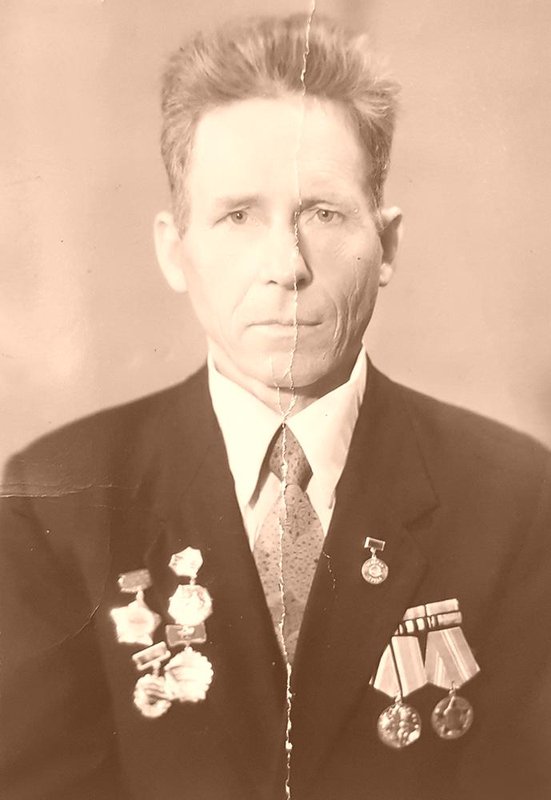
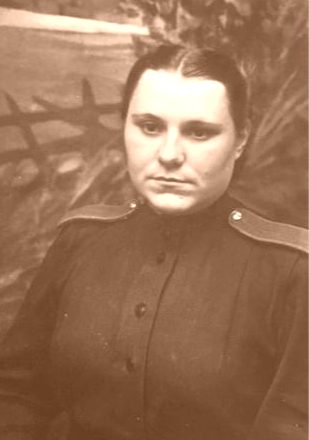
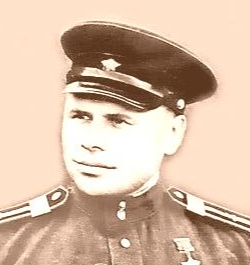
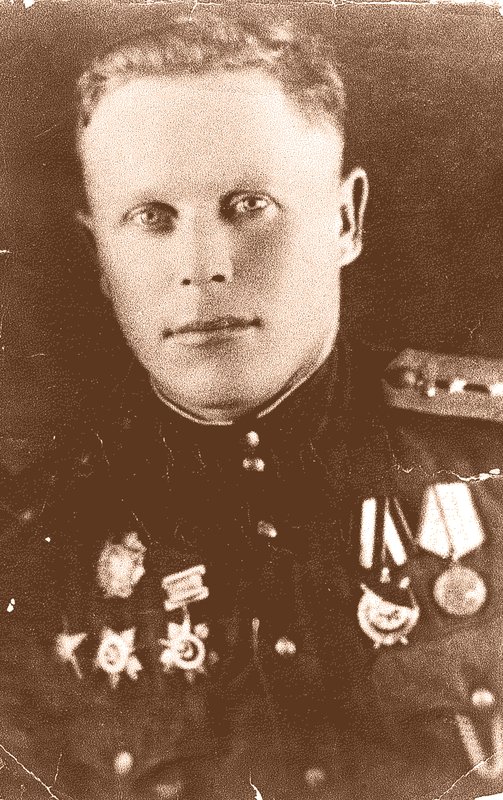
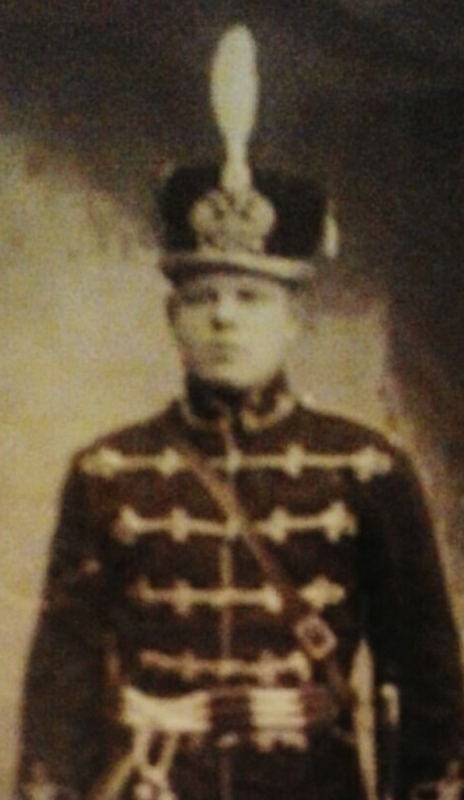
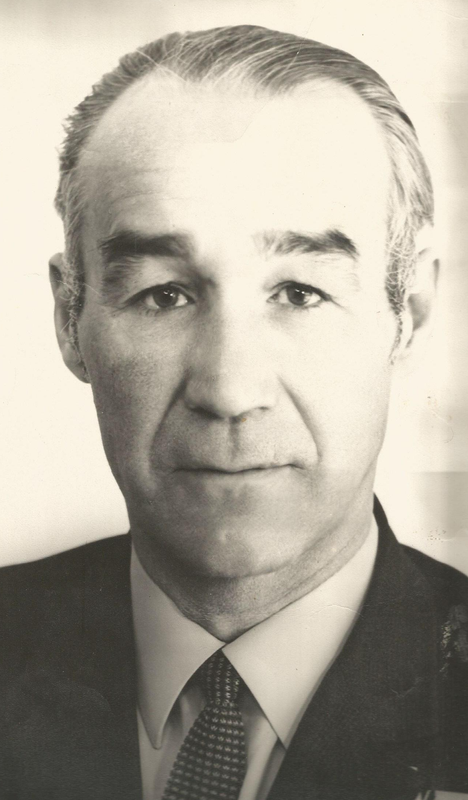
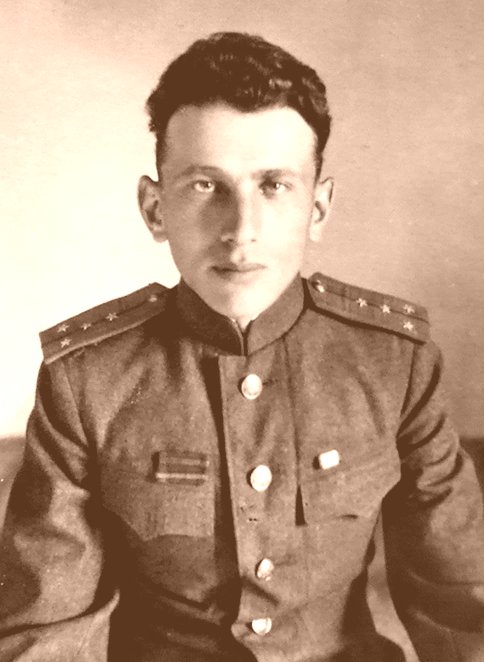
Boris Isaakovich Balter (1919-1974) — Russian Soviet writer, translator and screenwriter. He is best known as the author of the autobiographical novel "Goodbye, boys!" (1962). Boris Isaakovich Balter was born on July 6, 1919 in the city of Samarkand in the Samarkand region of the Turkestan ASSR (now the territory of the Samarkand region of the Republic of Uzbekistan), where his Jewish family moved from Kiev to escape the riots. His grandfather was a tzaddik, a very revered and respected person in the Jewish community. His father was a knight of St. George, a hero of the Russian-Japanese war of 1904-1905. While still a schoolboy, he moved to Crimea with his mother. He graduated from high school in Yevpatoria. In 1936, he entered the Leningrad military school, and in 1938 was transferred to the military school in Kiev. After completing his training and becoming an officer, he participated in the Soviet-Finnish war. He was on the fronts of the Great Patriotic War from the first days. Captain, served as the head of intelligence of the 357th rifle division. Participated in the battle of Novorzhev, was seriously wounded. In February 1942, he joined the CPSU (b). After undergoing treatment in the hospital, in 1943, captain Boris Balter was appointed chief of staff of the 139th reserve rifle regiment of the 36th reserve rifle brigade. He finished the war with the rank of Major. He was awarded the Order of Badge of Honor, medals "For defense of Moscow" and "For victory over Germany in the Great Patriotic War of 1941-1945". In 1945-1946 he was a student of the Frunze Military Academy, but was forced to abandon his military career because of anti-Semitism among the commanders of the Soviet Army (formally discharged on account of illness). From 1948 to 1953, he studied at the Literary Institute, where he was engaged, in particular, in the seminar of Konstantin Georgievich Paustovsky (with whom he always retained friendly relations). Boris Balter was the author of the “Tarus pages” collection, published by Konstantin Paustovsky in 1961. Even before graduation, in 1952, the literary almanac "Vladimir" published the first story of Boris Balter "First days" about the beginning of the war. In 1953, this story was included in a separate collection of writer’s prose. Since 1953, Boris Balter for several years headed the literary Department of the Khakass research Institute of language, literature and history in Abakan, and also translated fairy tales from the Khakass language. The result of this work were the books " Khakass folk tales "and two collections of historical stories about the past of the Khakass people —" Steppe mounds "and"what the stones are silent about". All three books were published in translation, literary processing and with a foreword by Boris Isaakovich Balter. The main work of Boris Balter is to a large extent an autobiographical story "Three from one city"(1961), later reworked into the story "Goodbye, boys!" (1962), the name of which he took from the song of his friend Bulat Okudzhava. In 1964, Boris Balter wrote a play based on the story, and then a film script. In October 1965, in the 10th issue of the magazine "Youth" a story “The passage” by Boris Isaakovich Balter was published. This was the last lifetime publication of the writer in a popular Soviet magazine. Almost a quarter of a century later, in 1989, the magazine "Yunost" posthumously published his unfinished novel "Samarkand". In 1968, Boris Balter, who lived in Moscow, was expelled from the CPSU after signing a letter in defense of dissident writers Yuri Galanskov and Alexander Ginzburg. Until the end of his life, he was engaged in translations from Uzbek and Tajik. He died on June 8, 1974, from a heart attack, after two heart attacks, in the village of Vertoshino, Ruzsky district, Moscow region (where he lived in his own house). He was buried in the cemetery in the village of Staraya Ruza.
Balter Boris Isaakovich
Boris Isaakovich Balter (1919-1974) — Russian Soviet writer, translator and screenwriter. He is best known as the author of the autobiographical novel "Goodbye, boys!" (1962). Boris Isaakovich Balter was born on July 6, 1919 in the city of Samarkand in the Samarkand region of the Turkestan ASSR (now the territory of the Samarkand region of the Republic of Uzbekistan), where his Jewish family moved from Kiev to escape the riots. His grandfather was a tzaddik, a very revered and respected person in the Jewish community. His father was a knight of St. George, a hero of the Russian-Japanese war of 1904-1905. While still a schoolboy, he moved to Crimea with his mother. He graduated from high school in Yevpatoria. In 1936, he entered the Leningrad military school, and in 1938 was transferred to the military school in Kiev. After completing his training and becoming an officer, he participated in the Soviet-Finnish war. He was on the fronts of the Great Patriotic War from the first days. Captain, served as the head of intelligence of the 357th rifle division. Participated in the battle of Novorzhev, was seriously wounded. In February 1942, he joined the CPSU (b). After undergoing treatment in the hospital, in 1943, captain Boris Balter was appointed chief of staff of the 139th reserve rifle regiment of the 36th reserve rifle brigade. He finished the war with the rank of Major. He was awarded the Order of Badge of Honor, medals "For defense of Moscow" and "For victory over Germany in the Great Patriotic War of 1941-1945". In 1945-1946 he was a student of the Frunze Military Academy, but was forced to abandon his military career because of anti-Semitism among the commanders of the Soviet Army (formally discharged on account of illness). From 1948 to 1953, he studied at the Literary Institute, where he was engaged, in particular, in the seminar of Konstantin Georgievich Paustovsky (with whom he always retained friendly relations). Boris Balter was the author of the “Tarus pages” collection, published by Konstantin Paustovsky in 1961. Even before graduation, in 1952, the literary almanac "Vladimir" published the first story of Boris Balter "First days" about the beginning of the war. In 1953, this story was included in a separate collection of writer’s prose. Since 1953, Boris Balter for several years headed the literary Department of the Khakass research Institute of language, literature and history in Abakan, and also translated fairy tales from the Khakass language. The result of this work were the books " Khakass folk tales "and two collections of historical stories about the past of the Khakass people —" Steppe mounds "and"what the stones are silent about". All three books were published in translation, literary processing and with a foreword by Boris Isaakovich Balter. The main work of Boris Balter is to a large extent an autobiographical story "Three from one city"(1961), later reworked into the story "Goodbye, boys!" (1962), the name of which he took from the song of his friend Bulat Okudzhava. In 1964, Boris Balter wrote a play based on the story, and then a film script. In October 1965, in the 10th issue of the magazine "Youth" a story “The passage” by Boris Isaakovich Balter was published. This was the last lifetime publication of the writer in a popular Soviet magazine. Almost a quarter of a century later, in 1989, the magazine "Yunost" posthumously published his unfinished novel "Samarkand". In 1968, Boris Balter, who lived in Moscow, was expelled from the CPSU after signing a letter in defense of dissident writers Yuri Galanskov and Alexander Ginzburg. Until the end of his life, he was engaged in translations from Uzbek and Tajik. He died on June 8, 1974, from a heart attack, after two heart attacks, in the village of Vertoshino, Ruzsky district, Moscow region (where he lived in his own house). He was buried in the cemetery in the village of Staraya Ruza.
0 comment




2026 © Russian Military Historical Society Developed by Jetmix