

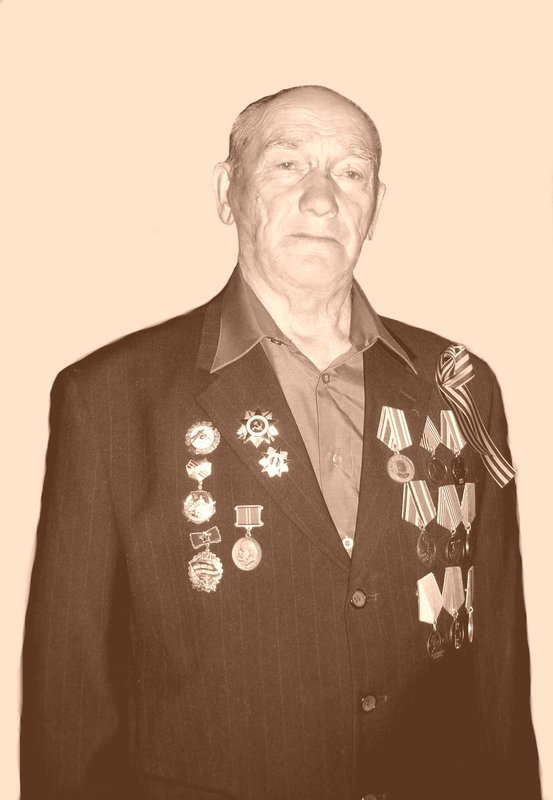
Borovtsov Nikolay Vasilyevich
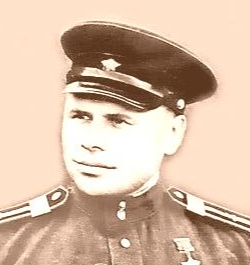
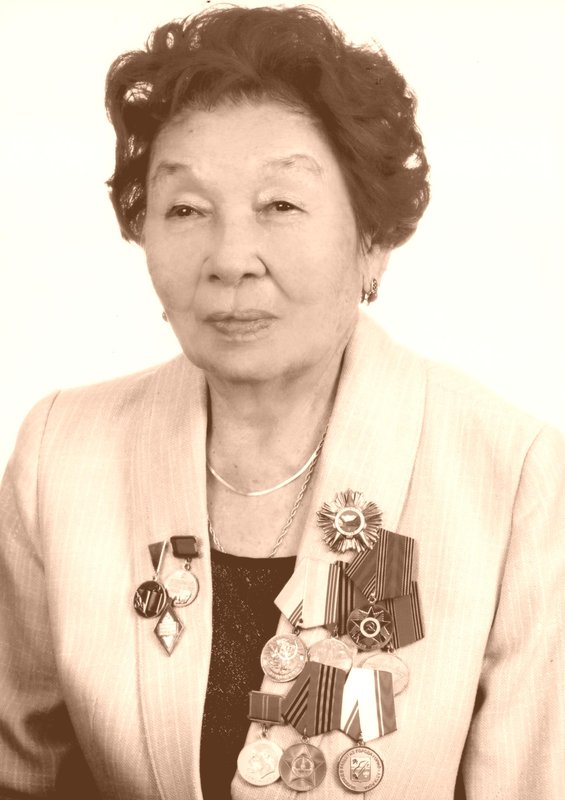
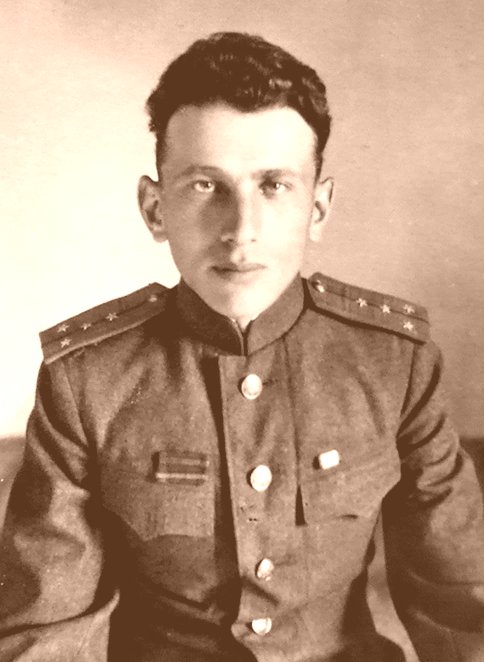
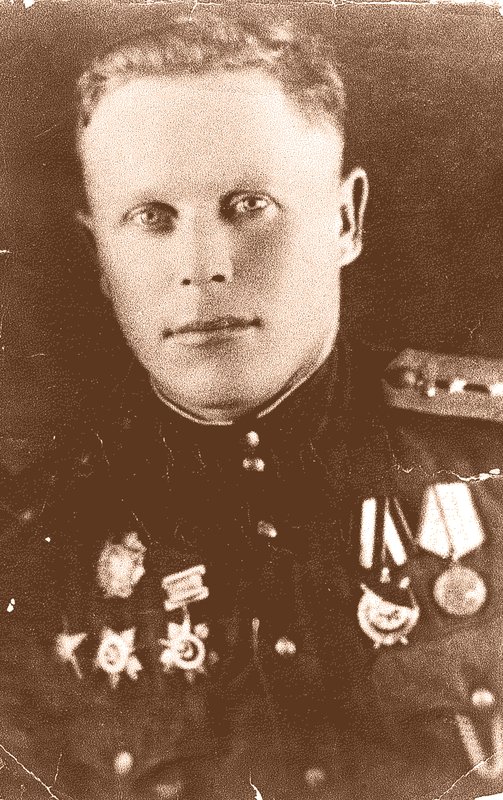
When he was young, he came to the village of Beket in the Yaysky district of the Kemerovo region and lived there all his life. Only once did he have to leave his native village for five years, and even then not of his own free will. In 1942, as an eighteen-year-old boy, he was drafted into the army and sent to the East, where it was restless. The Japanese, who captured part of Sakhalin island in 1905 and launched a war with China in 1938 and 1939, constantly threatened the Soviet Union. They were allies of Germany. Nicholay was in the marine corps, the troops of the coast guard. First he served in Vladivostok, then in Sovgavan, in the port of Vanino. Nikolai Vasilyevich was a good marksman. The command noticed this and sent him to study at the sniper school. On the Western front, Everything was moving towards victory, and in the East, the Japanese began to prepare for war. It was here that the war caught him in 1945, and he met it on southern Sakhalin. On Sakhalin, my grandfather, as a sniper, guarded and protected important military facilities that were attacked by the Japanese. Every day our soldiers were shelled and often died, but Nikolai Borovtsov was lucky to be alive, although his health was compromised. Together with his comrades, he took 17 Japanese prisoners. According to the order of the Supreme Commander-in-Chief of the Generalissimo of the Soviet Union, Comrade Stalin No. 372 of August 23, 1945, among the distinguished Red Fleet, Sergeants and officers of ships and units of the Pacific Fleet, for excellent combat operations with the Japanese in the Far East, corporal Borovtsov Nikolay Vasilyevich was declared gratitude. He told how the Japanese tortured our prisoners very cruelly: "Two hungry rats were put in a bucket and tied to the naked stomach of a prisoner who was dying in severe torment.” All the soldiers were afraid of being captured. He also told how all the soldiers got sick with scurvy, their gums ached and their teeth fell out, and they were saved by introducing sauerkraut into their diet. In 1947, after being discharged from the army, Nikolai Vasilyevich returned to his native village. His chest was decorated with medals "for the Victory over Japan", the badge "Best sniper", the order of the Patriotic War. My grandfather has 15 medals and orders. After the war, he worked at the Rodina collective farm as a tractor driver, then as a foreman of animal husbandry and field breeding. For conscientious work, he has many certificates and medals.
Borovtsov Nikolay Vasilyevich
When he was young, he came to the village of Beket in the Yaysky district of the Kemerovo region and lived there all his life. Only once did he have to leave his native village for five years, and even then not of his own free will. In 1942, as an eighteen-year-old boy, he was drafted into the army and sent to the East, where it was restless. The Japanese, who captured part of Sakhalin island in 1905 and launched a war with China in 1938 and 1939, constantly threatened the Soviet Union. They were allies of Germany. Nicholay was in the marine corps, the troops of the coast guard. First he served in Vladivostok, then in Sovgavan, in the port of Vanino. Nikolai Vasilyevich was a good marksman. The command noticed this and sent him to study at the sniper school. On the Western front, Everything was moving towards victory, and in the East, the Japanese began to prepare for war. It was here that the war caught him in 1945, and he met it on southern Sakhalin. On Sakhalin, my grandfather, as a sniper, guarded and protected important military facilities that were attacked by the Japanese. Every day our soldiers were shelled and often died, but Nikolai Borovtsov was lucky to be alive, although his health was compromised. Together with his comrades, he took 17 Japanese prisoners. According to the order of the Supreme Commander-in-Chief of the Generalissimo of the Soviet Union, Comrade Stalin No. 372 of August 23, 1945, among the distinguished Red Fleet, Sergeants and officers of ships and units of the Pacific Fleet, for excellent combat operations with the Japanese in the Far East, corporal Borovtsov Nikolay Vasilyevich was declared gratitude. He told how the Japanese tortured our prisoners very cruelly: "Two hungry rats were put in a bucket and tied to the naked stomach of a prisoner who was dying in severe torment.” All the soldiers were afraid of being captured. He also told how all the soldiers got sick with scurvy, their gums ached and their teeth fell out, and they were saved by introducing sauerkraut into their diet. In 1947, after being discharged from the army, Nikolai Vasilyevich returned to his native village. His chest was decorated with medals "for the Victory over Japan", the badge "Best sniper", the order of the Patriotic War. My grandfather has 15 medals and orders. After the war, he worked at the Rodina collective farm as a tractor driver, then as a foreman of animal husbandry and field breeding. For conscientious work, he has many certificates and medals.
0 comment



2026 © Russian Military Historical Society Developed by Jetmix