Barantaeva Maria Alekseevna
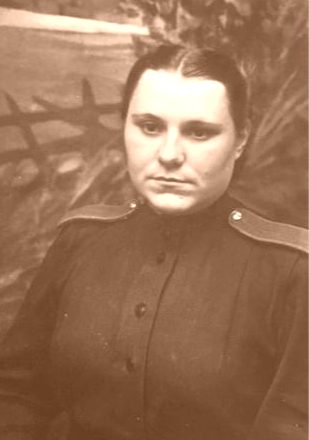
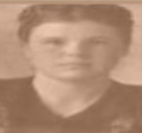
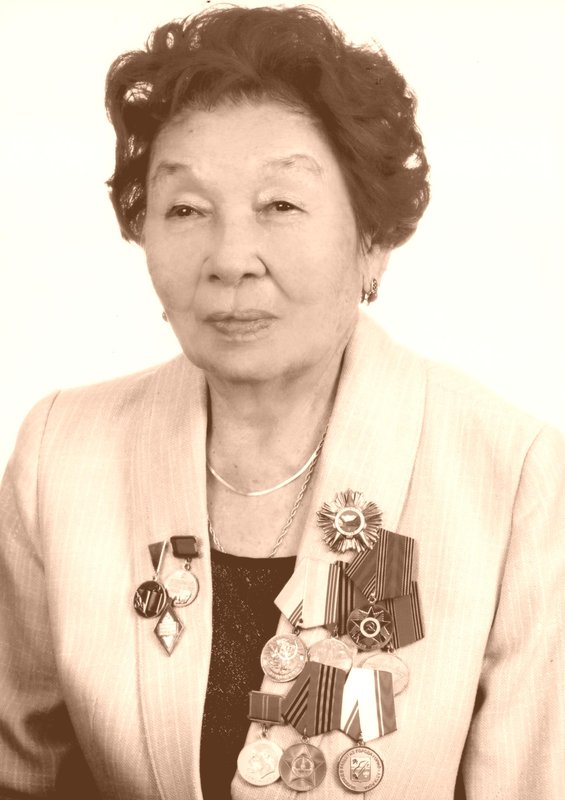
Maria Alekseevna Barantaeva (Sulukova), a rear worker. Maria Alekseyevna was born on September 20, 1927 in the village of Kuyum, Shebalinsky district, Gorno-Altay Autonomous region (now Chemalsky district of the Altai Republic). She began her teaching career on October 1, 1944 at the Elikmanar seven-year school as a primary school teacher, where she was invited after finishing the ninth grade of the Oyrot pedagogical school. During the war and post-war years, the young teacher had a hard time when the children did not have notebooks, textbooks, clean paper, but she found a way out. The issued party magazines were drawn for each student for writing and arithmetic lessons. It's hard to imagine now, but many people did it in those years. "Bread was given by cards," recalls Maria Alekseevna. Every day, after leaving the boarding school, we looked at the bakery that was located on the other side of the river. If the smoke is coming from the chimney – there will be bread today, if not-then no. They believed that the lucky one was he who had potatoes in the first dish along with cabbage. The boys often went to the villagers to chop wood to earn a bucket of potatoes. The school and boarding school had stove heating. Every day we were given six pieces of wood for a room. We selected one of them for splinters. They were dried, and in the evenings, when there was no or not enough kerosene, the one on duty burned a splinter, the others at the table did their homework. There wasn't enough wood. So the boys sometimes walked around the village at night and took their hats off the posts of the wooden sidewalks. By spring, we were so weak that we could barely climb up to the second floor. We were going to have another test in the spring: the rabfak had a subsidiary farm where vegetables were grown for the dining room. The site was located behind the village in a small field, not out of the blue. Here everyone was assigned a hundred sq.metres of land, which we had to dig by hand. Employees and teachers were involved in this work.» After the war, Maria worked as a primary school teacher in Verkhny-Anosin primary school, and as a Russian language teacher in the regional national and Maimin secondary schools. Maria Alekseevna says: "I am a happy person, because from the very beginning I was surrounded by teachers from God. They taught me to truly love this profession, to see the future of every child..." Maria Alexeevna is an Honored Teacher of the school of the RSFSR, an excellent example of public educationer, a holder of the Order of the Republic of Altai "Tan Cholmon" ("Morning Star"), a veteran of pedagogical work, the author of programs, textbooks, teaching aids in the Altai language for primary classes.
Barantaeva Maria Alekseevna
Maria Alekseevna Barantaeva (Sulukova), a rear worker. Maria Alekseyevna was born on September 20, 1927 in the village of Kuyum, Shebalinsky district, Gorno-Altay Autonomous region (now Chemalsky district of the Altai Republic). She began her teaching career on October 1, 1944 at the Elikmanar seven-year school as a primary school teacher, where she was invited after finishing the ninth grade of the Oyrot pedagogical school. During the war and post-war years, the young teacher had a hard time when the children did not have notebooks, textbooks, clean paper, but she found a way out. The issued party magazines were drawn for each student for writing and arithmetic lessons. It's hard to imagine now, but many people did it in those years. "Bread was given by cards," recalls Maria Alekseevna. Every day, after leaving the boarding school, we looked at the bakery that was located on the other side of the river. If the smoke is coming from the chimney – there will be bread today, if not-then no. They believed that the lucky one was he who had potatoes in the first dish along with cabbage. The boys often went to the villagers to chop wood to earn a bucket of potatoes. The school and boarding school had stove heating. Every day we were given six pieces of wood for a room. We selected one of them for splinters. They were dried, and in the evenings, when there was no or not enough kerosene, the one on duty burned a splinter, the others at the table did their homework. There wasn't enough wood. So the boys sometimes walked around the village at night and took their hats off the posts of the wooden sidewalks. By spring, we were so weak that we could barely climb up to the second floor. We were going to have another test in the spring: the rabfak had a subsidiary farm where vegetables were grown for the dining room. The site was located behind the village in a small field, not out of the blue. Here everyone was assigned a hundred sq.metres of land, which we had to dig by hand. Employees and teachers were involved in this work.» After the war, Maria worked as a primary school teacher in Verkhny-Anosin primary school, and as a Russian language teacher in the regional national and Maimin secondary schools. Maria Alekseevna says: "I am a happy person, because from the very beginning I was surrounded by teachers from God. They taught me to truly love this profession, to see the future of every child..." Maria Alexeevna is an Honored Teacher of the school of the RSFSR, an excellent example of public educationer, a holder of the Order of the Republic of Altai "Tan Cholmon" ("Morning Star"), a veteran of pedagogical work, the author of programs, textbooks, teaching aids in the Altai language for primary classes.
0 comment




2026 © Russian Military Historical Society Developed by Jetmix