
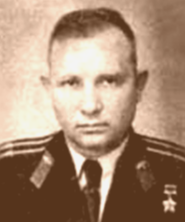
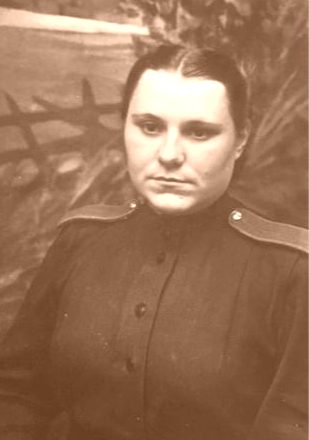
Elistratova Anna Panteleimonovna
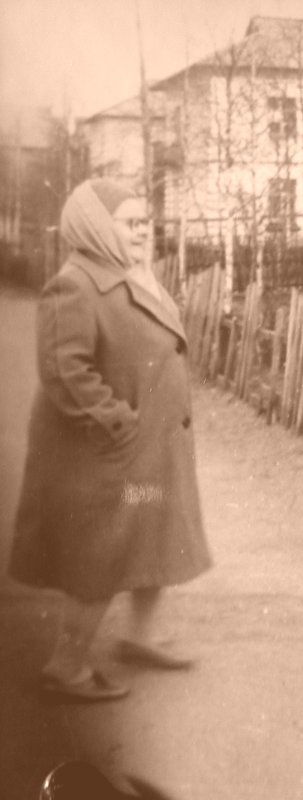
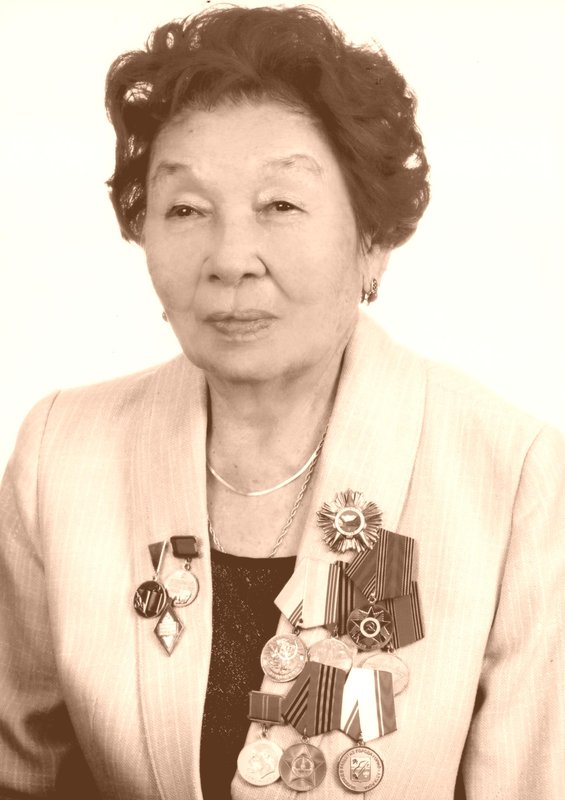
Anna Panteleimonovna was born on July 26, 1924 in the village of Ilinka, Alekseyevsky district, Belgorod region. Her parents worked at a collective farm. Anna graduated from seventh grade and enrolled in nursing courses, after which she was assigned to work in the Alekseevskaya District Hospital as a nurse in the Infectious Diseases Department. In March 1943, she was drafted into the Red Army and sent to serve in the front-line evacuation hospital No. 1189. The hospital followed the leading units of the Red Army everywhere. Anna Panteleimonovna Elistratova-participant of the battle of Kursk and the Korsun-Shevchenko operation. From the Kursk bulge, she marched through Romania and Hungary, the cities of Bucharest, Ploiesti, Debrecen, Eger, Miskolts, where she welcomed Victory Day on May 9, 1945. During the Great Patriotic War she was awarded the medal "For the victory over Germany in the Great Patriotic War of 1941-1945", the medal of Zhukov, the Order of Patriotic War II degree, jubilee medals, the badge "400 years of Tomsk". Over 30 years after the war, she worked in medical institutions in Tomsk. She has many gratitude certificates from the administration and patients. She passed away in 2017. From the memoirs of A. P. Elistratova: "the first and most terrible baptism of fire was the battle of Kursk. July 1943 was very hot and the battles were fierce. There were a lot of wounded, some were carried, those who could move - walked. It will never be forgotten, I remember it with deep pain and fear. In August 1943, the troops of the Second Ukrainian front (I was part of it until the end of the war) moved to the Ukraine, the hospital followed the front to the Dnieper. The battles were fierce. We stopped in Kremenchug close to the front line – our troops on one side of the Dnieper, the fascists were on the other. The enemy bombed and fired from guns, preventing our troops from crossing. After winning, we moved to the Iasi-Kishinev operation. At the end of 1943, we joined the front in Romania and Hungary. In Hungary, in the city of Debrecen, we stood in reserve, then went on to the city of Eger, where we deployed a hospital to receive the wounded. And again, the order was to move on. Arriving in Mishkolts, we deployed in a few hours and immediately began to receive the wounded. There were a lot of wounded, there were fights for Budapest and on lake Balaton. We were on duty in the dressing room for days, and also worked in case the enemy used chemical gases. And I met Victory day on May 9, 1945 here. And although the war was over, the hospital was disbanded only in September 1945-the wounded were being treated. Then I was sent to hospital 3484 for the wounded with amputations of arms and legs. In March 1946, I was dismissed and came home. After the war, I worked in my specialty, got married in 1947, and raised two children with my husband."
Elistratova Anna Panteleimonovna
Anna Panteleimonovna was born on July 26, 1924 in the village of Ilinka, Alekseyevsky district, Belgorod region. Her parents worked at a collective farm. Anna graduated from seventh grade and enrolled in nursing courses, after which she was assigned to work in the Alekseevskaya District Hospital as a nurse in the Infectious Diseases Department. In March 1943, she was drafted into the Red Army and sent to serve in the front-line evacuation hospital No. 1189. The hospital followed the leading units of the Red Army everywhere. Anna Panteleimonovna Elistratova-participant of the battle of Kursk and the Korsun-Shevchenko operation. From the Kursk bulge, she marched through Romania and Hungary, the cities of Bucharest, Ploiesti, Debrecen, Eger, Miskolts, where she welcomed Victory Day on May 9, 1945. During the Great Patriotic War she was awarded the medal "For the victory over Germany in the Great Patriotic War of 1941-1945", the medal of Zhukov, the Order of Patriotic War II degree, jubilee medals, the badge "400 years of Tomsk". Over 30 years after the war, she worked in medical institutions in Tomsk. She has many gratitude certificates from the administration and patients. She passed away in 2017. From the memoirs of A. P. Elistratova: "the first and most terrible baptism of fire was the battle of Kursk. July 1943 was very hot and the battles were fierce. There were a lot of wounded, some were carried, those who could move - walked. It will never be forgotten, I remember it with deep pain and fear. In August 1943, the troops of the Second Ukrainian front (I was part of it until the end of the war) moved to the Ukraine, the hospital followed the front to the Dnieper. The battles were fierce. We stopped in Kremenchug close to the front line – our troops on one side of the Dnieper, the fascists were on the other. The enemy bombed and fired from guns, preventing our troops from crossing. After winning, we moved to the Iasi-Kishinev operation. At the end of 1943, we joined the front in Romania and Hungary. In Hungary, in the city of Debrecen, we stood in reserve, then went on to the city of Eger, where we deployed a hospital to receive the wounded. And again, the order was to move on. Arriving in Mishkolts, we deployed in a few hours and immediately began to receive the wounded. There were a lot of wounded, there were fights for Budapest and on lake Balaton. We were on duty in the dressing room for days, and also worked in case the enemy used chemical gases. And I met Victory day on May 9, 1945 here. And although the war was over, the hospital was disbanded only in September 1945-the wounded were being treated. Then I was sent to hospital 3484 for the wounded with amputations of arms and legs. In March 1946, I was dismissed and came home. After the war, I worked in my specialty, got married in 1947, and raised two children with my husband."
0 comment



2026 © Russian Military Historical Society Developed by Jetmix