

Borisov Yakov Dmitrievich
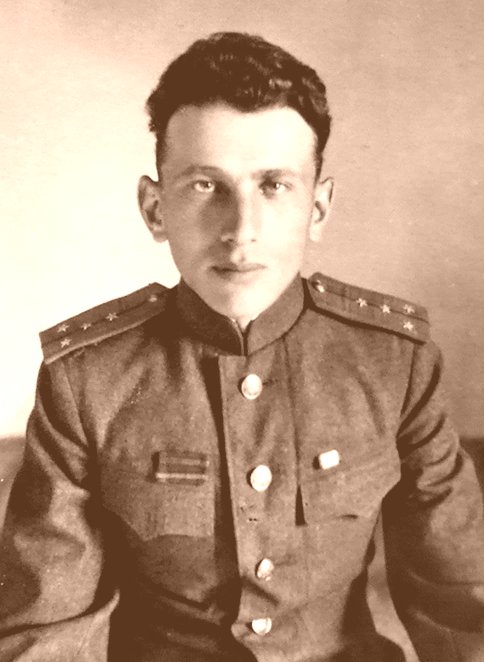
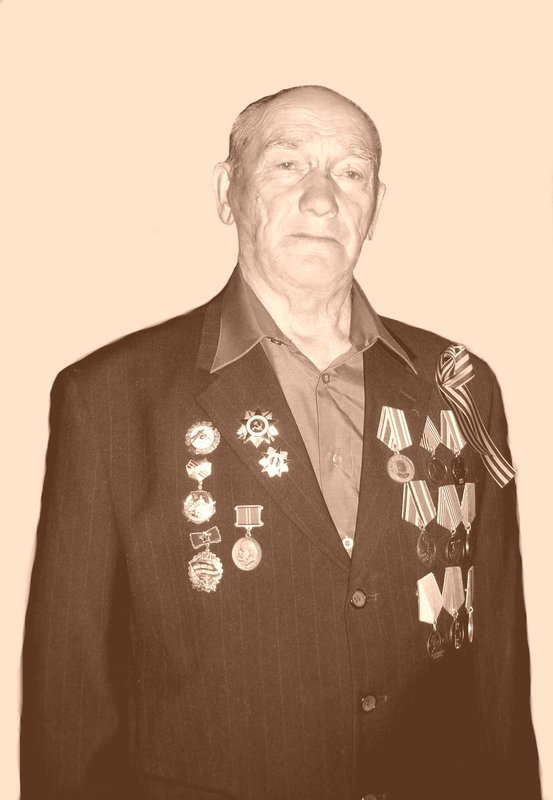
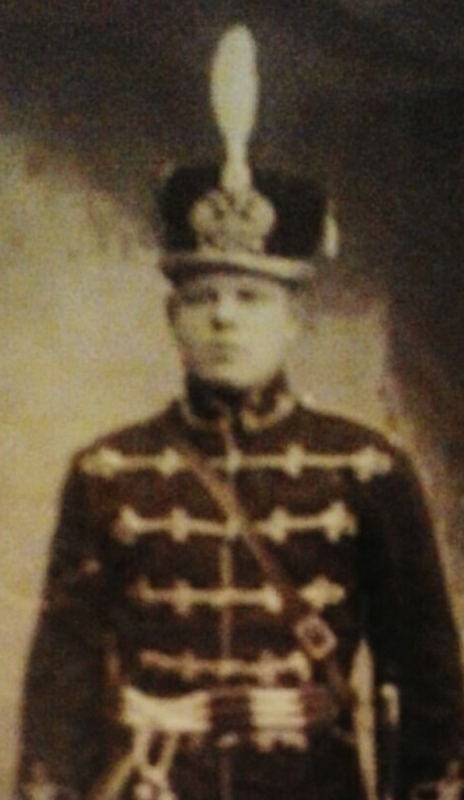
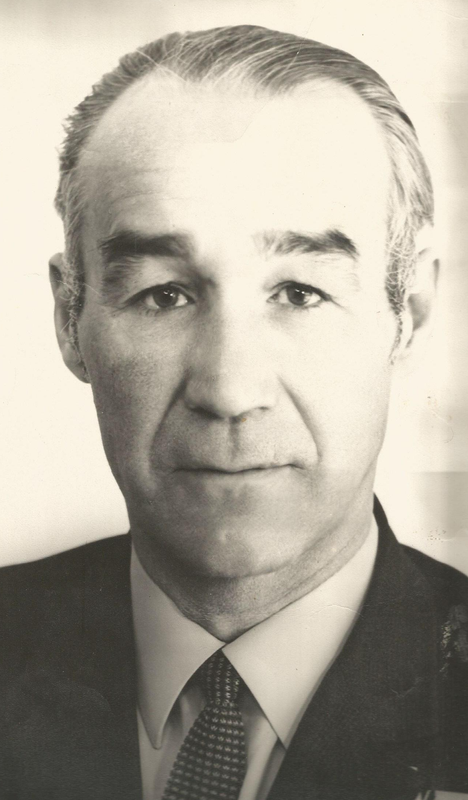
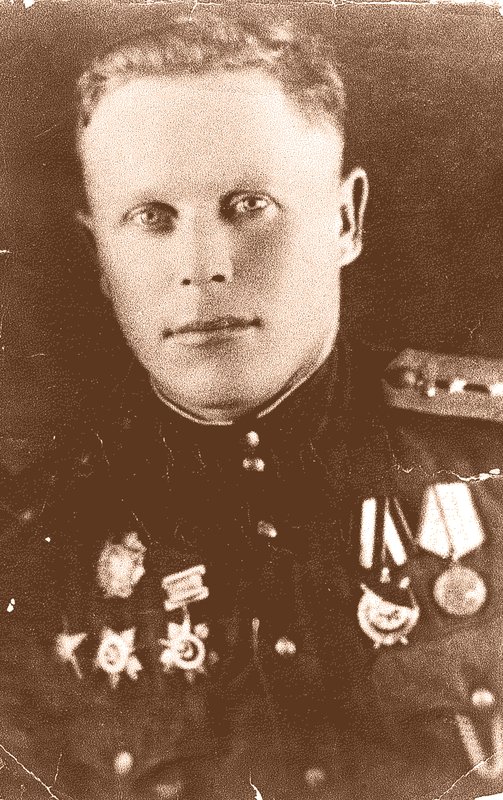
Drafted into the army in October 1939. He was sent to the tank troops, mastered the specialty of a mechanic-driver. Twice – on November 7, 1940 and May 1, 1941, the crew of his KV, including him, took part in parades on Red Square. This honor was given to the best of the best. And after these parades, he was among those who were invited to a reception in the Kremlin and were expressed gratitude. The third time he visited the Kremlin was in the summer of 1941. The order of the Red Star was then awarded to him by Mikhail Ivanovich Kalinin himself. According to the award list, the battle for which he was presented with the first high award was on the Striga river. He, being a driver-mechanic, perfectly prepared the material, drove it perfectly, ensuring the smooth operation of the crew. When the tank commander died heroically, he took his place and continued to fire from the damaged tank. Their 14th Tank division then held up the enemy. A special page in the biography of Borisov Ya.D. was the battle of Novorossiysk in September 1943. At that time, he was already commanding a platoon of heavy tanks of the 6th guards tank regiment. Novorossiysk was one of the most fortified areas on the so - called "Blue line" - the defense system on the Taman Peninsula. On September 10, 1943, the Novorossiysk offensive operation began. The main blow was delivered by the 18th army. By order of the North Caucasus Front's headquarters, a group of heavy tanks, based on the vehicles of the 6th Guards Regiment, was handed over to it. According to my grandfather's memoirs, the assault began on the morning of September 11, 1943. His platoon went through the Kamishovaya bulge. The bridge over which it could be crossed was destroyed by the enemy. Under fire, the sappers built a narrow tree-earth lintel. Heavy tanks were to pass along that road under the fire of the Nazi batteries. The first attempt to force the beam ended in failure - two tanks were hit. Only the next day, an obstacle was overcome under the smoke screen. The first tank that broke through to Novorossiysk was the KV, whose crew was commanded by Borisov Ya.D. aAfter that, the tanks entered the battle. He remembered it in smallest details. In the newspaper "Banner of the Motherland " from 16.09.1943 Borisov said: "Our tanks, interacting with the infantry, clearing their way, stormed into the streets of Novorossiysk. My tank was ordered to clear one street. The task is difficult. There were solid concrete pillboxes in the basements of the buildings. There were also many fire points set up in the gaps and destroyed walls of houses… But we had good cooperation with the infantry. They covered the car from the enemy's anti-tank weapons, did not let the Nazis to throw bottles of fuel mixture at us. The infantrymen helped us to quickly find targets by pointing missiles at them with tracer bullets. Following the direction of the missiles ' flight, we shot at enemy points at point-blank range. Senior mechanic-driver Gorev skillfully maneuvered, allowing the tank crew to fire quickly and accurately. Sixty shells were fired at the enemy. Stunned by the powerful artillery attack, the fascists abandoned their lairs and fled without looking back. Then they were shot with a machine gun by the guard's radio operator, senior Sergeant Motrechko. The tank completed its combat mission without receiving any damage.”. For that battle, Borisov Ya.D. was awarded the order of the Patriotic War I degree. According to the award list, the platoon destroyed 40 Hitlerites, 15 firing points and secured the capture of 4 blocks by infantry. Despite the severe wounds received in battle, Borisov Ya. D. went through the entire war until the Victory. At the end of the war, he commanded a company and participated in operations in East Prussia. There, in the area of Konigsberg, he saw May 1945. The family still has a photo taken in 1945 immediately after the Victory (attached). For military exploits, he had six orders and many medals. After the end of the war, he lived in the city of Ivanovo, married, and raised two children – a son and a daughter. He died at the age of 70 on November 25, 1988.
Borisov Yakov Dmitrievich
Drafted into the army in October 1939. He was sent to the tank troops, mastered the specialty of a mechanic-driver. Twice – on November 7, 1940 and May 1, 1941, the crew of his KV, including him, took part in parades on Red Square. This honor was given to the best of the best. And after these parades, he was among those who were invited to a reception in the Kremlin and were expressed gratitude. The third time he visited the Kremlin was in the summer of 1941. The order of the Red Star was then awarded to him by Mikhail Ivanovich Kalinin himself. According to the award list, the battle for which he was presented with the first high award was on the Striga river. He, being a driver-mechanic, perfectly prepared the material, drove it perfectly, ensuring the smooth operation of the crew. When the tank commander died heroically, he took his place and continued to fire from the damaged tank. Their 14th Tank division then held up the enemy. A special page in the biography of Borisov Ya.D. was the battle of Novorossiysk in September 1943. At that time, he was already commanding a platoon of heavy tanks of the 6th guards tank regiment. Novorossiysk was one of the most fortified areas on the so - called "Blue line" - the defense system on the Taman Peninsula. On September 10, 1943, the Novorossiysk offensive operation began. The main blow was delivered by the 18th army. By order of the North Caucasus Front's headquarters, a group of heavy tanks, based on the vehicles of the 6th Guards Regiment, was handed over to it. According to my grandfather's memoirs, the assault began on the morning of September 11, 1943. His platoon went through the Kamishovaya bulge. The bridge over which it could be crossed was destroyed by the enemy. Under fire, the sappers built a narrow tree-earth lintel. Heavy tanks were to pass along that road under the fire of the Nazi batteries. The first attempt to force the beam ended in failure - two tanks were hit. Only the next day, an obstacle was overcome under the smoke screen. The first tank that broke through to Novorossiysk was the KV, whose crew was commanded by Borisov Ya.D. aAfter that, the tanks entered the battle. He remembered it in smallest details. In the newspaper "Banner of the Motherland " from 16.09.1943 Borisov said: "Our tanks, interacting with the infantry, clearing their way, stormed into the streets of Novorossiysk. My tank was ordered to clear one street. The task is difficult. There were solid concrete pillboxes in the basements of the buildings. There were also many fire points set up in the gaps and destroyed walls of houses… But we had good cooperation with the infantry. They covered the car from the enemy's anti-tank weapons, did not let the Nazis to throw bottles of fuel mixture at us. The infantrymen helped us to quickly find targets by pointing missiles at them with tracer bullets. Following the direction of the missiles ' flight, we shot at enemy points at point-blank range. Senior mechanic-driver Gorev skillfully maneuvered, allowing the tank crew to fire quickly and accurately. Sixty shells were fired at the enemy. Stunned by the powerful artillery attack, the fascists abandoned their lairs and fled without looking back. Then they were shot with a machine gun by the guard's radio operator, senior Sergeant Motrechko. The tank completed its combat mission without receiving any damage.”. For that battle, Borisov Ya.D. was awarded the order of the Patriotic War I degree. According to the award list, the platoon destroyed 40 Hitlerites, 15 firing points and secured the capture of 4 blocks by infantry. Despite the severe wounds received in battle, Borisov Ya. D. went through the entire war until the Victory. At the end of the war, he commanded a company and participated in operations in East Prussia. There, in the area of Konigsberg, he saw May 1945. The family still has a photo taken in 1945 immediately after the Victory (attached). For military exploits, he had six orders and many medals. After the end of the war, he lived in the city of Ivanovo, married, and raised two children – a son and a daughter. He died at the age of 70 on November 25, 1988.
0 comment




2026 © Russian Military Historical Society Developed by Jetmix