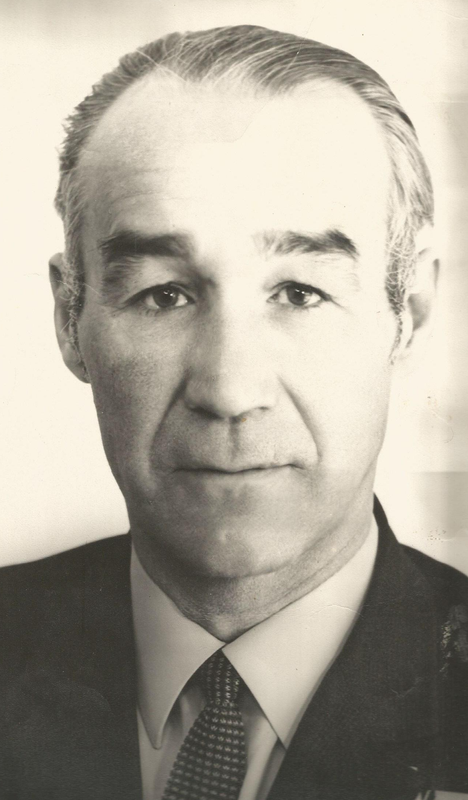


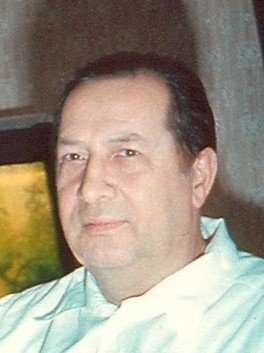


Kovtun Ivan Ivanovich
Branch of service: artillery. Memoirs of a Veteran: "One morning they announced: a concert is coming to our battery. At eleven o'clock, the entire regiment (1679 art.min.regiment, three cannon batteries and three mortars) gathered in a clearing in the forest, the soldiers were placed as best they could. A ZIS-5 car with its sides down pulled up. A woman, accompanied by two officers, came up the stairs to the car. A very beautiful woman with a blue handkerchief in her hand. She sang a song: "a blue humble handkerchief fell from the lowered shoulders." The boys gave a standing ovation. And so they stood until the end of the concert. She also sang a lot of good songs: "Valenki" and other songs. It was Lydia Andreyevna Ruslanova. How she sings, how beautiful she is! What a great impression she made on us, ordinary soldiers. That is how she is, our Motherland! "TEACHER AND WRITER IVAN KOVTUN. Ivan Ivanovich Kovtun wrote two books. One is a scientific one, about the cultivation of winter wheat using intensive technology, and the second is "Private soldiers of war", about his participation in the battle with the fascists. In June 1942, on the day of the last exam for the tenth grade, Ivan Kovtun and many graduates received summons demanding to come to the military enlistment office with warm clothes and food for ten days. Given the fact that they were not old enough for the front, they were sent to dig trenches in the Yashkul region of Kalmykia. Six weeks later, the North Caucasus was occupied by the Nazis. The youth, mobilized for the construction of the fortified area, remained fifty kilometers from the front line. In January 1943, the occupiers were driven out of Stavropol. In early March, a herd of untrained horses was brought to the field camp. Future cavalrymen officers ordered: "Catch horses, train, learn to manage, take care of them!" Ten days later, the formed cavalry regiment went on a campaign, through Divnoye and Stavropol reached Nevinnomyssk. The personnel and horses were loaded into the train and sent to the combat area, on the left bank of the Don. Ivan Kovtun was assigned to the 1679 artillery and mortar regiment of the 32nd cavalry division of the 3rd guards cavalry corps. He passed accelerated artillery courses. In the first months, he served as an assistant gunner of the ZIS-3 anti-tank gun, then as a gunner and gun commander. The cannon weighed about two tons and was transported by six heavy-duty horses. And in impassable places, 6 people of the combat crew were harnessed as well. I. Kovtun participated in the Smolensk offensive operation, liberated Belarus. He was wounded, but did not return to his regiment after returning from the hospital. He was assigned to the 262nd rifle regiment of the 184th Rifle division of the 5th Army. As part of the 3rd Belorussian front, their regiment entered East Prussia and drove the fascists out of Konigsberg. On May 7, 1945, the entire 5th Army was sent to the far Eastern front to fight the Japanese. I. Kovtun participated in Manzhurskaya operation. Five medals marked his soldier's feat: "For Merit in Action", "For Bravery", "For the capture of Koenigsberg", for the victory over Germany and Japan. He was discharged from the army in October 1946. The memory of the war left scars from four wounds, and seven shrapnel, deeply embedded in the body, which could not be removed by surgeons. The shards had bothered him all his life, especially in bad weather.
Kovtun Ivan Ivanovich
Branch of service: artillery. Memoirs of a Veteran: "One morning they announced: a concert is coming to our battery. At eleven o'clock, the entire regiment (1679 art.min.regiment, three cannon batteries and three mortars) gathered in a clearing in the forest, the soldiers were placed as best they could. A ZIS-5 car with its sides down pulled up. A woman, accompanied by two officers, came up the stairs to the car. A very beautiful woman with a blue handkerchief in her hand. She sang a song: "a blue humble handkerchief fell from the lowered shoulders." The boys gave a standing ovation. And so they stood until the end of the concert. She also sang a lot of good songs: "Valenki" and other songs. It was Lydia Andreyevna Ruslanova. How she sings, how beautiful she is! What a great impression she made on us, ordinary soldiers. That is how she is, our Motherland! "TEACHER AND WRITER IVAN KOVTUN. Ivan Ivanovich Kovtun wrote two books. One is a scientific one, about the cultivation of winter wheat using intensive technology, and the second is "Private soldiers of war", about his participation in the battle with the fascists. In June 1942, on the day of the last exam for the tenth grade, Ivan Kovtun and many graduates received summons demanding to come to the military enlistment office with warm clothes and food for ten days. Given the fact that they were not old enough for the front, they were sent to dig trenches in the Yashkul region of Kalmykia. Six weeks later, the North Caucasus was occupied by the Nazis. The youth, mobilized for the construction of the fortified area, remained fifty kilometers from the front line. In January 1943, the occupiers were driven out of Stavropol. In early March, a herd of untrained horses was brought to the field camp. Future cavalrymen officers ordered: "Catch horses, train, learn to manage, take care of them!" Ten days later, the formed cavalry regiment went on a campaign, through Divnoye and Stavropol reached Nevinnomyssk. The personnel and horses were loaded into the train and sent to the combat area, on the left bank of the Don. Ivan Kovtun was assigned to the 1679 artillery and mortar regiment of the 32nd cavalry division of the 3rd guards cavalry corps. He passed accelerated artillery courses. In the first months, he served as an assistant gunner of the ZIS-3 anti-tank gun, then as a gunner and gun commander. The cannon weighed about two tons and was transported by six heavy-duty horses. And in impassable places, 6 people of the combat crew were harnessed as well. I. Kovtun participated in the Smolensk offensive operation, liberated Belarus. He was wounded, but did not return to his regiment after returning from the hospital. He was assigned to the 262nd rifle regiment of the 184th Rifle division of the 5th Army. As part of the 3rd Belorussian front, their regiment entered East Prussia and drove the fascists out of Konigsberg. On May 7, 1945, the entire 5th Army was sent to the far Eastern front to fight the Japanese. I. Kovtun participated in Manzhurskaya operation. Five medals marked his soldier's feat: "For Merit in Action", "For Bravery", "For the capture of Koenigsberg", for the victory over Germany and Japan. He was discharged from the army in October 1946. The memory of the war left scars from four wounds, and seven shrapnel, deeply embedded in the body, which could not be removed by surgeons. The shards had bothered him all his life, especially in bad weather.
0 comment




2026 © Russian Military Historical Society Developed by Jetmix