


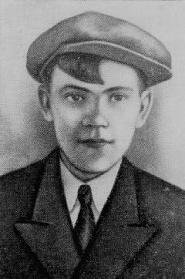


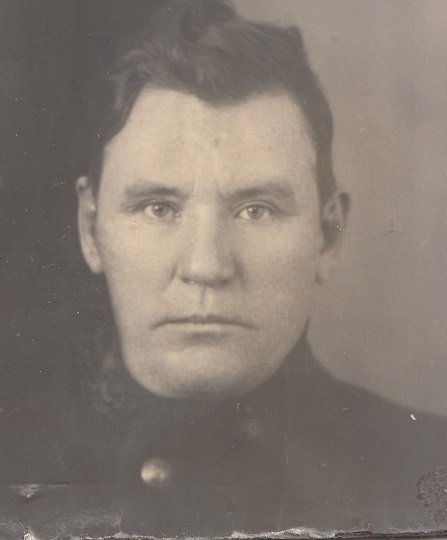


Kiyutin Fyodor Demyanovich
Rank: Petty officer Branch: Artillery And spring again… The air is filled with the sweet aroma of blooming lilacs and lilies of the valley; the sky is strikingly blue, and the dazzling bright sun caresses the earth with its rays. It seems that a new life is beginning. It is at this time that we all have a well-known holiday – May 9, Victory Day. My family has a special attitude towards this holiday. We keep in mind the events of the Great Patriotic War, which my great-grandfather had a chance to experience. He, like You, slowly but surely went to Victory, fought for the bright future of his descendants. My great-grandfather, Fyodor Kiyutin, was born on September 23, 1916. in Kursk region. In 1937, he was drafted into the army and, after serving for 2 years, remained on long-term service. In 1939, my great-grandfather participated in the battle of Khalkhin-Gol. At dawn on June 22, 1941, without declaring war, the German army fell with all its might on Soviet soil. Thousands of artillery guns opened fire on Soviet territory. Aviation attacked airfields, military garrisons, communication centers, command posts of the Red Army, the largest industrial facilities in Ukraine, Belarus, and the Baltic States. The Great Patriotic War of the Soviet people began. On the same day, the general mobilization of those liable for military duty was announced, martial law was introduced in the country's regions. My great-grandfather was transferred with military echelons to the Leningrad front. One of the most heroic and tragic pages of the wartime was the defense of Leningrad. Hitler's command attached special importance to taking this city. The early winter brought a severe test to the defenders of the city-a terrible cold. The defenders were able to withstand it only thanks to their unparalleled courage. In the battles near Leningrad, on the Pulkovo heights, great-grandfather Fyodor was wounded in the leg and sent to thospital. After the battle, nurse Nina found him among the wounded and carried him out of the battlefield. In memory of his saved lfe, he named his daughter Nina. After treatment in 1943, he was sent to the Ukrainian front. In mid-September, an unprecedented battle for the Dnieper began. On its steep right bank, the Germans built a system of fortifications ("Eastern wall"), which made it, in their opinion, impregnable. Hitler said with pathos that " the Dnieper will flow back rather than the Russians will overcome it." However, the Soviet soldier could not be stopped by the "Eastern wall" - on November 6, Kiev was liberated, and the Dnieper was crossed in most directions. My great-grandfather Fyodor Demyanovich fought on the Dnieper in heavy artillery. He took part in crossing of the Dnieper. During the battle for the Dnieper, 38 thousand settlements were liberated. With the capture of strategic bridgeheads on the Dnieper, conditions have been created for future offensives. In 1944, he was transferred to the Baltic front. By this year, Germany had suffered significant losses, but was still a strong opponent. Almost 2/3 of its divisions (up to 5 million man) were kept on the Soviet-German front. In the Baltic States, my great-grandfather fought a fierce battle for the city of Shauliai. He also participated in battles at the height where the "Kostel" was located. The soldiers of our army, along with my great-grandfather, retreated several times, then went on the offensive. As a result, the soldiers of the Soviet army won, but there were many losses. In 1945, he fought on the Belorussian front. The most powerful attack was in the central direction, where the enemy did not expect an attack due to the abundance of lakes and swamps. Not only the whole of Soviet Belarus was liberated from the enemy, but also a significant part of Lithuania and Eastern Poland. As a platoon commander, he participated in battles in Romania, Serbia, Croatia, Hungary, Bulgaria, Poland, Czechoslovakia, and Germany. Forty kilometers from Berlin in the city of Mannerheim, he learned about the victory of Soviet troops over the Nazi invaders. In 1945, he reached Berlin and remained until 1946 to restore the destruction and maintain order. My great-grandfather Kijutin Fedor Demjanovich was awarded:- Medal "For fighting merits" - 1942 - Medal "For bravery" - 1944 - Medal "For bravery" - Order of Glory of the 3d degree. - 1944 - Medal "For the capture of Koenigsberg" - 1947 - Medal "For the victory over Germany" - 1946 - "Order of the Great Patriotic War of the 1st degree". In 1947 he returned home. He worked as a foreman, warehouse Manager, farm Manager, Chairman of the audit Commission. In peacetime, he was awarded commemorative medals and certificates of honor. He died in 1987.
Kiyutin Fyodor Demyanovich
Rank: Petty officer Branch: Artillery And spring again… The air is filled with the sweet aroma of blooming lilacs and lilies of the valley; the sky is strikingly blue, and the dazzling bright sun caresses the earth with its rays. It seems that a new life is beginning. It is at this time that we all have a well-known holiday – May 9, Victory Day. My family has a special attitude towards this holiday. We keep in mind the events of the Great Patriotic War, which my great-grandfather had a chance to experience. He, like You, slowly but surely went to Victory, fought for the bright future of his descendants. My great-grandfather, Fyodor Kiyutin, was born on September 23, 1916. in Kursk region. In 1937, he was drafted into the army and, after serving for 2 years, remained on long-term service. In 1939, my great-grandfather participated in the battle of Khalkhin-Gol. At dawn on June 22, 1941, without declaring war, the German army fell with all its might on Soviet soil. Thousands of artillery guns opened fire on Soviet territory. Aviation attacked airfields, military garrisons, communication centers, command posts of the Red Army, the largest industrial facilities in Ukraine, Belarus, and the Baltic States. The Great Patriotic War of the Soviet people began. On the same day, the general mobilization of those liable for military duty was announced, martial law was introduced in the country's regions. My great-grandfather was transferred with military echelons to the Leningrad front. One of the most heroic and tragic pages of the wartime was the defense of Leningrad. Hitler's command attached special importance to taking this city. The early winter brought a severe test to the defenders of the city-a terrible cold. The defenders were able to withstand it only thanks to their unparalleled courage. In the battles near Leningrad, on the Pulkovo heights, great-grandfather Fyodor was wounded in the leg and sent to thospital. After the battle, nurse Nina found him among the wounded and carried him out of the battlefield. In memory of his saved lfe, he named his daughter Nina. After treatment in 1943, he was sent to the Ukrainian front. In mid-September, an unprecedented battle for the Dnieper began. On its steep right bank, the Germans built a system of fortifications ("Eastern wall"), which made it, in their opinion, impregnable. Hitler said with pathos that " the Dnieper will flow back rather than the Russians will overcome it." However, the Soviet soldier could not be stopped by the "Eastern wall" - on November 6, Kiev was liberated, and the Dnieper was crossed in most directions. My great-grandfather Fyodor Demyanovich fought on the Dnieper in heavy artillery. He took part in crossing of the Dnieper. During the battle for the Dnieper, 38 thousand settlements were liberated. With the capture of strategic bridgeheads on the Dnieper, conditions have been created for future offensives. In 1944, he was transferred to the Baltic front. By this year, Germany had suffered significant losses, but was still a strong opponent. Almost 2/3 of its divisions (up to 5 million man) were kept on the Soviet-German front. In the Baltic States, my great-grandfather fought a fierce battle for the city of Shauliai. He also participated in battles at the height where the "Kostel" was located. The soldiers of our army, along with my great-grandfather, retreated several times, then went on the offensive. As a result, the soldiers of the Soviet army won, but there were many losses. In 1945, he fought on the Belorussian front. The most powerful attack was in the central direction, where the enemy did not expect an attack due to the abundance of lakes and swamps. Not only the whole of Soviet Belarus was liberated from the enemy, but also a significant part of Lithuania and Eastern Poland. As a platoon commander, he participated in battles in Romania, Serbia, Croatia, Hungary, Bulgaria, Poland, Czechoslovakia, and Germany. Forty kilometers from Berlin in the city of Mannerheim, he learned about the victory of Soviet troops over the Nazi invaders. In 1945, he reached Berlin and remained until 1946 to restore the destruction and maintain order. My great-grandfather Kijutin Fedor Demjanovich was awarded:- Medal "For fighting merits" - 1942 - Medal "For bravery" - 1944 - Medal "For bravery" - Order of Glory of the 3d degree. - 1944 - Medal "For the capture of Koenigsberg" - 1947 - Medal "For the victory over Germany" - 1946 - "Order of the Great Patriotic War of the 1st degree". In 1947 he returned home. He worked as a foreman, warehouse Manager, farm Manager, Chairman of the audit Commission. In peacetime, he was awarded commemorative medals and certificates of honor. He died in 1987.
0 comment




2026 © Russian Military Historical Society Developed by Jetmix