





Kochetkov Petr Vasilyevich
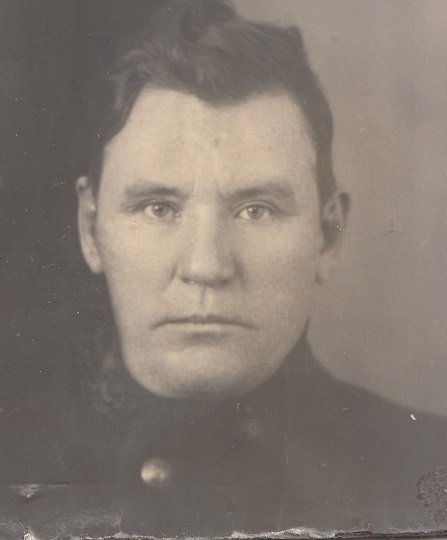
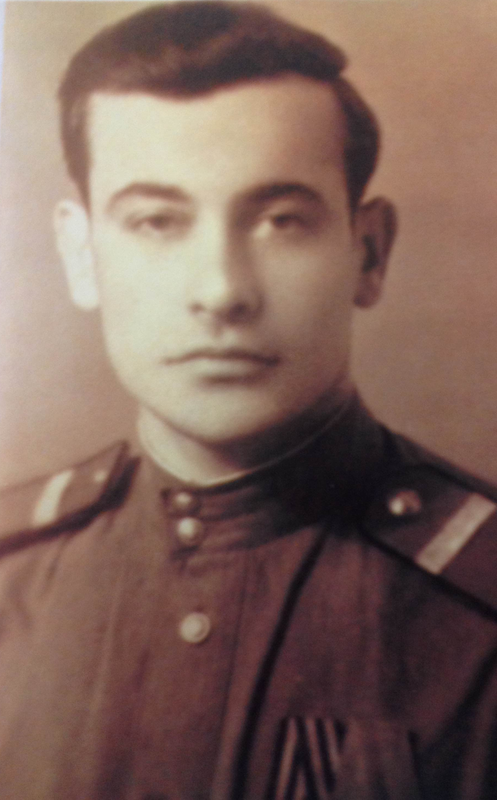
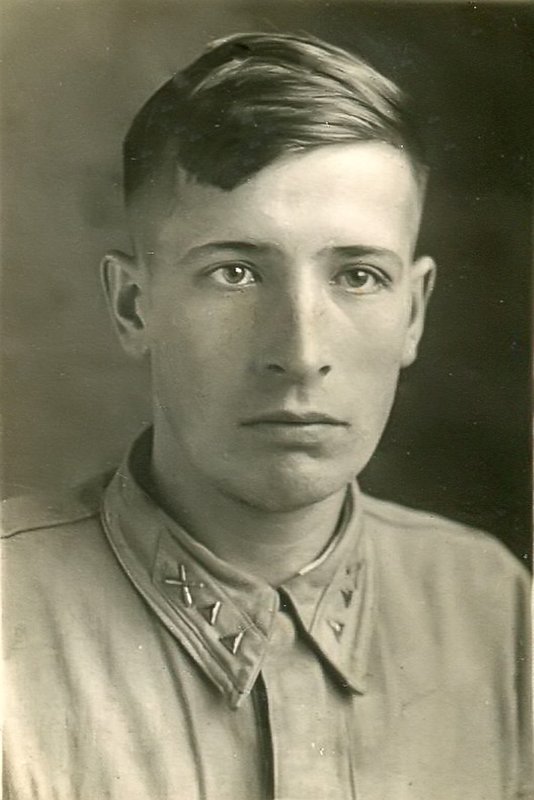
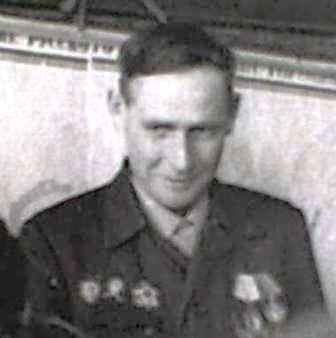
Rank: Corporal Troops: Communications Troops. Kochetkov was the smallest in the unit, both by age and height. Therefore he was always in the front rows of intelligence. When the war started, Petya Kochetkov was 15. In the village of Gorodishche, where he was born and grew up, every day they were waiting for reports of Soviet Information Bureau from the battlefields. In the distant Orenburg region then, at the very beginning of those terrible five years, it seemed that just a little more, and our people would win the war, drive the damned fascists from Soviet territory. Almost immediately, his older brother was called to the front. They were never to see each other again. The time passed. There were less and less friends around, with the advent of the 18th birthday the guys went to the front. And they had been waiting for reports for a long time not with certainty - with anxiety And in the Kochetkov family, with the approach of winter 44, there was another summons. It was time for Petya to try on a military uniform... With the first white flies, the guy who just celebrated his 18th birthday was drafted into the Red Army. Several dozens of boys were escorted from the Gorodischa and neighboring villages. Through the frozen mud, on what seemed to be an endless line of wagons, they went to the Pavlovsk camps near Orenburg. There, the recruits were trained in the service. At that time, it was interesting for Petya to look at the neighboring wagon train, where rifles were "riding" under the supervision of a very young girl. He held a weapon in his hands - there was a military-patriotic training at the school and a retired lieutenant colonel trained them well. But real, combat... The course of study was very short. And thanks to school classes, Petya became the first in combat and political training. He quickly learned to read topographic maps and handle the instruments that helped to correct artillery fire. Once in the active army, excellent student Kochetkov was sent to the reconnaissance company. When the battle is underway - in front of the artillery, three kilometers ahead, the reconnaissance should advance. It was necessary to direct the "Katyusha" to the main pain points of the enemy. It was necessary to calculate how quickly and where his comrades needed to move. And the main task of the scouts was to select convenient places to place observation posts. They also had to dig trenches overnight, establish communications, and disguise their temporary shelters. And all this-unnoticed by the enemy, otherwise - instant death. The ground trembled under his feet. The first experience of carrying out a patrol in the observation post Petya remembered for a lifetime. The fascists responded with incessant fire. The ground in the truest sense of the word was shaking under their feet, the ground was falling from all the cracks of the fortified dugout. It seemed like the end of the world. Man is an amazing creature. But you get used to everything. And in war, you get used to it ten times faster. So private Kochetkov soon got used to hearing shell bursts over his head, seeing his comrades dying, and enduring all the hardships of front-line life. No one counted how many observation posts were equipped. And it was unlikely that this was possible - the army was moving in the direction of Czechoslovakia, freeing more and more important strongholds on its way. And how many times Kochetkov was sent to the enemy's rear! One particularly memorable case was when the Nazis discovered a reconnaissance group and opened heavy fire. The signalman was killed in the first seconds by a mortar shot. Then the surviving fighters had to return to their position. The next day, despite the increased danger - the Nazis were already waiting for them on their territory-they went on a mission again. Opava, eight embrasures. In April, the 45th troops of the 4th Ukrainian front continued their offensive. After crossing the Opava river, Soviet units encountered a serious obstacle - a developed network of long-term reinforced concrete fortifications of the Germans. On the outskirts of the city with the same name, the invaders built a number of pillboxes - reinforced concrete, in eight embrasures. They turned all the stone buildings into nodes of resistance. Here the artillery scouts had to work hard. The battle was particularly fierce for the fortified height that covers the approaches to the city from the East. After scouts’ adjustment, Soviet tanks with armored infantry paratroopers broke into the Eastern part of the city. Assault groups knocked the Nazis out of buildings and pushed the enemy out block by block. By the end of the day on April 22, 1945, the city of Opava, an important road junction and a strong German defense stronghold, was stormed on the territory of Czechoslovakia. Moscow, on behalf of the Motherland, saluted the winners with 12 artillery volleys from 124 guns. The last hope of the Reich. But the heroes themselves had no time to celebrate. The troops continued to fight heavy and bloody battles for Moravia, the industrial region of Czechoslovakia. The operation began on March 10, but even by the end of the first week of April, there were no results. After Opava, Kochetkov was sent as part of a company to the east of Moravian Ostrava, where the Germans were covered by three long-term defensive strips. All the structures were well camouflaged, and at a distance they could not be distinguished from the surrounding hills. This territory remained one of the last industrial areas of the Third Reich. At the beginning of March 45, Hitler came to Ostrava to give a speech to the command staff, demanding to hold the front at all costs and threatening the most severe punishments in case of retreat. It was brought to the attention of the personnel of the Hitlerite units that this area represented the last hope of the Reich. It was not possible to hold it - on May 8, the Soviet troops celebrated the complete defeat of the enemy. A few weeks of fierce fighting, subtle operations involving scouts, and the Nazis lost Moravska-Ostrava. After this defeat, the German troops were not able to create a solid defense anywhere else up to Prague itself. Four years before peaceful life, however, Petya Kochetkov - by that time already a corporal - was not destined to return home immediately after the Great Victory. After Czechoslovakia, there was still Western Ukraine, which had to be liberated from Bandera formations. Then - service as a bomber, his duties included the destruction of unexploded mines and shells. It was only after six and a half years of service that he returned home. The gray-haired guy didn't know how to do anything but follow orders and risk his life. What to do? He decided to go as a loader to the Orenburg CHPP (now the Orenburg boiler house of the Orenburg heating networks). Every case that Pyotr Kochetkov contacted turned out to be for a long time. Here, too, he served until retirement. In his time, the development of control and measuring devices and automation took place, and in general - the transition to automatic process control systems. And here Petya Kochetkov was in the front rows... Newspaper "Orenburzhye" dated May 7, 2014
Kochetkov Petr Vasilyevich
Rank: Corporal Troops: Communications Troops. Kochetkov was the smallest in the unit, both by age and height. Therefore he was always in the front rows of intelligence. When the war started, Petya Kochetkov was 15. In the village of Gorodishche, where he was born and grew up, every day they were waiting for reports of Soviet Information Bureau from the battlefields. In the distant Orenburg region then, at the very beginning of those terrible five years, it seemed that just a little more, and our people would win the war, drive the damned fascists from Soviet territory. Almost immediately, his older brother was called to the front. They were never to see each other again. The time passed. There were less and less friends around, with the advent of the 18th birthday the guys went to the front. And they had been waiting for reports for a long time not with certainty - with anxiety And in the Kochetkov family, with the approach of winter 44, there was another summons. It was time for Petya to try on a military uniform... With the first white flies, the guy who just celebrated his 18th birthday was drafted into the Red Army. Several dozens of boys were escorted from the Gorodischa and neighboring villages. Through the frozen mud, on what seemed to be an endless line of wagons, they went to the Pavlovsk camps near Orenburg. There, the recruits were trained in the service. At that time, it was interesting for Petya to look at the neighboring wagon train, where rifles were "riding" under the supervision of a very young girl. He held a weapon in his hands - there was a military-patriotic training at the school and a retired lieutenant colonel trained them well. But real, combat... The course of study was very short. And thanks to school classes, Petya became the first in combat and political training. He quickly learned to read topographic maps and handle the instruments that helped to correct artillery fire. Once in the active army, excellent student Kochetkov was sent to the reconnaissance company. When the battle is underway - in front of the artillery, three kilometers ahead, the reconnaissance should advance. It was necessary to direct the "Katyusha" to the main pain points of the enemy. It was necessary to calculate how quickly and where his comrades needed to move. And the main task of the scouts was to select convenient places to place observation posts. They also had to dig trenches overnight, establish communications, and disguise their temporary shelters. And all this-unnoticed by the enemy, otherwise - instant death. The ground trembled under his feet. The first experience of carrying out a patrol in the observation post Petya remembered for a lifetime. The fascists responded with incessant fire. The ground in the truest sense of the word was shaking under their feet, the ground was falling from all the cracks of the fortified dugout. It seemed like the end of the world. Man is an amazing creature. But you get used to everything. And in war, you get used to it ten times faster. So private Kochetkov soon got used to hearing shell bursts over his head, seeing his comrades dying, and enduring all the hardships of front-line life. No one counted how many observation posts were equipped. And it was unlikely that this was possible - the army was moving in the direction of Czechoslovakia, freeing more and more important strongholds on its way. And how many times Kochetkov was sent to the enemy's rear! One particularly memorable case was when the Nazis discovered a reconnaissance group and opened heavy fire. The signalman was killed in the first seconds by a mortar shot. Then the surviving fighters had to return to their position. The next day, despite the increased danger - the Nazis were already waiting for them on their territory-they went on a mission again. Opava, eight embrasures. In April, the 45th troops of the 4th Ukrainian front continued their offensive. After crossing the Opava river, Soviet units encountered a serious obstacle - a developed network of long-term reinforced concrete fortifications of the Germans. On the outskirts of the city with the same name, the invaders built a number of pillboxes - reinforced concrete, in eight embrasures. They turned all the stone buildings into nodes of resistance. Here the artillery scouts had to work hard. The battle was particularly fierce for the fortified height that covers the approaches to the city from the East. After scouts’ adjustment, Soviet tanks with armored infantry paratroopers broke into the Eastern part of the city. Assault groups knocked the Nazis out of buildings and pushed the enemy out block by block. By the end of the day on April 22, 1945, the city of Opava, an important road junction and a strong German defense stronghold, was stormed on the territory of Czechoslovakia. Moscow, on behalf of the Motherland, saluted the winners with 12 artillery volleys from 124 guns. The last hope of the Reich. But the heroes themselves had no time to celebrate. The troops continued to fight heavy and bloody battles for Moravia, the industrial region of Czechoslovakia. The operation began on March 10, but even by the end of the first week of April, there were no results. After Opava, Kochetkov was sent as part of a company to the east of Moravian Ostrava, where the Germans were covered by three long-term defensive strips. All the structures were well camouflaged, and at a distance they could not be distinguished from the surrounding hills. This territory remained one of the last industrial areas of the Third Reich. At the beginning of March 45, Hitler came to Ostrava to give a speech to the command staff, demanding to hold the front at all costs and threatening the most severe punishments in case of retreat. It was brought to the attention of the personnel of the Hitlerite units that this area represented the last hope of the Reich. It was not possible to hold it - on May 8, the Soviet troops celebrated the complete defeat of the enemy. A few weeks of fierce fighting, subtle operations involving scouts, and the Nazis lost Moravska-Ostrava. After this defeat, the German troops were not able to create a solid defense anywhere else up to Prague itself. Four years before peaceful life, however, Petya Kochetkov - by that time already a corporal - was not destined to return home immediately after the Great Victory. After Czechoslovakia, there was still Western Ukraine, which had to be liberated from Bandera formations. Then - service as a bomber, his duties included the destruction of unexploded mines and shells. It was only after six and a half years of service that he returned home. The gray-haired guy didn't know how to do anything but follow orders and risk his life. What to do? He decided to go as a loader to the Orenburg CHPP (now the Orenburg boiler house of the Orenburg heating networks). Every case that Pyotr Kochetkov contacted turned out to be for a long time. Here, too, he served until retirement. In his time, the development of control and measuring devices and automation took place, and in general - the transition to automatic process control systems. And here Petya Kochetkov was in the front rows... Newspaper "Orenburzhye" dated May 7, 2014
0 comment




2026 © Russian Military Historical Society Developed by Jetmix