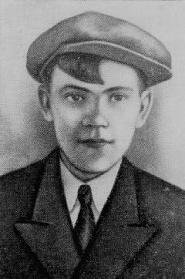


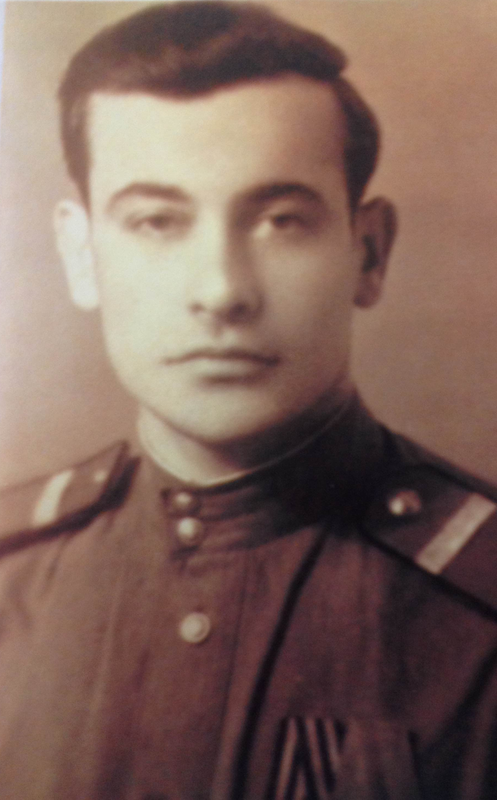
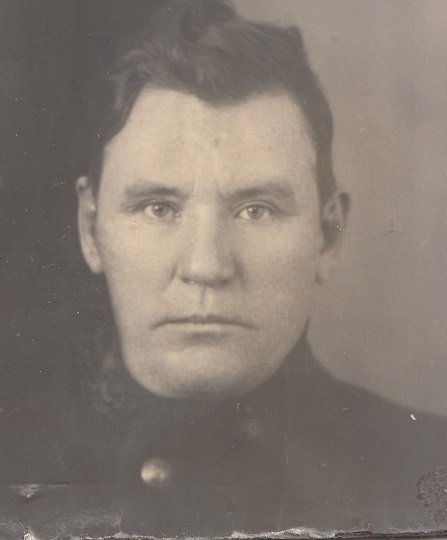
Koptyaev Alexander Varfolomeyevich
Rank: Krasnoflotets Koptyaev Alexander Varfolomeevich. Born in 1914. Place of birth: Arkhangelsk region, Ustyansky district, Rubchevskaya village. On 13.09.1938, he was called up for service by the Molotov RVC of the Arkhangelsk region – the place of work was the Lomovoe quarry. 21.06.1941 once again conscripted by Molotov GVK, "VUS-84" was a private crew, place of work-the 3rd construction area of the steamship "Amur" (in July 1941, to accelerate the work to increase the depth the dredgers "Vaygach" and "Amur were involved". In total, 11 dredgers worked on dredging operations, and their forces provided the necessary depth of the fairway for escorting Soviet and foreign vessels that arrived as part of the allied convoys. In 1941, at the call of the Molotov RVC FROM 25.06.1941 to 30.11.1941, he served on the base trawler "T-892" board 46. From 09.06.1941 to 02.12.1941, the T-892 trawler was a part of the active army-NF. The trawler was part of the White Sea Military Flotilla - the 12th Brigade of the Northern Navy. Trawlers were former fishing boats, which were converted during the war, and were equipped with combat weapons to detect, transport and destroy mines. The trawlers escorted our transport vessels between the ports of the White, Kara, and Barents seas, carried out patrol duty in the White sea, trawled fairways to escort allied convoys, ensured their safety, and escorted them to the ports of Arkhangelsk, Molotovsk, and Murmansk. The allied convoys took the shortest but most dangerous route: between the enemy coasts of Norway and Spitsbergen. Our escort ships met them near Lake Medvezhiy. From the deck of the trawlers, pilots moved onto allied ships, and then the trawlers went ahead of the caravan, clearing the way from mines: they also had to engage in battles with the enemy’s coast guard. The Barents sea played evil jokes with the crews of ships-the deck was frozen, it was slippery, and the sailors often went overboard. Stormy winds, fogs and severe frosts hit the shoulders of strong and hardy. Trawlers were attacked many times by enemies from the air. The enemy dropped bombs, fired machine guns, many sailors were killed, and the ocean was their last resting place- there are no monuments or crosses in the places of their death - only cold waves. Until the end of the war, my father served on a trawler and was discharged only after Victory Day. He rarely and reluctantly recalled the war; he said that it was very scary – but he did his duty, defended the White Sea borders of our Homeland. After the war, he continued to sail on SF vessels as a senior mechanic. After a serious illness, our father died and was buried in the city of Arkhangelsk, Lomonosov district, Ilinskoe cemetery.
Koptyaev Alexander Varfolomeyevich
Rank: Krasnoflotets Koptyaev Alexander Varfolomeevich. Born in 1914. Place of birth: Arkhangelsk region, Ustyansky district, Rubchevskaya village. On 13.09.1938, he was called up for service by the Molotov RVC of the Arkhangelsk region – the place of work was the Lomovoe quarry. 21.06.1941 once again conscripted by Molotov GVK, "VUS-84" was a private crew, place of work-the 3rd construction area of the steamship "Amur" (in July 1941, to accelerate the work to increase the depth the dredgers "Vaygach" and "Amur were involved". In total, 11 dredgers worked on dredging operations, and their forces provided the necessary depth of the fairway for escorting Soviet and foreign vessels that arrived as part of the allied convoys. In 1941, at the call of the Molotov RVC FROM 25.06.1941 to 30.11.1941, he served on the base trawler "T-892" board 46. From 09.06.1941 to 02.12.1941, the T-892 trawler was a part of the active army-NF. The trawler was part of the White Sea Military Flotilla - the 12th Brigade of the Northern Navy. Trawlers were former fishing boats, which were converted during the war, and were equipped with combat weapons to detect, transport and destroy mines. The trawlers escorted our transport vessels between the ports of the White, Kara, and Barents seas, carried out patrol duty in the White sea, trawled fairways to escort allied convoys, ensured their safety, and escorted them to the ports of Arkhangelsk, Molotovsk, and Murmansk. The allied convoys took the shortest but most dangerous route: between the enemy coasts of Norway and Spitsbergen. Our escort ships met them near Lake Medvezhiy. From the deck of the trawlers, pilots moved onto allied ships, and then the trawlers went ahead of the caravan, clearing the way from mines: they also had to engage in battles with the enemy’s coast guard. The Barents sea played evil jokes with the crews of ships-the deck was frozen, it was slippery, and the sailors often went overboard. Stormy winds, fogs and severe frosts hit the shoulders of strong and hardy. Trawlers were attacked many times by enemies from the air. The enemy dropped bombs, fired machine guns, many sailors were killed, and the ocean was their last resting place- there are no monuments or crosses in the places of their death - only cold waves. Until the end of the war, my father served on a trawler and was discharged only after Victory Day. He rarely and reluctantly recalled the war; he said that it was very scary – but he did his duty, defended the White Sea borders of our Homeland. After the war, he continued to sail on SF vessels as a senior mechanic. After a serious illness, our father died and was buried in the city of Arkhangelsk, Lomonosov district, Ilinskoe cemetery.
0 comment



2026 © Russian Military Historical Society Developed by Jetmix