

Kalajokov Hamid Mazhidovich
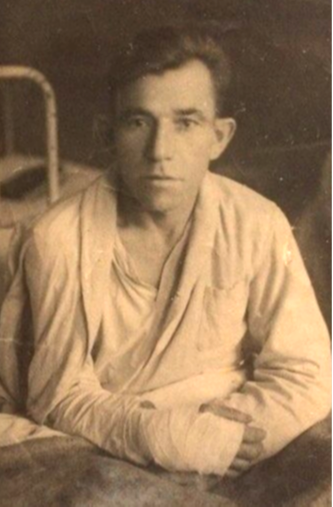
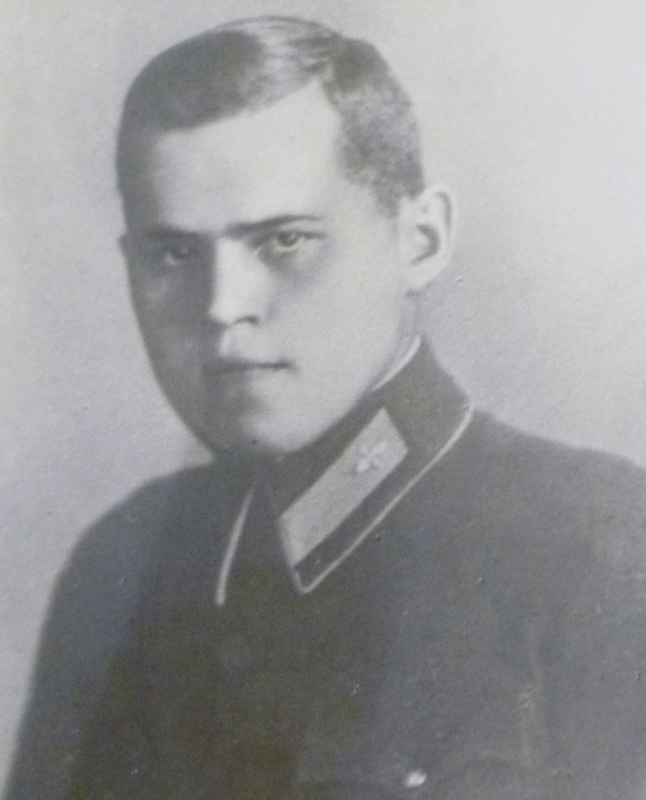
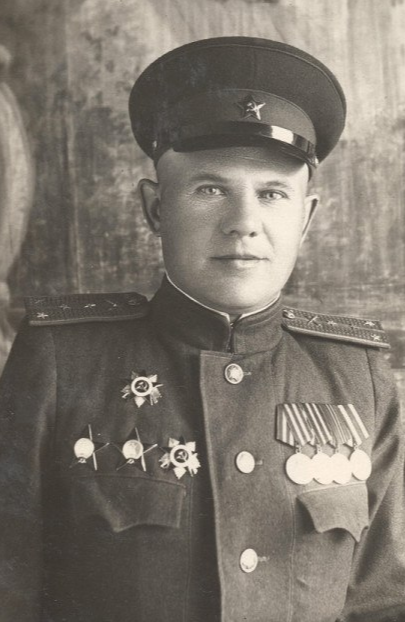
Kalajokov Hamid Mazhidovich was born on 30 December 1921. After graduating from school he entered the courses for veterinary paramedics at the agricultural school in Nalchik, graduated in 1937 before being called up for active military service, and worked as a veterinary paramedic in Sarmakovo and Kamennomostskoye. On April 20, 1941 he was called up for military service by the draft board Zola Nagorny and was assigned as a corporal to the 216th rifle division, which was located at Western Ukraine near the city Vladimir-Volynsk. In the early morning of 22 June 1941, the soldiers of Artillery Regiment 512 were awakened by the bombing and shelling of our borders along the state border from the Baltic Sea to the Black Sea. Our country was hit by the military power Nazi Germany as a part of the 190 Division with 5.5 million soldiers and officers, 14 thousand guns and mortars, 4.5 thousand tanks and about 4.5 thousand airplanes. Having accepted an unequal battle, our troops were forced to retreat. Hamid Magidovich took part in the defensive battles in Kiev, Odessa. He took part in the battles for the liberation of North Caucasus. The brave warrior took part in the battles to overcome the German fortified area, the "Blue Line". As part of the 2nd Ukrainian Front he took part in the liberation of Ukraine, Moldova, Romania and Bulgaria. Here is an episode from the rich life of a war veteran at the front. During the liberation of North Caucasus our troops reached the line of defense, which the Germans called the "Blue Line", the hope of the fascist army in the Caucasus. Our corps has stabilized its line of defense and I, the commander of the reconnaissance platoon of the separate battery of the Artillery Corps Command, was assigned the artillery reconnaissance. In order to identify enemy firing points before the decisive offensive, a group of two hundred volunteers was formed with the task of identifying enemy strongholds. This task was successfully completed, but it cost us an expensive and impossible loss. Of the two hundred fighters who took part in this operation, only seven fighters reached our positions. A map with detailed markings of all enemy firing points was handed over to headquarters. For this achievement, all of them were given awards. To the Order of the Red Banner of Battle. I consider my entry into the ranks of the Bolshevik Party Union Communist a famous event of this wartime. The recommendation was given to me by the regimental commander, and he will be remembered. On May 18, 1943 he was admitted to our native Leninist party. As a result of the spring-summer offensive of the central front units near the town of Kursk, the front line took on the shape of an arch. The battle that took place in this area went down in history as the Battle of Kursk. It lasted exactly 50 days. The Nazis' plans were as follows: to defeat the troops of the central and Voronezh fronts, followed by access to Moscow. Hitler's Germany still hoped to conquer the capital of our motherland. On the part of the Germans this battle was a kind of revenge for the defeat at Stalingrad. The Battle of Stalingrad lasted from June 1942 to February 2, 1943, and the result of the battle is the encirclement and annihilation of the sixth German field army under the command of Feld Marshal Paulus. 330,000 German soldiers and officers were encircled. Of these 91,000 were captured, including 2,400 officers, 24 generals and Feld Marshal Paulus itself. The rest were destroyed in bloody battles. This event was the beginning of a radical change in the course of not only the Patriotic War but also the Second World War as a whole. In the early morning of July 5, 1943, two hours before the expected German offensive, a devastating fire from all kinds of guns and mortars of the Katyusha Guard was opened on their positions. As the battery commander Vasily Petrovich Ivashchenko remembered, by the way, he was a compatriot of my father's, from the village of Zolskaya in the Kirov district of the Stavropol area. The German advance was delayed for several hours by the shelling. Then the attack on our positions from German Tank began. In this battle the battery commander was badly wounded, and when he woke up in the infirmary he was told that Kalashokov Hamid had carried him from the battlefield. In order to save the life of the battery commander, the command Kalazhokov handed Hamid over to the command of the red flag of the battle. But the handing over to the command was lost in the headquarters and he never received it. The victorious victory at Kursk was of great importance. A fundamental turning point in the course of the entire war was accomplished. With the liberation of the towns of Orel and Belgorod and the defeat of the German troops on the central rocky outcrop, this grandiose battle came to an end. After this event, the Germans were not in a position to conduct serious offensive operations until the end of the war. Then my father took part in the liberation of Crimea and Odessa. The advanced units that liberated Odessa saved the famous house Odessa Opera, which was prepared for the explosion. By the end of the summer of 1944, our troops had completely liberated the entire territory of USSR and reached the state border, liberated Romania, Bulgaria and Slovakia and reached the borders of Hungary. At that time Hungary remained Germany's only ally, and the other satellite states of Germany withdrew from the war. During the liberation of Hungary fierce battles were fought, especially in the area of Lake Balaton and where large German forces and fortified areas were concentrated. Here my father was seriously wounded in the course of these battles, and here are the vicissitudes of fate, he was carried off the battlefield by his compatriot Vasily Petrovich together with a keeper. After a long period of treatment he was released and returned home in early 1946. After the war, the compatriots did not forget each other and met often. Every year, on 9 May, they celebrated the Day of Victory, commemorating the fighting friends of the living and the dead. After a short illness he died on 31 July 2000, and the military merits of this brave warrior were highly appreciated. He was decorated with two orders of the Patriotic War. The Order with the red banner and two medals "for bravery", two medals for" Military Merit", a medal for the defense of Odessa, the Caucasus, for the conquest of Budapest," for the victory over Germany in the Great Patriotic War 1941-1945 " and numerous commemorative medals.
Kalajokov Hamid Mazhidovich
Kalajokov Hamid Mazhidovich was born on 30 December 1921. After graduating from school he entered the courses for veterinary paramedics at the agricultural school in Nalchik, graduated in 1937 before being called up for active military service, and worked as a veterinary paramedic in Sarmakovo and Kamennomostskoye. On April 20, 1941 he was called up for military service by the draft board Zola Nagorny and was assigned as a corporal to the 216th rifle division, which was located at Western Ukraine near the city Vladimir-Volynsk. In the early morning of 22 June 1941, the soldiers of Artillery Regiment 512 were awakened by the bombing and shelling of our borders along the state border from the Baltic Sea to the Black Sea. Our country was hit by the military power Nazi Germany as a part of the 190 Division with 5.5 million soldiers and officers, 14 thousand guns and mortars, 4.5 thousand tanks and about 4.5 thousand airplanes. Having accepted an unequal battle, our troops were forced to retreat. Hamid Magidovich took part in the defensive battles in Kiev, Odessa. He took part in the battles for the liberation of North Caucasus. The brave warrior took part in the battles to overcome the German fortified area, the "Blue Line". As part of the 2nd Ukrainian Front he took part in the liberation of Ukraine, Moldova, Romania and Bulgaria. Here is an episode from the rich life of a war veteran at the front. During the liberation of North Caucasus our troops reached the line of defense, which the Germans called the "Blue Line", the hope of the fascist army in the Caucasus. Our corps has stabilized its line of defense and I, the commander of the reconnaissance platoon of the separate battery of the Artillery Corps Command, was assigned the artillery reconnaissance. In order to identify enemy firing points before the decisive offensive, a group of two hundred volunteers was formed with the task of identifying enemy strongholds. This task was successfully completed, but it cost us an expensive and impossible loss. Of the two hundred fighters who took part in this operation, only seven fighters reached our positions. A map with detailed markings of all enemy firing points was handed over to headquarters. For this achievement, all of them were given awards. To the Order of the Red Banner of Battle. I consider my entry into the ranks of the Bolshevik Party Union Communist a famous event of this wartime. The recommendation was given to me by the regimental commander, and he will be remembered. On May 18, 1943 he was admitted to our native Leninist party. As a result of the spring-summer offensive of the central front units near the town of Kursk, the front line took on the shape of an arch. The battle that took place in this area went down in history as the Battle of Kursk. It lasted exactly 50 days. The Nazis' plans were as follows: to defeat the troops of the central and Voronezh fronts, followed by access to Moscow. Hitler's Germany still hoped to conquer the capital of our motherland. On the part of the Germans this battle was a kind of revenge for the defeat at Stalingrad. The Battle of Stalingrad lasted from June 1942 to February 2, 1943, and the result of the battle is the encirclement and annihilation of the sixth German field army under the command of Feld Marshal Paulus. 330,000 German soldiers and officers were encircled. Of these 91,000 were captured, including 2,400 officers, 24 generals and Feld Marshal Paulus itself. The rest were destroyed in bloody battles. This event was the beginning of a radical change in the course of not only the Patriotic War but also the Second World War as a whole. In the early morning of July 5, 1943, two hours before the expected German offensive, a devastating fire from all kinds of guns and mortars of the Katyusha Guard was opened on their positions. As the battery commander Vasily Petrovich Ivashchenko remembered, by the way, he was a compatriot of my father's, from the village of Zolskaya in the Kirov district of the Stavropol area. The German advance was delayed for several hours by the shelling. Then the attack on our positions from German Tank began. In this battle the battery commander was badly wounded, and when he woke up in the infirmary he was told that Kalashokov Hamid had carried him from the battlefield. In order to save the life of the battery commander, the command Kalazhokov handed Hamid over to the command of the red flag of the battle. But the handing over to the command was lost in the headquarters and he never received it. The victorious victory at Kursk was of great importance. A fundamental turning point in the course of the entire war was accomplished. With the liberation of the towns of Orel and Belgorod and the defeat of the German troops on the central rocky outcrop, this grandiose battle came to an end. After this event, the Germans were not in a position to conduct serious offensive operations until the end of the war. Then my father took part in the liberation of Crimea and Odessa. The advanced units that liberated Odessa saved the famous house Odessa Opera, which was prepared for the explosion. By the end of the summer of 1944, our troops had completely liberated the entire territory of USSR and reached the state border, liberated Romania, Bulgaria and Slovakia and reached the borders of Hungary. At that time Hungary remained Germany's only ally, and the other satellite states of Germany withdrew from the war. During the liberation of Hungary fierce battles were fought, especially in the area of Lake Balaton and where large German forces and fortified areas were concentrated. Here my father was seriously wounded in the course of these battles, and here are the vicissitudes of fate, he was carried off the battlefield by his compatriot Vasily Petrovich together with a keeper. After a long period of treatment he was released and returned home in early 1946. After the war, the compatriots did not forget each other and met often. Every year, on 9 May, they celebrated the Day of Victory, commemorating the fighting friends of the living and the dead. After a short illness he died on 31 July 2000, and the military merits of this brave warrior were highly appreciated. He was decorated with two orders of the Patriotic War. The Order with the red banner and two medals "for bravery", two medals for" Military Merit", a medal for the defense of Odessa, the Caucasus, for the conquest of Budapest," for the victory over Germany in the Great Patriotic War 1941-1945 " and numerous commemorative medals.
0 comment



2026 © Russian Military Historical Society Developed by Jetmix