



Bibikov Peter Nikolaevich
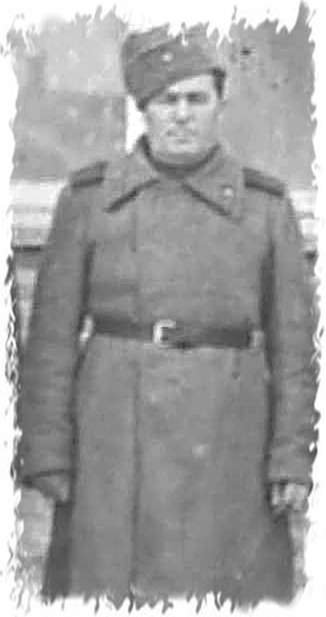
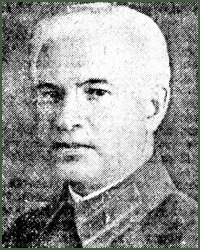
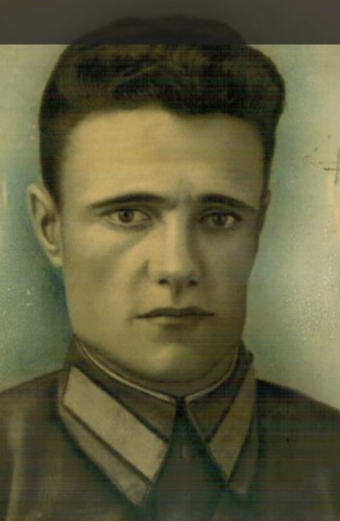
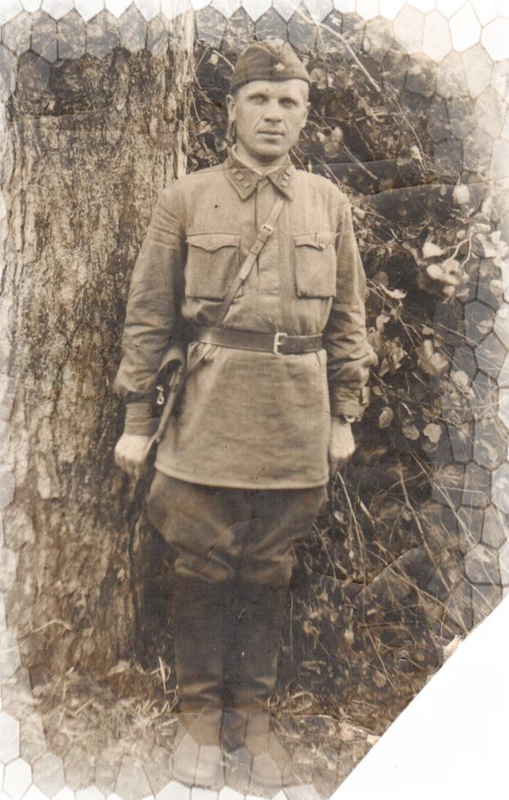
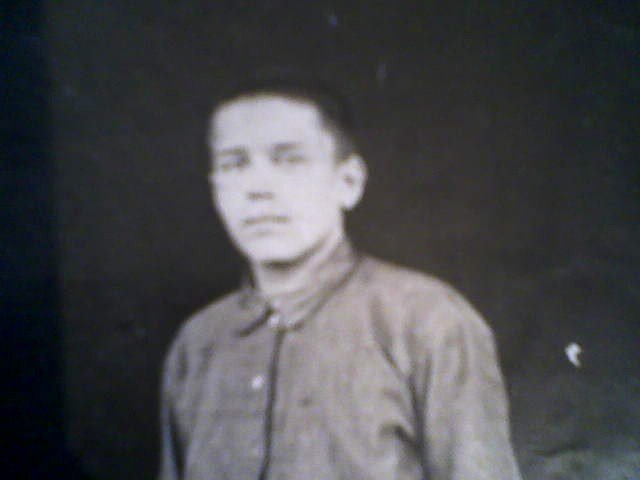
Rank: Red army soldier. Type of troops: Armored and mechanized troops. BIBIKOV, PYOTR NIKOLAYEVICH(1923 - 19.12.1943), was born in the village Lobanovo Danilovsky district of the Volgograd region. Before being drafted into the army, he lived in the city of Syktyvkar, Komi ASSR. He worked as a dispatcher at the river station. Participated in the battles of the liberation of Ukraine. Active military service. Drafted into the red army on November 27, 1942 by the Syktyvkar city VC. Sent to Kirov to the tank school. Private. The driver is a tank mechanic. He participated in the great Patriotic war from 1942 to December 19, 1943. Served in a military unit: 999 self-propelled artillery regiment-field mail 43724 L. Killed in action on December 19, 1943. Buried in a mass grave in the village Stremyhorod of Korosten district, Zhytomyr region, Ukraine. Awards: by decree of the President of the USSR Mikhail Gorbachev was awarded a posthumous medal: "For courage" (1990.) Relatives: niece Bondarev Nadine lives in the town of Sosnogorsk in the Komi Republic. THE BALLAD OF A SOLDIER. Among the great number of soldier's fates there are those in which the tragedy is felt doubly… And even touching them, like touching a bare nerve, leaves a pinching pain in the heart and resentment from some special historical injustice… His life ended when he was 20 years old… The tank's driver and mechanic, Pyotr Nikolayevich Bibikov, was killed in action on December 19, 1943 and buried in a mass grave in the village of Stremigorod, Korostensky district, Zhytomyr region, Ukraine. He was born into a strong and hard-working peasant family who lived in the village of Loboykovo, nestled on both sides of its whitewashed Ukrainian huts to a small steppe river with the strange name Chernaya and lost among the endless steppes of the don region. Childhood of a peasant boy… What could it be? Yes, the same as all the rural children, except for one... The boy Petya was 8 years old when the" red wheel " of history moved through the family… The beginning of the collectivization of the village and the dispossession of the most prosperous and hard-working peasant families, abruptly changed the fate of the Bibikovs and the life of our hero. However, the "Book of memory of the Komi Republic" dryly reports :" Bibikov PETER KUZMICH, born in 1882, Russian, M. R. S. Loboykovo, Pravdinsky district, lower Volga region, M. p. at the place of birth, grain grower. Exiled in 1931 on the basis of the decision of the special Commission for the Danilovsky district of 23.01.1931 as a fist that harms social construction. Podcherye, Troitsko-Pechorsky district, Komi ASSR. S/s wife: Ekaterina BIBIKOVA 1884 R.; son BIBIKOV Nikolay Petrovich, 1902, p.; daughter-in-law – Anna BIBIKOVA V., 1905, p.; a grandson, BIBIKOV, Pyotr Nikolaevich, 1923 R ; granddaughter, BIBIKOVA Raisa Nikolaevna, b. 1924" And another document indicating the historical drama 30-ies: "07.10.2015 № 51, № b/n from 28.09.2015 archival documents of archival Fund of the Danilov district of the special Commission for the elimination of kulak households have a personal matter Bibikov, Petr Kuzmich, resident Lobonovskogo s/Soveta. From the minutes of the meeting of the Danilovskaya ROK of January 23, 1931, No. 24: "Listened to: description of the farm Bibikov Peter Kuzmich, the family consists of 5 people. After the revolution, he rented land, employed annual laborers, and owned a windmill. The farm had 2 pairs of oxen, 2 horses. They decided: by the decision of the poor and middle peasants ' Assembly together with the collective farmers of December 15, 1930, Bibikov's farm should be recognized as kulak, dekulakized, and evicted from the lower Volga region as harmful to social construction." In the personal card and in the list of people evicted from the borders of N. V. edges are listed: "Bibikov Pyotr Kuzmich-53 years, wife Aksinya Petrovna-53 years, son Nikolay Petrovich-28 years, daughter-in-law Anna Vasilyevna-26 years, Ivan Petrovich-19 years, grandfather Kuzma Ivanovich-80 years, Bibikov Pyotr Nikolaevich-8 years, daughter Raisa Nikolaevna-4 years" There is an inventory of kulak houses, which indicates the house of Bibikov Kuzma Ivanovich worth 600 rubles, at the court garden. Basis: F. 689. Op. 1. D. 5. L. 63ob; D. 374a. L. 13ob;D. 374b.L. 12;D. 375. L. 1,2. note: there is no inventory of the confiscated property." Behind the laconic text is the tragedy of one family and the drama of our entire nation in the twentieth century, because there are no numbers of such families ... How did they survive the long journey? How did life develop in foreign Northern lands?... We won't know now… But the family survived. I got to my feet. The children grew up. Teach myself. We know that Pyotr Bibikov lived in Syktyvkar on the eve of conscription and worked as a dispatcher at the river station. In 1942, father Nikolay Petrovich was called to the front, and then, as often happened, his son. And then he had one year of war… And one, common to all fallen soldiers, the fate of… And one Victory for all… And one memory for all ... for which we are no longer responsible for Them, but for Us… And Woe to us if we forget all this. PS: already in the years of perestroika, Pyotr Nikolayevich Bibikov was awarded a posthumous medal by decree Of the President of the USSR Mikhail Gorbachev: «For bravery».
Bibikov Peter Nikolaevich
Rank: Red army soldier. Type of troops: Armored and mechanized troops. BIBIKOV, PYOTR NIKOLAYEVICH(1923 - 19.12.1943), was born in the village Lobanovo Danilovsky district of the Volgograd region. Before being drafted into the army, he lived in the city of Syktyvkar, Komi ASSR. He worked as a dispatcher at the river station. Participated in the battles of the liberation of Ukraine. Active military service. Drafted into the red army on November 27, 1942 by the Syktyvkar city VC. Sent to Kirov to the tank school. Private. The driver is a tank mechanic. He participated in the great Patriotic war from 1942 to December 19, 1943. Served in a military unit: 999 self-propelled artillery regiment-field mail 43724 L. Killed in action on December 19, 1943. Buried in a mass grave in the village Stremyhorod of Korosten district, Zhytomyr region, Ukraine. Awards: by decree of the President of the USSR Mikhail Gorbachev was awarded a posthumous medal: "For courage" (1990.) Relatives: niece Bondarev Nadine lives in the town of Sosnogorsk in the Komi Republic. THE BALLAD OF A SOLDIER. Among the great number of soldier's fates there are those in which the tragedy is felt doubly… And even touching them, like touching a bare nerve, leaves a pinching pain in the heart and resentment from some special historical injustice… His life ended when he was 20 years old… The tank's driver and mechanic, Pyotr Nikolayevich Bibikov, was killed in action on December 19, 1943 and buried in a mass grave in the village of Stremigorod, Korostensky district, Zhytomyr region, Ukraine. He was born into a strong and hard-working peasant family who lived in the village of Loboykovo, nestled on both sides of its whitewashed Ukrainian huts to a small steppe river with the strange name Chernaya and lost among the endless steppes of the don region. Childhood of a peasant boy… What could it be? Yes, the same as all the rural children, except for one... The boy Petya was 8 years old when the" red wheel " of history moved through the family… The beginning of the collectivization of the village and the dispossession of the most prosperous and hard-working peasant families, abruptly changed the fate of the Bibikovs and the life of our hero. However, the "Book of memory of the Komi Republic" dryly reports :" Bibikov PETER KUZMICH, born in 1882, Russian, M. R. S. Loboykovo, Pravdinsky district, lower Volga region, M. p. at the place of birth, grain grower. Exiled in 1931 on the basis of the decision of the special Commission for the Danilovsky district of 23.01.1931 as a fist that harms social construction. Podcherye, Troitsko-Pechorsky district, Komi ASSR. S/s wife: Ekaterina BIBIKOVA 1884 R.; son BIBIKOV Nikolay Petrovich, 1902, p.; daughter-in-law – Anna BIBIKOVA V., 1905, p.; a grandson, BIBIKOV, Pyotr Nikolaevich, 1923 R ; granddaughter, BIBIKOVA Raisa Nikolaevna, b. 1924" And another document indicating the historical drama 30-ies: "07.10.2015 № 51, № b/n from 28.09.2015 archival documents of archival Fund of the Danilov district of the special Commission for the elimination of kulak households have a personal matter Bibikov, Petr Kuzmich, resident Lobonovskogo s/Soveta. From the minutes of the meeting of the Danilovskaya ROK of January 23, 1931, No. 24: "Listened to: description of the farm Bibikov Peter Kuzmich, the family consists of 5 people. After the revolution, he rented land, employed annual laborers, and owned a windmill. The farm had 2 pairs of oxen, 2 horses. They decided: by the decision of the poor and middle peasants ' Assembly together with the collective farmers of December 15, 1930, Bibikov's farm should be recognized as kulak, dekulakized, and evicted from the lower Volga region as harmful to social construction." In the personal card and in the list of people evicted from the borders of N. V. edges are listed: "Bibikov Pyotr Kuzmich-53 years, wife Aksinya Petrovna-53 years, son Nikolay Petrovich-28 years, daughter-in-law Anna Vasilyevna-26 years, Ivan Petrovich-19 years, grandfather Kuzma Ivanovich-80 years, Bibikov Pyotr Nikolaevich-8 years, daughter Raisa Nikolaevna-4 years" There is an inventory of kulak houses, which indicates the house of Bibikov Kuzma Ivanovich worth 600 rubles, at the court garden. Basis: F. 689. Op. 1. D. 5. L. 63ob; D. 374a. L. 13ob;D. 374b.L. 12;D. 375. L. 1,2. note: there is no inventory of the confiscated property." Behind the laconic text is the tragedy of one family and the drama of our entire nation in the twentieth century, because there are no numbers of such families ... How did they survive the long journey? How did life develop in foreign Northern lands?... We won't know now… But the family survived. I got to my feet. The children grew up. Teach myself. We know that Pyotr Bibikov lived in Syktyvkar on the eve of conscription and worked as a dispatcher at the river station. In 1942, father Nikolay Petrovich was called to the front, and then, as often happened, his son. And then he had one year of war… And one, common to all fallen soldiers, the fate of… And one Victory for all… And one memory for all ... for which we are no longer responsible for Them, but for Us… And Woe to us if we forget all this. PS: already in the years of perestroika, Pyotr Nikolayevich Bibikov was awarded a posthumous medal by decree Of the President of the USSR Mikhail Gorbachev: «For bravery».
0 comment



2026 © Russian Military Historical Society Developed by Jetmix