



Pavel Baschenko
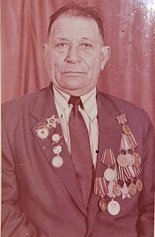
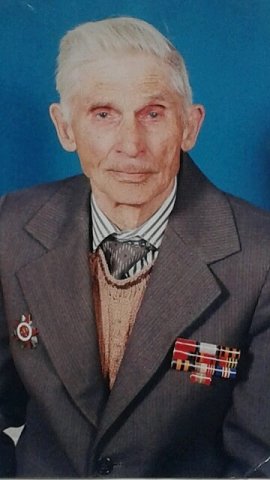
Pavel Baschenko was born on August 17, 1926, in the village of Gubnik, Gaisinsky District, Vinnytsia Region, Ukraine, in the family of a railway worker. There were six children in the family – three boys and tree girls. The village was occupied by German troops In 1941-1942. In June of 1942 the Germans were preparing to send young people to work in Germany. From the Pavel's family, his older sister Tatiana was recorded, she was 20 years old. She fled to the neighboring village of Lad-Khutor on the night before the shipment. When Germans foun that she was missing, they came to their house and questioned them: "Where is your daughter?" When they got no answer, the Germans lined up the whole family against the wall of the house, pointed their weapons at them and said: "If you don't tell us where your daughter is, we'll shoot themyou all." Pavel stepped forward and asked: "Can I go instead?» The German went up to him, pulled up his shirt, touched his muscles, looked at his teeth, and said: «Good». That was how he began his journey through various camps and concentration camps of the Nazis. He was not immediately sent to Germany. At first, he got to Belarus, where he sawed wood. Run away from the camp in sawdust two times. Both times, they caught him, beat, and returned to the camp. After Belarus, they transferred him to Auschwitz in Poland. He tried to escape from there twice. They caught him again, beat him, and brought him back. After Auschwitz, he was sent to Buchenwald in Germany. In Buchenwald, he built crematoria-furnaces for burning people. Weak prisoners were burned in stoves, and strong prisoners were left to work. In the concentration camp, he was a member of an underground cell run by a foreman. On his orders my grandfather broke the concrete mixer to slow down the construction of the furnaces. The next day the concentration camp commandant lined everyone up and asked: "Who broke the concrete mixer?" All the prisoners were silent. Then the commandant called the foreman and ordered to sent him to the treatment room. German soldiers hit him on the head with a machine gun, the foreman lost consciousness. The soldiers grabbed him by the legs and dragged him to the treatment room where the prisoners were being tortured. My grandfather could not stand it, went to the commandant and said that it was he who broke the concrete mixer, but did not say that it was done on the orders of the foreman. When the commandant found out that it was Pavel who broke the concrete mixer, he said: "What an honest little Russian pig", and also ordered to sent him to the treatment room. He was also hit on the head with a machine gun, lost consciousness and was dragged by the legs to the torture room. The next morning, he woke up, opened his eyes and saw that he was lying on a pile of corpses of prisoners tortured to death by the Nazis. The gray hairs of a foreman killed by the Germans were nearby. He lost consciousness again. In the evening, the prisoners were walking home from work and heard a groan. They asked security permission to pick up the boy. In the barracks, the prisoners cured him. He continued to participate in an underground cell - engaged in sabotage. The Great Patriotic War was coming to an end, and Buchenwald was located in such a way that the cannonade could be heard from opposite sides. There were advancing Soviet troops on one side, and the American on the other. The Germans realized that the concentration camp would soon be captured by the enemy, and changed their tactics. They began to force prisoners to run. Ten percent of the strongest of the hundred were taken away and burned in crematoriums, leaving the weakest prisoners. The underground cell realized the trick of the Germans and suggested that Pavel, in order to survive, pierce his leg with an iron rod. He agreed, he had a fever and was sent to the infirmary. The concentration camp was liberated by American troops. Grandfather Pavel was able to return to his Homeland only in 1947. It was on the territory of Germany occupied by the Americans. When he returned home, he was 22 years old. After returning, he started to work as a construction worker for a railway. Before the war, he was a very gifted child and had onli highest grades. His supervisors noticed his abilities and sent him to study. He graduated with honors from college, then technical school. Then he graduated with honors from two institutes, construction and railway. His last position was a Director of a construction company, which built the railway from Guryev to Astrakhan, to the Mangyshlak Peninsula. His life ended when he was driving a car during a storm. He lost consciousness and drove into a pole. Beatings on the head in concentration camps had an impact. His entire head was scarred. For his labor he was awarded the Order of Lenin and the Order of the Labor Red Banner.
Pavel Baschenko
Pavel Baschenko was born on August 17, 1926, in the village of Gubnik, Gaisinsky District, Vinnytsia Region, Ukraine, in the family of a railway worker. There were six children in the family – three boys and tree girls. The village was occupied by German troops In 1941-1942. In June of 1942 the Germans were preparing to send young people to work in Germany. From the Pavel's family, his older sister Tatiana was recorded, she was 20 years old. She fled to the neighboring village of Lad-Khutor on the night before the shipment. When Germans foun that she was missing, they came to their house and questioned them: "Where is your daughter?" When they got no answer, the Germans lined up the whole family against the wall of the house, pointed their weapons at them and said: "If you don't tell us where your daughter is, we'll shoot themyou all." Pavel stepped forward and asked: "Can I go instead?» The German went up to him, pulled up his shirt, touched his muscles, looked at his teeth, and said: «Good». That was how he began his journey through various camps and concentration camps of the Nazis. He was not immediately sent to Germany. At first, he got to Belarus, where he sawed wood. Run away from the camp in sawdust two times. Both times, they caught him, beat, and returned to the camp. After Belarus, they transferred him to Auschwitz in Poland. He tried to escape from there twice. They caught him again, beat him, and brought him back. After Auschwitz, he was sent to Buchenwald in Germany. In Buchenwald, he built crematoria-furnaces for burning people. Weak prisoners were burned in stoves, and strong prisoners were left to work. In the concentration camp, he was a member of an underground cell run by a foreman. On his orders my grandfather broke the concrete mixer to slow down the construction of the furnaces. The next day the concentration camp commandant lined everyone up and asked: "Who broke the concrete mixer?" All the prisoners were silent. Then the commandant called the foreman and ordered to sent him to the treatment room. German soldiers hit him on the head with a machine gun, the foreman lost consciousness. The soldiers grabbed him by the legs and dragged him to the treatment room where the prisoners were being tortured. My grandfather could not stand it, went to the commandant and said that it was he who broke the concrete mixer, but did not say that it was done on the orders of the foreman. When the commandant found out that it was Pavel who broke the concrete mixer, he said: "What an honest little Russian pig", and also ordered to sent him to the treatment room. He was also hit on the head with a machine gun, lost consciousness and was dragged by the legs to the torture room. The next morning, he woke up, opened his eyes and saw that he was lying on a pile of corpses of prisoners tortured to death by the Nazis. The gray hairs of a foreman killed by the Germans were nearby. He lost consciousness again. In the evening, the prisoners were walking home from work and heard a groan. They asked security permission to pick up the boy. In the barracks, the prisoners cured him. He continued to participate in an underground cell - engaged in sabotage. The Great Patriotic War was coming to an end, and Buchenwald was located in such a way that the cannonade could be heard from opposite sides. There were advancing Soviet troops on one side, and the American on the other. The Germans realized that the concentration camp would soon be captured by the enemy, and changed their tactics. They began to force prisoners to run. Ten percent of the strongest of the hundred were taken away and burned in crematoriums, leaving the weakest prisoners. The underground cell realized the trick of the Germans and suggested that Pavel, in order to survive, pierce his leg with an iron rod. He agreed, he had a fever and was sent to the infirmary. The concentration camp was liberated by American troops. Grandfather Pavel was able to return to his Homeland only in 1947. It was on the territory of Germany occupied by the Americans. When he returned home, he was 22 years old. After returning, he started to work as a construction worker for a railway. Before the war, he was a very gifted child and had onli highest grades. His supervisors noticed his abilities and sent him to study. He graduated with honors from college, then technical school. Then he graduated with honors from two institutes, construction and railway. His last position was a Director of a construction company, which built the railway from Guryev to Astrakhan, to the Mangyshlak Peninsula. His life ended when he was driving a car during a storm. He lost consciousness and drove into a pole. Beatings on the head in concentration camps had an impact. His entire head was scarred. For his labor he was awarded the Order of Lenin and the Order of the Labor Red Banner.
0 comment




2026 © Russian Military Historical Society Developed by Jetmix