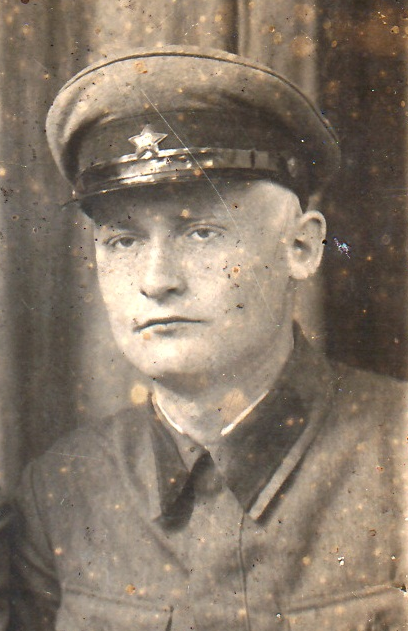
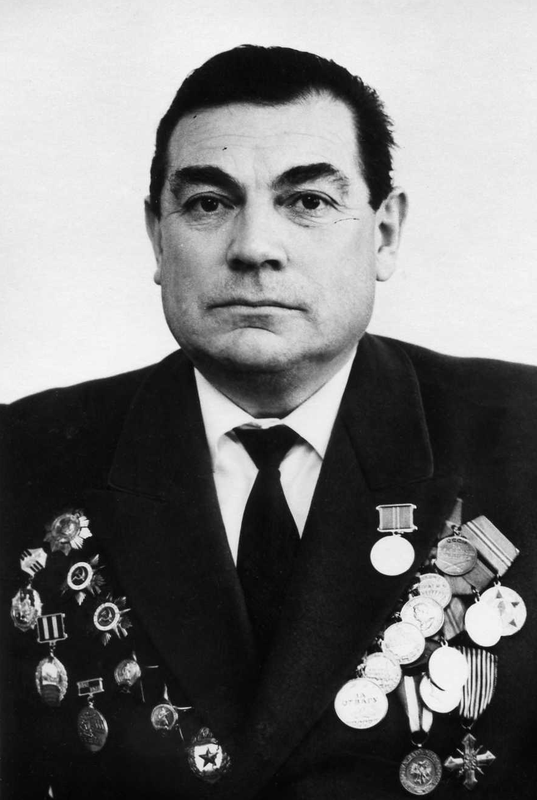
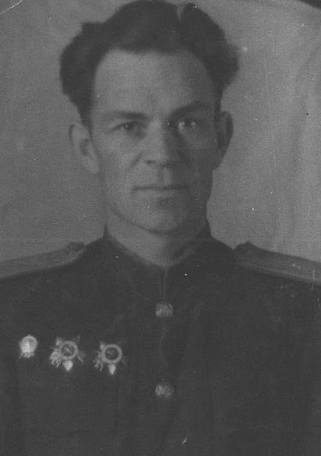
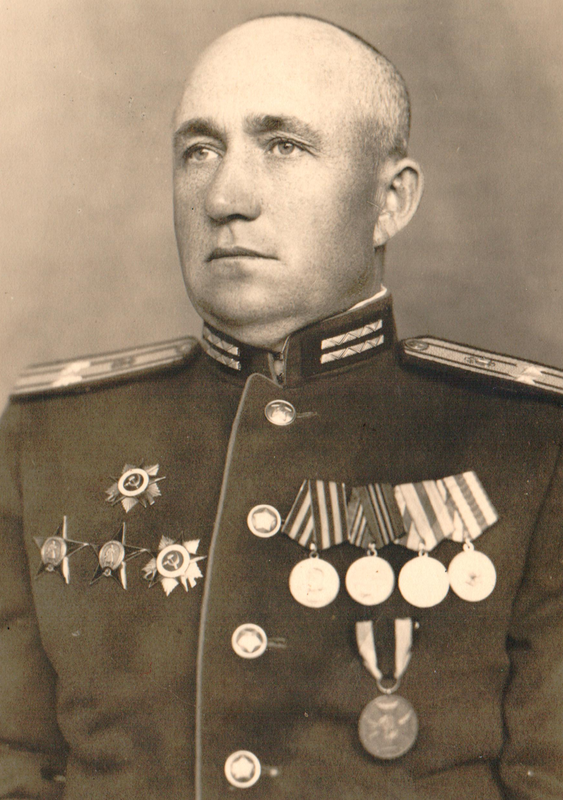
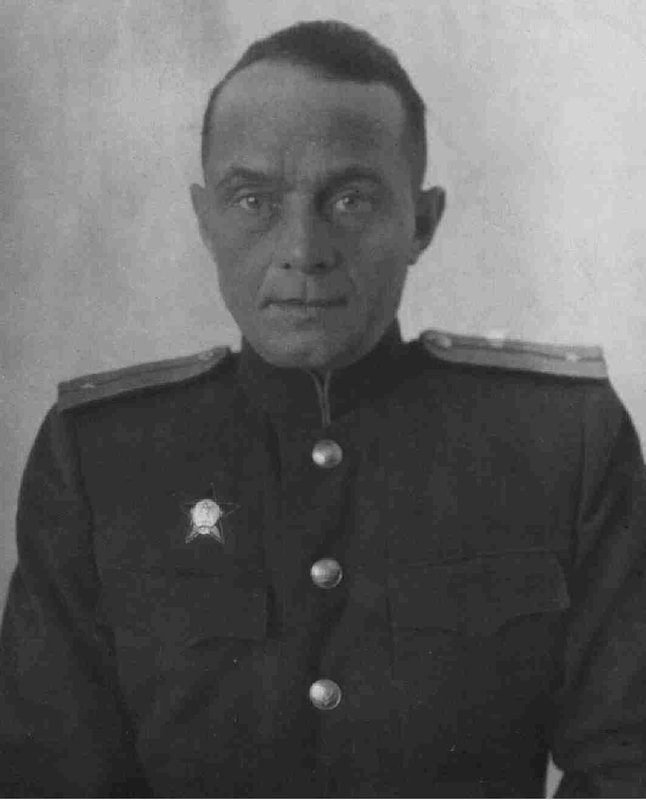
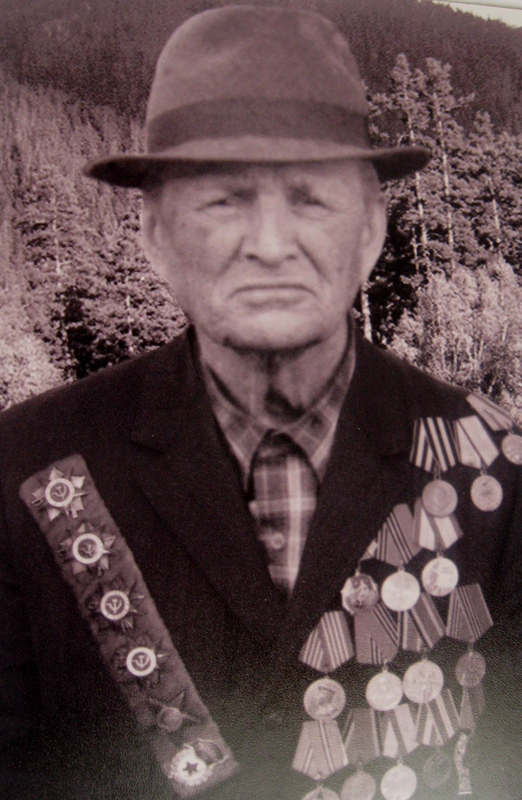
Evgamukov Zalim Kamatovich
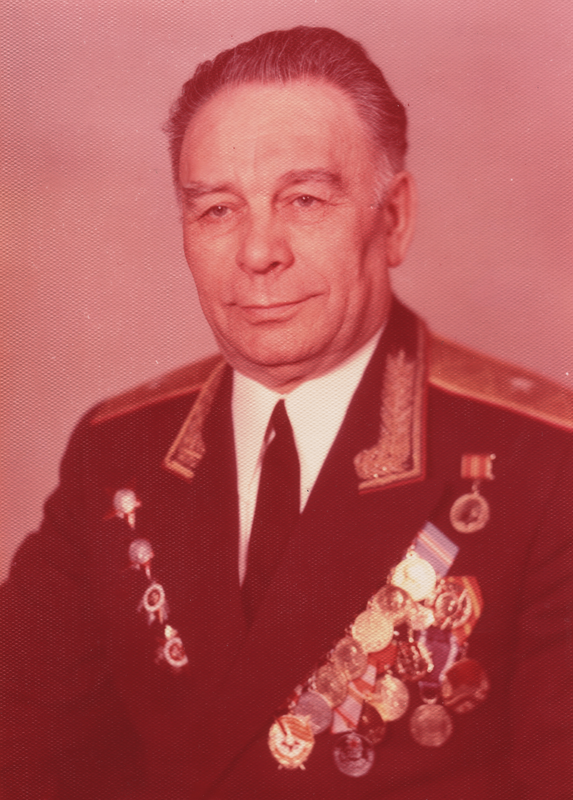
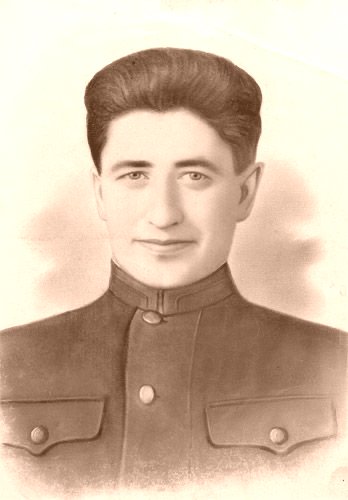
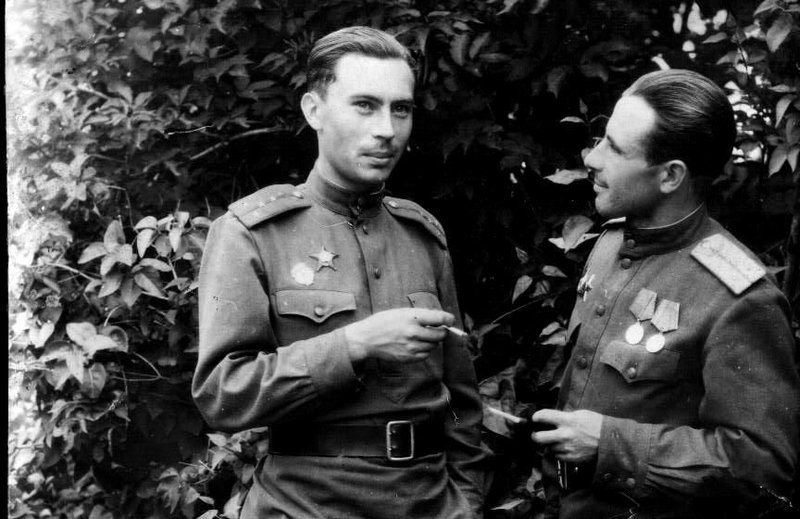
Evgamukov Zalim Kamatovich was born on September 1, 1918, in the village of Loovsko-Kubansky of the North Caucasus Soviet Republic. Since 1939, after studying at a pedagogical school in Cherkessk, he lived in the village of Psyzh and worked as a primary school teacher at a local school. He was drafted into the Red Frmy nn October 20, 1941. At that time, everyone who went to the front was driven by a high sense of duty. Each of them took the oath, expressing their willingness to give their blood and lives for the Motherland, for its freedom, and to beat the fascists without sparing any effort. Zalim Kamatovich were sent on short courses in Mozdok and became a mortar man. While fighting on the bridgeheads with the superior forces of the Nazis, the private Yevgamukov was wounded in the head on June 5, 1942. Since January 1943, he was a gunner of the battalion mortar No.82 as part of the 2nd rifle battalion of the 777th rifle regiment of the 227th Temryuk rifle division of the North Caucasus front and participated in the battles to liberate the Krasnodar territory from the enemy. On the Taman Peninsula on September 9, 1943, when repelling an enemy landing, he was wounded in the leg and ended up in a hospital (Labinskaya station). Then, after the liberation of the Taman Peninsula, during the liberation of the city of Temryuk, Corporal Yevgamukov, as the commander of a division of a rifle company in the 339th rifle Taman division, participated in the sea-borne landing. In April 1944, he was awarded the order of the Red Star by the division command for his valor and bravery. In the same year, he participated in the battles for the liberation of Kerch. In May 1944, as part of the 339th rifle Taman Red Banner Order of Suvorov division of the 16th rifle corps of the 56th army, the commander of the 45-mm guns, Corporal Yevgamukov, skillfully suppressed three enemy machine-gun points and smashed two enemy earth and timber bunkers in the battle for the city of Sevastopol. On behalf of the Presidium of the Supreme Soviet of the USSR, he was awarded of the order of the Patriotic war, 2nd Class for exemplary performance of combat tasks of the front command and for his combat skills. After the capture of Sapun Mountain and the liberation of Sevastopol, Yevgamukov's gun crew participated in the destruction of the enemy at Cape Chersonesos. Then he took part in the crossing of the Vistula and the liberation of Poland in January 1945 as the commander of the mortar company 1137 Rostov Rifle Regiment. Sergeant First Class Evgamukov Zalim Kamatovic as a part of the 339th Infantry Division of the Taman Red Banner order of Suvorov Division of the 16th rifle corps of the 33th army participated in the largest Warsaw-Poznan front offensive operation of the troops of the 1st Belorussian front (commander—Marshal of the Soviet Union Georgy Zhukov. The operation was held on 14 January—3 February 1945, as a part of the strategic Vistula-Oder offensive operation). Starting a breakthrough in several sections with a total width of 34 km, the troops of the 1st Belorussian front expanded it along the front to 500 km and advanced to a depth of 500 km by the end of the operation, liberating the entire Western part of Poland in their band. Early in the morning of January 14, 1945, by a surprise attack of advanced battalions from the Magnushevsky and Pulavsky bridgeheads on a front of over 100 km, the troops of the 1st Belorussian front went on the offensive, within an hour they advanced on 2-3 km. The mortar crew under the command of Z. K. Yevgamukov, together with the advancing infantry, participated in the battles at the Pulavsky bridgehead. The fascists fought fiercely. During the breakthrough of the German defense on the West Bank of the Vistula river, Sergeant First Class Yevgamukov destroyed two 81-mm mortars and an enemy machine gun, thereby ensuring the advance of the infantry. During the repulse of the counterattack, ignoring the danger, he moved to the battle lines of the battalion and destroyed 22 German soldiers and officers. The 33rd army, which then went on the offensive, broke through the enemy's defenses to a depth of 20 km. On behalf of the Presidium of the Supreme Soviet of the USSR, Yevgamukov was awarded of the order of the Patriotic war, 2nd class, for exemplary performance of combat tasks of the front command and for valor and courage shown in this operation. In that battle, Zalim Kamatovich received a second severe penetrating wound to the head and was sent to the evacuation hospital No. 3474 in Lublin. So, on January 14, 1945, the war was ended for the Sergeant First Class in Poland. While being treated in hospitals of the 2nd Belorussian front troops after injuries received in battles with the German invaders, he was awarded the order of the Patriotic war, 1st Class. In November 1945, he was transferred to the Saratov special neurosurgical evacuation hospital No. 1056. with a diagnosis of "tangential shrapnel penetrating wound of the right occipital region of head with complications". He survived, thanks to experienced neurosurgeons, the care of nurse Alexandra (unfortunately, her data is not available in the photo and the search of it was unsuccessful). In the spring of 1947, accompanied by nurse Alexandra, Zalim returned to the North Caucasus. He had paralyzed left half of the body, unintelligible, slow speech and had no ability to move independently, (conclusion of the military medical Commission: "disabled person of group I"). So began the peaceful life of Zalim Kamatovich. Only personal courage, a huge will and a thirst for life, multiplied by daily hard work and high demands on himself allowed the 29-year-old soldier to "return to service".
Evgamukov Zalim Kamatovich
Evgamukov Zalim Kamatovich was born on September 1, 1918, in the village of Loovsko-Kubansky of the North Caucasus Soviet Republic. Since 1939, after studying at a pedagogical school in Cherkessk, he lived in the village of Psyzh and worked as a primary school teacher at a local school. He was drafted into the Red Frmy nn October 20, 1941. At that time, everyone who went to the front was driven by a high sense of duty. Each of them took the oath, expressing their willingness to give their blood and lives for the Motherland, for its freedom, and to beat the fascists without sparing any effort. Zalim Kamatovich were sent on short courses in Mozdok and became a mortar man. While fighting on the bridgeheads with the superior forces of the Nazis, the private Yevgamukov was wounded in the head on June 5, 1942. Since January 1943, he was a gunner of the battalion mortar No.82 as part of the 2nd rifle battalion of the 777th rifle regiment of the 227th Temryuk rifle division of the North Caucasus front and participated in the battles to liberate the Krasnodar territory from the enemy. On the Taman Peninsula on September 9, 1943, when repelling an enemy landing, he was wounded in the leg and ended up in a hospital (Labinskaya station). Then, after the liberation of the Taman Peninsula, during the liberation of the city of Temryuk, Corporal Yevgamukov, as the commander of a division of a rifle company in the 339th rifle Taman division, participated in the sea-borne landing. In April 1944, he was awarded the order of the Red Star by the division command for his valor and bravery. In the same year, he participated in the battles for the liberation of Kerch. In May 1944, as part of the 339th rifle Taman Red Banner Order of Suvorov division of the 16th rifle corps of the 56th army, the commander of the 45-mm guns, Corporal Yevgamukov, skillfully suppressed three enemy machine-gun points and smashed two enemy earth and timber bunkers in the battle for the city of Sevastopol. On behalf of the Presidium of the Supreme Soviet of the USSR, he was awarded of the order of the Patriotic war, 2nd Class for exemplary performance of combat tasks of the front command and for his combat skills. After the capture of Sapun Mountain and the liberation of Sevastopol, Yevgamukov's gun crew participated in the destruction of the enemy at Cape Chersonesos. Then he took part in the crossing of the Vistula and the liberation of Poland in January 1945 as the commander of the mortar company 1137 Rostov Rifle Regiment. Sergeant First Class Evgamukov Zalim Kamatovic as a part of the 339th Infantry Division of the Taman Red Banner order of Suvorov Division of the 16th rifle corps of the 33th army participated in the largest Warsaw-Poznan front offensive operation of the troops of the 1st Belorussian front (commander—Marshal of the Soviet Union Georgy Zhukov. The operation was held on 14 January—3 February 1945, as a part of the strategic Vistula-Oder offensive operation). Starting a breakthrough in several sections with a total width of 34 km, the troops of the 1st Belorussian front expanded it along the front to 500 km and advanced to a depth of 500 km by the end of the operation, liberating the entire Western part of Poland in their band. Early in the morning of January 14, 1945, by a surprise attack of advanced battalions from the Magnushevsky and Pulavsky bridgeheads on a front of over 100 km, the troops of the 1st Belorussian front went on the offensive, within an hour they advanced on 2-3 km. The mortar crew under the command of Z. K. Yevgamukov, together with the advancing infantry, participated in the battles at the Pulavsky bridgehead. The fascists fought fiercely. During the breakthrough of the German defense on the West Bank of the Vistula river, Sergeant First Class Yevgamukov destroyed two 81-mm mortars and an enemy machine gun, thereby ensuring the advance of the infantry. During the repulse of the counterattack, ignoring the danger, he moved to the battle lines of the battalion and destroyed 22 German soldiers and officers. The 33rd army, which then went on the offensive, broke through the enemy's defenses to a depth of 20 km. On behalf of the Presidium of the Supreme Soviet of the USSR, Yevgamukov was awarded of the order of the Patriotic war, 2nd class, for exemplary performance of combat tasks of the front command and for valor and courage shown in this operation. In that battle, Zalim Kamatovich received a second severe penetrating wound to the head and was sent to the evacuation hospital No. 3474 in Lublin. So, on January 14, 1945, the war was ended for the Sergeant First Class in Poland. While being treated in hospitals of the 2nd Belorussian front troops after injuries received in battles with the German invaders, he was awarded the order of the Patriotic war, 1st Class. In November 1945, he was transferred to the Saratov special neurosurgical evacuation hospital No. 1056. with a diagnosis of "tangential shrapnel penetrating wound of the right occipital region of head with complications". He survived, thanks to experienced neurosurgeons, the care of nurse Alexandra (unfortunately, her data is not available in the photo and the search of it was unsuccessful). In the spring of 1947, accompanied by nurse Alexandra, Zalim returned to the North Caucasus. He had paralyzed left half of the body, unintelligible, slow speech and had no ability to move independently, (conclusion of the military medical Commission: "disabled person of group I"). So began the peaceful life of Zalim Kamatovich. Only personal courage, a huge will and a thirst for life, multiplied by daily hard work and high demands on himself allowed the 29-year-old soldier to "return to service".
0 comment



2026 © Russian Military Historical Society Developed by Jetmix