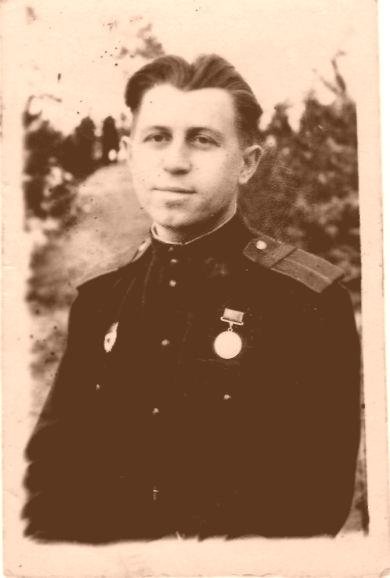
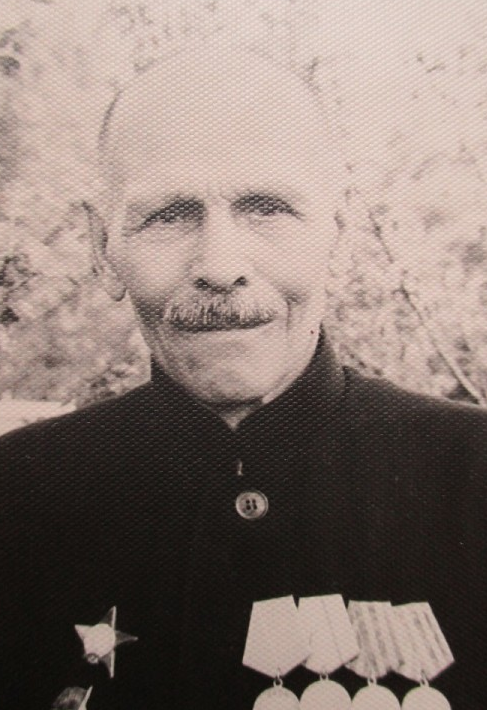
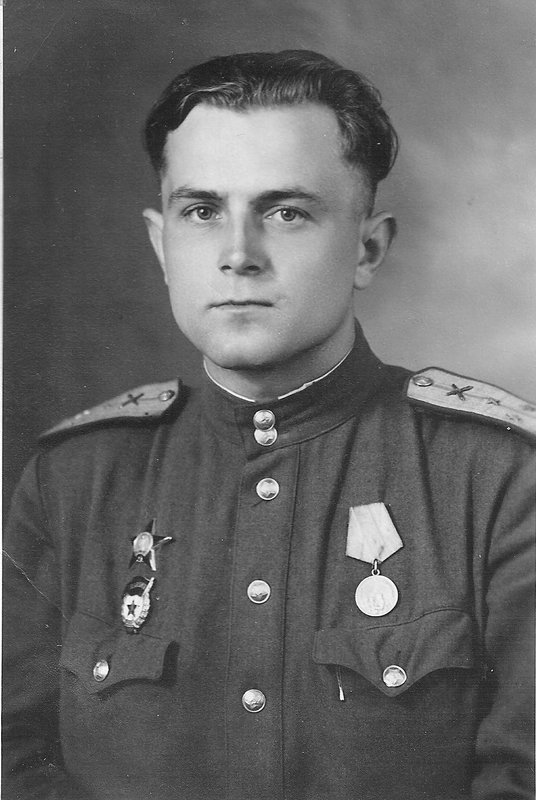
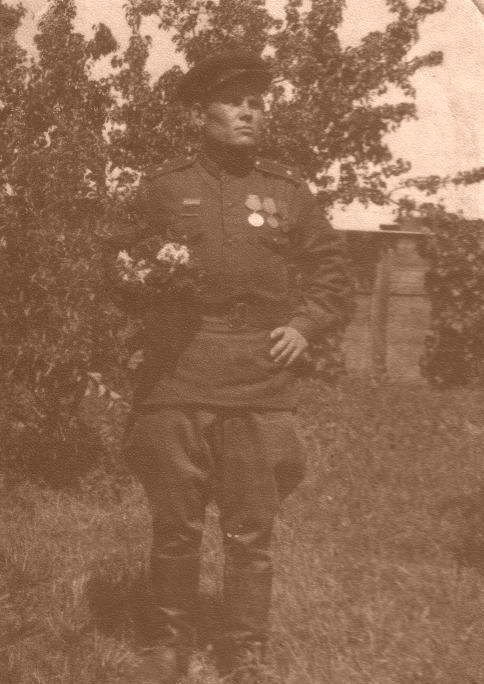
Yakov Morozov
He was born in 1918 in the village of Sushikha, where his family used to live for a short time. He returned to his native place after the war in 1946. _x000D_
There he had lived for 58 years with my wife, raised his sons, and worked selflessly. He retired in 1978. He went through the war from the first day to the last. In 1938, he was called up to serve in the Red Army, sent to the Far East on the border. In July-August 1938 near lake Khasan, in 1939 on the Territory of Mongolia, near the Khalkhin Gol participated in battles with units of the Kwantung army of the Japanese. _x000D_
In 1940, he was demobilized, later studied at Automobile School and was sent to the Jewish Autonomous Region of the Khabarovsk Territory, worked as a driver at a mine, lived in the forest in tents. Many could not stand the harsh conditions and left. He heard about the beginning of the war at work. A day or two later, he received a summons from the military recruitment office. He was called up in June 1941 from the Far East, from the city of Blagoveshchensk. At first, he guarded the border in the Far East. _x000D_
In October 1941, his military unit was transferred to the west near Moscow. Then he fought at Tula, Kharkov, Belgorod, Oryol, on the Kursk Bulge. _x000D_
He was three times wounded and concussed. At first, he was a driver, in 1942 he was bombed, the car caught fire, his comrades pulled him out concussed, he was in the hospital, his eardrum was damaged, and his ear ached until 1947. _x000D_
In 1942-1943, he fought in the 19th Tank Brigade as a Tank-man. In 1943, he was wounded in the right arm, and was hospitalized for 3 months. He was cured and returned to the front line, where a mine exploded nearby in one of the combats, and his entire back was riddled with shrapnel. Again the hospital, the fragments were removed surgically and with the help of a magnet, 3 months on the recovery and again to the front in early May, 1943. _x000D_
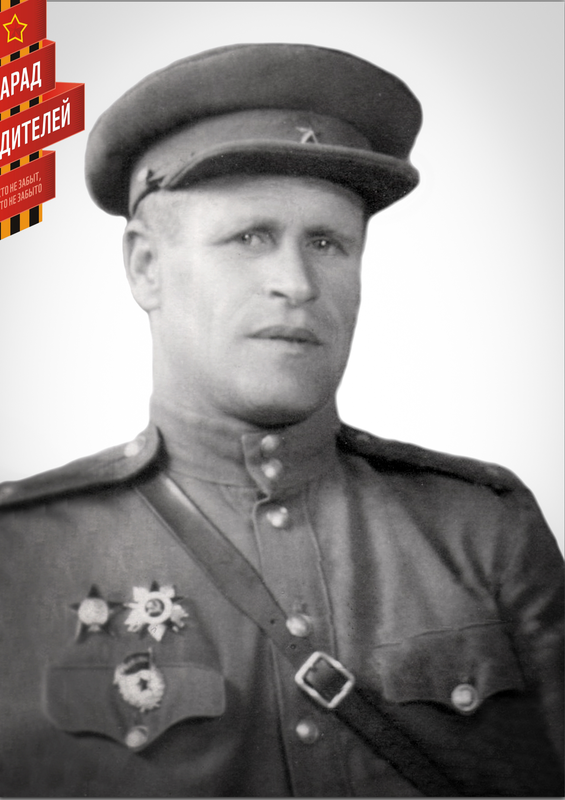
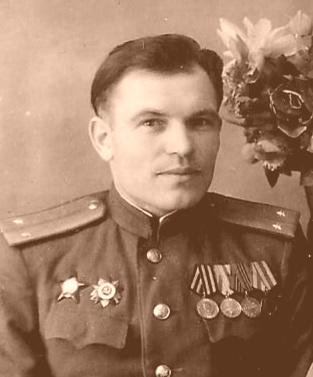
He participated in the historical tank battle of Kursk Bulge. He burned twice in a car, once in a tank. Twice he had to cross the Dnieper. It was one of the bloodiest and terrible battle of WWII. They crossed to the opposite bank whenever they had to. And both times they found themselves on a steep right bank of the river that hung over the water like a sheer wall. For these combats, he was awarded the orders of the Red Star and the Patriotic War, twice the medal For Courage. _x000D_
These were the dear awards for a veteran of all that he had. On March 12, 1944, he was wounded by a sniper's bullet in the cheek (the veteran still remembers this date and marks it as his second birth), the bullet went through, knocking out his teeth and grazing his tongue. It took six long months of treatment first in Moscow, then in Chelyabinsk. At first the doctors put a gag in the mouth at night to prevent the wound from drying, it was very hard. _x000D_
After the hospital, he became a member of the 2nd Ukrainian Front in 1944 in Romania near the city of Pitesti, liberating the capital of Austria, Vienna. He celebrated Victory in May 1945 in Austria, participated in the Prague operation as part of the 6th Guards Tank Army, took part in the destruction of the remaining group of Nazi troops in Czechoslovakia, from July 1945 until the demobilization in the city of Jihlava, Czechoslovakia. _x000D_
During the war years, he was an infantryman, tankman, and signalman. After the announcement of the German surrender and the end of the war, he did not return home immediately. He ended the war in Czechoslovakia in 1946. 50 years after the end of the war, he was awarded the order of the Red Star for the tank battle on the Kursk Bulge. He came home to Sushikha, went to work in the kolkhoz "Lenin's Victory", and on January 1, 1949, he was enrolled in the Ust-Lukovskaya MTS, which was responsible for kolkhoz equipment, as a tractor driver, where he worked on a DT-54 tractor. He received certificates, diplomas and valuable prizes for good performance for his work. _x000D_
He got married, in 1949 his son Vladimir was born. A year later, in 1950, his wife passed away and left him alone with a small child. After some time he married Shura Baklanova, gave birth to 3 more sons: the elder Nikolai drowned in childhood, Sergei and Anatoly live with their families in Ust-Lukovka and Sushikha. On July 1, 1958, in connection with the reorganization of MTS, he was transferred to work at the Lenin kolkhoz. In 1961, the Lukovsky Sovkhoz was established, which consisted of 4 villages: Lukovsky, Susica, Rogalevo and Tarpaulin with Central office in the village of Kersey. _x000D_
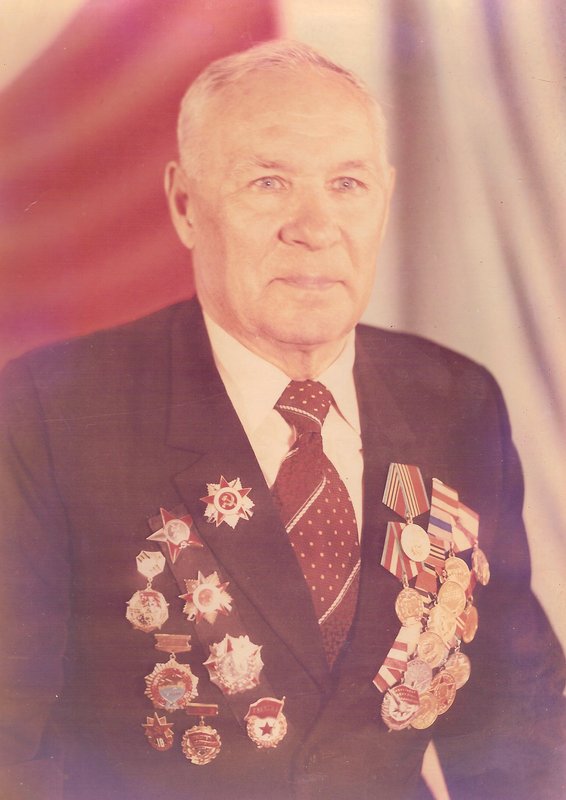
On February 21, 1961, Yakov Nesterovich joined the staff of the Lukovsky sovkhoz as a combine harvester. In 1963, there was a disorganization of the economy, as part of the Lukovsky, there remained 2 branches: Lukovskoe and Sushinskoe. Yakov Nesterovich worked for 18 years as a combine harvester, repeatedly received commendations, diplomas, was awarded a badge of honor, the medal "For the Development of Virgin Lands", the VDNH medal. He retired in July 1978.
Yakov Morozov
He was born in 1918 in the village of Sushikha, where his family used to live for a short time. He returned to his native place after the war in 1946. _x000D_
There he had lived for 58 years with my wife, raised his sons, and worked selflessly. He retired in 1978. He went through the war from the first day to the last. In 1938, he was called up to serve in the Red Army, sent to the Far East on the border. In July-August 1938 near lake Khasan, in 1939 on the Territory of Mongolia, near the Khalkhin Gol participated in battles with units of the Kwantung army of the Japanese. _x000D_
In 1940, he was demobilized, later studied at Automobile School and was sent to the Jewish Autonomous Region of the Khabarovsk Territory, worked as a driver at a mine, lived in the forest in tents. Many could not stand the harsh conditions and left. He heard about the beginning of the war at work. A day or two later, he received a summons from the military recruitment office. He was called up in June 1941 from the Far East, from the city of Blagoveshchensk. At first, he guarded the border in the Far East. _x000D_
In October 1941, his military unit was transferred to the west near Moscow. Then he fought at Tula, Kharkov, Belgorod, Oryol, on the Kursk Bulge. _x000D_
He was three times wounded and concussed. At first, he was a driver, in 1942 he was bombed, the car caught fire, his comrades pulled him out concussed, he was in the hospital, his eardrum was damaged, and his ear ached until 1947. _x000D_
In 1942-1943, he fought in the 19th Tank Brigade as a Tank-man. In 1943, he was wounded in the right arm, and was hospitalized for 3 months. He was cured and returned to the front line, where a mine exploded nearby in one of the combats, and his entire back was riddled with shrapnel. Again the hospital, the fragments were removed surgically and with the help of a magnet, 3 months on the recovery and again to the front in early May, 1943. _x000D_
He participated in the historical tank battle of Kursk Bulge. He burned twice in a car, once in a tank. Twice he had to cross the Dnieper. It was one of the bloodiest and terrible battle of WWII. They crossed to the opposite bank whenever they had to. And both times they found themselves on a steep right bank of the river that hung over the water like a sheer wall. For these combats, he was awarded the orders of the Red Star and the Patriotic War, twice the medal For Courage. _x000D_
These were the dear awards for a veteran of all that he had. On March 12, 1944, he was wounded by a sniper's bullet in the cheek (the veteran still remembers this date and marks it as his second birth), the bullet went through, knocking out his teeth and grazing his tongue. It took six long months of treatment first in Moscow, then in Chelyabinsk. At first the doctors put a gag in the mouth at night to prevent the wound from drying, it was very hard. _x000D_
After the hospital, he became a member of the 2nd Ukrainian Front in 1944 in Romania near the city of Pitesti, liberating the capital of Austria, Vienna. He celebrated Victory in May 1945 in Austria, participated in the Prague operation as part of the 6th Guards Tank Army, took part in the destruction of the remaining group of Nazi troops in Czechoslovakia, from July 1945 until the demobilization in the city of Jihlava, Czechoslovakia. _x000D_
During the war years, he was an infantryman, tankman, and signalman. After the announcement of the German surrender and the end of the war, he did not return home immediately. He ended the war in Czechoslovakia in 1946. 50 years after the end of the war, he was awarded the order of the Red Star for the tank battle on the Kursk Bulge. He came home to Sushikha, went to work in the kolkhoz "Lenin's Victory", and on January 1, 1949, he was enrolled in the Ust-Lukovskaya MTS, which was responsible for kolkhoz equipment, as a tractor driver, where he worked on a DT-54 tractor. He received certificates, diplomas and valuable prizes for good performance for his work. _x000D_
He got married, in 1949 his son Vladimir was born. A year later, in 1950, his wife passed away and left him alone with a small child. After some time he married Shura Baklanova, gave birth to 3 more sons: the elder Nikolai drowned in childhood, Sergei and Anatoly live with their families in Ust-Lukovka and Sushikha. On July 1, 1958, in connection with the reorganization of MTS, he was transferred to work at the Lenin kolkhoz. In 1961, the Lukovsky Sovkhoz was established, which consisted of 4 villages: Lukovsky, Susica, Rogalevo and Tarpaulin with Central office in the village of Kersey. _x000D_
On February 21, 1961, Yakov Nesterovich joined the staff of the Lukovsky sovkhoz as a combine harvester. In 1963, there was a disorganization of the economy, as part of the Lukovsky, there remained 2 branches: Lukovskoe and Sushinskoe. Yakov Nesterovich worked for 18 years as a combine harvester, repeatedly received commendations, diplomas, was awarded a badge of honor, the medal "For the Development of Virgin Lands", the VDNH medal. He retired in July 1978.
0 comment




2026 © Russian Military Historical Society Developed by Jetmix