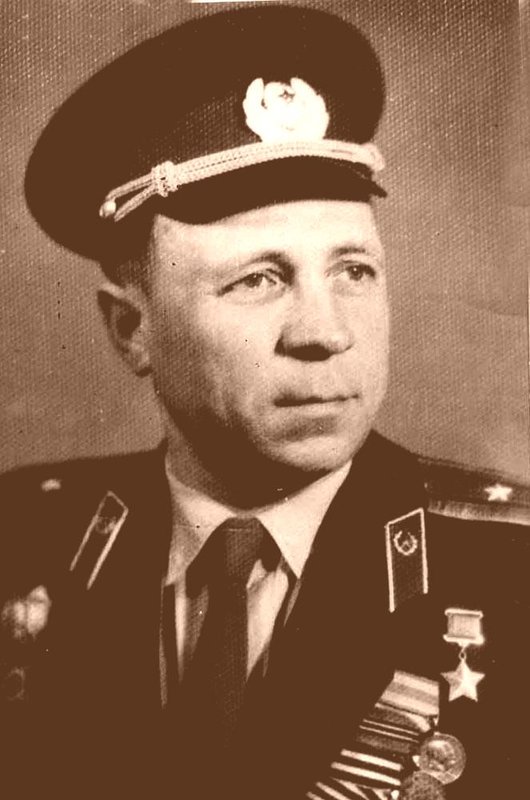
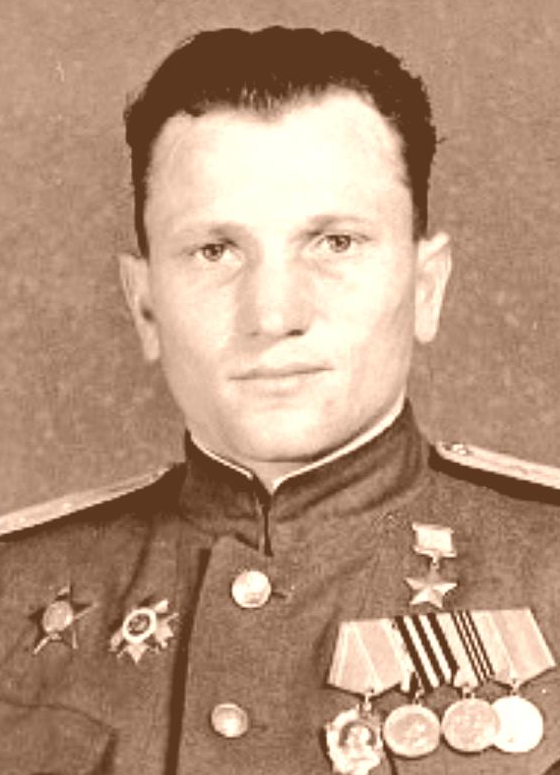
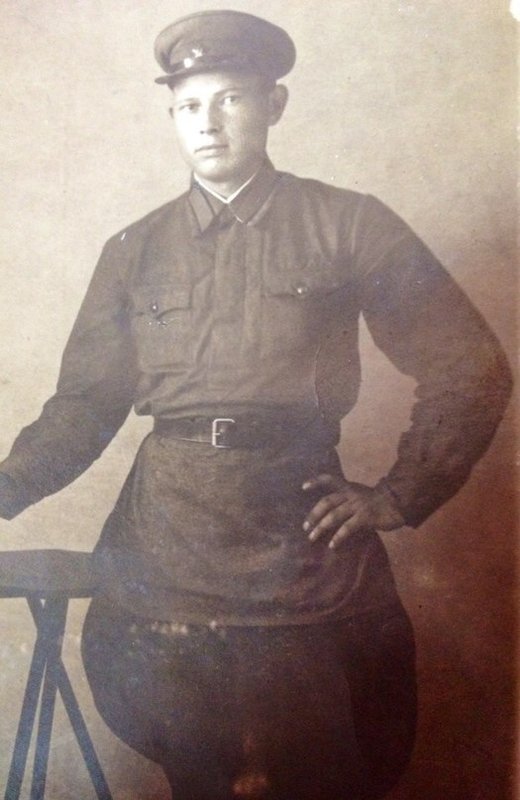
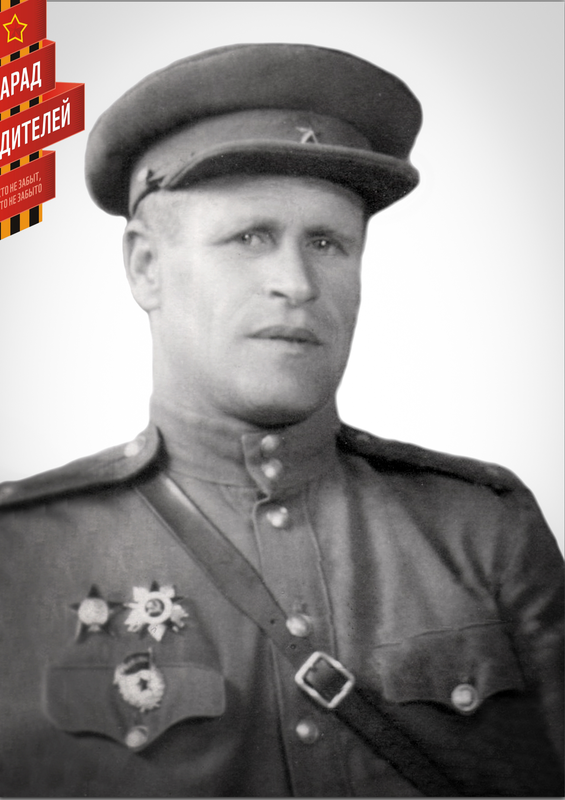
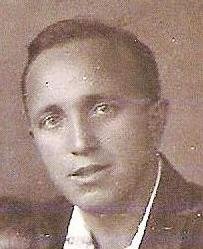
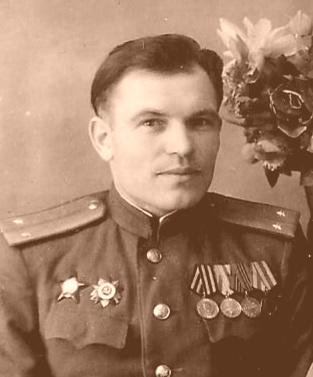
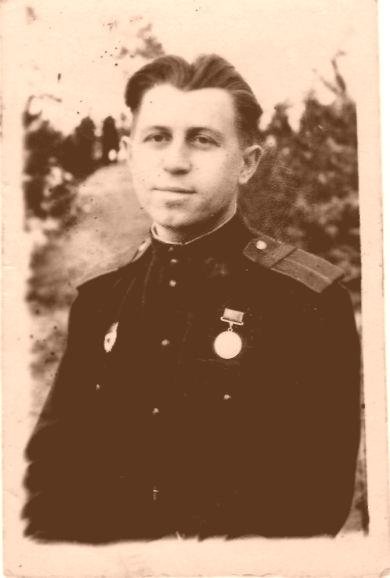
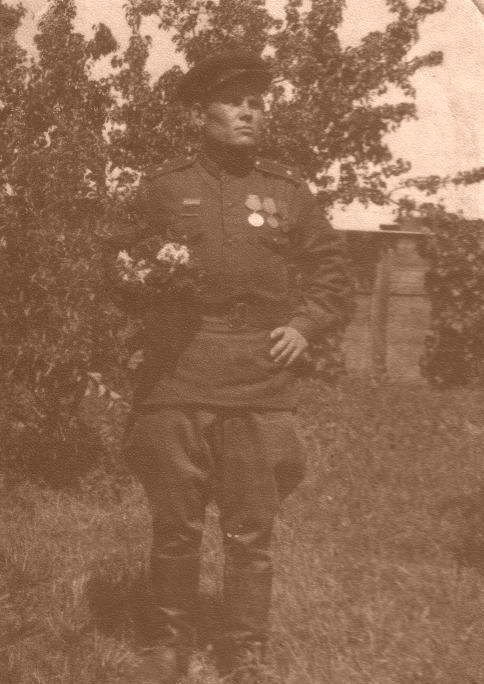
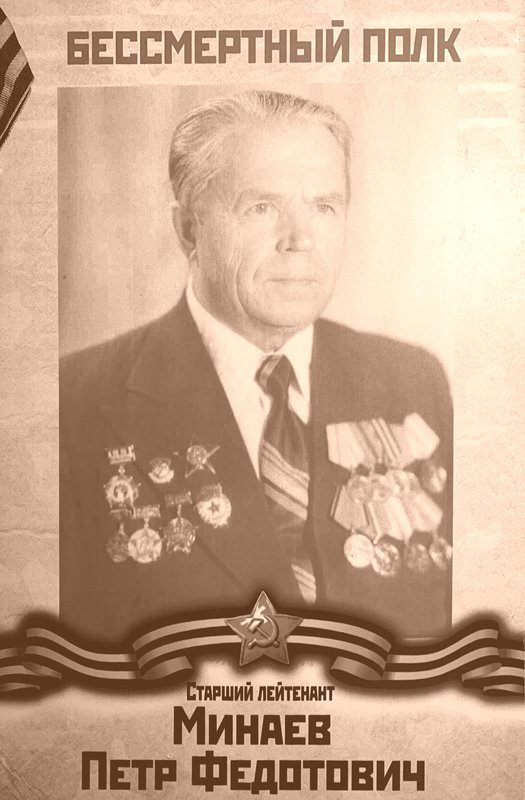
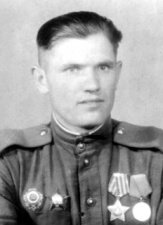
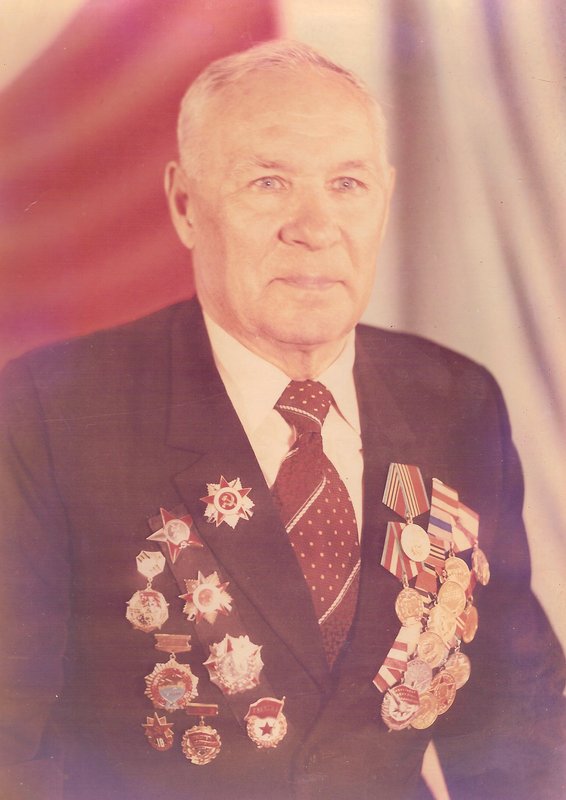
Serganov Sergey Sergeevich
Serganov Sergey Sergeevich_x000D_
Rank: Colonel_x000D_
Type of troops: Artillery. _x000D_
Guard Colonel Serganov Sergei Sergeevich was born in the Bryansk region in a family of workers. After completing 7 classes at school, S. S. Serganov continued his studies at the technical school of the Bryansk locomotive building plant "Krasny Profintern". Then he worked as a senior designer of a copper-Nickel shop and had an exemption from service in the army. _x000D_
From the very first days of the war, the plant began to operate under the wartime regime, and on July 3, 1941, an order was received to evacuate the plant to the rear of the country beyond the Urals to the city of Krasnoyarsk. In December 1941 Bryansk machine builders began to send grenades and mortars to the front, later wagons and locomotives. In Kovrov, at the machine gun factory, factory employees participated in the production of Degtyaryov hand-held machine gun , ShVAK aviation cannons, and sub-machine guns. Disturbing news had reached the rear, the enemy was at Moscow, and the situation was serious. _x000D_
Serganov, having abandoned his exemption from active duty, voluntarily came to the regional military Commissariat in November 1941 with a request to send him to the front. Given his education, life experience and ability to lead people, he was sent to study at the Kirov (1st) Red Banner Artillery School in Krasnoyarsk. After completing 6 months of training, on May 2, 1942, Sergey Serganov received the military rank Lieutenant and went to the Bryansk front as Deputy chief of Staff of the Artillery Division. However, the situation at the front quickly changed and in June 1943, Serganov became the commander of the control platoon of the 2nd Artillery Division 152-mm guns of the Shuisky 602th Gun and Artillery regiment, where he proved to be a skilled artillery officer, and after 2 months became Deputy commander of the 4th battery of the 2nd Artillery Division of the regiment. _x000D_
In the presentation for the award of the order for Patriotic war I degree No. 20304036 from 10.07.1943, Senior Lieutenant S. S. Serganov in battles with the German invaders showed courage and bravery. _x000D_
«05.08.43 year Serganov received the mission to destroy the bunker, which occupied a dominant position in the area of Height 203, 3; to counterattack with fire the intersection of the roads and the section of road from Height 203, 3 to Lipovaya Balka. This bunker was used as an observation station. On the night of 5/6 July 1943, comrade Serganov rolled out a gun to the very front edge in the area of 6-I Kurganov, 2 km west from Novo-Sergeyevka, and in the morning during the artillery preparation with direct fire, despite the heavy shelling of the enemy guns from mortars and machine guns, destroyed the bunker with 4 accurate hits. Destroyed: machine gun, stereo tube and 6 Germans, including 3 officers. For his brave actions and good shooting, he received a commendation from the commander of the 40th Army's Artillery. Senior Lieutenant Serganov is a brave and strong-willed battery commander, who always performs the missions assigned to him with honor."_x000D_
"At the end of 1944," recalls Sergei Sergeevich, " we were 100 km from Berlin. The Germans stubbornly resisted, feeling that their days were numbered. There I received a through wound in the leg, but was treated at the local medical center. I also remember an artillery duel with the Germans during the storming of the fortress of Glogau in the spring of 1945, when two guns fired direct fire against each other. Our crew had a better qualifications and with the first shot we hit the enemy cannon. _x000D_
I met Victory day in Prague, and before that, on May 7 - 8, we listened to the Sovinformburo reports to ceasefire and capitulation of Nazi Germany on the radio. The fraternal Czechoslovak people were jubilant, we were given a living corridor when we met, people stood with flowers and shouted in Czech "Nazdar! Nazdar!" (Hello, Hello!). Then, in the war, we lived as one family, all the Nations, there were brothers-Slavs. We fought together against a common enemy, and our Victory was shared.»
Serganov Sergey Sergeevich
Serganov Sergey Sergeevich_x000D_
Rank: Colonel_x000D_
Type of troops: Artillery. _x000D_
Guard Colonel Serganov Sergei Sergeevich was born in the Bryansk region in a family of workers. After completing 7 classes at school, S. S. Serganov continued his studies at the technical school of the Bryansk locomotive building plant "Krasny Profintern". Then he worked as a senior designer of a copper-Nickel shop and had an exemption from service in the army. _x000D_
From the very first days of the war, the plant began to operate under the wartime regime, and on July 3, 1941, an order was received to evacuate the plant to the rear of the country beyond the Urals to the city of Krasnoyarsk. In December 1941 Bryansk machine builders began to send grenades and mortars to the front, later wagons and locomotives. In Kovrov, at the machine gun factory, factory employees participated in the production of Degtyaryov hand-held machine gun , ShVAK aviation cannons, and sub-machine guns. Disturbing news had reached the rear, the enemy was at Moscow, and the situation was serious. _x000D_
Serganov, having abandoned his exemption from active duty, voluntarily came to the regional military Commissariat in November 1941 with a request to send him to the front. Given his education, life experience and ability to lead people, he was sent to study at the Kirov (1st) Red Banner Artillery School in Krasnoyarsk. After completing 6 months of training, on May 2, 1942, Sergey Serganov received the military rank Lieutenant and went to the Bryansk front as Deputy chief of Staff of the Artillery Division. However, the situation at the front quickly changed and in June 1943, Serganov became the commander of the control platoon of the 2nd Artillery Division 152-mm guns of the Shuisky 602th Gun and Artillery regiment, where he proved to be a skilled artillery officer, and after 2 months became Deputy commander of the 4th battery of the 2nd Artillery Division of the regiment. _x000D_
In the presentation for the award of the order for Patriotic war I degree No. 20304036 from 10.07.1943, Senior Lieutenant S. S. Serganov in battles with the German invaders showed courage and bravery. _x000D_
«05.08.43 year Serganov received the mission to destroy the bunker, which occupied a dominant position in the area of Height 203, 3; to counterattack with fire the intersection of the roads and the section of road from Height 203, 3 to Lipovaya Balka. This bunker was used as an observation station. On the night of 5/6 July 1943, comrade Serganov rolled out a gun to the very front edge in the area of 6-I Kurganov, 2 km west from Novo-Sergeyevka, and in the morning during the artillery preparation with direct fire, despite the heavy shelling of the enemy guns from mortars and machine guns, destroyed the bunker with 4 accurate hits. Destroyed: machine gun, stereo tube and 6 Germans, including 3 officers. For his brave actions and good shooting, he received a commendation from the commander of the 40th Army's Artillery. Senior Lieutenant Serganov is a brave and strong-willed battery commander, who always performs the missions assigned to him with honor."_x000D_
"At the end of 1944," recalls Sergei Sergeevich, " we were 100 km from Berlin. The Germans stubbornly resisted, feeling that their days were numbered. There I received a through wound in the leg, but was treated at the local medical center. I also remember an artillery duel with the Germans during the storming of the fortress of Glogau in the spring of 1945, when two guns fired direct fire against each other. Our crew had a better qualifications and with the first shot we hit the enemy cannon. _x000D_
I met Victory day in Prague, and before that, on May 7 - 8, we listened to the Sovinformburo reports to ceasefire and capitulation of Nazi Germany on the radio. The fraternal Czechoslovak people were jubilant, we were given a living corridor when we met, people stood with flowers and shouted in Czech "Nazdar! Nazdar!" (Hello, Hello!). Then, in the war, we lived as one family, all the Nations, there were brothers-Slavs. We fought together against a common enemy, and our Victory was shared.»
0 comment



2026 © Russian Military Historical Society Developed by Jetmix