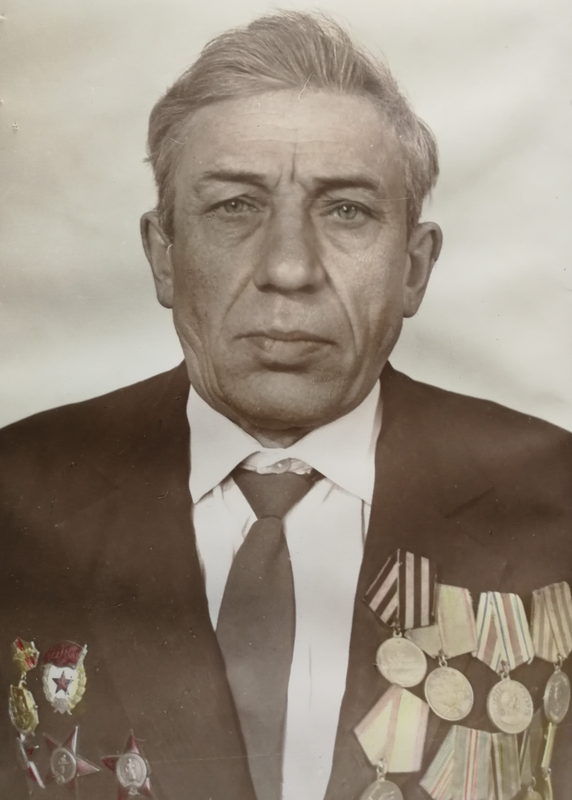
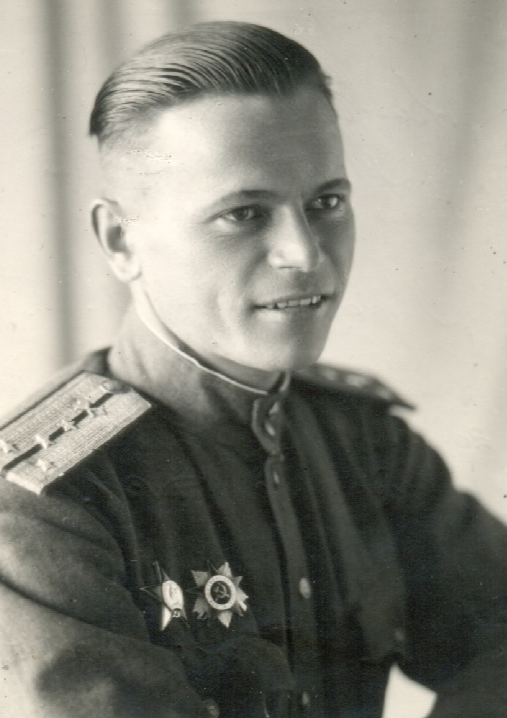
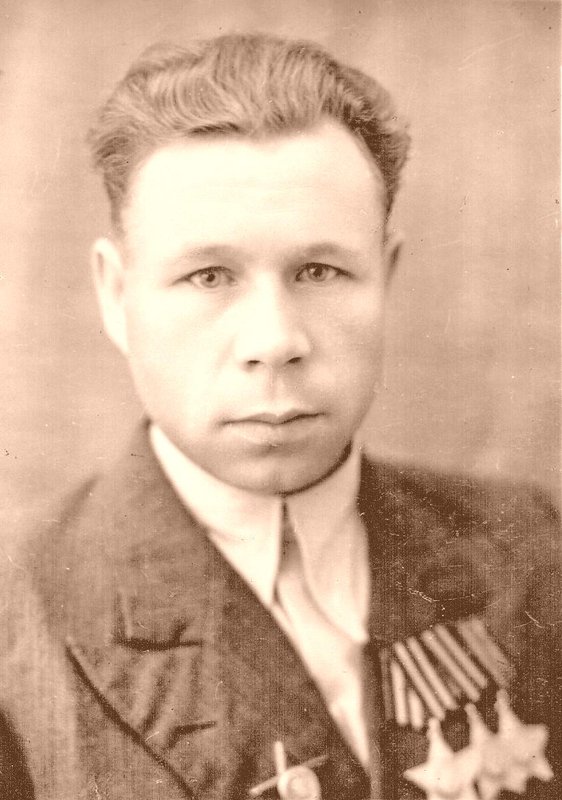
Meshcheryakov Vasily Dmitrievich
Meshcheryakov Vasily Dmitrievich_x000D_
_x000D_
DATE OF BIRTH: 08/06/1921 _x000D_
DATE OF DEATH: 03/04/1994 _x000D_
_x000D_
My grandfather, Vasily Dmitrievich Meshcheryakov was born on August 6, 1921 in the village of Khonevo, Mokshansk District, Penza Region, into a peasant family. Graduated from 7 classes. In 1931, the family was deported to Kazakhstan. In October 1940, Vasily Dmitrievich Meshcheryakov was drafted into the ranks of the Red Army and ended up serving in 152nd separate tank battalion, which was part of 36th light tank brigade, stationed in the city of Vladimir-Volynsky (Western Ukraine), 10-15 km from the border USSR with German-occupied Poland. In March 1941, the formation of 22nd Mechanized Corps began in the Kiev Special Military District. The corps was supposed to include 41st Panzer Division, which was formed on the basis of the staffs of 36th and 38th Kiev Military District Light Tank Brigades. On June 22, 1941, according to the mobilization plan, the division left Vladimir-Volynsky for the Kovel area. But on the way, tanks were not able to overcome a swamp and suffered heavy losses from air strikes and artillery fire enemy._x000D_
In the chaos and confusion of the first days of the war, by June 25, 41st Panzer Division was split into small parts and attached to infantry units, and lost its penetrating power of the "strike fist". Until the beginning of July, part of the division was in the Kovel area, covering the Brest direction. Part of the division's forces, having 16 KB and 106 T-26 tanks, participated in the famous tank counterattack near Dubno against the 14th German Panzer Division, which failed, but was able to delay the German offensive for sometime. After retreating to the east, the remnants of the division from July 10 to July 14 participated in a counterattack in the Novograd-Volynsk direction against the German 13th Panzer and 25th Motorized Divisions, as well as the SS Leibstandarte Adolf Hitler motorized brigade that supported them. On July 18, they began to retreat to the northeast. In late July - early August, the remnants of the division fought in the Korostensky fortified area in Ukraine. By August 19, only one tank remained in the staff of the tank division. At the end of August, the infantry unit actually defended itself on the Dnieper River in the Chernobyl region, which is north of Kiev. On September 9, the division was disbanded._x000D_
At this tragic time, almost the entire South-Western Front fell into a gigantic encirclement in the Kiev region. Few were be able to get out of the Kiev entrapment. Someone continued to fight in the Red Army, and someone, like Vasily Meshcheryakov, joined partisans. _x000D_
Vasily Dmitrievich Meshcheryakov for more than two years struck in the rear of the German fascist invaders. At the end of November 1943, the Chapaev partisan detachment, where Vasily Meshcheryakov fought, united with the advancing units of the Red Army in Belarus, near the city of Khoiniki, Gomel region. So for the second time Vasily Dmitrievich Meshcheryakov joined the ranks of the Red Army. _x000D_
He became a machine gunner of 218th Guards Rifle Regiment of 77th Guards Rifle Chernigov Order of Lenin of the Red Banner Order of Suvorov Division. Further combat path of the guard sergeant Vasily Dmitrievich Meshcheryakov and his participation in the division in combat operations: liberation of Belarus - Gomel-Rechitsa offensive operation (from November 10, 1943 to March 1944); liberation of Ukraine and Poland - defensive combat in the area of Kovel (from April 20 to July 17, 1944); Brest-Lublin offensive operation (from July 18 to July 29, 1944); forcing the Vistula River, capturing and expanding footholds (from July 29 to November 1944); Vistula-Oder offensive operation as part of the shock group of the 1st Belorussian Front, reaching the Oder River and seizing the foothold (from January 14 to February 2, 1945); Capture of Berlin operation as part of the shock group of 1st Belorussian Front from the Küstrin foothold, access to the Elbe River in the Magdeburg region; February-April 1945 foothold combats, from April 16 to May 8, 1945 an offensive on Berlin. _x000D_
Vasily Dmitrievich Meshcheryakov especially was distinguished in combat on the territory of Poland and Germany, as evidenced by his military awards. _x000D_
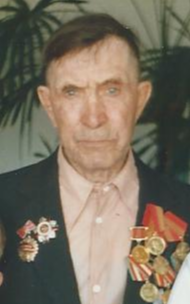
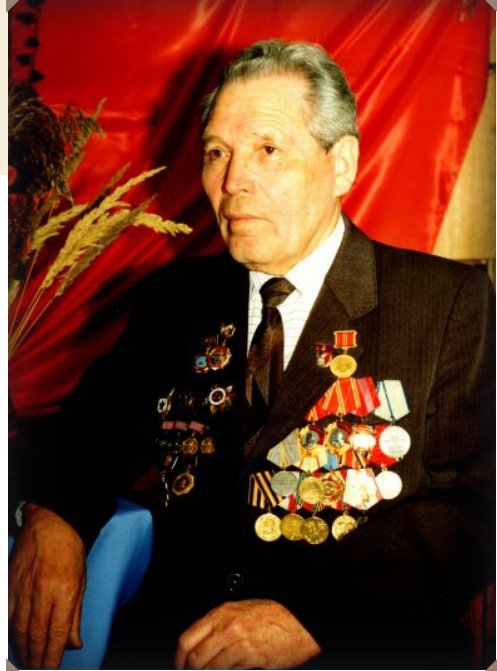
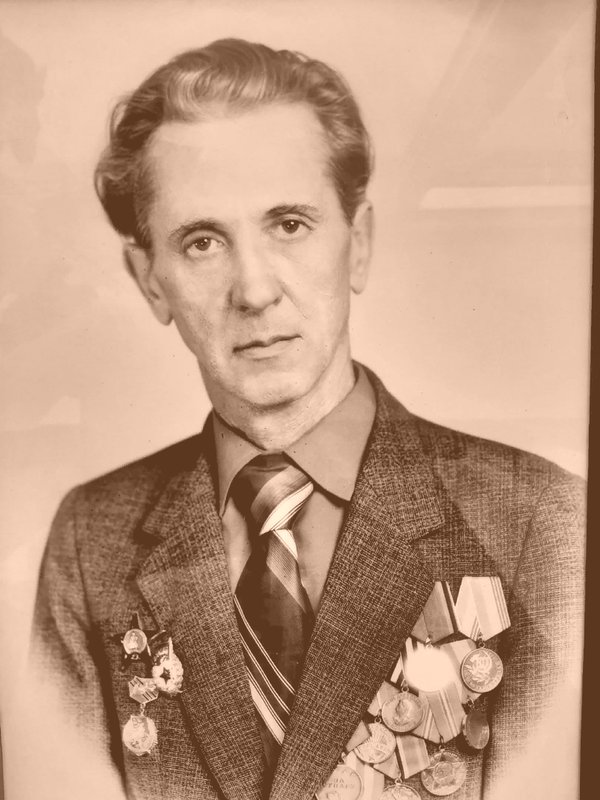
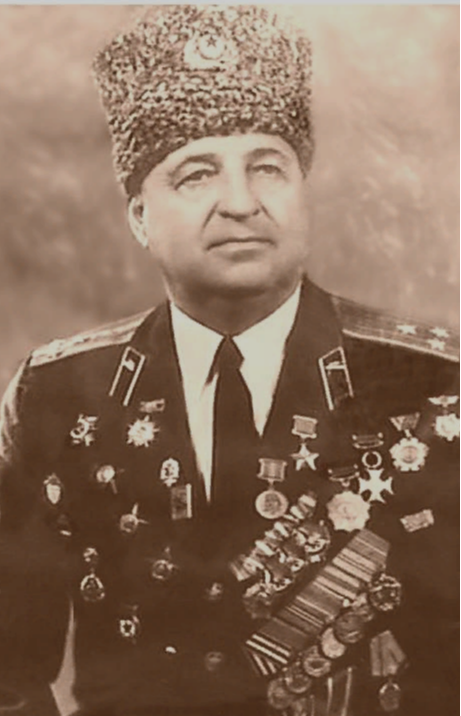
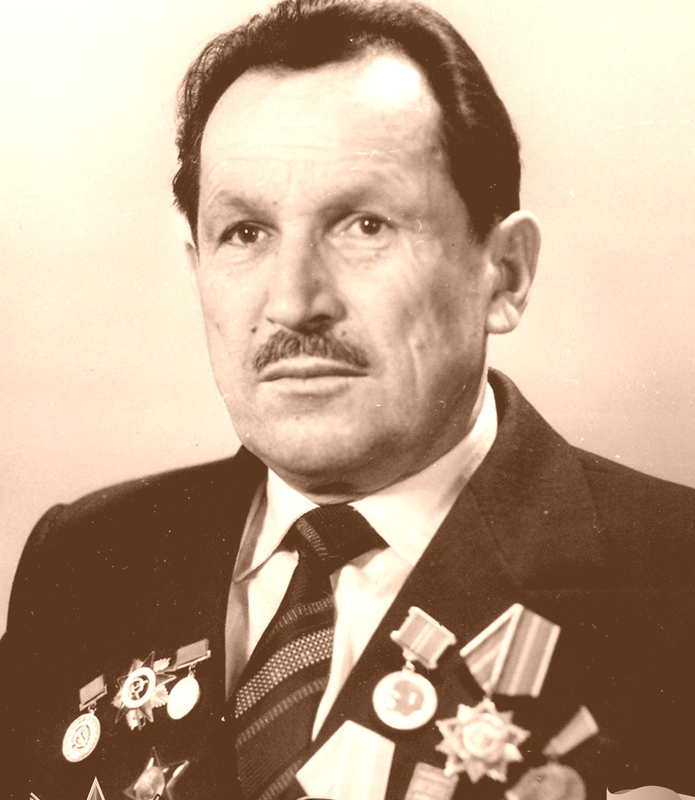
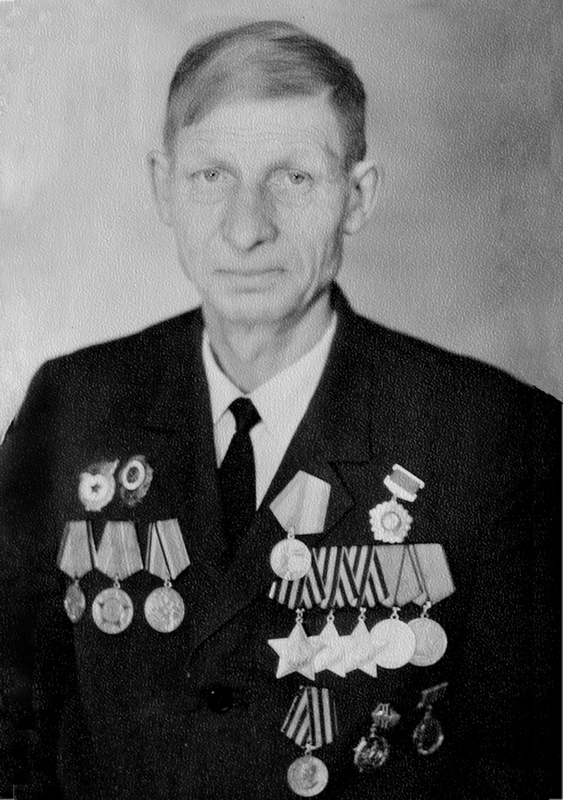
Guard senior sergeant V. D. Meshcheryakov is a full holder of the Order of Glory of all 3 degrees, also awarded the Order of the Red Star, two medals "For Courage", medals "For the Liberation of Warsaw", "For the capture of Berlin", "For the victory over Germany in the Great Patriotic War 1941-1945 years. " _x000D_
In 1946, the guard Starshina Vasily Dmitrievich Meshcheryakov was demobilized and returned home. After the war, he lived in Penza and worked at the Stroydetal # 1 plant as a carpenter, joiner, locksmith, foreman. _x000D_
In 1985, in honor of 40th anniversary of Victory, he was awarded the Order of the Patriotic War, 1st degree. _x000D_
My grandfather had golden hands. He made furniture, sewed and repaired shoes, even made toys for his grandchildren from wood. Vasily Dmitrievich Meshcheryakov died on March 4, 1994. We will keep the memory of our heroic grandfather.
Meshcheryakov Vasily Dmitrievich
Meshcheryakov Vasily Dmitrievich_x000D_
_x000D_
DATE OF BIRTH: 08/06/1921 _x000D_
DATE OF DEATH: 03/04/1994 _x000D_
_x000D_
My grandfather, Vasily Dmitrievich Meshcheryakov was born on August 6, 1921 in the village of Khonevo, Mokshansk District, Penza Region, into a peasant family. Graduated from 7 classes. In 1931, the family was deported to Kazakhstan. In October 1940, Vasily Dmitrievich Meshcheryakov was drafted into the ranks of the Red Army and ended up serving in 152nd separate tank battalion, which was part of 36th light tank brigade, stationed in the city of Vladimir-Volynsky (Western Ukraine), 10-15 km from the border USSR with German-occupied Poland. In March 1941, the formation of 22nd Mechanized Corps began in the Kiev Special Military District. The corps was supposed to include 41st Panzer Division, which was formed on the basis of the staffs of 36th and 38th Kiev Military District Light Tank Brigades. On June 22, 1941, according to the mobilization plan, the division left Vladimir-Volynsky for the Kovel area. But on the way, tanks were not able to overcome a swamp and suffered heavy losses from air strikes and artillery fire enemy._x000D_
In the chaos and confusion of the first days of the war, by June 25, 41st Panzer Division was split into small parts and attached to infantry units, and lost its penetrating power of the "strike fist". Until the beginning of July, part of the division was in the Kovel area, covering the Brest direction. Part of the division's forces, having 16 KB and 106 T-26 tanks, participated in the famous tank counterattack near Dubno against the 14th German Panzer Division, which failed, but was able to delay the German offensive for sometime. After retreating to the east, the remnants of the division from July 10 to July 14 participated in a counterattack in the Novograd-Volynsk direction against the German 13th Panzer and 25th Motorized Divisions, as well as the SS Leibstandarte Adolf Hitler motorized brigade that supported them. On July 18, they began to retreat to the northeast. In late July - early August, the remnants of the division fought in the Korostensky fortified area in Ukraine. By August 19, only one tank remained in the staff of the tank division. At the end of August, the infantry unit actually defended itself on the Dnieper River in the Chernobyl region, which is north of Kiev. On September 9, the division was disbanded._x000D_
At this tragic time, almost the entire South-Western Front fell into a gigantic encirclement in the Kiev region. Few were be able to get out of the Kiev entrapment. Someone continued to fight in the Red Army, and someone, like Vasily Meshcheryakov, joined partisans. _x000D_
Vasily Dmitrievich Meshcheryakov for more than two years struck in the rear of the German fascist invaders. At the end of November 1943, the Chapaev partisan detachment, where Vasily Meshcheryakov fought, united with the advancing units of the Red Army in Belarus, near the city of Khoiniki, Gomel region. So for the second time Vasily Dmitrievich Meshcheryakov joined the ranks of the Red Army. _x000D_
He became a machine gunner of 218th Guards Rifle Regiment of 77th Guards Rifle Chernigov Order of Lenin of the Red Banner Order of Suvorov Division. Further combat path of the guard sergeant Vasily Dmitrievich Meshcheryakov and his participation in the division in combat operations: liberation of Belarus - Gomel-Rechitsa offensive operation (from November 10, 1943 to March 1944); liberation of Ukraine and Poland - defensive combat in the area of Kovel (from April 20 to July 17, 1944); Brest-Lublin offensive operation (from July 18 to July 29, 1944); forcing the Vistula River, capturing and expanding footholds (from July 29 to November 1944); Vistula-Oder offensive operation as part of the shock group of the 1st Belorussian Front, reaching the Oder River and seizing the foothold (from January 14 to February 2, 1945); Capture of Berlin operation as part of the shock group of 1st Belorussian Front from the Küstrin foothold, access to the Elbe River in the Magdeburg region; February-April 1945 foothold combats, from April 16 to May 8, 1945 an offensive on Berlin. _x000D_
Vasily Dmitrievich Meshcheryakov especially was distinguished in combat on the territory of Poland and Germany, as evidenced by his military awards. _x000D_
Guard senior sergeant V. D. Meshcheryakov is a full holder of the Order of Glory of all 3 degrees, also awarded the Order of the Red Star, two medals "For Courage", medals "For the Liberation of Warsaw", "For the capture of Berlin", "For the victory over Germany in the Great Patriotic War 1941-1945 years. " _x000D_
In 1946, the guard Starshina Vasily Dmitrievich Meshcheryakov was demobilized and returned home. After the war, he lived in Penza and worked at the Stroydetal # 1 plant as a carpenter, joiner, locksmith, foreman. _x000D_
In 1985, in honor of 40th anniversary of Victory, he was awarded the Order of the Patriotic War, 1st degree. _x000D_
My grandfather had golden hands. He made furniture, sewed and repaired shoes, even made toys for his grandchildren from wood. Vasily Dmitrievich Meshcheryakov died on March 4, 1994. We will keep the memory of our heroic grandfather.
0 comment



2026 © Russian Military Historical Society Developed by Jetmix