Back to
album
album

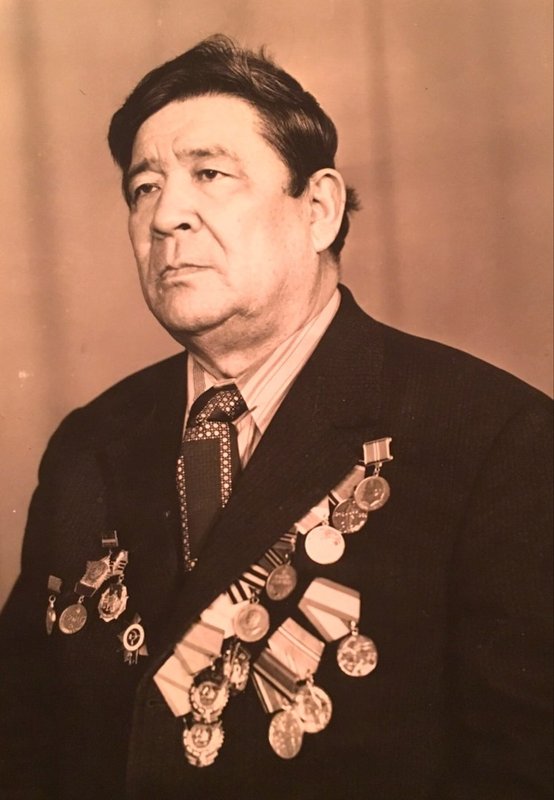

Zaharenko Igor Nikolaevich
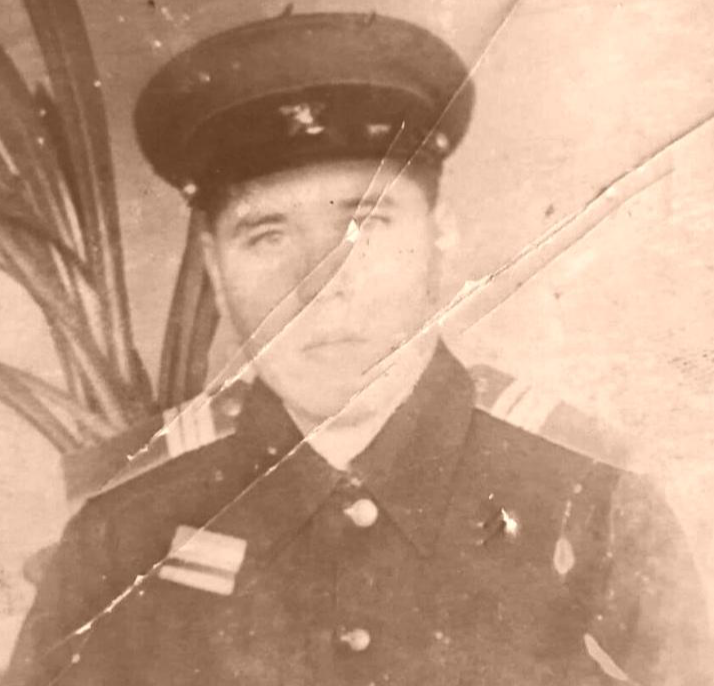
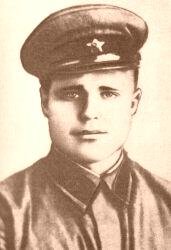
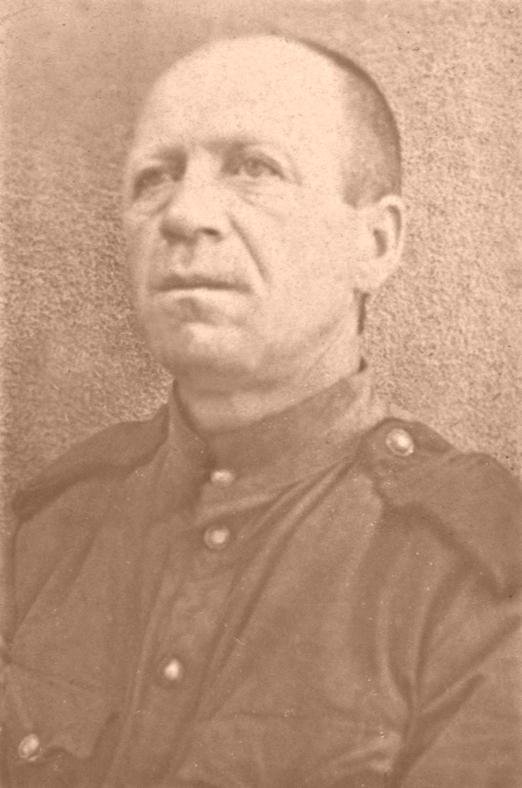
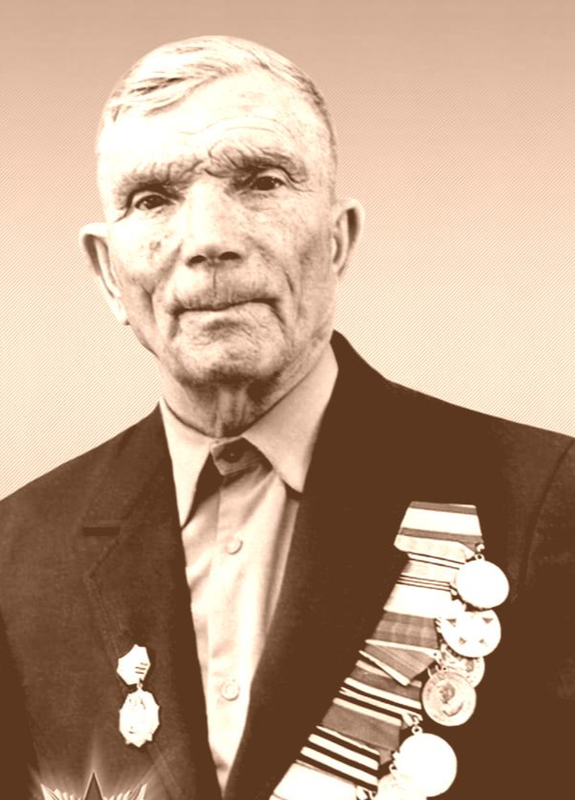
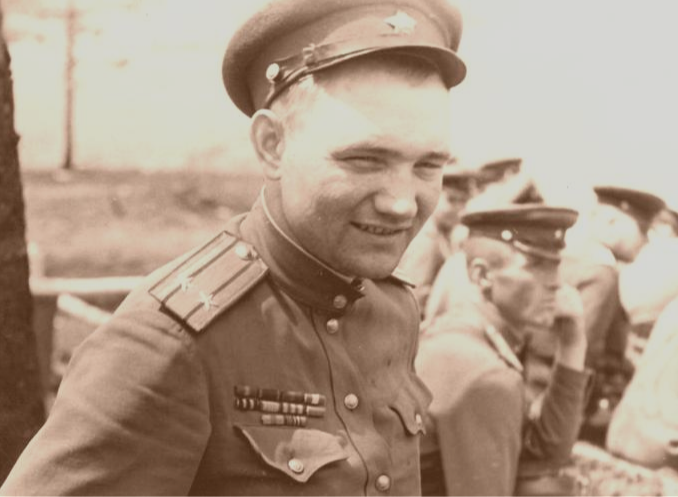
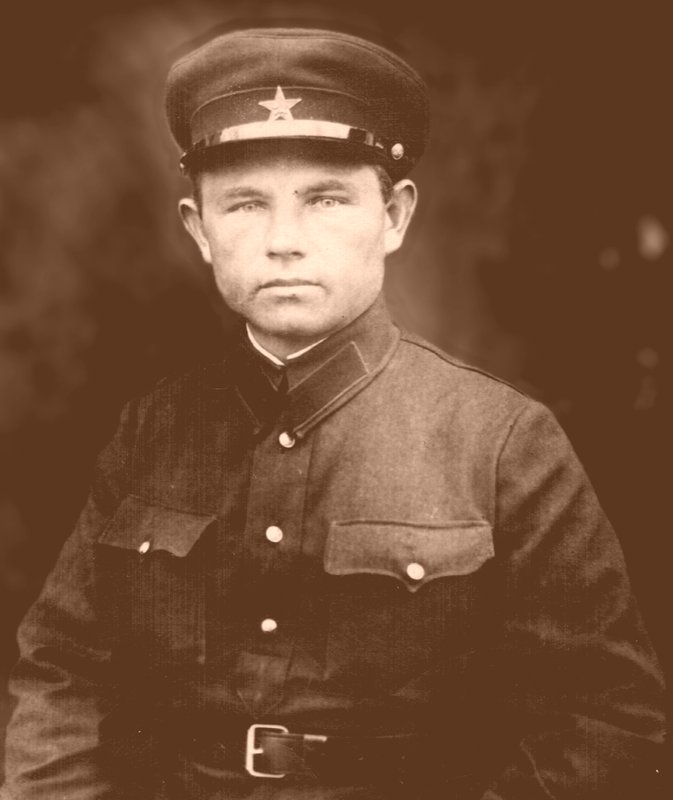
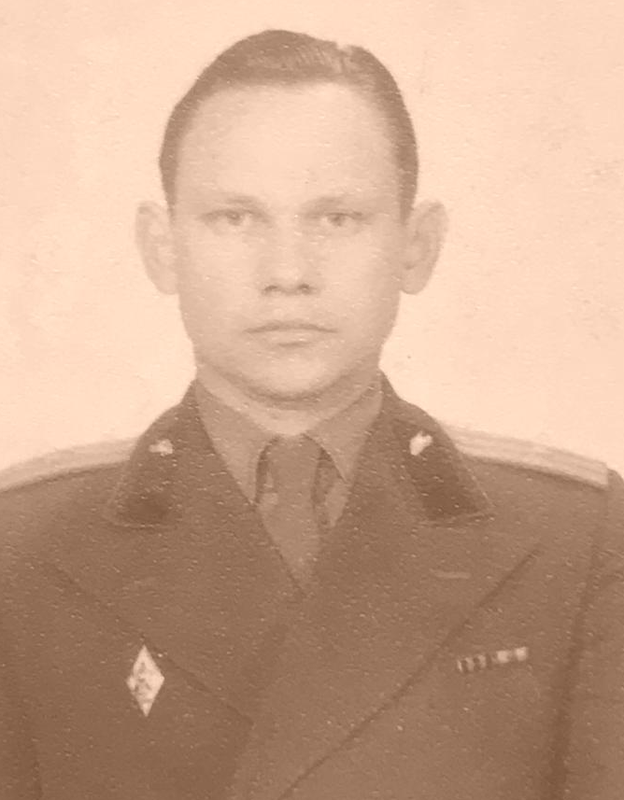
Igor Nikolaevich Zakharenko was born on January 2, 1922 in the village of Litovsk, Bryansk region. In 1940, Igor graduated from Minsk Military School and was appointed platoon commander in one of the military units of the Western Military District. The tent camp of their unit, located two kilometers from the Soviet border, was among the first to take over the tears of German shells. - The morning of June 22, 1941, - recalls Igor Nikolaevich, - was the most terrible morning of my life. The day before was a day off, many of the soldiers went dancing in the village club and were sleeping soundly. At four o'clock in the morning, there was a rumble of crashing shells, followed by screams of wounded men. Our first comrades were killed, and the families of the border guards went to the rear from the border. I still dream about the burning tents of our camp, and in the pre-dawn sky - the rumble of thousands of enemy planes flying to bomb Soviet cities ... After several days of intense defensive battles, the 64th Rifle Division, in which I. N. Zakharenko fought, began to retreat to the east, towards Minsk. It was here, in the Belarusian part of the Western Front, that the formidable volleys of the famous "Katyusha" sounded for the first time, terrifying the enemy. For the mass heroism of soldiers during the counterattack at Yelnia on September 19, 1941, the division was among the first to be awarded the title of Guards Division and transformed into the 7th Guards Rifle Division. By the end of the same year, units of the division fought near the village of Kryukovo, then in Khimki. On December 5, 1941 Igor Nikolaevich, already the company commander, raised soldiers to attack during the first counteroffensive of our troops near Moscow. In January 1942 he was wounded and sent to the military hospital of Kuibyshev for treatment. After recovery, he was ordered to be sent to the Southern Front and in February 1943 took part in the famous landing on the Small Land near the city of Novorossiysk as part of the 176th Infantry Division. After the regrouping, the division was moved to the Steppe Front, where parts of the division defeated the enemy at the Kursk Bulge, fought in the battles for the liberation of Kursk, Oriol, Belgorod. After the expulsion of Hitler's invaders from the Soviet land further combat path of the division, in which Igor Nikolaevich fought, went from Warsaw to Berlin. The veteran's family kept a lot of commendations from the command. Among them the dearest - from May 2, 1945 at number 359 and the signature of the commander of a unit of the Guard of Major-General M.M. Zaikin, in which on behalf of the Supreme Commander of the Guard to Major Igor Nikolaevich was announced gratitude for participation in the battles for the capture of Berlin. Like many Soviet soldiers and officers, he also left his proud signature of the winner on the wall of the defeated enemy’s Reichstag. The veteran's costume is decorated with the Order of the Red Banner, two Orders of the Great Patriotic War I and the Order of the Great Patriotic War II degree, two Orders of the Red Star, medals "For Combat Services", "For the Defence of Moscow", "For the Defence of Leningrad", "For the Defence of the Caucasus", "For the Liberation of Warsaw", "For the capture of Berlin", "For the victory over Germany in the Great Patriotic War 1941-1945". " and more than 22 commemorative jubilee medals. Igor Nikolaevich suffered three injuries, including one serious one, but did not part with the army: after the war he entered the Frunze Military Academy and graduated from it, received the rank of colonel and continued to serve until 1957, when he was dismissed to the reserve from the post of chief of operational staff of the corps, located in the city of Krasnodar. During his service, Igor graduated from the Krasnodar branch of the All-Union Correspondence Institute of Law, which allowed him, after his retirement, to take up the post of assistant prosecutor of the Pervomaisky district of the regional center (now Central District of Krasnodar), replacing the military tunic with a prosecutor's uniform and opening a new page of his biography. From October 1976 to December 1986, Igor Nikolaevich worked as deputy public prosecutor of the same district. After receiving the right to a well-deserved rest, in 1990 he returned to work in the Prosecutor's Office and worked initially in temporary positions, and from 1994 he worked in the Krasnodar Krai Prosecutor's Office as a prosecutor of the department for supervision over the implementation of federal security laws. He was dismissed from the Krasnodar Krai Prosecutor's Office in June 1996 in connection with his retirement, having devoted more than 22 years of service to the Prosecutor's Office. Despite the lived years and walked war roads, the veteran continues to actively participate in public life of the team and military-patriotic education of young people. For his many years of work and for the development of the veteran movement, Igor Nikolaevich has received many well-deserved awards, the most important of which are congratulations and personalized watches from the President of the Russian Federation V. V. Putin, congratulations on Victory Day from the Prosecutor General of the Russian Federation Y. V. Chaika. Decree of the President of the Russian Federation № 410 of April 22, 2013 Igor Zakharenko was among the first to be awarded the honorary title "Honored Worker of the Prosecutor General of the Russian Federation".
Zaharenko Igor Nikolaevich
Igor Nikolaevich Zakharenko was born on January 2, 1922 in the village of Litovsk, Bryansk region. In 1940, Igor graduated from Minsk Military School and was appointed platoon commander in one of the military units of the Western Military District. The tent camp of their unit, located two kilometers from the Soviet border, was among the first to take over the tears of German shells. - The morning of June 22, 1941, - recalls Igor Nikolaevich, - was the most terrible morning of my life. The day before was a day off, many of the soldiers went dancing in the village club and were sleeping soundly. At four o'clock in the morning, there was a rumble of crashing shells, followed by screams of wounded men. Our first comrades were killed, and the families of the border guards went to the rear from the border. I still dream about the burning tents of our camp, and in the pre-dawn sky - the rumble of thousands of enemy planes flying to bomb Soviet cities ... After several days of intense defensive battles, the 64th Rifle Division, in which I. N. Zakharenko fought, began to retreat to the east, towards Minsk. It was here, in the Belarusian part of the Western Front, that the formidable volleys of the famous "Katyusha" sounded for the first time, terrifying the enemy. For the mass heroism of soldiers during the counterattack at Yelnia on September 19, 1941, the division was among the first to be awarded the title of Guards Division and transformed into the 7th Guards Rifle Division. By the end of the same year, units of the division fought near the village of Kryukovo, then in Khimki. On December 5, 1941 Igor Nikolaevich, already the company commander, raised soldiers to attack during the first counteroffensive of our troops near Moscow. In January 1942 he was wounded and sent to the military hospital of Kuibyshev for treatment. After recovery, he was ordered to be sent to the Southern Front and in February 1943 took part in the famous landing on the Small Land near the city of Novorossiysk as part of the 176th Infantry Division. After the regrouping, the division was moved to the Steppe Front, where parts of the division defeated the enemy at the Kursk Bulge, fought in the battles for the liberation of Kursk, Oriol, Belgorod. After the expulsion of Hitler's invaders from the Soviet land further combat path of the division, in which Igor Nikolaevich fought, went from Warsaw to Berlin. The veteran's family kept a lot of commendations from the command. Among them the dearest - from May 2, 1945 at number 359 and the signature of the commander of a unit of the Guard of Major-General M.M. Zaikin, in which on behalf of the Supreme Commander of the Guard to Major Igor Nikolaevich was announced gratitude for participation in the battles for the capture of Berlin. Like many Soviet soldiers and officers, he also left his proud signature of the winner on the wall of the defeated enemy’s Reichstag. The veteran's costume is decorated with the Order of the Red Banner, two Orders of the Great Patriotic War I and the Order of the Great Patriotic War II degree, two Orders of the Red Star, medals "For Combat Services", "For the Defence of Moscow", "For the Defence of Leningrad", "For the Defence of the Caucasus", "For the Liberation of Warsaw", "For the capture of Berlin", "For the victory over Germany in the Great Patriotic War 1941-1945". " and more than 22 commemorative jubilee medals. Igor Nikolaevich suffered three injuries, including one serious one, but did not part with the army: after the war he entered the Frunze Military Academy and graduated from it, received the rank of colonel and continued to serve until 1957, when he was dismissed to the reserve from the post of chief of operational staff of the corps, located in the city of Krasnodar. During his service, Igor graduated from the Krasnodar branch of the All-Union Correspondence Institute of Law, which allowed him, after his retirement, to take up the post of assistant prosecutor of the Pervomaisky district of the regional center (now Central District of Krasnodar), replacing the military tunic with a prosecutor's uniform and opening a new page of his biography. From October 1976 to December 1986, Igor Nikolaevich worked as deputy public prosecutor of the same district. After receiving the right to a well-deserved rest, in 1990 he returned to work in the Prosecutor's Office and worked initially in temporary positions, and from 1994 he worked in the Krasnodar Krai Prosecutor's Office as a prosecutor of the department for supervision over the implementation of federal security laws. He was dismissed from the Krasnodar Krai Prosecutor's Office in June 1996 in connection with his retirement, having devoted more than 22 years of service to the Prosecutor's Office. Despite the lived years and walked war roads, the veteran continues to actively participate in public life of the team and military-patriotic education of young people. For his many years of work and for the development of the veteran movement, Igor Nikolaevich has received many well-deserved awards, the most important of which are congratulations and personalized watches from the President of the Russian Federation V. V. Putin, congratulations on Victory Day from the Prosecutor General of the Russian Federation Y. V. Chaika. Decree of the President of the Russian Federation № 410 of April 22, 2013 Igor Zakharenko was among the first to be awarded the honorary title "Honored Worker of the Prosecutor General of the Russian Federation".
0 comment



2026 © Russian Military Historical Society Developed by Jetmix