Back to
album
album
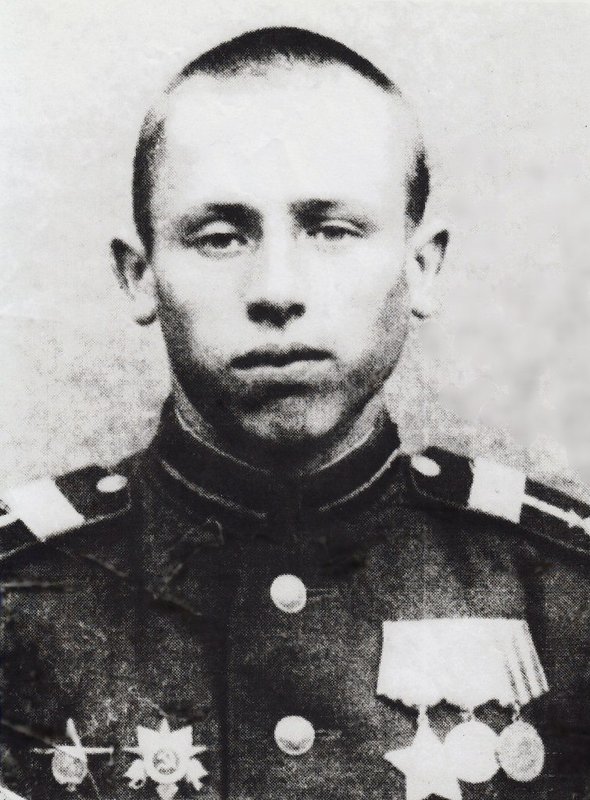
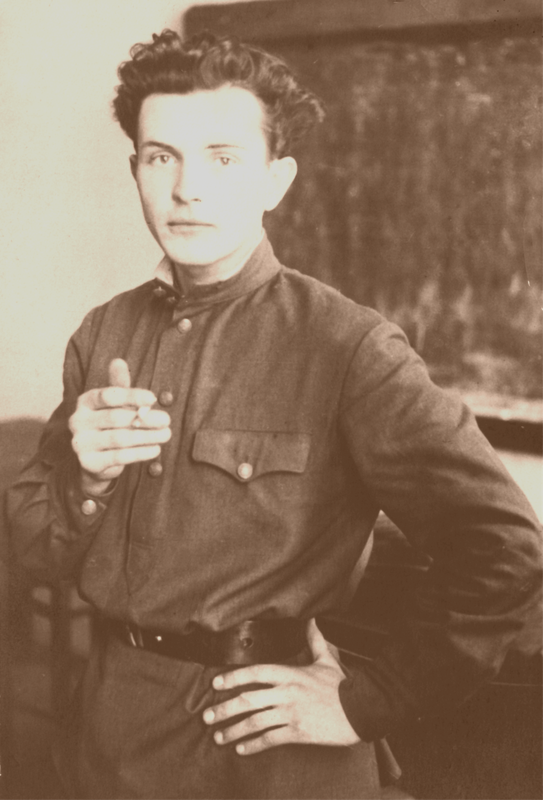
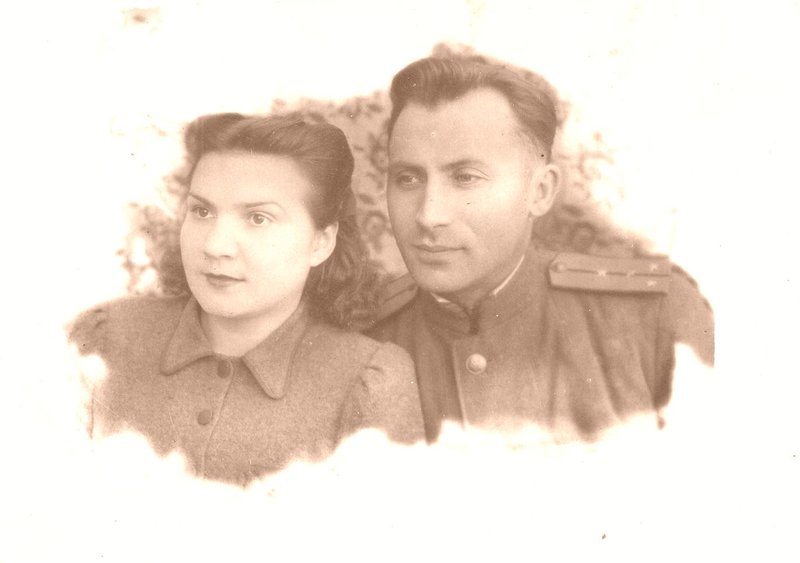
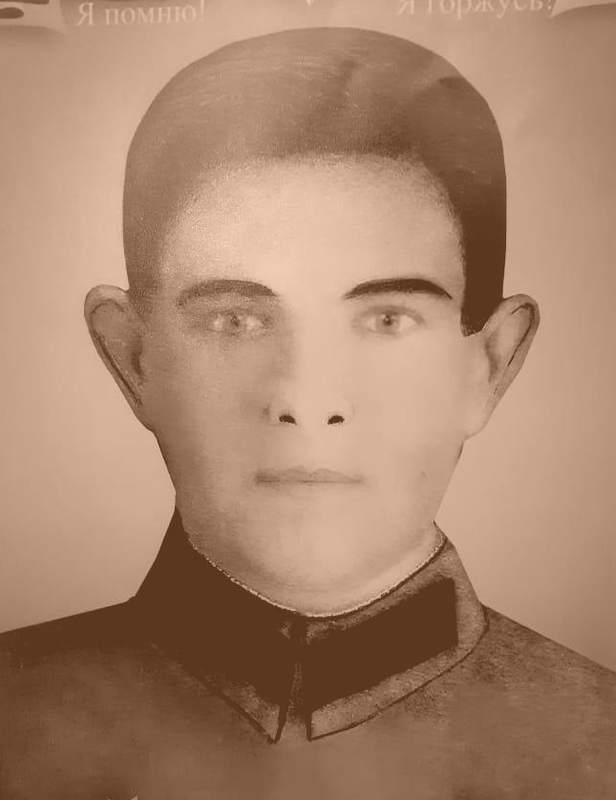
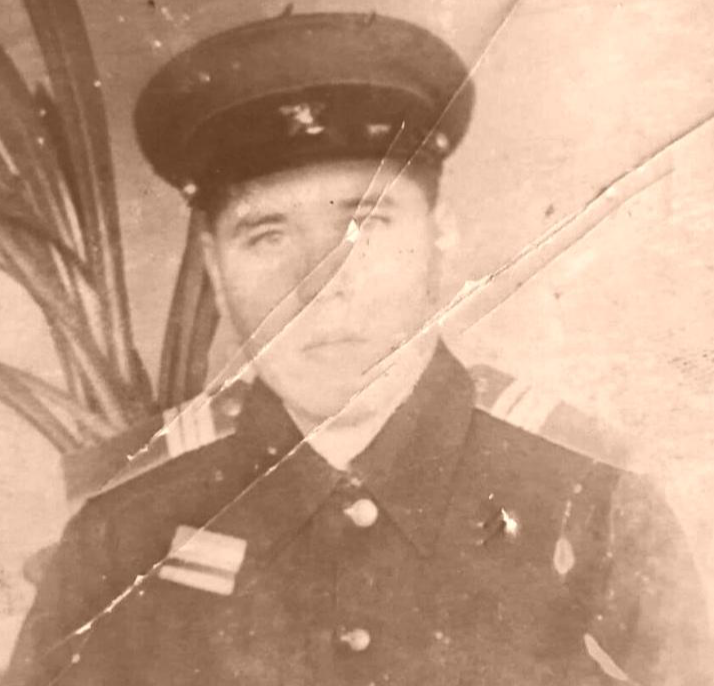
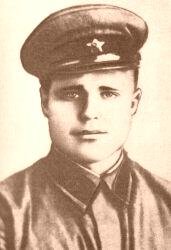
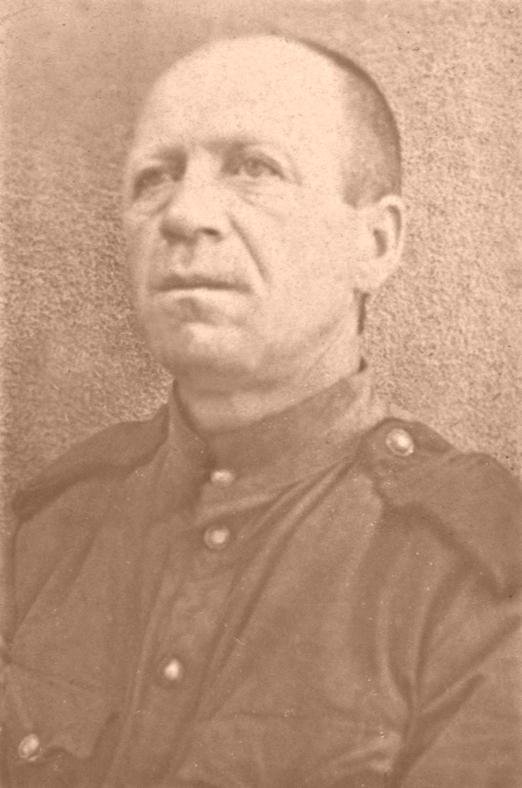
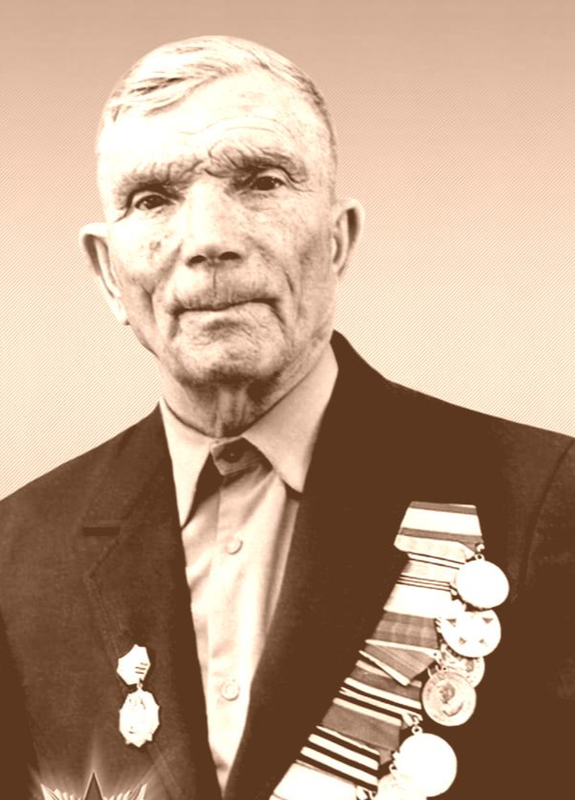

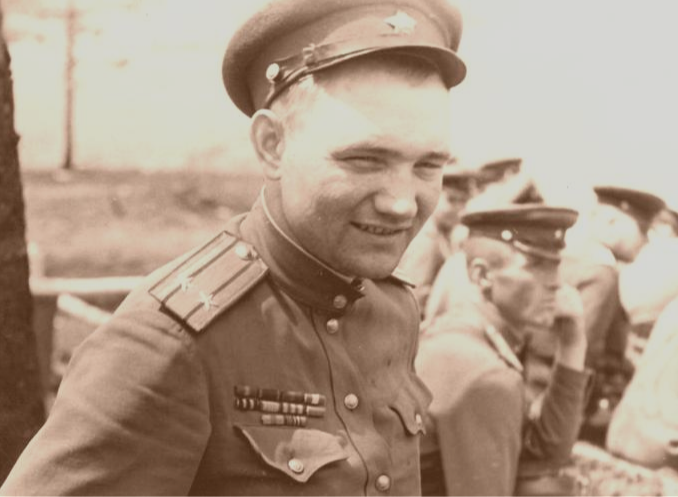
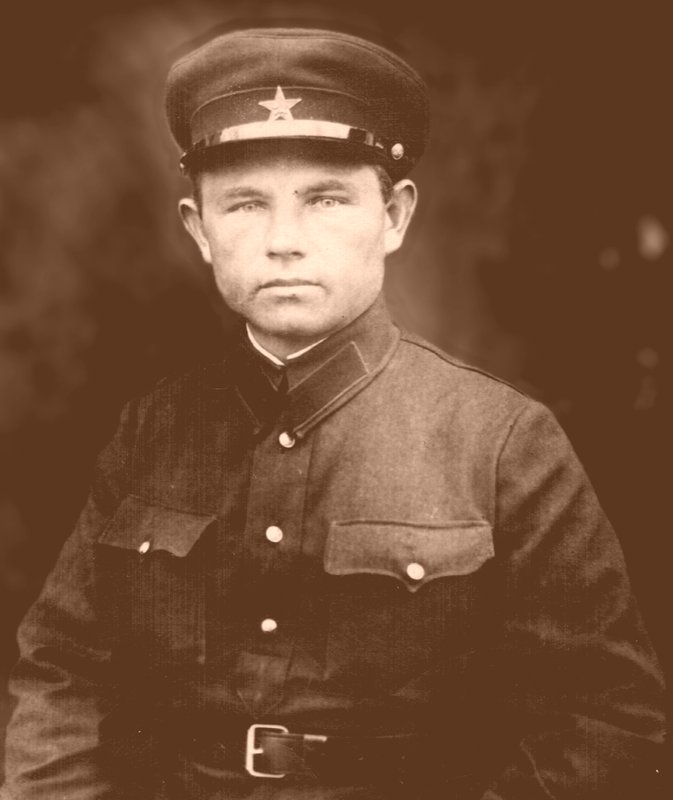
Zakorkin Nikolay Stepanovich
BACKGROUND: Zakorkin, Nikolai Stepanovich. Nikolai Stepanovich Zakorkin (1917 - October 8, 1944) - participant of the Great Patriotic War, senior sergeant, member of the CPSU. Hero of the Soviet Union (24.03.1945 posthumously). Date of birth: February 22, 1917. Place of Birth: Strunkino, Russian Empire. Date of death: October 8, 1944 (27 years old). Place of death: Murmansk region, RSFSR, USSR. Belonging to the USSR. Troops: infantry. Years of service: 1941-1943. Title: Senior Sergeant. Battles/wars: the Great Patriotic War. Awards and prizes. Nikolay Zakorkin was born in 1917 in Strunkino village (now Sladkovsky district of Tyumen region) in a peasant family. He grew up without a father, having finished four grades of school, from the age of 13 he worked at the collective farm, helping his mother to raise three sisters. After his mother remarried, he moved with his family to Novoandreyevka (also in Sladkovsky Area). In 1934, while working with his stepfather, Fyodor Pivovarov, in "Zagotzern", Nikolai met his future wife Maria Metelitsa. They got married two years later. In 1938 he was called up for active service in the Red Army. He served in the Siberian Military District, and was dismissed for the reserve in 1940. In 1941, he got a job as a road worker on the Omsk railway. His wife Maria gave birth to their son and by the beginning of the war was pregnant with a daughter. In June 1941, he was conscripted into the army again by Maslyansk District Military Committee of the Omsk Region. After graduating from high school of sergeants was sent to the front, took part in hostilities since February 1942 at the Volkhov, and then at the Karelian front. By July 1943, he had the rank of senior sergeant and was appointed assistant platoon commander of the 2nd Independent Ski Battalion of the 2nd Independent Ski Brigade of the Karelian Front, which held the defense along the northeast coast of Segozero. By October of the same year, he had successfully visited the enemy's rear 15 times, several times captured prisoners, and on November 4, 1943, he was awarded the Order of the Red Star. In July In 1944, as part of the 33rd Ski Brigade, at the height of the battle Zakorkin replaced the dead platoon commander, led the men of the platoon and broke into the enemy trenches; on August 25, 1944 he was awarded the Order of Patriotic War, 1st degree, and on August 30 - the second Order of the Red Star. After the 33rd Ski Brigade was disbanded, most of its personnel, including Staff Sergeant Zakorkin, were sent to reinforce the 65th Rifle Division of the Novgorod Red Banner Division. Zakorkin joined the 3rd Rifle Company of the 60th Rifle Regiment and took part in the Svirsk-Petrozavodsk and Petsamo-Kirkenes operations with it. On the first day of the last one, on October 7, 1944, his regiment was to take the height of Big Karikvajvish - the main stronghold of the enemy's first line of defense. Zakorkin and his detachment, secretly approaching the enemy's dzot, destroyed with a bunch of grenades enemy’s machine guns, then personally suppressed the second point of fire with a grenade, allowing their fighters to continue the offensive, and hoisted a red flag at the top of the height. K.F. Kalashnikov, a partyworker, wrote in his memoirs: Zakorkin and his department were in the first chain from the very beginning of the attack. The road was blocked by fire from the enemy dzot. Having ordered his subordinates to shoot at the embrasure, Zakorkin crawled around, crawled through a wire fence and threw anti-tank grenades at the dzot. But before we could get rid of this firing point, the neighboring one came to life, again pressing our company to the ground. Even this time Zorkin managed to approach the enemy unnoticeably and threw the grenade into the embrasure. The company rushed forward and started a hand-to-hand fight in the enemy trench. Thus, overcoming one obstacle after another, the senior sergeant paved the way to the top of the mountain without parting with the scarlet flag on a short pole. Before the fight, the sergeant told his subordinates: if he doesn’t reach it, let the one who is close to him accept the flag. But the flag must be carried by all means! In the course of further combat operations, the platoon commander was seriously wounded, and the sergeant took command of the platoon. The enemy, having lost the bearing height of Karikayvich, retreated behind the Titovka River, blowing up the bridge behind. However, the rifle platoon under Zakorkin command under enemy fire crossed the river, secured itself on the bridgehead on its west bank and provided a quick crossing of the rest of the regiment and the encirclement of German units. During this battle, on October 8, 1944, senior sergeant Nikolay Zakorkin was killed. On March 24, 1945 he was posthumously conferred the title of Hero of the Soviet Union. He was buried in a common grave at the 29th kilometer of the road Liinahamari-Nikel (Pechenga district of Murmansk region). He left behind his wife Maria, son Anatoly and daughter Nadezhda. Medal "Gold Star" of the Hero of the Soviet Union, Order of Lenin, Order of the Great Patriotic War, 1st degree, two Orders of the Red Star. The street was named after Nikolay Zorkin in his homeland, in the village Sladkovo, Tyumen region. His name was given to the house of culture at the Novoandreyevskaya station in Sladkovo District, Tyumen Region. A large freezing trawler of the Murmansk port is also named after Nikolai Zakorkin.
Zakorkin Nikolay Stepanovich
BACKGROUND: Zakorkin, Nikolai Stepanovich. Nikolai Stepanovich Zakorkin (1917 - October 8, 1944) - participant of the Great Patriotic War, senior sergeant, member of the CPSU. Hero of the Soviet Union (24.03.1945 posthumously). Date of birth: February 22, 1917. Place of Birth: Strunkino, Russian Empire. Date of death: October 8, 1944 (27 years old). Place of death: Murmansk region, RSFSR, USSR. Belonging to the USSR. Troops: infantry. Years of service: 1941-1943. Title: Senior Sergeant. Battles/wars: the Great Patriotic War. Awards and prizes. Nikolay Zakorkin was born in 1917 in Strunkino village (now Sladkovsky district of Tyumen region) in a peasant family. He grew up without a father, having finished four grades of school, from the age of 13 he worked at the collective farm, helping his mother to raise three sisters. After his mother remarried, he moved with his family to Novoandreyevka (also in Sladkovsky Area). In 1934, while working with his stepfather, Fyodor Pivovarov, in "Zagotzern", Nikolai met his future wife Maria Metelitsa. They got married two years later. In 1938 he was called up for active service in the Red Army. He served in the Siberian Military District, and was dismissed for the reserve in 1940. In 1941, he got a job as a road worker on the Omsk railway. His wife Maria gave birth to their son and by the beginning of the war was pregnant with a daughter. In June 1941, he was conscripted into the army again by Maslyansk District Military Committee of the Omsk Region. After graduating from high school of sergeants was sent to the front, took part in hostilities since February 1942 at the Volkhov, and then at the Karelian front. By July 1943, he had the rank of senior sergeant and was appointed assistant platoon commander of the 2nd Independent Ski Battalion of the 2nd Independent Ski Brigade of the Karelian Front, which held the defense along the northeast coast of Segozero. By October of the same year, he had successfully visited the enemy's rear 15 times, several times captured prisoners, and on November 4, 1943, he was awarded the Order of the Red Star. In July In 1944, as part of the 33rd Ski Brigade, at the height of the battle Zakorkin replaced the dead platoon commander, led the men of the platoon and broke into the enemy trenches; on August 25, 1944 he was awarded the Order of Patriotic War, 1st degree, and on August 30 - the second Order of the Red Star. After the 33rd Ski Brigade was disbanded, most of its personnel, including Staff Sergeant Zakorkin, were sent to reinforce the 65th Rifle Division of the Novgorod Red Banner Division. Zakorkin joined the 3rd Rifle Company of the 60th Rifle Regiment and took part in the Svirsk-Petrozavodsk and Petsamo-Kirkenes operations with it. On the first day of the last one, on October 7, 1944, his regiment was to take the height of Big Karikvajvish - the main stronghold of the enemy's first line of defense. Zakorkin and his detachment, secretly approaching the enemy's dzot, destroyed with a bunch of grenades enemy’s machine guns, then personally suppressed the second point of fire with a grenade, allowing their fighters to continue the offensive, and hoisted a red flag at the top of the height. K.F. Kalashnikov, a partyworker, wrote in his memoirs: Zakorkin and his department were in the first chain from the very beginning of the attack. The road was blocked by fire from the enemy dzot. Having ordered his subordinates to shoot at the embrasure, Zakorkin crawled around, crawled through a wire fence and threw anti-tank grenades at the dzot. But before we could get rid of this firing point, the neighboring one came to life, again pressing our company to the ground. Even this time Zorkin managed to approach the enemy unnoticeably and threw the grenade into the embrasure. The company rushed forward and started a hand-to-hand fight in the enemy trench. Thus, overcoming one obstacle after another, the senior sergeant paved the way to the top of the mountain without parting with the scarlet flag on a short pole. Before the fight, the sergeant told his subordinates: if he doesn’t reach it, let the one who is close to him accept the flag. But the flag must be carried by all means! In the course of further combat operations, the platoon commander was seriously wounded, and the sergeant took command of the platoon. The enemy, having lost the bearing height of Karikayvich, retreated behind the Titovka River, blowing up the bridge behind. However, the rifle platoon under Zakorkin command under enemy fire crossed the river, secured itself on the bridgehead on its west bank and provided a quick crossing of the rest of the regiment and the encirclement of German units. During this battle, on October 8, 1944, senior sergeant Nikolay Zakorkin was killed. On March 24, 1945 he was posthumously conferred the title of Hero of the Soviet Union. He was buried in a common grave at the 29th kilometer of the road Liinahamari-Nikel (Pechenga district of Murmansk region). He left behind his wife Maria, son Anatoly and daughter Nadezhda. Medal "Gold Star" of the Hero of the Soviet Union, Order of Lenin, Order of the Great Patriotic War, 1st degree, two Orders of the Red Star. The street was named after Nikolay Zorkin in his homeland, in the village Sladkovo, Tyumen region. His name was given to the house of culture at the Novoandreyevskaya station in Sladkovo District, Tyumen Region. A large freezing trawler of the Murmansk port is also named after Nikolai Zakorkin.
0 comment



2026 © Russian Military Historical Society Developed by Jetmix