Back to
album
album
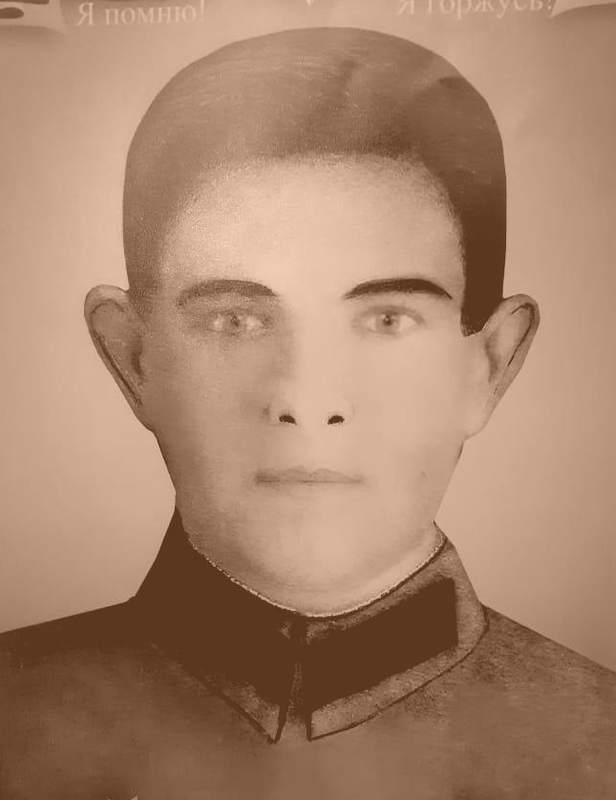
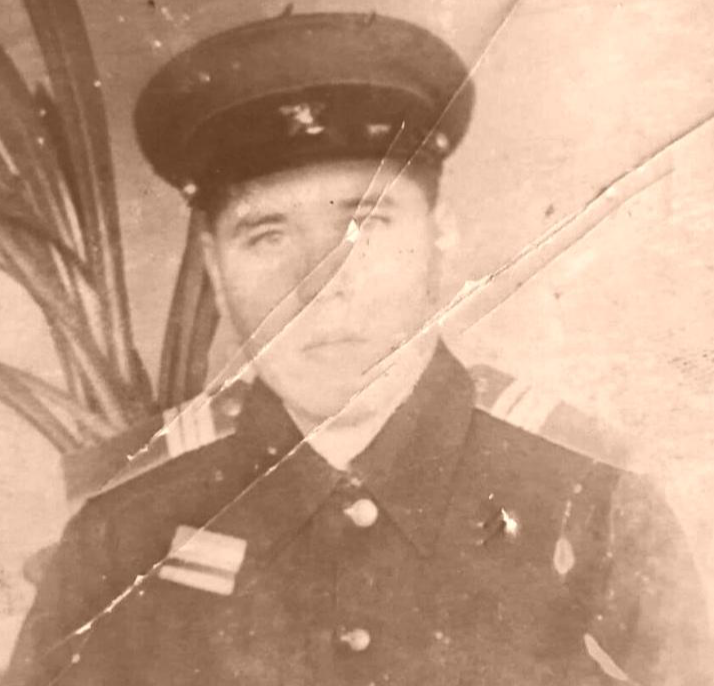
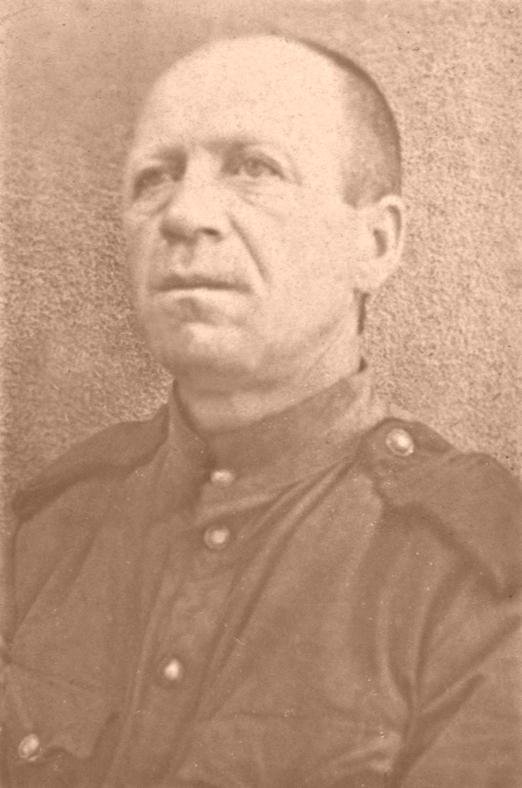
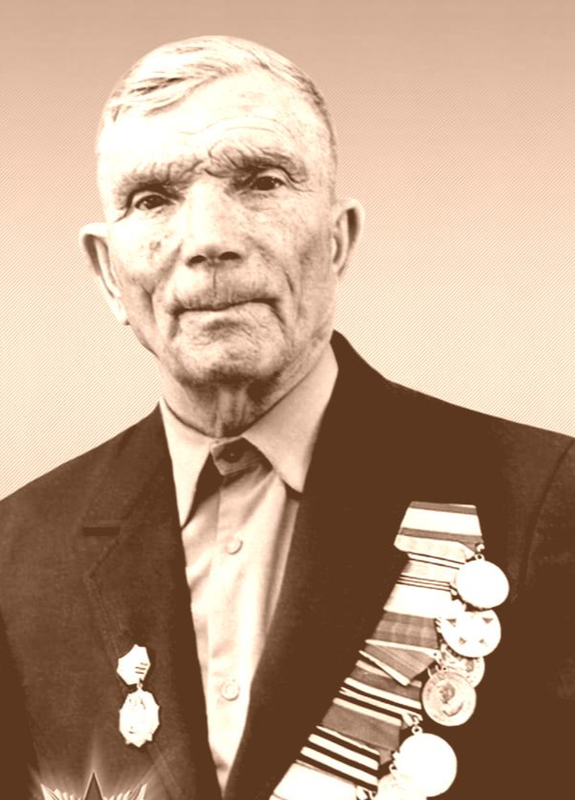

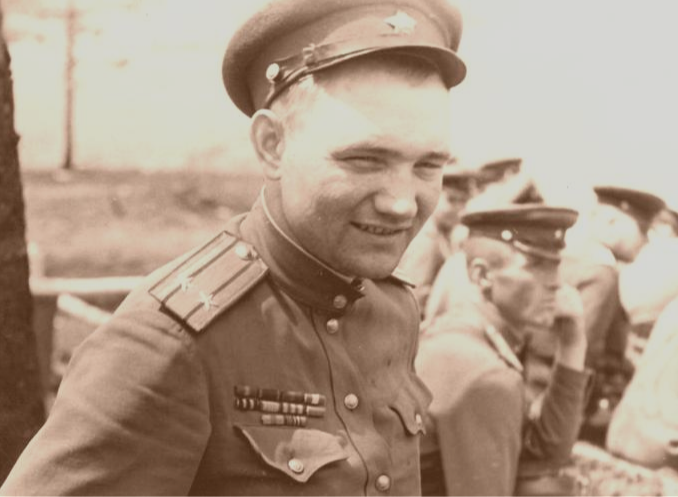
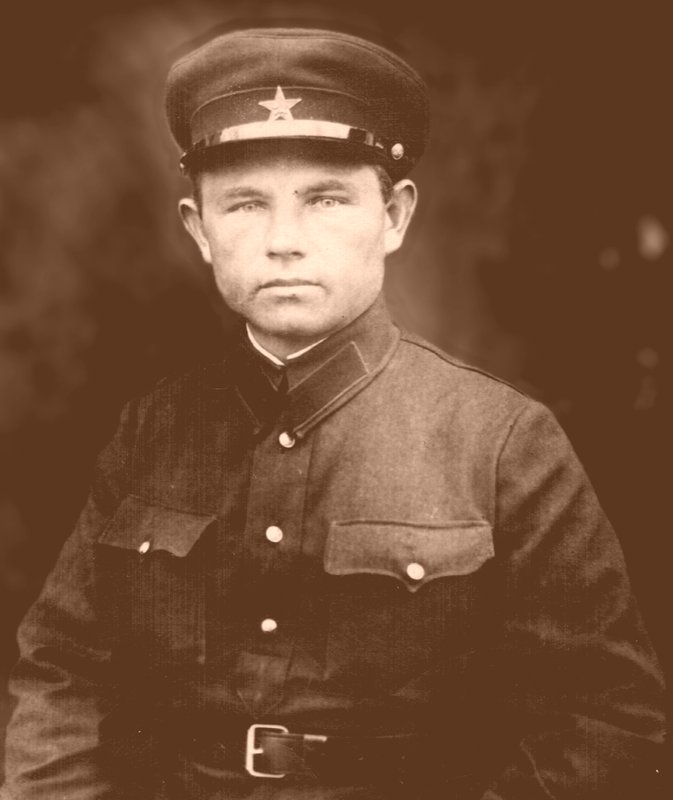
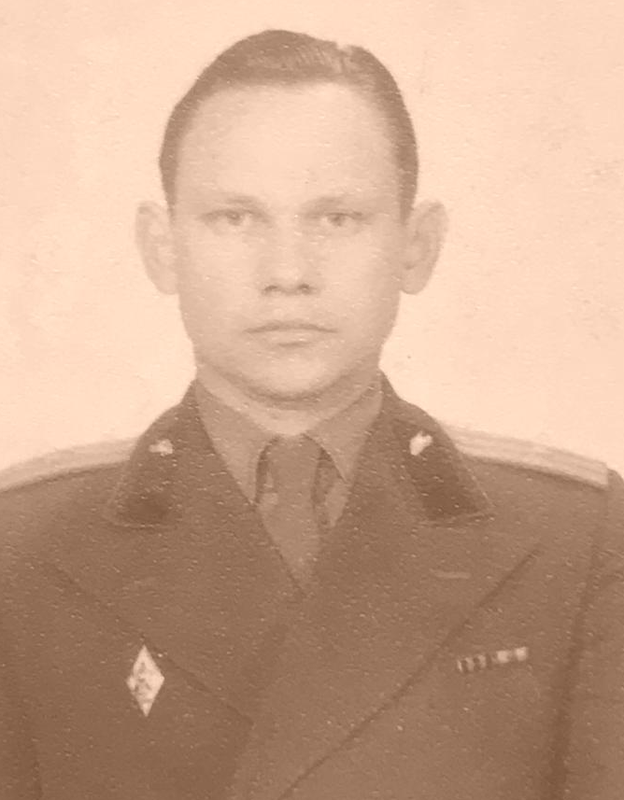
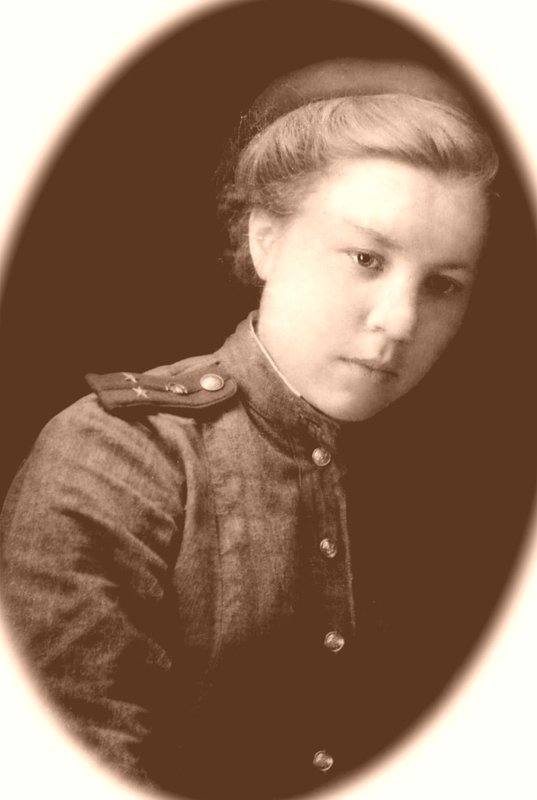
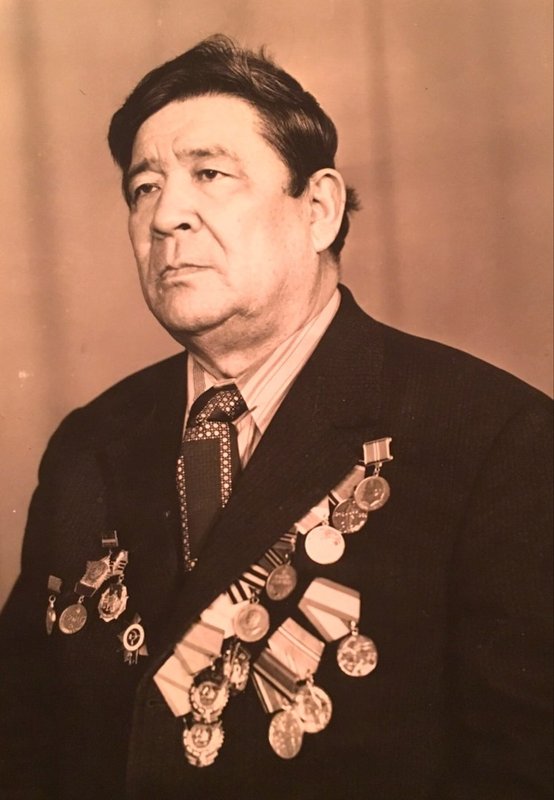
Zalegin Valentin Georgiyevich
BACKGROUND: Valentin Zalegin was born in 1924 in the village of Babaikhe, Krasnopolyansk district, Moscow region. In April 1942, Valentin Georgievich was drafted into the Red Army. By the autumn of 1943, he was already the commander of the mortar division of the 415th rifle division of the 61st Army as a part of the Central Front (from the end of October 1943, it was renamed first into the Belorussian, and then into the 1st Belorussian). In October 1943, the division forced the Dnieper River. On October 22, 1943 the most valuable soldier medal "For Courage" was awarded to the Red Army soldier V.G. Zalegin, who with his department was among the first to cross the right bank and cover the main forces with smoke screens. From the award sheet: "As the commander of the mortar department during the placing of the smoke screen on the right bank of the Dnieper, Comrade Zalegin showed courage, bravery and determination. During the whole time he skillfully managed his department, as well as himself, in spite of the continuous hurricane gun and mortar fire, brought the smoke to the hearths of the chimney. Thanks to his discipline and ability to work, he fulfilled his task with his department. Tov. Zalegin is worthy of the government award of the Medal "For Courage". He never talked about the war. However, one day, in 1985, he couldn't get away from his annoying grandson, who had just watched the film "Battalions Ask for Fire", learned that his grandfather received his medal for forcing the Dnieper, and he wondered what boats or rafts they sailed on across such a river. It turned out that there were no boats or rafts, so they forced “on Germans’ shoulders”. Some with logs, some with firewood, some with something else. How many floated out that was how many floated out, and all this under fire. And when he was asked how many of them remained, he could not say anything, the knot in his throat did not let him, but he showed with his fingers. One hand was enough. In November 1943, the division took part in the Narovlyanskaya operation, forced the Pripyat River, and in January 1944 was given the honorary name Mozyrskaya for its participation in the Kalinkovichi-Mozyr operation in Belarus. Victory at this stage of the war always remained with us, but at what price! For example, in this very operation, the losses of our troops were 56,157 people, of which 12,350 were irrevocable. The Germans lost 1079 soldiers (killed) and 4347 wounded. In the summer of 1944, the division, where served as a Red Army officer Zalegin, liberated Brest, in 1945 participated in the Warsaw-Poznań operation, forced Alte Oder, at the final stage of the war took part in the Berlin operation. It welcomed the end of the war on the Elbe. Valentin Zalegin served two more years in the occupation troops in Berlin, Potsdam, and upon returning home in 1947, went to study law, after which he worked his entire life in the prosecution of the Moscow region. He served in the prosecutor's office of Krasnaya Polyana, was a prosecutor in Rogachevo, in Klin, and retired as first deputy prosecutor of the Moscow region. Many of his students worked or even still work in the prosecutor's office, in the investigation agencies and are grateful to him and all Veterans not just for the school of life, but for the very opportunity to live. Many years after his death, I accidentally managed to communicate with people who worked for him as investigators. This is what they told me. V.G. Zalegin was already a deputy prosecutor of the Moscow region, and a criminal case was brought against the collective farm chairman for a bribe, it seems, and what a bribe - a cart full of dung! Those who are older do not need to explain anything - socialist property, farm chairman, party member, bribe, etc., etc. It doesn't look serious now, but then... Valentin Georgievich looked at the case, blushed with rage and strained: "This man is a front-line soldier, I fought too, and the criminal case on bribe with S..T I will not sign! And not only he did not sign, but also, decorating his speech with Russian folk expressions, closed the criminal case. Now not many people would dare to do something similar, comparable (only, of course, already in modern interpretation).
Zalegin Valentin Georgiyevich
BACKGROUND: Valentin Zalegin was born in 1924 in the village of Babaikhe, Krasnopolyansk district, Moscow region. In April 1942, Valentin Georgievich was drafted into the Red Army. By the autumn of 1943, he was already the commander of the mortar division of the 415th rifle division of the 61st Army as a part of the Central Front (from the end of October 1943, it was renamed first into the Belorussian, and then into the 1st Belorussian). In October 1943, the division forced the Dnieper River. On October 22, 1943 the most valuable soldier medal "For Courage" was awarded to the Red Army soldier V.G. Zalegin, who with his department was among the first to cross the right bank and cover the main forces with smoke screens. From the award sheet: "As the commander of the mortar department during the placing of the smoke screen on the right bank of the Dnieper, Comrade Zalegin showed courage, bravery and determination. During the whole time he skillfully managed his department, as well as himself, in spite of the continuous hurricane gun and mortar fire, brought the smoke to the hearths of the chimney. Thanks to his discipline and ability to work, he fulfilled his task with his department. Tov. Zalegin is worthy of the government award of the Medal "For Courage". He never talked about the war. However, one day, in 1985, he couldn't get away from his annoying grandson, who had just watched the film "Battalions Ask for Fire", learned that his grandfather received his medal for forcing the Dnieper, and he wondered what boats or rafts they sailed on across such a river. It turned out that there were no boats or rafts, so they forced “on Germans’ shoulders”. Some with logs, some with firewood, some with something else. How many floated out that was how many floated out, and all this under fire. And when he was asked how many of them remained, he could not say anything, the knot in his throat did not let him, but he showed with his fingers. One hand was enough. In November 1943, the division took part in the Narovlyanskaya operation, forced the Pripyat River, and in January 1944 was given the honorary name Mozyrskaya for its participation in the Kalinkovichi-Mozyr operation in Belarus. Victory at this stage of the war always remained with us, but at what price! For example, in this very operation, the losses of our troops were 56,157 people, of which 12,350 were irrevocable. The Germans lost 1079 soldiers (killed) and 4347 wounded. In the summer of 1944, the division, where served as a Red Army officer Zalegin, liberated Brest, in 1945 participated in the Warsaw-Poznań operation, forced Alte Oder, at the final stage of the war took part in the Berlin operation. It welcomed the end of the war on the Elbe. Valentin Zalegin served two more years in the occupation troops in Berlin, Potsdam, and upon returning home in 1947, went to study law, after which he worked his entire life in the prosecution of the Moscow region. He served in the prosecutor's office of Krasnaya Polyana, was a prosecutor in Rogachevo, in Klin, and retired as first deputy prosecutor of the Moscow region. Many of his students worked or even still work in the prosecutor's office, in the investigation agencies and are grateful to him and all Veterans not just for the school of life, but for the very opportunity to live. Many years after his death, I accidentally managed to communicate with people who worked for him as investigators. This is what they told me. V.G. Zalegin was already a deputy prosecutor of the Moscow region, and a criminal case was brought against the collective farm chairman for a bribe, it seems, and what a bribe - a cart full of dung! Those who are older do not need to explain anything - socialist property, farm chairman, party member, bribe, etc., etc. It doesn't look serious now, but then... Valentin Georgievich looked at the case, blushed with rage and strained: "This man is a front-line soldier, I fought too, and the criminal case on bribe with S..T I will not sign! And not only he did not sign, but also, decorating his speech with Russian folk expressions, closed the criminal case. Now not many people would dare to do something similar, comparable (only, of course, already in modern interpretation).
0 comment




2026 © Russian Military Historical Society Developed by Jetmix