Back to
album
album
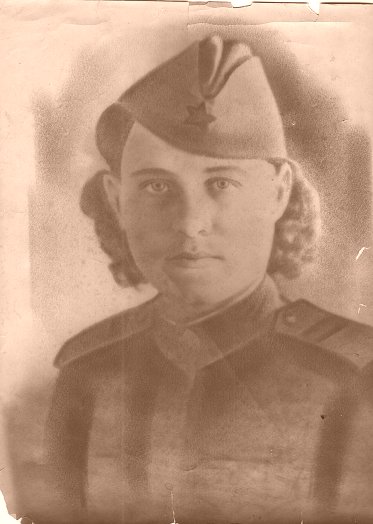
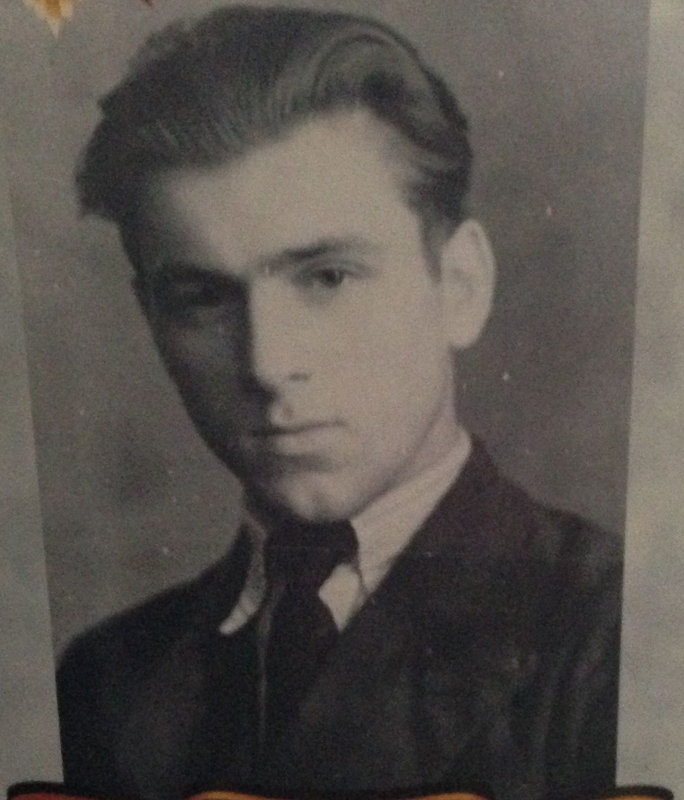
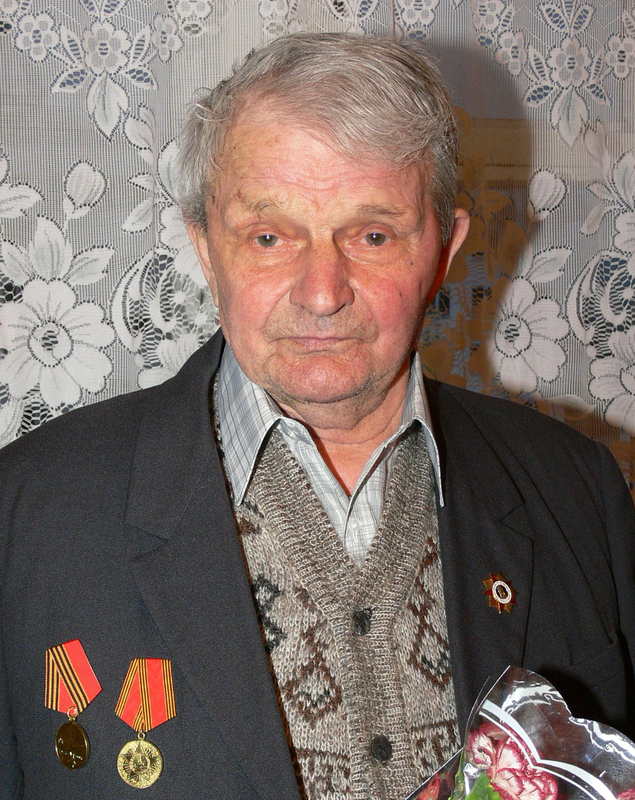
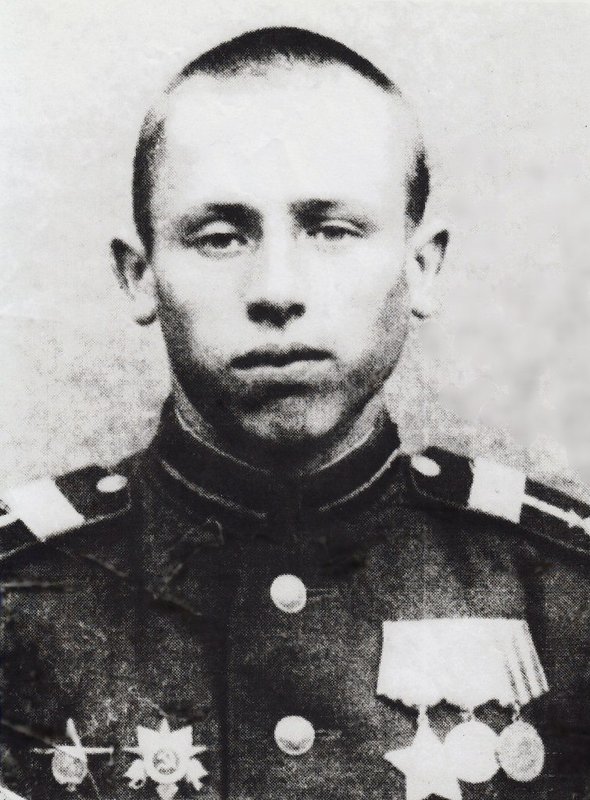
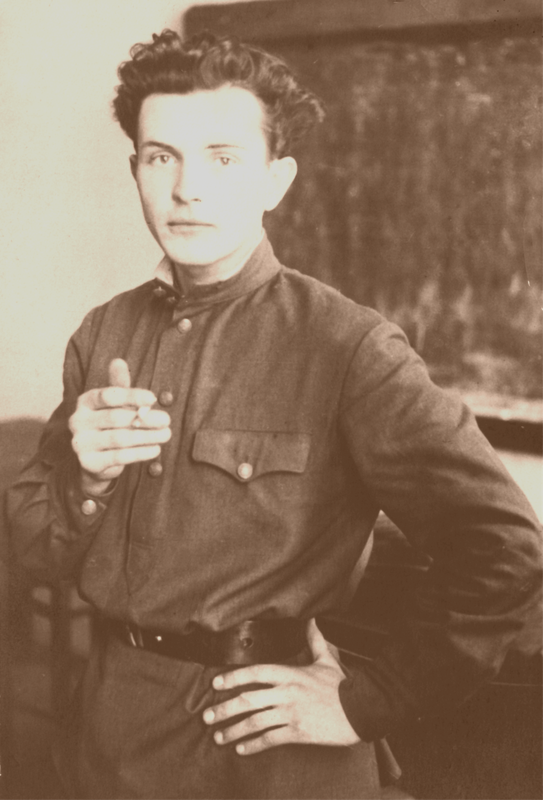
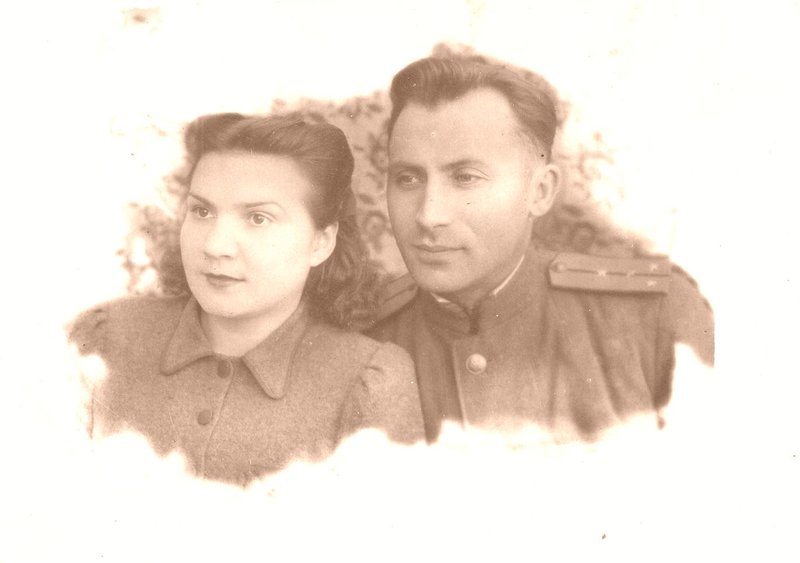
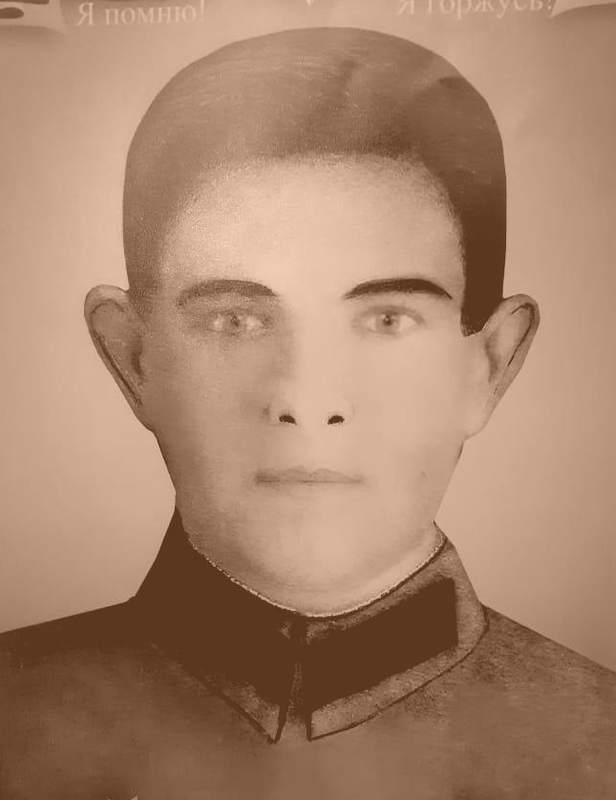
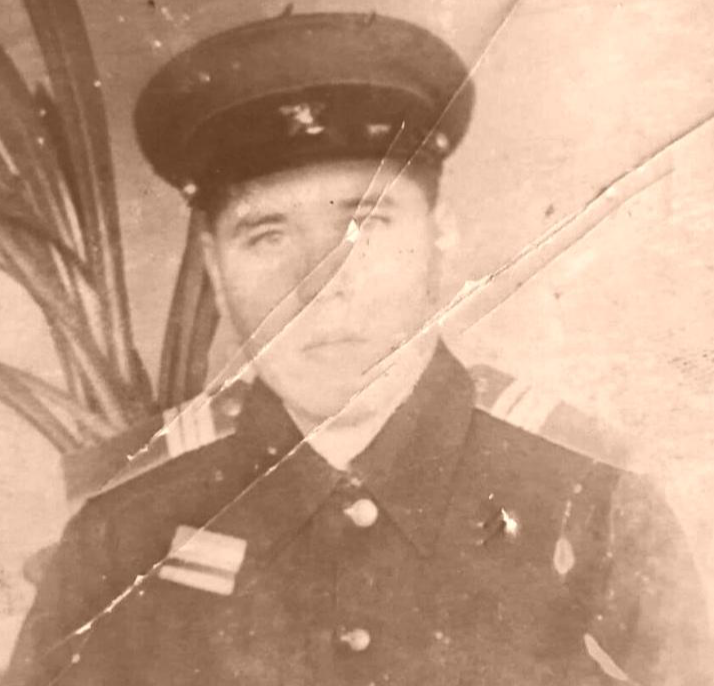
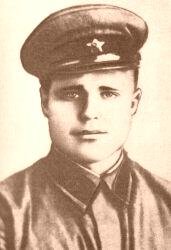
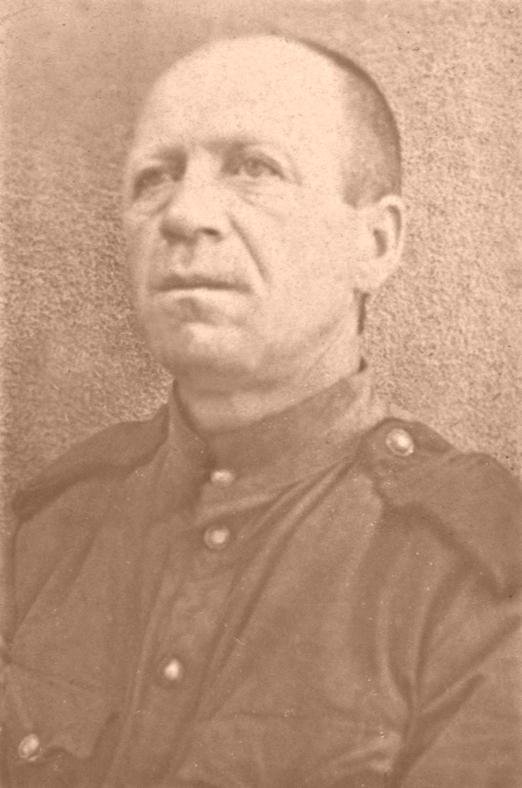
Zinoviev Alexander Alexandrovich
BACKGROUND: Writer, thinker, logic, artist, poet. The participant of the Great Patriotic War. Guards junior lieutenant. Cavalier, tanker, assault pilot (more than 18 combat sorties). Awarded the Order of the Red Star, and numerous medals. "On the day of his 18th birthday, Alexander Zinoviev voluntarily arrived at the recruiting station and was assigned to the cavalry regiment of the Special Far Eastern Red Army. On the disbandment of the Red Army in the spring of 1941 part of Zinoviev was moved to the western border. After the beginning of the war, Zinoviev participated in battles, was wounded and sent as a cadet to the Ulyanovsk Military Aviation School for pilots, where in 1942-43 he wrote "Ballad of the Aviation Cadet", which was a success in the oral performance of the author, a model for it was the poem "Vasily Turkin" by A.T. Tvardovsky. After training, Zinoviev became a pilot on an IL-2 attack aircraft; he repeatedly participated in air battles. During the war, Zinoviev wrote a significant number of poems and prose, which, for fear of search, he took with him on the flights. In 1946 Zinoviev was demobilized with the rank of captain. Zinoviev returned from the army with a suitcase of manuscripts, the most harmless of which - "The Tale of Betrayal" - was destroyed in 1946 on the advice of K.M. Simonov to avoid arrest. "Russian literature of the twentieth century. Prose writers, poets, playwriters" // Biobibliographical dictionary: Institute of Russian Literature RAS (Pushkin House). Alexander Zinoviev: "In the war won the Soviet tenth-grader". Alexander Zinoviev - "The Confession of the Scapegoat" (1998): "The plane I flew (IL-2) was amazing in many ways. I consider it the most brilliant invention for the purposes of war. Once I was thoroughly dissolved. One projectile fell into a box for machine-gun bands, the other - into the engine. Several cylinders were out of order. But still I got to the nearest airfield, where the other regiment was "sitting" and landed. The engineers who inspected my car said that in this condition the plane could not theoretically fly. But I still flew. Alexander Zinoviev (2006): "I was not afraid of death. I learned to overcome the fear of death as a child. I was wounded (at war). If the bullet had passed a little lower, death would have come. Then I fought in the assault aircraft, where the mortality rate was very high. Stormtroopers worked at low altitudes, and our objects were bridges, railway stations, tanks. The attack aircrafts were always under heavy anti-aircraft fire and Messer attacks. The risk was therefore very high. And although the IL-2 was armored in the most important places, almost every flight could be described as being a hair's breadth from death. After the war, Alexander Zinoviev was an Academician of the Finnish Academy of Sciences, the Academy of Fine Arts of Bavaria, the Academy of Social Sciences and others. He is a laureate of international scientific and literary awards, including the Alexis de Tocqueville Prize (sociology), the Tevere Prize (literature), the Medici Etrange Prize (literature), and others. Author of more than 40 scientific and literary works translated into 26 languages of the world. He is an Honorary Citizen of Orange (France), Avignon (France), Ravenna (Italy), Kostroma (Russia). He spent 21 years of forced emigration (1978-1999) in Munich, Germany. He was buried at Novodevichy Cemetery in Moscow. In memory of Alexander Alexandrovich, there is a memorial plaque at Moscow Humanities University and a monument in the city of Kostroma. A.A. Zinoviev's biography (author Pavel Fokin) was published in the series "ZHZL". In 2014 in Odessa was staged the ballet "Scream" based on his novel "Go to Golgotha". About 20 films about the life and work of A.A. Zinoviev were shot
Zinoviev Alexander Alexandrovich
BACKGROUND: Writer, thinker, logic, artist, poet. The participant of the Great Patriotic War. Guards junior lieutenant. Cavalier, tanker, assault pilot (more than 18 combat sorties). Awarded the Order of the Red Star, and numerous medals. "On the day of his 18th birthday, Alexander Zinoviev voluntarily arrived at the recruiting station and was assigned to the cavalry regiment of the Special Far Eastern Red Army. On the disbandment of the Red Army in the spring of 1941 part of Zinoviev was moved to the western border. After the beginning of the war, Zinoviev participated in battles, was wounded and sent as a cadet to the Ulyanovsk Military Aviation School for pilots, where in 1942-43 he wrote "Ballad of the Aviation Cadet", which was a success in the oral performance of the author, a model for it was the poem "Vasily Turkin" by A.T. Tvardovsky. After training, Zinoviev became a pilot on an IL-2 attack aircraft; he repeatedly participated in air battles. During the war, Zinoviev wrote a significant number of poems and prose, which, for fear of search, he took with him on the flights. In 1946 Zinoviev was demobilized with the rank of captain. Zinoviev returned from the army with a suitcase of manuscripts, the most harmless of which - "The Tale of Betrayal" - was destroyed in 1946 on the advice of K.M. Simonov to avoid arrest. "Russian literature of the twentieth century. Prose writers, poets, playwriters" // Biobibliographical dictionary: Institute of Russian Literature RAS (Pushkin House). Alexander Zinoviev: "In the war won the Soviet tenth-grader". Alexander Zinoviev - "The Confession of the Scapegoat" (1998): "The plane I flew (IL-2) was amazing in many ways. I consider it the most brilliant invention for the purposes of war. Once I was thoroughly dissolved. One projectile fell into a box for machine-gun bands, the other - into the engine. Several cylinders were out of order. But still I got to the nearest airfield, where the other regiment was "sitting" and landed. The engineers who inspected my car said that in this condition the plane could not theoretically fly. But I still flew. Alexander Zinoviev (2006): "I was not afraid of death. I learned to overcome the fear of death as a child. I was wounded (at war). If the bullet had passed a little lower, death would have come. Then I fought in the assault aircraft, where the mortality rate was very high. Stormtroopers worked at low altitudes, and our objects were bridges, railway stations, tanks. The attack aircrafts were always under heavy anti-aircraft fire and Messer attacks. The risk was therefore very high. And although the IL-2 was armored in the most important places, almost every flight could be described as being a hair's breadth from death. After the war, Alexander Zinoviev was an Academician of the Finnish Academy of Sciences, the Academy of Fine Arts of Bavaria, the Academy of Social Sciences and others. He is a laureate of international scientific and literary awards, including the Alexis de Tocqueville Prize (sociology), the Tevere Prize (literature), the Medici Etrange Prize (literature), and others. Author of more than 40 scientific and literary works translated into 26 languages of the world. He is an Honorary Citizen of Orange (France), Avignon (France), Ravenna (Italy), Kostroma (Russia). He spent 21 years of forced emigration (1978-1999) in Munich, Germany. He was buried at Novodevichy Cemetery in Moscow. In memory of Alexander Alexandrovich, there is a memorial plaque at Moscow Humanities University and a monument in the city of Kostroma. A.A. Zinoviev's biography (author Pavel Fokin) was published in the series "ZHZL". In 2014 in Odessa was staged the ballet "Scream" based on his novel "Go to Golgotha". About 20 films about the life and work of A.A. Zinoviev were shot
0 comment




2026 © Russian Military Historical Society Developed by Jetmix