Back to
album
album
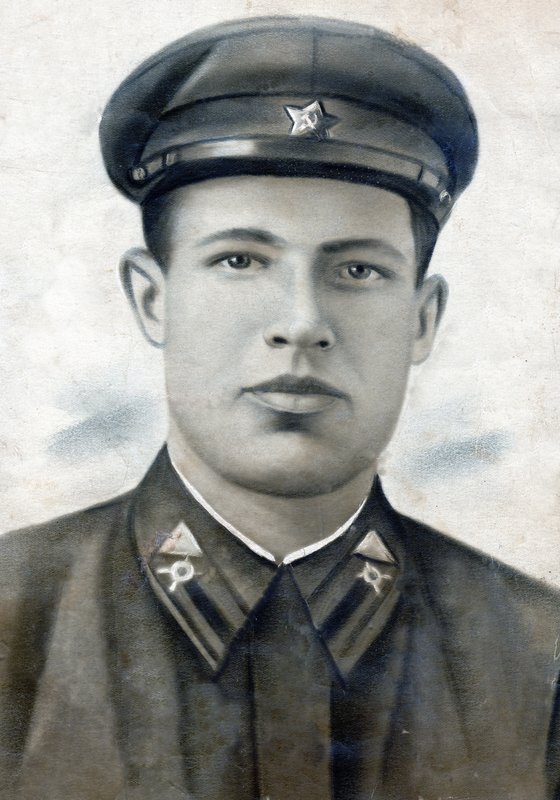
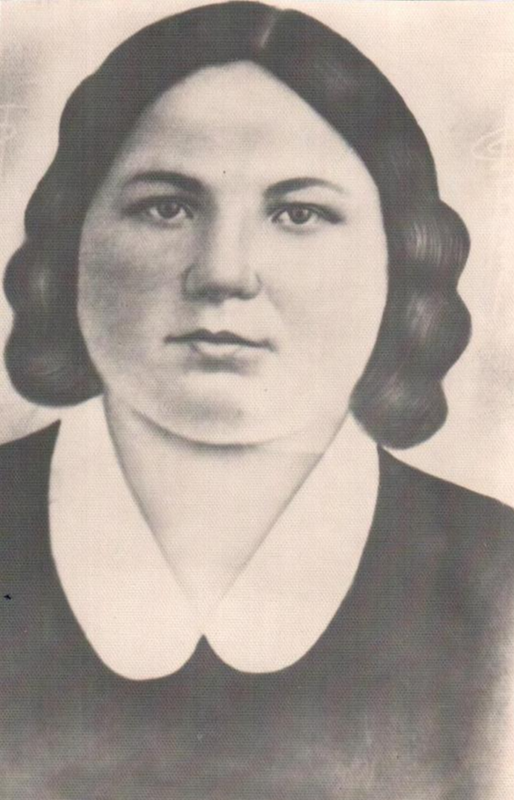
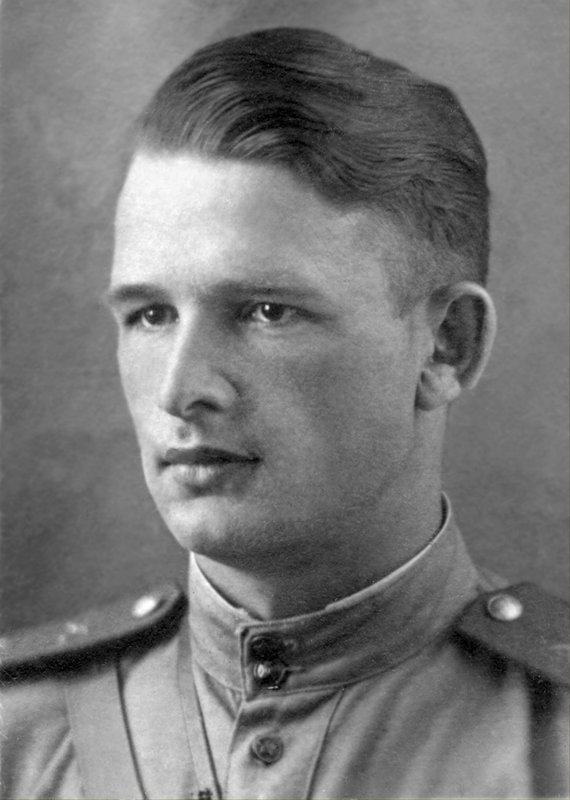
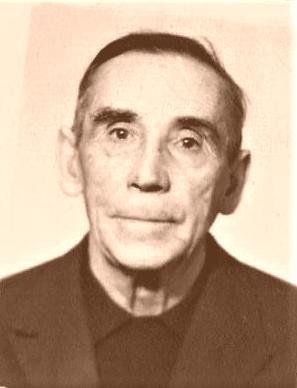

Korotkova Zoya Petrovna
The Great Patriotic War did not bypass any family in our country. It remained in our memory. I remember in my childhood, on the eve of the fortieth anniversary of World War II, my mother told me a story about her older sister. This story made a huge impression on me then. And not so long ago, I stumbled upon clippings from newspapers that my mother had carefully kept for many years. They described the fate of the last days of my aunt - my mother's sister Zoya Petrovna Korotkova. She was born in the village of Ershovka, Sarapulsky district. She graduated from elementary school, on weekends she began to earn money on a collective farm. Strong, bold, desperate, she shepherded collective farm horses, carried hay on carts. In 1941, she went to work in Sarapul at the creamery. When the war began, Zoe was 16 years old. She often went to the military enlistment office, asked to be sent to the front. The girl's request was granted only in October 1942, and she immediately went to the front line. Her parents, Peter Alexandrovich and Tatyana Mikhailovna, learned about this only from a letter sent from the road. Then a few more short letters... Then the notice of Zoya's death... In the late 1960s, the Korotkov spouses visited the Dnipropetrovsk region, where their daughter was buried. At the fraternal cemetery in the center of the village of Kitaygorodki, Dnipropetrovsk region, at the foot of the bronze figure of a grieving woman, there are bronze plates with the names of those who gave their lives for the liberation of the village from the Nazis. There are more than three hundred of them. The thirteenth on the first plate is the name of fearless Zoya. She was posthumously awarded the medal "For Courage." Zoya's portrait is hanging in the museum of local school.
Korotkova Zoya Petrovna
The Great Patriotic War did not bypass any family in our country. It remained in our memory. I remember in my childhood, on the eve of the fortieth anniversary of World War II, my mother told me a story about her older sister. This story made a huge impression on me then. And not so long ago, I stumbled upon clippings from newspapers that my mother had carefully kept for many years. They described the fate of the last days of my aunt - my mother's sister Zoya Petrovna Korotkova. She was born in the village of Ershovka, Sarapulsky district. She graduated from elementary school, on weekends she began to earn money on a collective farm. Strong, bold, desperate, she shepherded collective farm horses, carried hay on carts. In 1941, she went to work in Sarapul at the creamery. When the war began, Zoe was 16 years old. She often went to the military enlistment office, asked to be sent to the front. The girl's request was granted only in October 1942, and she immediately went to the front line. Her parents, Peter Alexandrovich and Tatyana Mikhailovna, learned about this only from a letter sent from the road. Then a few more short letters... Then the notice of Zoya's death... In the late 1960s, the Korotkov spouses visited the Dnipropetrovsk region, where their daughter was buried. At the fraternal cemetery in the center of the village of Kitaygorodki, Dnipropetrovsk region, at the foot of the bronze figure of a grieving woman, there are bronze plates with the names of those who gave their lives for the liberation of the village from the Nazis. There are more than three hundred of them. The thirteenth on the first plate is the name of fearless Zoya. She was posthumously awarded the medal "For Courage." Zoya's portrait is hanging in the museum of local school.
0 comment



2026 © Russian Military Historical Society Developed by Jetmix