Back to
album
album
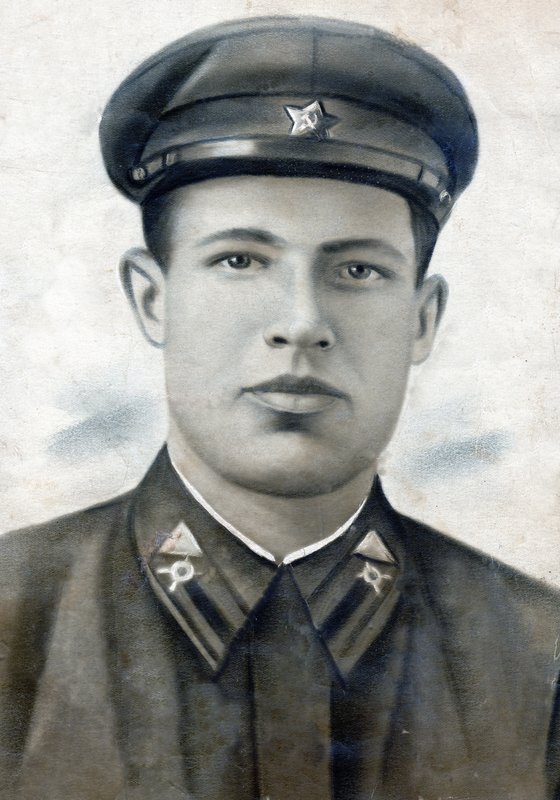
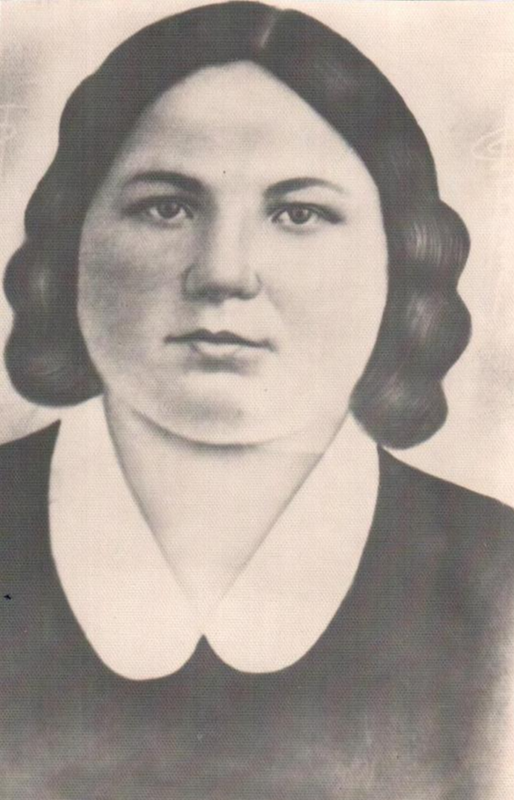
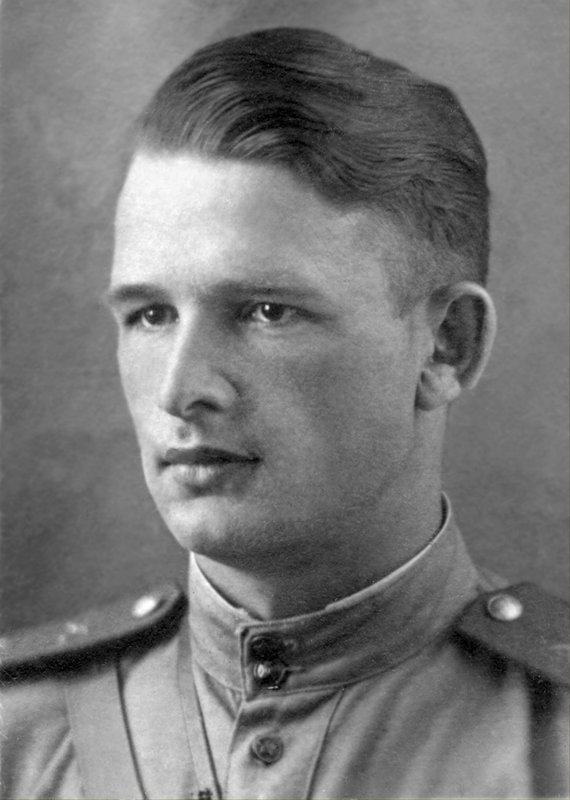
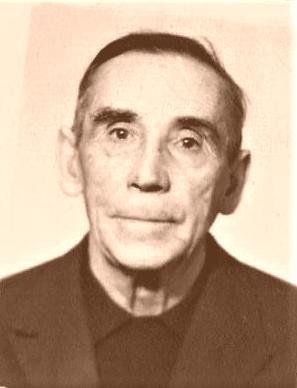
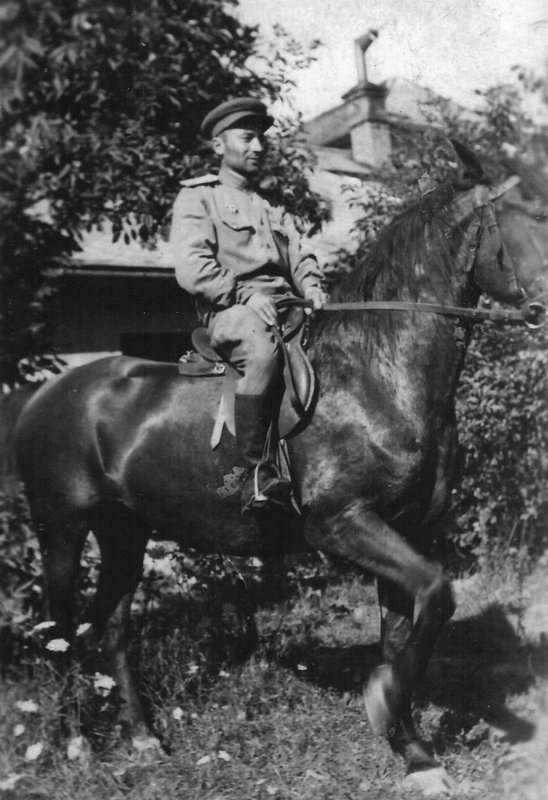
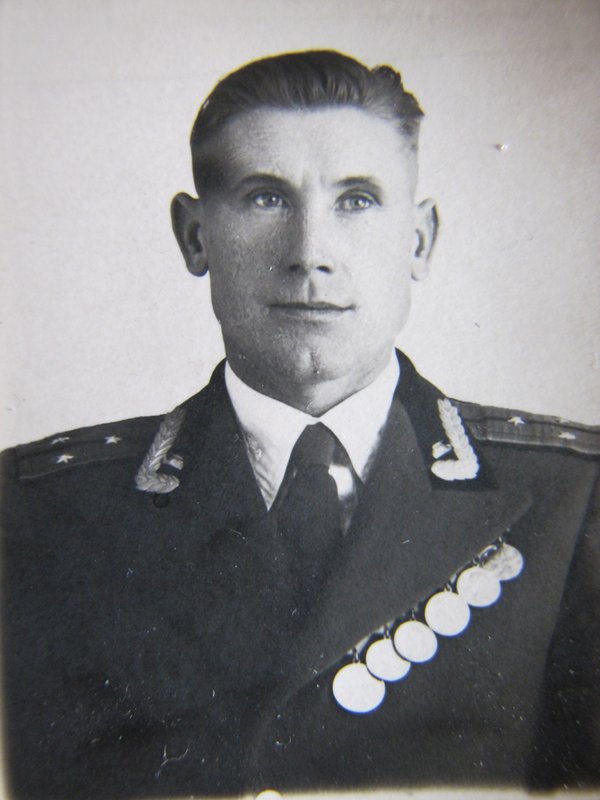

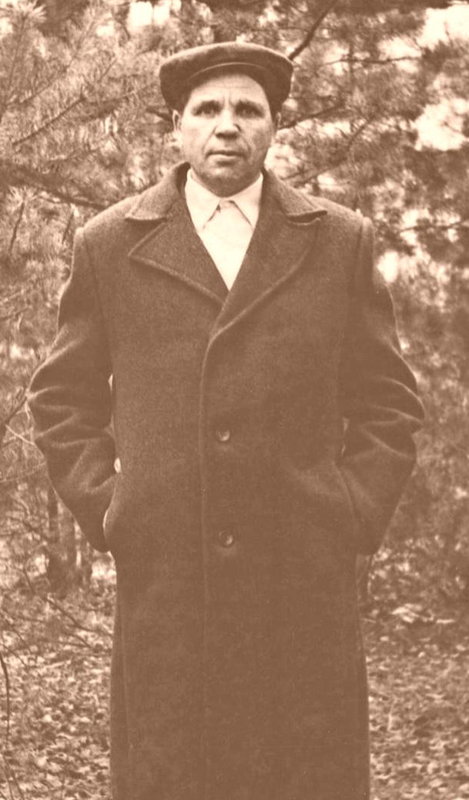
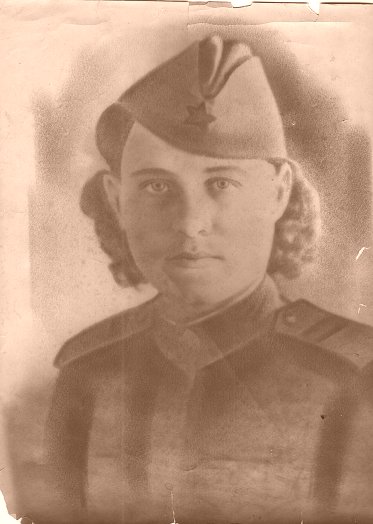
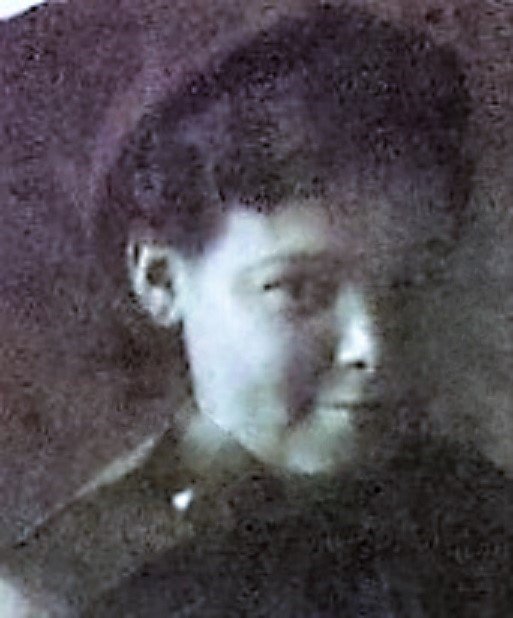
Zaitsev Alexey Alekseevich
Zaitsev Alexey Alekseevich, was born on June 22, 1925, in the v. Vyselki, Spassky district, Ryazan region. He studied at Fedotevskaya school of Spassky district. When the war began, his father and older brother were taken to the front. Alexey remained the head of the family, although at that time he was only 16 years old. He had to take care of his mother and three younger sisters. In January 1943, Alexey, who was 17 at that time, was summoned to the army. After a short training camp, on January 12, all residents of the village of Vyselki and the nearest villages, mostly consisting of women and children, accompanied 30 people together with Alexei, who were to go to the preliminary exercises in Kazan. Alexey was enrolled in the 46th regiment of the 39th Brigade, which was located 20 km from Kazan. After the training, Alexei was promoted to the rank of "junior sergeant" in the Kazan training regiment - a gunner for the Maxim machine gun. Immediately after the training, in the summer of the same year, already trained young soldiers were put in freight cars, and sent to the front near the city of Kursk. At that time there were fierce battles, everything burned and smoked. The 4th Guards Tank Corps (now the Kantemirovskaya Division) had to be replenished. Alexei was enlisted in the 3rd Motorized Rifle Brigade with the 3rd Battalion in the machine-gun company, first as a gunner and then as the chief of staff. With that unit, he took his combat route from Kursk to Czechoslovakia. On the way were the following cities: Kiev, Zhitomir, Lyubar, Rivne, Zbarazh, Ternopil, Lviv, Rzeszow, Krosno, Yaslo, Krakow, as well as the Carpathian Mountains. Already behind the Battle of Kursk, Kyiv was liberated, but it was still far from victory. Immediately after Kiev, fierce battles unfolded, and Alexei was awarded the 'Guardsman Mark' for his participation in them. It was his first 'battle baptism of fire'. "We entered the front breakthrough, our tanks rushed forward. Our task was to expand the breakthrough of the front as much as possible. I remember such a case. We were marching at night and by morning we had to make a halt. And at dawn our column was unexpectedly attacked by 10 German tanks with automatic rifles. They were moving to the flank of our column, and we could not immediately understand whose they were. The tanks turned around and opened fire. We took up the defense. Some of them managed to cut into our positions. Both grenades and Molotov cocktails went into action.” Alexey lost many of his fellow countrymen and comrades in these battles to liberate the cities of Zhitomir and Lyubar. Among them was his cousin Vasily Zaitsev. Alexey himself received his first, but slight wound here and was treated in the medical battalion without leaving his unit. Leaving fresh grave hills, ruins of cities, the war went further west. The blood of Soviet soldiers was spilled for every village and city street. "I will never forget the battles for the liberation of Zbarazh and Ternopil. Winter came. Frosts. Soaked roads. One day we marched 80 km and by the end of the day went to the road. It was foggy and already dawning, nothing could be seen. We could hardly see the silhouette of the car, but we cpuldn’t determine whose silhouette it was due to poor visibility. We let it get closer - the German one. The car was on its way to Zbarazh. We opened fire. A German officer and driver were taken prisoners. As it turned out later, it was an important German officer. Then, we entered Zbarazh itself, which was occupied by Germans. The front was behind us, and we were not expected in the city. It was evening, and the German soldiers were watching a movie. Panic began, shooting. By morning, we had already reached the western outskirts of the city. The way to Ternopil was opened.” Street battles for the liberation of Ternopil took more than a month. In this combat operation, Alexey was wounded, and the rest of the crew died along with commander Sadov. Among the dead were Alexey's countrymen and fellow villagers: Nikolai Mironov, Valery Kochetygov, Fyodor Prokhorov. Alexei was awarded the medal "For bravery" and the title of sergeant - commander of the machine gun crew. After the battles, the military units needed to be replenished with military equipment, weapons and personnel. Meanwhile, the enemy did not give up, and the war went on, to the west. Ahead were the battles for the cities of Zolochev and Lviv. The Soviet tanks began moving further towards Lviv, and then towards the Polish border. After recovery, Alexei returned to his unit. Moving to the west, were released such cities as Krakow, Rzeszow, Krosno, Yaslo, Romanuv. The hardest battles were in the city, fights at night and it was especially hard to fight in the mountains. "Our tanks were moving along the channels of mountain rivers and gorges. For each handful of land in the Carpathians Soviet soldiers shed their blood, attacking a single hill for several days. Here, near Romanuv, I was wounded for the third time. This is where the war ended for me. After recovery Alexey was sent to Kharkov tank school in Chardzhou, Turkmen SSR. Here he welcomed the Victory Day.
Zaitsev Alexey Alekseevich
Zaitsev Alexey Alekseevich, was born on June 22, 1925, in the v. Vyselki, Spassky district, Ryazan region. He studied at Fedotevskaya school of Spassky district. When the war began, his father and older brother were taken to the front. Alexey remained the head of the family, although at that time he was only 16 years old. He had to take care of his mother and three younger sisters. In January 1943, Alexey, who was 17 at that time, was summoned to the army. After a short training camp, on January 12, all residents of the village of Vyselki and the nearest villages, mostly consisting of women and children, accompanied 30 people together with Alexei, who were to go to the preliminary exercises in Kazan. Alexey was enrolled in the 46th regiment of the 39th Brigade, which was located 20 km from Kazan. After the training, Alexei was promoted to the rank of "junior sergeant" in the Kazan training regiment - a gunner for the Maxim machine gun. Immediately after the training, in the summer of the same year, already trained young soldiers were put in freight cars, and sent to the front near the city of Kursk. At that time there were fierce battles, everything burned and smoked. The 4th Guards Tank Corps (now the Kantemirovskaya Division) had to be replenished. Alexei was enlisted in the 3rd Motorized Rifle Brigade with the 3rd Battalion in the machine-gun company, first as a gunner and then as the chief of staff. With that unit, he took his combat route from Kursk to Czechoslovakia. On the way were the following cities: Kiev, Zhitomir, Lyubar, Rivne, Zbarazh, Ternopil, Lviv, Rzeszow, Krosno, Yaslo, Krakow, as well as the Carpathian Mountains. Already behind the Battle of Kursk, Kyiv was liberated, but it was still far from victory. Immediately after Kiev, fierce battles unfolded, and Alexei was awarded the 'Guardsman Mark' for his participation in them. It was his first 'battle baptism of fire'. "We entered the front breakthrough, our tanks rushed forward. Our task was to expand the breakthrough of the front as much as possible. I remember such a case. We were marching at night and by morning we had to make a halt. And at dawn our column was unexpectedly attacked by 10 German tanks with automatic rifles. They were moving to the flank of our column, and we could not immediately understand whose they were. The tanks turned around and opened fire. We took up the defense. Some of them managed to cut into our positions. Both grenades and Molotov cocktails went into action.” Alexey lost many of his fellow countrymen and comrades in these battles to liberate the cities of Zhitomir and Lyubar. Among them was his cousin Vasily Zaitsev. Alexey himself received his first, but slight wound here and was treated in the medical battalion without leaving his unit. Leaving fresh grave hills, ruins of cities, the war went further west. The blood of Soviet soldiers was spilled for every village and city street. "I will never forget the battles for the liberation of Zbarazh and Ternopil. Winter came. Frosts. Soaked roads. One day we marched 80 km and by the end of the day went to the road. It was foggy and already dawning, nothing could be seen. We could hardly see the silhouette of the car, but we cpuldn’t determine whose silhouette it was due to poor visibility. We let it get closer - the German one. The car was on its way to Zbarazh. We opened fire. A German officer and driver were taken prisoners. As it turned out later, it was an important German officer. Then, we entered Zbarazh itself, which was occupied by Germans. The front was behind us, and we were not expected in the city. It was evening, and the German soldiers were watching a movie. Panic began, shooting. By morning, we had already reached the western outskirts of the city. The way to Ternopil was opened.” Street battles for the liberation of Ternopil took more than a month. In this combat operation, Alexey was wounded, and the rest of the crew died along with commander Sadov. Among the dead were Alexey's countrymen and fellow villagers: Nikolai Mironov, Valery Kochetygov, Fyodor Prokhorov. Alexei was awarded the medal "For bravery" and the title of sergeant - commander of the machine gun crew. After the battles, the military units needed to be replenished with military equipment, weapons and personnel. Meanwhile, the enemy did not give up, and the war went on, to the west. Ahead were the battles for the cities of Zolochev and Lviv. The Soviet tanks began moving further towards Lviv, and then towards the Polish border. After recovery, Alexei returned to his unit. Moving to the west, were released such cities as Krakow, Rzeszow, Krosno, Yaslo, Romanuv. The hardest battles were in the city, fights at night and it was especially hard to fight in the mountains. "Our tanks were moving along the channels of mountain rivers and gorges. For each handful of land in the Carpathians Soviet soldiers shed their blood, attacking a single hill for several days. Here, near Romanuv, I was wounded for the third time. This is where the war ended for me. After recovery Alexey was sent to Kharkov tank school in Chardzhou, Turkmen SSR. Here he welcomed the Victory Day.
0 comment



2026 © Russian Military Historical Society Developed by Jetmix