Back to
album
album
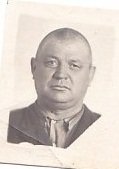
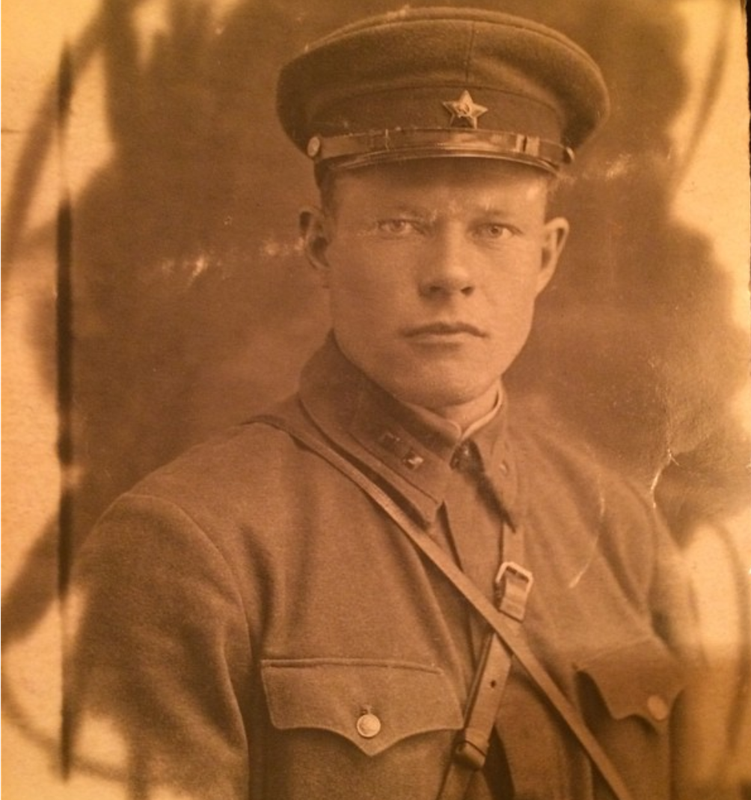
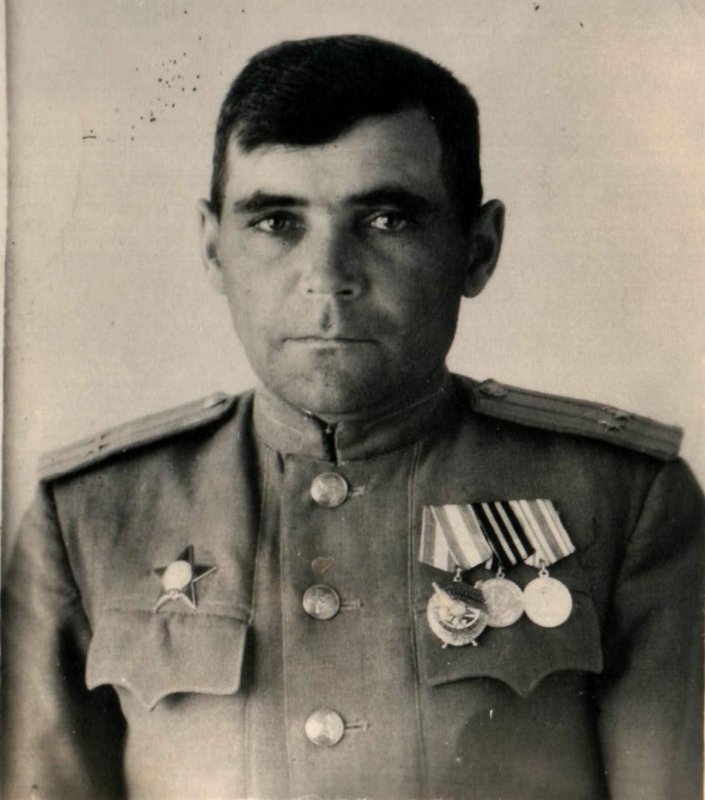
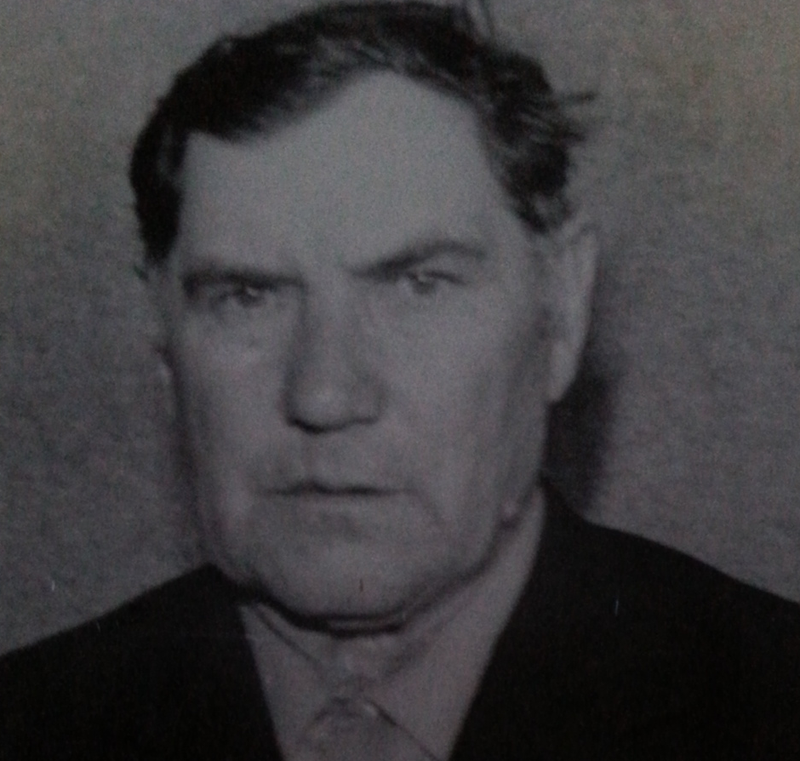
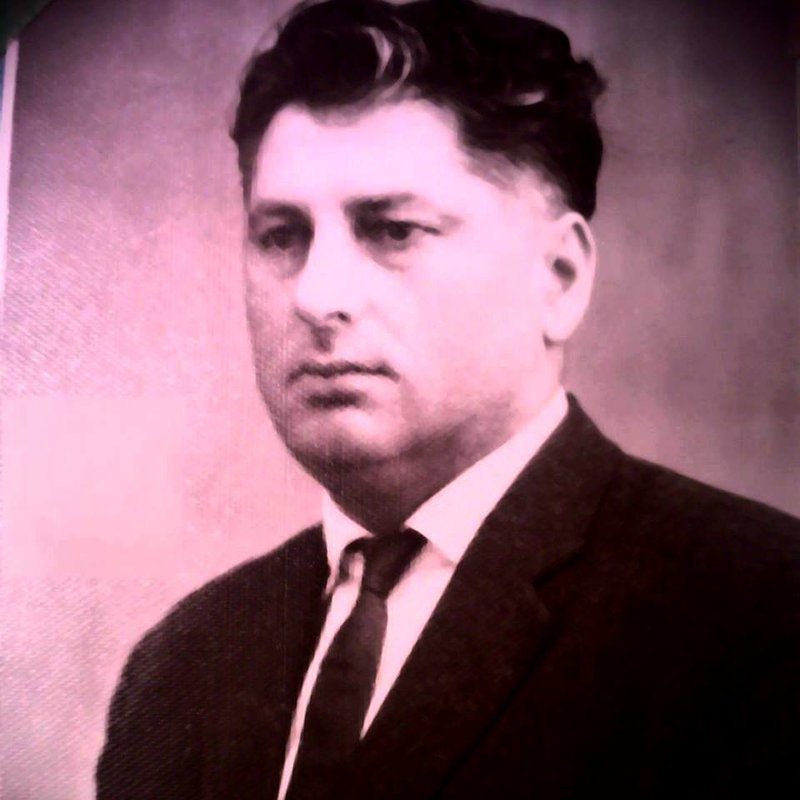
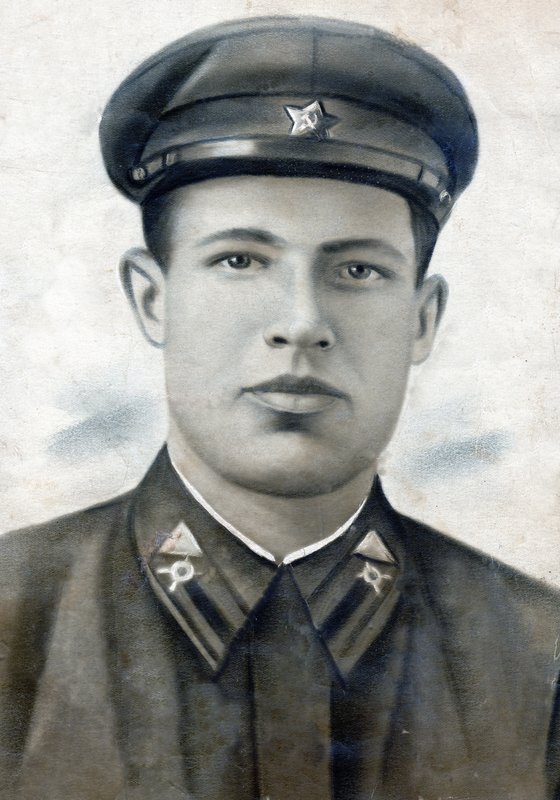
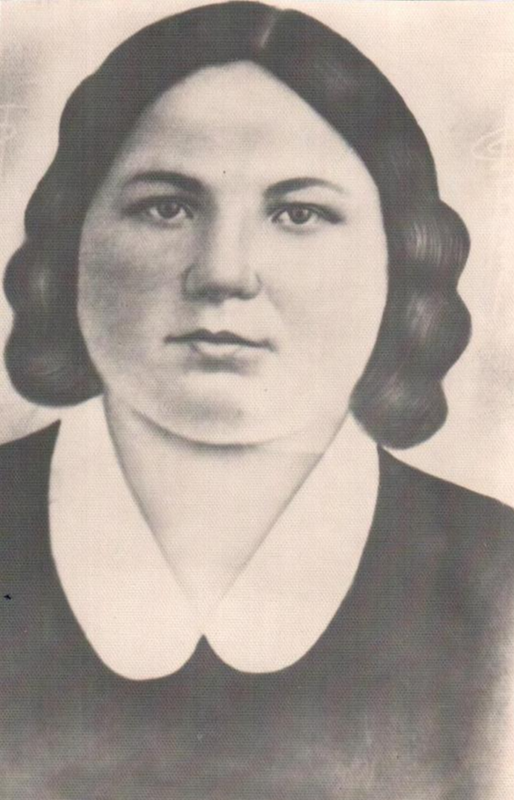
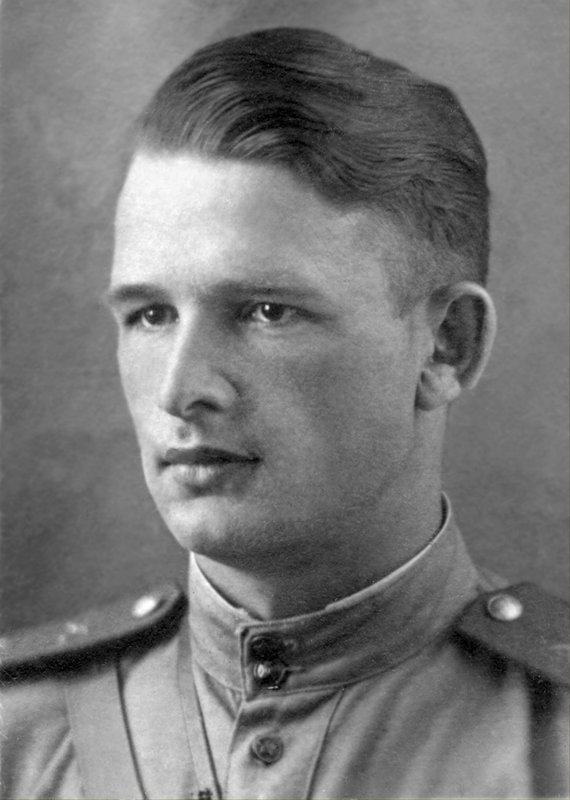
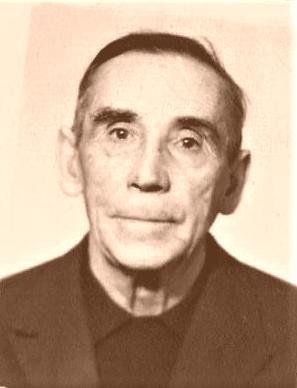
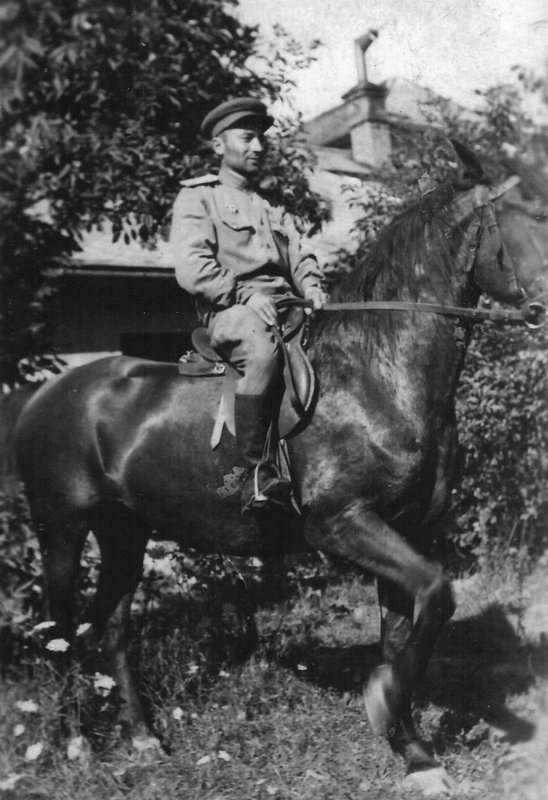
Kabaloev (hæbæloti) Guide (gæit) Nauruzovich (nuruzi furt)
Branch of forces: Ground Forces, Air Force (except naval aviation), coastal service, NKVD troops, border troops. Unit: 151st Infantry Zhmerin-Budapest Red Banner Division. Kabaloev Gid Nauruzovich, was born on April 17, 1917 in the Russian Empire in the Nalchik district, Terek Region (the village of Stary Lesken, Urvan district, Kabardino - Balkarian Autonomous Soviet Socialist Republic), in the family of a middle peasant (kulak). Father Nauruz Guadzhievich Kabaloev (born in 1986) died in 1918 in a clash with the Red Gangs near Old Lesken. The family was taken away a big share of the property, as a result, the family moved to the village of Ozrek (Leskensky district of the CBD). In 1930 Guide Nauruzovich graduated from the Ozrek elementary school. In 1932 he graduated from the Urvan Agricultural School. In 1934 he entered the Pedagogical Institute in the city of Pyatigorsk. Gid Dzagurov's mother died in 1937. The family suffered a repression, which deprived the entire family of housing property and livelihood. In 1937 he graduated from the Pedagogical Institute. From September 1 to May 30, 1942 he worked as a teacher of mathematics at Dokshukinsky secondary school in the city of Dokshukino. In 1942 on May 30 he was mobilized into the Red Army. He participated in battles in the main Stalingrad direction as part of 177th Separate machine gun and artillery battalion. On August 14, 1942 during the battle with the crew of the 6th Infantry Ota 177 OPAB, in the area of Stanitsa Nizhne-Chirskaya he was captured by the Germans. Since August 14, 1942 he was in a prisoner war camp, soon having arranged an escape, fled with several prisoners. He was detained in the city of Varashilovgrad during a raid, again sent to a prisoner war camp in the city of Pavlograd. After some time he was transported to Romania, where he stayed in the 1st Slobodzievsky (Slobodzia) prisoner war camp till August 14, 1944. From August 14 to September he was in the SPP in the city of Braila. From there he was mobilized into the Soviet Army. In 1944 on August 14, he participated in battles as part of the 59 Guards Rifle Division, 176 GSP, 2 SB as a gunner of easel machine guns. December 26, 1944 to March 7, 1945 he was treated after a severe shrapnel wound to the head in the field hospital No.: 1688 in the city of Szegeda (Romania). In 1945 from March 7 to May 9 he participated in battles as part of the rebuke 151 Zhmerensko - Budapest Red Banner Division of the SD, 581 joint ventures in Hungary and Austria. "In the center of the advancing on Budapest was 151 Red Banner Zhmerinsky Division, to the name of which was later added -" Budapest. " This division "hooked" with its right wing those quarters of the city where the ghetto was located. " On January 18, 1945, together with the fighters of the invincible Soviet Army, he participated in the destruction of the ghetto gates and brought freedom to its prisoners. On April 25, 1945, near the city of Torgau on the Elba River, Guide Nauruzovich, as part of the army of the 1st Ukrainian Front of the USSR Army, met with the troops of the 1st US Army. As a result of the meeting of the Allied troops, the remnants of the German armed forces were split into two parts - northern and southern. After the disbandment of 151 SD on August 14, 1945, he was appointed to the 74SD 78SP as a battalion clerk. He was demobilized from the Soviet Army in November 1945 as a secondary school teacher. In 1946 since January 15, he worked in schools and public education bodies of the North Ossetian Autonomous Union Socialist Republic (now the Republic of North Ossetia - Alania). Guide Nauruzovich passed away in 1998.
Kabaloev (hæbæloti) Guide (gæit) Nauruzovich (nuruzi furt)
Branch of forces: Ground Forces, Air Force (except naval aviation), coastal service, NKVD troops, border troops. Unit: 151st Infantry Zhmerin-Budapest Red Banner Division. Kabaloev Gid Nauruzovich, was born on April 17, 1917 in the Russian Empire in the Nalchik district, Terek Region (the village of Stary Lesken, Urvan district, Kabardino - Balkarian Autonomous Soviet Socialist Republic), in the family of a middle peasant (kulak). Father Nauruz Guadzhievich Kabaloev (born in 1986) died in 1918 in a clash with the Red Gangs near Old Lesken. The family was taken away a big share of the property, as a result, the family moved to the village of Ozrek (Leskensky district of the CBD). In 1930 Guide Nauruzovich graduated from the Ozrek elementary school. In 1932 he graduated from the Urvan Agricultural School. In 1934 he entered the Pedagogical Institute in the city of Pyatigorsk. Gid Dzagurov's mother died in 1937. The family suffered a repression, which deprived the entire family of housing property and livelihood. In 1937 he graduated from the Pedagogical Institute. From September 1 to May 30, 1942 he worked as a teacher of mathematics at Dokshukinsky secondary school in the city of Dokshukino. In 1942 on May 30 he was mobilized into the Red Army. He participated in battles in the main Stalingrad direction as part of 177th Separate machine gun and artillery battalion. On August 14, 1942 during the battle with the crew of the 6th Infantry Ota 177 OPAB, in the area of Stanitsa Nizhne-Chirskaya he was captured by the Germans. Since August 14, 1942 he was in a prisoner war camp, soon having arranged an escape, fled with several prisoners. He was detained in the city of Varashilovgrad during a raid, again sent to a prisoner war camp in the city of Pavlograd. After some time he was transported to Romania, where he stayed in the 1st Slobodzievsky (Slobodzia) prisoner war camp till August 14, 1944. From August 14 to September he was in the SPP in the city of Braila. From there he was mobilized into the Soviet Army. In 1944 on August 14, he participated in battles as part of the 59 Guards Rifle Division, 176 GSP, 2 SB as a gunner of easel machine guns. December 26, 1944 to March 7, 1945 he was treated after a severe shrapnel wound to the head in the field hospital No.: 1688 in the city of Szegeda (Romania). In 1945 from March 7 to May 9 he participated in battles as part of the rebuke 151 Zhmerensko - Budapest Red Banner Division of the SD, 581 joint ventures in Hungary and Austria. "In the center of the advancing on Budapest was 151 Red Banner Zhmerinsky Division, to the name of which was later added -" Budapest. " This division "hooked" with its right wing those quarters of the city where the ghetto was located. " On January 18, 1945, together with the fighters of the invincible Soviet Army, he participated in the destruction of the ghetto gates and brought freedom to its prisoners. On April 25, 1945, near the city of Torgau on the Elba River, Guide Nauruzovich, as part of the army of the 1st Ukrainian Front of the USSR Army, met with the troops of the 1st US Army. As a result of the meeting of the Allied troops, the remnants of the German armed forces were split into two parts - northern and southern. After the disbandment of 151 SD on August 14, 1945, he was appointed to the 74SD 78SP as a battalion clerk. He was demobilized from the Soviet Army in November 1945 as a secondary school teacher. In 1946 since January 15, he worked in schools and public education bodies of the North Ossetian Autonomous Union Socialist Republic (now the Republic of North Ossetia - Alania). Guide Nauruzovich passed away in 1998.
0 comment




2026 © Russian Military Historical Society Developed by Jetmix