Back to
album
album
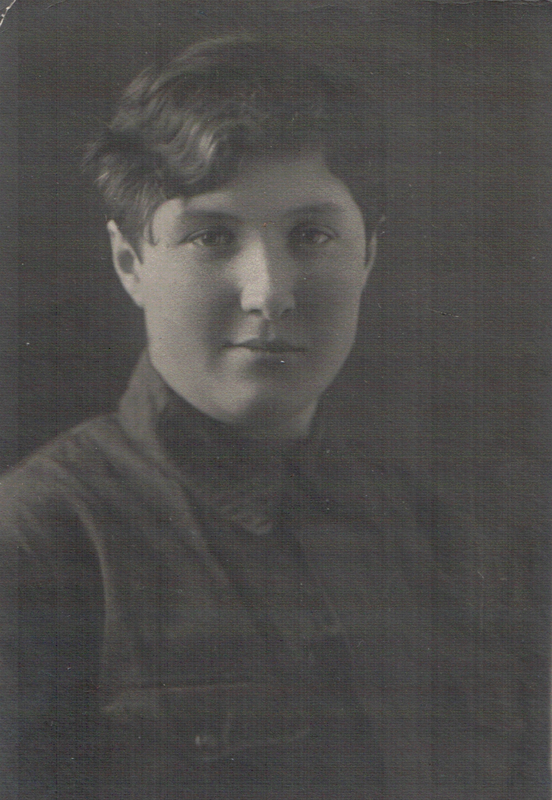
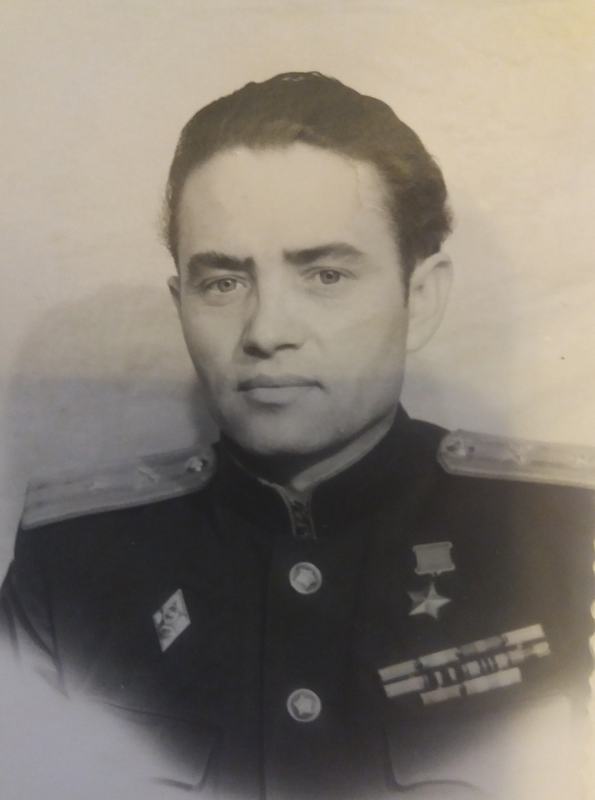

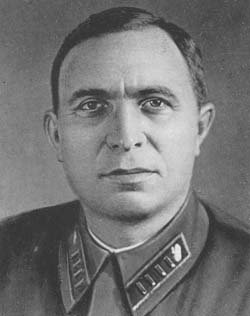
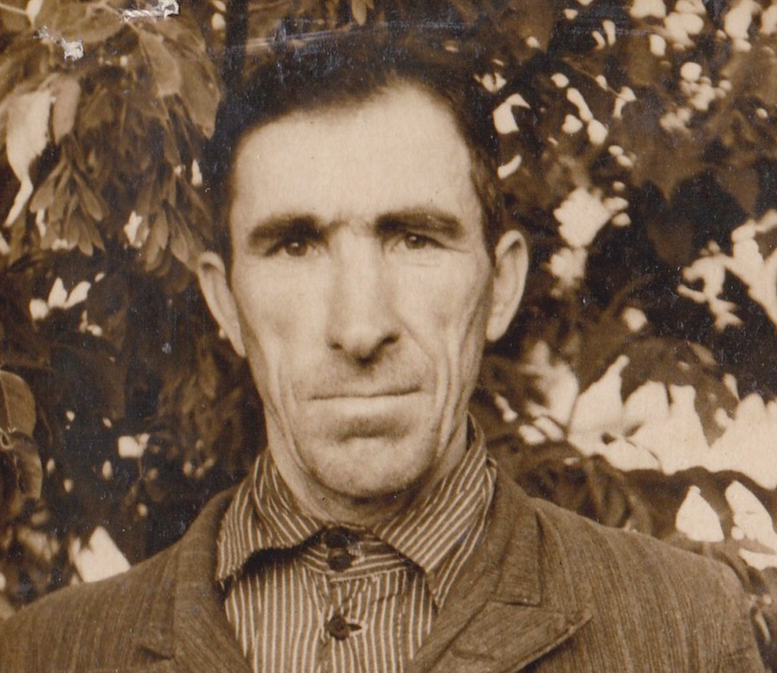

Panfil Zavorin
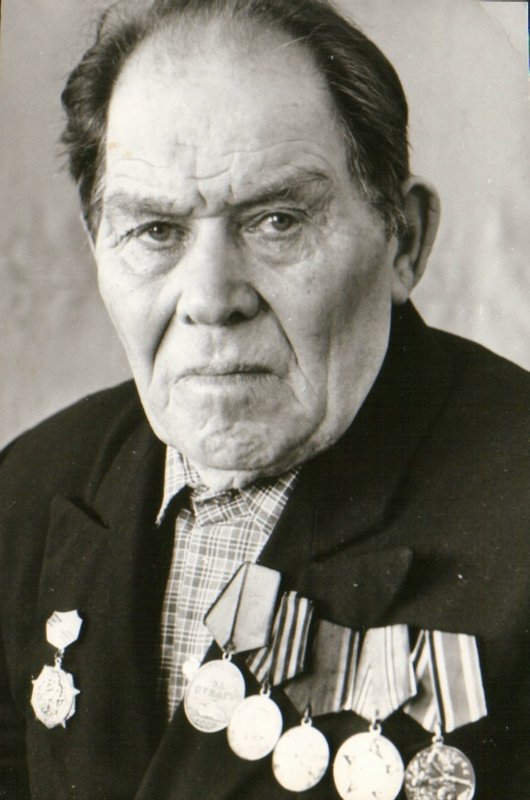
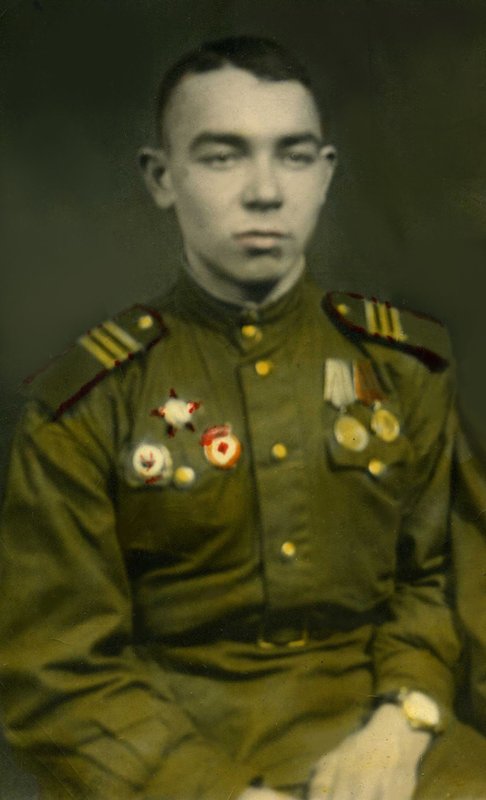
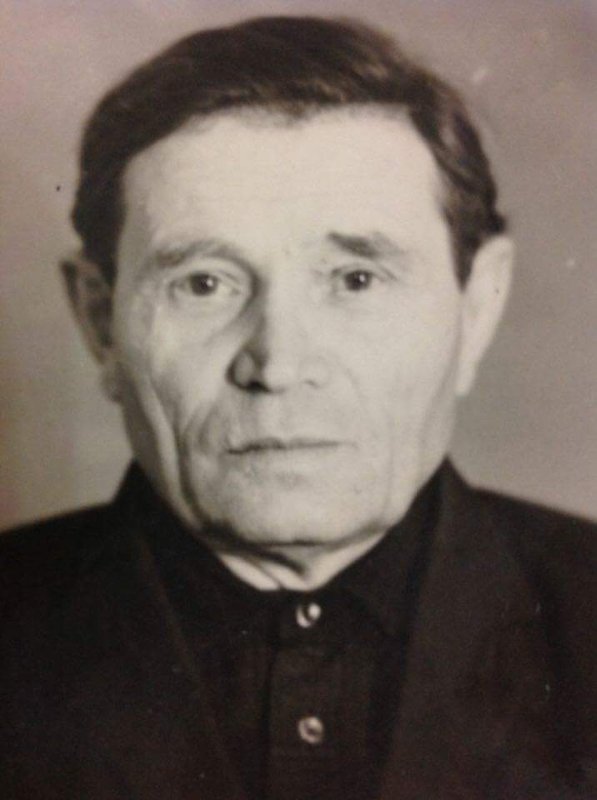
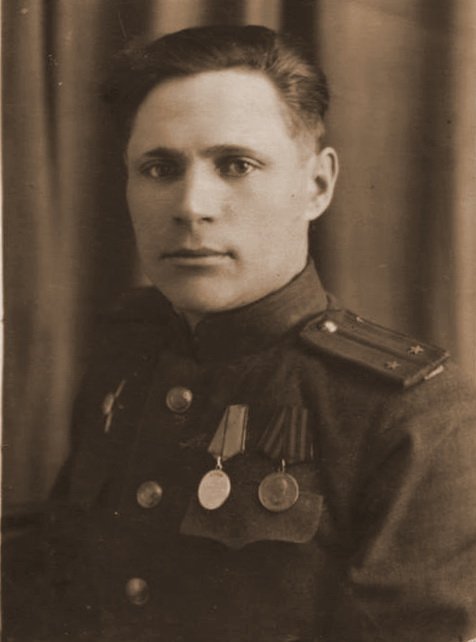
He went to the front in 1941. He fought on the Kalinin and Ukrainian Fronts. He was wounded at the end of January 1942, two bullets hit his chest and shoulder. He was in a hospital in Rostov, Moscow Region. After recovery, he was sent to the Ivanovo Region in the 142nd Regiment. He was wounded in the groin in 1943. He was treated in the Leningrad Region in the hospital of the city of Kresttsy, after which he returned to the front as a signalman-submachine gunner. He was captured at Velikiye Luki in 1944. It happened like this. After eliminating the break in communication, a group of five people returned to the location of the detachment, which was not in place, and the village was already occupied by policemen. The soldiers hid in a barn but were given away by residents. He spent two years in captivity, and for the rest of his life he could not forget the road by that they were driven to Germany: "we went through a field with untidy rutabagas. Hungry prisoners rushed to collect it, and the guards began to hunt them with dogs and severely beat them. They kicked them with "forged" Nazi boots." He had then five ribs broken and was badly torn by a dog. The time spent in captivity seemed like an eternity," the living envied the dead. "Hungry prisoners cut off the flesh of their dead comrades, cooked it in pots, and ate it, but he did not eat, and, many years later, was proud of the fact that he was able to overcome himself. Three times swollen from hunger. "I only survived because I drank my own urine," he told his children. In the spring, German farmers took prisoners to work as farmhands. This is how he learned their customs and farming habits, which later became useful to him in the post-war period when running his own farm. The Americans released the prisoners in 1945, but he returned home in 1949, as the Soviet government considered him an enemy of the people._x000D_
For each year spent in captivity, they were given two years in prison. But after studying the case materials, they replaced the sentence with work at a military factory in the Molotov Region. He was rehabilitated in 1953: he was issued a military ID and his awards were returned (Medal For the Victory over Germany in the Great Patriotic War 1941-1945, Medal For Bravery, Order of the Patriotic War 2nd degree and others).
Panfil Zavorin
He went to the front in 1941. He fought on the Kalinin and Ukrainian Fronts. He was wounded at the end of January 1942, two bullets hit his chest and shoulder. He was in a hospital in Rostov, Moscow Region. After recovery, he was sent to the Ivanovo Region in the 142nd Regiment. He was wounded in the groin in 1943. He was treated in the Leningrad Region in the hospital of the city of Kresttsy, after which he returned to the front as a signalman-submachine gunner. He was captured at Velikiye Luki in 1944. It happened like this. After eliminating the break in communication, a group of five people returned to the location of the detachment, which was not in place, and the village was already occupied by policemen. The soldiers hid in a barn but were given away by residents. He spent two years in captivity, and for the rest of his life he could not forget the road by that they were driven to Germany: "we went through a field with untidy rutabagas. Hungry prisoners rushed to collect it, and the guards began to hunt them with dogs and severely beat them. They kicked them with "forged" Nazi boots." He had then five ribs broken and was badly torn by a dog. The time spent in captivity seemed like an eternity," the living envied the dead. "Hungry prisoners cut off the flesh of their dead comrades, cooked it in pots, and ate it, but he did not eat, and, many years later, was proud of the fact that he was able to overcome himself. Three times swollen from hunger. "I only survived because I drank my own urine," he told his children. In the spring, German farmers took prisoners to work as farmhands. This is how he learned their customs and farming habits, which later became useful to him in the post-war period when running his own farm. The Americans released the prisoners in 1945, but he returned home in 1949, as the Soviet government considered him an enemy of the people._x000D_
For each year spent in captivity, they were given two years in prison. But after studying the case materials, they replaced the sentence with work at a military factory in the Molotov Region. He was rehabilitated in 1953: he was issued a military ID and his awards were returned (Medal For the Victory over Germany in the Great Patriotic War 1941-1945, Medal For Bravery, Order of the Patriotic War 2nd degree and others).
0 comment



2026 © Russian Military Historical Society Developed by Jetmix