Back to
album
album
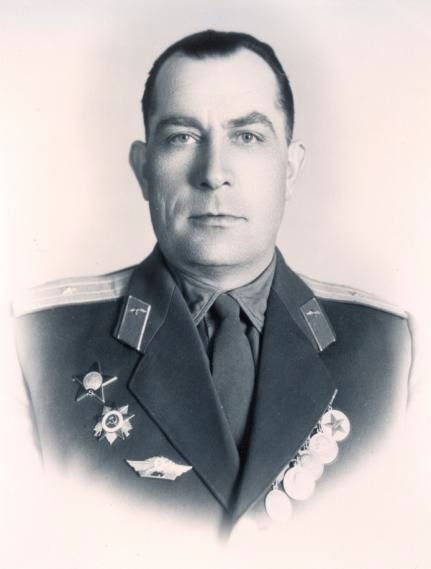
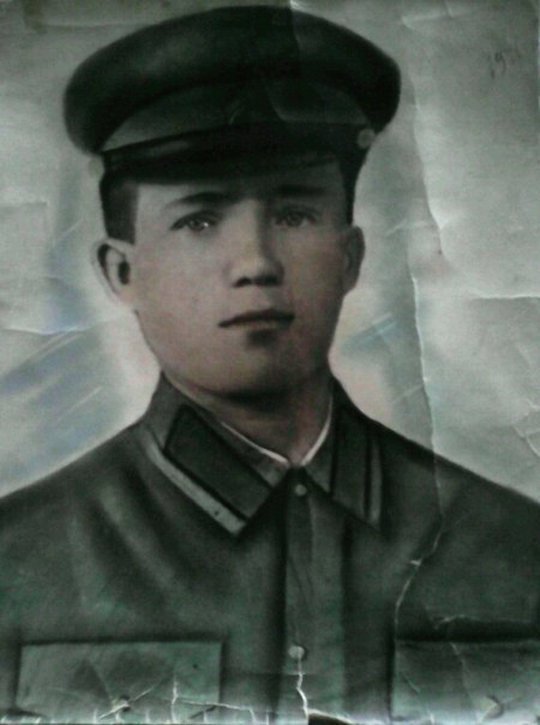
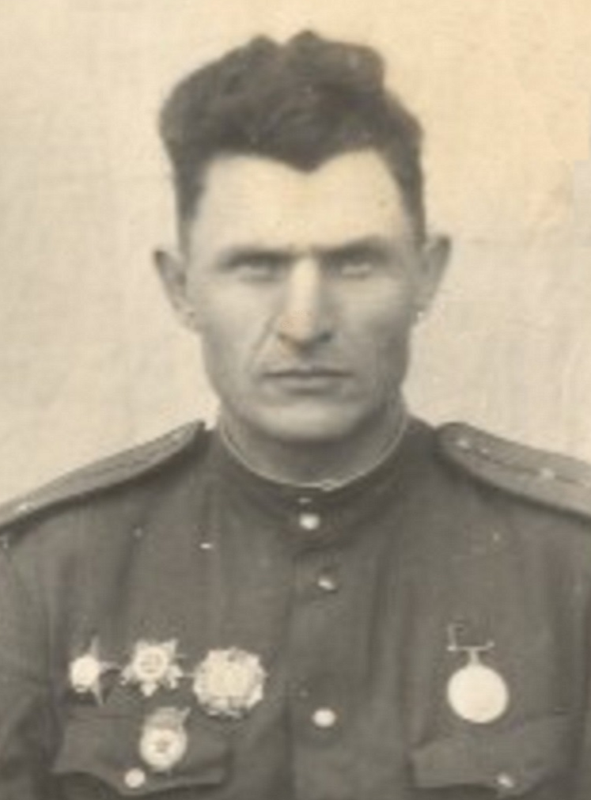

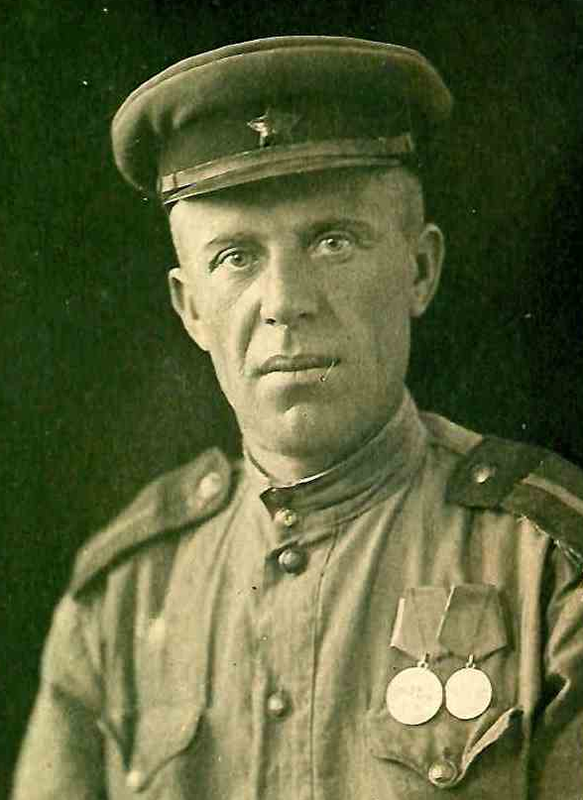
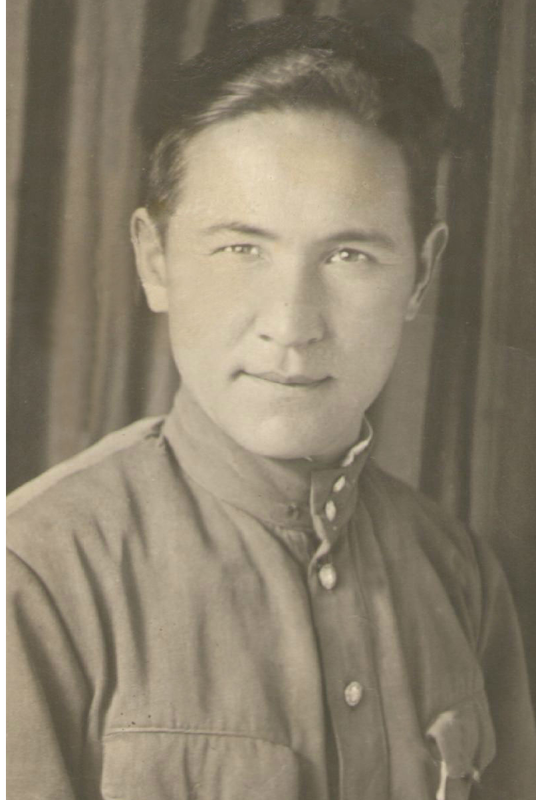
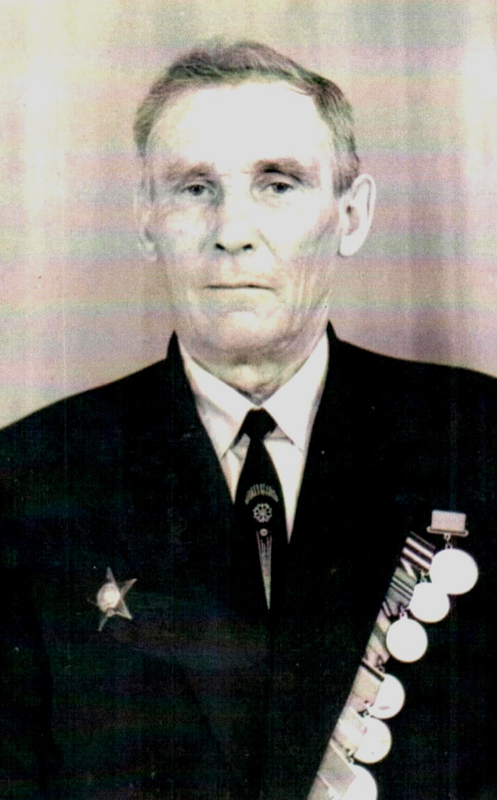
Abitov Zeynulla Gainullovich
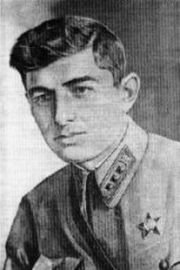
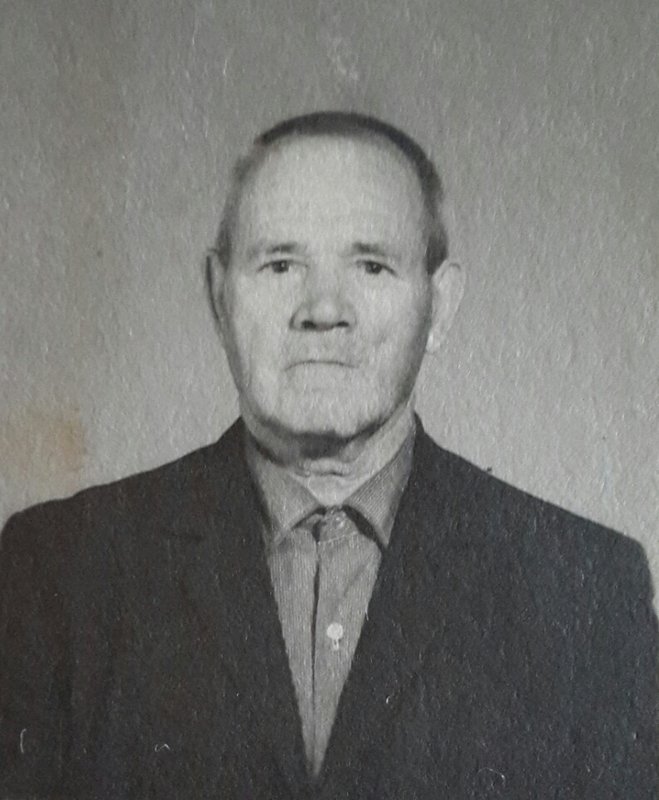
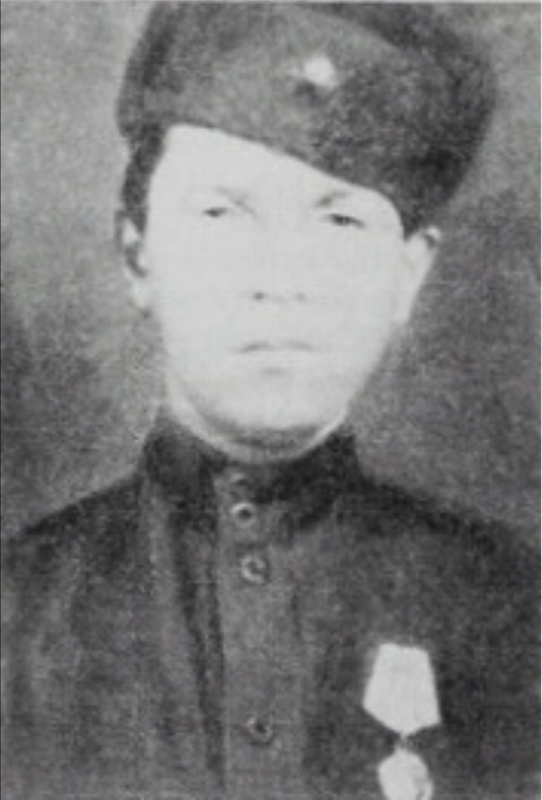
CITY: Chuvash Republic, Batyrevsky district, village Kzyl-Chishma DATE OF BIRTH: 02/15/1921 DATE OF DEATH: - HISTORY: Zeynulla Gainullovich Abitov, born on February 15, 1921. Rank: Captain. Type of troops: Artillery. Subdivision: 11th Kirovograd Artillery Red Banner Orders of Suvorov, Kutuzov and Bogdan Khmelnitsky Division. Among the people who protected billions of people from fascism in 1941-1945 is my maternal great-grandfather. This is my mother's own grandfather. His name is Abitov Zeynulla Gainullovich. We lived with him in the same village - in the village of Kzyl-Chishma. They lived on different streets, but visited them often. I know that he also bravely fought for the Motherland against the German invaders, participated in the Great Patriotic War as part of the active army from October 1942 to February 1945. Abitov Zeynulla Gainullovich was born on February 15, 1921 in the village of Kzyl-Chishma. On the evening of June 22, 1941, all the youth of the village were at a party. She danced, sang, played. My great-grandfather also had fun, played the accordion. Suddenly, the chairman of the collective farm, the director of the school and the secretary of the party cell entered the house where the party was taking place. They brought the terrible news: "The war has begun!" Soon all the young people gathered in the club. My great-grandfather at that time was the secretary of the Komsomol organization. He really wanted to defend his homeland. The dream has come true! The next day he was already mobilized into the ranks of the Red Army. In October 1941, Abitov Zeynulla Gainullovich was sent to study at the Omsk military school. Good cadres and good officers were needed to conduct the war. Great-grandfather studied for one year. After graduating from college in October 1942, the young lieutenant was sent to the Stalingrad front, where terrible battles were fought. Lieutenant Abitov was appointed platoon leader in the 95th artillery regiment of the 11th artillery division. It was at Stalingrad that his character was tempered, he learned to fight. It was here, quite by chance, that my great-grandfather met Minnebana, his fellow villager and friend Tagirov, in the trench. They managed to communicate quite a bit. Soon my relative found out that his friend, the shooter, had died. Great-grandfather often recalled those difficult times, with tears he recalled his friend, whom he saw only for a minute in the trench. Hitler was aimed east, towards the Volga and Stalingrad. The capture of Stalingrad was very important to him for several reasons. It was the main industrial city on the banks of the Volga, a vital transport route between the Caspian Sea and northern Russia. The capture of Stalingrad would ensure the safety of the German armies advancing into the Caucasus on the left flank. Finally, the fact that the city bore the name of Stalin, Hitler's main enemy, made the capture of the city a winning move. The word Stalingrad reminds of a battle that surpassed all armed clashes of the past in terms of scope, tension and consequences. On July 17, the troops of the Stalingrad Front received their first baptism of fire. In a large bend of the Don, at the border of the Chir and Tsymla rivers, the forward detachments of the armies entered into battle with the vanguards of the German army divisions. It is here that the greatest epic of the Second World War, the Battle of Stalingrad, begins. In November 1942, after three months of bloody massacre, the Germans reached the banks of the river, almost completely capturing the destroyed city. Unusually merciless was the battle on the Mamayev Kurgan, a height soaked in blood, towering over the city. The height passed from hand to hand several times. During one of the Soviet counterattacks on Mamayev Kurgan in order to intercept it, the Soviet troops lost an entire division of 10 thousand people in one day. They suffered losses, but not a single unit was completely destroyed. Many fighters considered it a shame to be absent from the battlefield due to minor injury. They stayed because they did not want to leave their comrades. After the battles on the Mamayev Kurgan, the Kurgan itself seemed to be poured out of metal. It was all riddled with fragments of bombs and shells. Now on the Mamayev Kurgan there is a monument worthy of this battle. But the day came - November 19, 1942, when the troops of the fronts operating at Stalingrad went on the offensive. By December 19, over 300 German tanks had already participated in the offensive. But thanks to the courage and resilience of the Soviet troops, the offensive was stopped and then thrown back 200 kilometers from Stalingrad. Thanks to this victory, the fate of the war as a whole was finally decided. In early January, an operation began to eliminate the encircled group. On February 1, 1943, after a crushing blow from our artillery, the northern part also surrendered. On February 2, 1943, at 16 o'clock, the Battle of Stalingrad ended. At Stalingrad, our army won the first great victory over the Nazis. In one of the battles, my great-grandfather was wounded in the leg and was taken to the hospital. After the hospital, he took courses for officers. Then he was transferred to the 3rd Ukrainian Front, appointed company commander. Then he participated in the 1st Belorussian Front in the liberation of the cities of Belarus. By that time he was promoted to senior lieutenant.Later, my great-grandfather took part in the battles for the Right-Bank Ukraine, in the crossing of the Dnieper. In Germany, not far from the Oder River, he, unfortunately, was very seriously wounded in the leg, so he had to meet Victory Day in the hospital. When I learned about the Victory, I experienced a great feeling of joy. Great-grandfather recalled: “When we learned that the war was over, we jumped out of bed and jumped for joy. Everyone was screaming and crying. It is impossible to convey what a joy it was for us. It turns out that my wound opened, blood began to flow, but I did not feel it. There was so much happiness, joy from the Victory, from the fact that they remained alive, so much grief that not everyone will return. " Great-grandfather returned home in November 1945. Was transferred to the reserve with the rank of senior lieutenant. For military merits, my great-grandfather was awarded the Order of the Red Star, the Order of the Red Banner of the Battle, the Order of the Patriotic War of the 1st degree, the medal for the defense of Stalingrad, etc. In addition, recently, in 2010, he was given a car and an apartment. They wanted to leave my great-grandfather to study at the military academy, but he really wanted to return to his native village. He really missed his family. His mother and 4 sisters remained in the village. And he returned home. After returning, my great-grandfather continued to work on the collective farm. I got married. In 1946 he was elected chairman of his native collective farm. He served as the head of the collective farm for 5 years. He has achieved very great success in his work. For his hard work, soon in 1951, he was appointed director of the Chkalovsk creamery, where he worked for 5 years. From 1957 until his retirement, his great-grandfather worked as an accountant on his native collective farm. Together with his wife, they raised 3 children. In 1986 he was awarded the rank of captain. Remembering Stalingrad, my great-grandfather said: “Asphalt turned into sand, houses collapsed before our eyes, blood, horror. After fierce fighting, little of the city remained. It seemed that no one would survive. But we defended Stalingrad. The Germans who had surrendered shouted: “Hitler is kaput. ..Hitler kaput ... "My grandfather always repeated these words:" Let the children grow up peacefully, not being afraid of bomb explosions. I wish there were no such harsh days as they were during the war. We fought for the future of the country, for a peaceful sky overhead. You should enjoy every peaceful day, study and work honestly. There are such good opportunities for all this! " 279 people left my village for the war. 116 fellow villagers forever remained in the memory of relatives and friends as young, they died. 163 people returned home alive. There are not many veterans left in the village today. There are only 2 of them left ... It’s a pity that people I knew are leaving. I wish the veterans health. As a child, my mother often left me with my great-grandfather. When he played the accordion, I loved to dance and sing. He was always cheerful, until his last days he loved to play his harmonica, remember his youth. In recent years, although he was old, he behaved like a real officer, always clean and tidy. I say thank you very much for the peaceful sky, for the gentle sun. After all, he was only 19 years old when he went to war, he was a lieutenant, led a platoon, a company. I am very proud of him, of his courage, because he fought for the Motherland, defended the country. I love my great-grandfather very much! We can undoubtedly call him a HERO!
Abitov Zeynulla Gainullovich
CITY: Chuvash Republic, Batyrevsky district, village Kzyl-Chishma DATE OF BIRTH: 02/15/1921 DATE OF DEATH: - HISTORY: Zeynulla Gainullovich Abitov, born on February 15, 1921. Rank: Captain. Type of troops: Artillery. Subdivision: 11th Kirovograd Artillery Red Banner Orders of Suvorov, Kutuzov and Bogdan Khmelnitsky Division. Among the people who protected billions of people from fascism in 1941-1945 is my maternal great-grandfather. This is my mother's own grandfather. His name is Abitov Zeynulla Gainullovich. We lived with him in the same village - in the village of Kzyl-Chishma. They lived on different streets, but visited them often. I know that he also bravely fought for the Motherland against the German invaders, participated in the Great Patriotic War as part of the active army from October 1942 to February 1945. Abitov Zeynulla Gainullovich was born on February 15, 1921 in the village of Kzyl-Chishma. On the evening of June 22, 1941, all the youth of the village were at a party. She danced, sang, played. My great-grandfather also had fun, played the accordion. Suddenly, the chairman of the collective farm, the director of the school and the secretary of the party cell entered the house where the party was taking place. They brought the terrible news: "The war has begun!" Soon all the young people gathered in the club. My great-grandfather at that time was the secretary of the Komsomol organization. He really wanted to defend his homeland. The dream has come true! The next day he was already mobilized into the ranks of the Red Army. In October 1941, Abitov Zeynulla Gainullovich was sent to study at the Omsk military school. Good cadres and good officers were needed to conduct the war. Great-grandfather studied for one year. After graduating from college in October 1942, the young lieutenant was sent to the Stalingrad front, where terrible battles were fought. Lieutenant Abitov was appointed platoon leader in the 95th artillery regiment of the 11th artillery division. It was at Stalingrad that his character was tempered, he learned to fight. It was here, quite by chance, that my great-grandfather met Minnebana, his fellow villager and friend Tagirov, in the trench. They managed to communicate quite a bit. Soon my relative found out that his friend, the shooter, had died. Great-grandfather often recalled those difficult times, with tears he recalled his friend, whom he saw only for a minute in the trench. Hitler was aimed east, towards the Volga and Stalingrad. The capture of Stalingrad was very important to him for several reasons. It was the main industrial city on the banks of the Volga, a vital transport route between the Caspian Sea and northern Russia. The capture of Stalingrad would ensure the safety of the German armies advancing into the Caucasus on the left flank. Finally, the fact that the city bore the name of Stalin, Hitler's main enemy, made the capture of the city a winning move. The word Stalingrad reminds of a battle that surpassed all armed clashes of the past in terms of scope, tension and consequences. On July 17, the troops of the Stalingrad Front received their first baptism of fire. In a large bend of the Don, at the border of the Chir and Tsymla rivers, the forward detachments of the armies entered into battle with the vanguards of the German army divisions. It is here that the greatest epic of the Second World War, the Battle of Stalingrad, begins. In November 1942, after three months of bloody massacre, the Germans reached the banks of the river, almost completely capturing the destroyed city. Unusually merciless was the battle on the Mamayev Kurgan, a height soaked in blood, towering over the city. The height passed from hand to hand several times. During one of the Soviet counterattacks on Mamayev Kurgan in order to intercept it, the Soviet troops lost an entire division of 10 thousand people in one day. They suffered losses, but not a single unit was completely destroyed. Many fighters considered it a shame to be absent from the battlefield due to minor injury. They stayed because they did not want to leave their comrades. After the battles on the Mamayev Kurgan, the Kurgan itself seemed to be poured out of metal. It was all riddled with fragments of bombs and shells. Now on the Mamayev Kurgan there is a monument worthy of this battle. But the day came - November 19, 1942, when the troops of the fronts operating at Stalingrad went on the offensive. By December 19, over 300 German tanks had already participated in the offensive. But thanks to the courage and resilience of the Soviet troops, the offensive was stopped and then thrown back 200 kilometers from Stalingrad. Thanks to this victory, the fate of the war as a whole was finally decided. In early January, an operation began to eliminate the encircled group. On February 1, 1943, after a crushing blow from our artillery, the northern part also surrendered. On February 2, 1943, at 16 o'clock, the Battle of Stalingrad ended. At Stalingrad, our army won the first great victory over the Nazis. In one of the battles, my great-grandfather was wounded in the leg and was taken to the hospital. After the hospital, he took courses for officers. Then he was transferred to the 3rd Ukrainian Front, appointed company commander. Then he participated in the 1st Belorussian Front in the liberation of the cities of Belarus. By that time he was promoted to senior lieutenant.Later, my great-grandfather took part in the battles for the Right-Bank Ukraine, in the crossing of the Dnieper. In Germany, not far from the Oder River, he, unfortunately, was very seriously wounded in the leg, so he had to meet Victory Day in the hospital. When I learned about the Victory, I experienced a great feeling of joy. Great-grandfather recalled: “When we learned that the war was over, we jumped out of bed and jumped for joy. Everyone was screaming and crying. It is impossible to convey what a joy it was for us. It turns out that my wound opened, blood began to flow, but I did not feel it. There was so much happiness, joy from the Victory, from the fact that they remained alive, so much grief that not everyone will return. " Great-grandfather returned home in November 1945. Was transferred to the reserve with the rank of senior lieutenant. For military merits, my great-grandfather was awarded the Order of the Red Star, the Order of the Red Banner of the Battle, the Order of the Patriotic War of the 1st degree, the medal for the defense of Stalingrad, etc. In addition, recently, in 2010, he was given a car and an apartment. They wanted to leave my great-grandfather to study at the military academy, but he really wanted to return to his native village. He really missed his family. His mother and 4 sisters remained in the village. And he returned home. After returning, my great-grandfather continued to work on the collective farm. I got married. In 1946 he was elected chairman of his native collective farm. He served as the head of the collective farm for 5 years. He has achieved very great success in his work. For his hard work, soon in 1951, he was appointed director of the Chkalovsk creamery, where he worked for 5 years. From 1957 until his retirement, his great-grandfather worked as an accountant on his native collective farm. Together with his wife, they raised 3 children. In 1986 he was awarded the rank of captain. Remembering Stalingrad, my great-grandfather said: “Asphalt turned into sand, houses collapsed before our eyes, blood, horror. After fierce fighting, little of the city remained. It seemed that no one would survive. But we defended Stalingrad. The Germans who had surrendered shouted: “Hitler is kaput. ..Hitler kaput ... "My grandfather always repeated these words:" Let the children grow up peacefully, not being afraid of bomb explosions. I wish there were no such harsh days as they were during the war. We fought for the future of the country, for a peaceful sky overhead. You should enjoy every peaceful day, study and work honestly. There are such good opportunities for all this! " 279 people left my village for the war. 116 fellow villagers forever remained in the memory of relatives and friends as young, they died. 163 people returned home alive. There are not many veterans left in the village today. There are only 2 of them left ... It’s a pity that people I knew are leaving. I wish the veterans health. As a child, my mother often left me with my great-grandfather. When he played the accordion, I loved to dance and sing. He was always cheerful, until his last days he loved to play his harmonica, remember his youth. In recent years, although he was old, he behaved like a real officer, always clean and tidy. I say thank you very much for the peaceful sky, for the gentle sun. After all, he was only 19 years old when he went to war, he was a lieutenant, led a platoon, a company. I am very proud of him, of his courage, because he fought for the Motherland, defended the country. I love my great-grandfather very much! We can undoubtedly call him a HERO!
0 comment




2026 © Russian Military Historical Society Developed by Jetmix