Back to
album
album
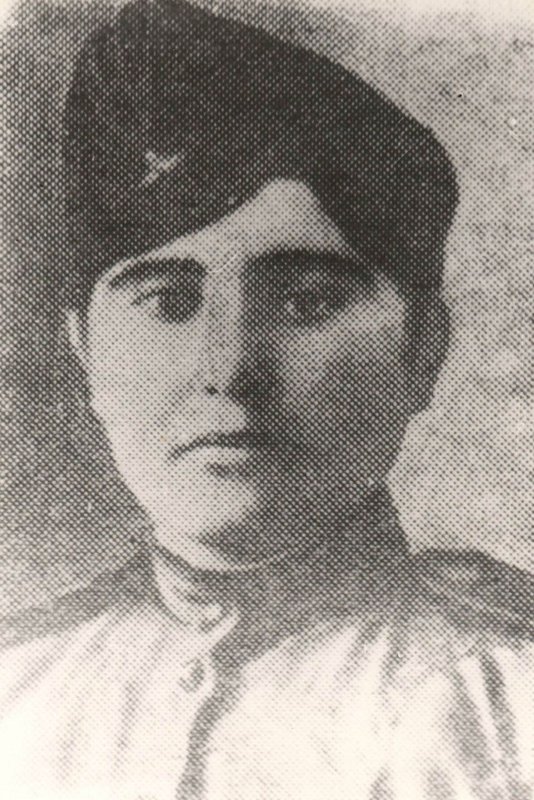
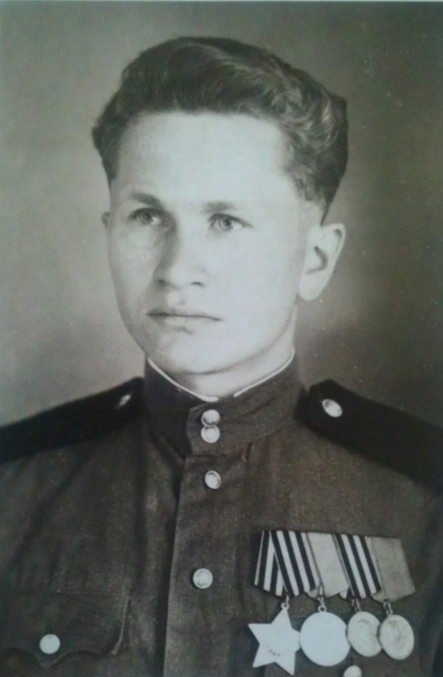

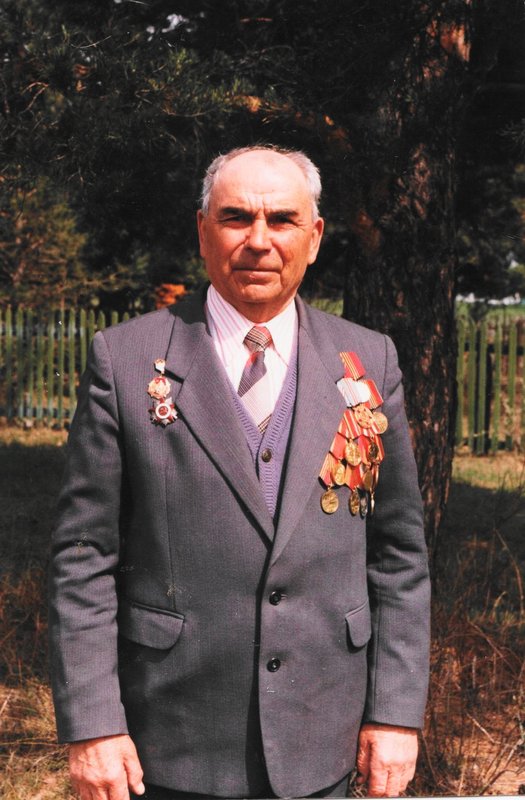
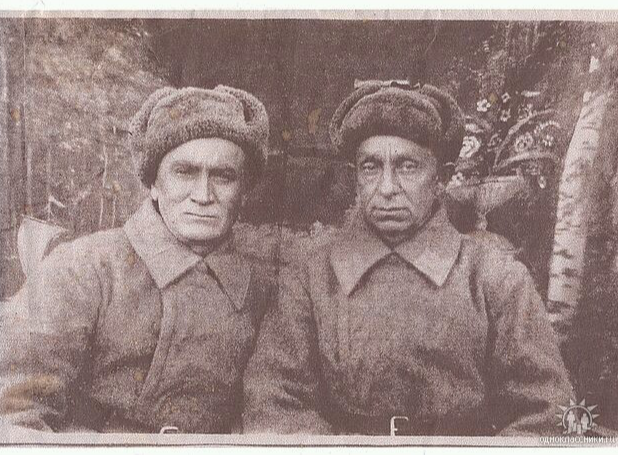
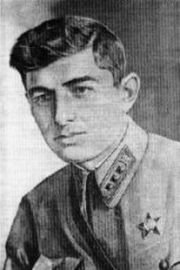
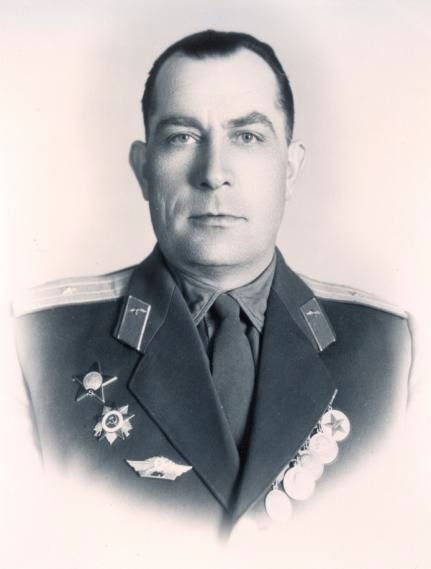
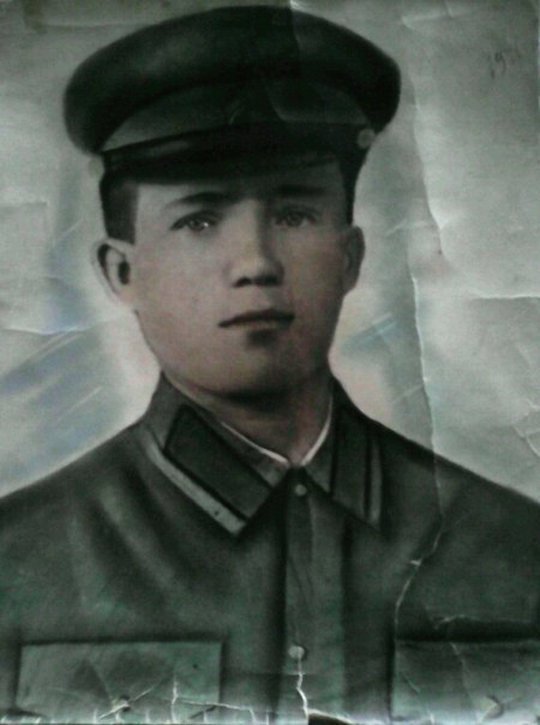
AKHSAROV ENVER BIMBOLATOVICH
CITY: NORTH OSSETIA ZILGI VILLAGE DATE OF BIRTH: 01/01/1915 DATE OF DEATH: 02/15/1943 HISTORY: Title: Major Type of troops: Ground forces, Air Force (except naval aviation), coastal service, NKVD troops, border troops Subdivision: 183rd Rifle Kharkov Order of Lenin Red Banner Orders of Suvorov and Bogdan Khmelnitsky Division Military unit 227 joint venture 183 rifle regiment 1 Ukr F. 183rd division, participant in the liberation of Klin from the Nazi invaders. E.B. Akhsarov was born on November 9 (24), 1915 in the village of Zilga in the Pravoberezhny District of North Ossetia into a large peasant family. At school, Enver was one of the best students. After the fifth grade, he began to work on a collective farm. In 1932 he received the qualification of a locksmith at the FZU in Dzaudzhikau, worked at the Beslan maize plant. Then he studied at the workers' faculty at the Krasnodar Civil Engineering Institute. In 1934, Enver entered the Krasnodar military cavalry school, in 1937 he graduated with honors from the Tbilisi military school. Lieutenant Akhsarov was sent to the position of platoon commander in a cavalry regiment. In the battles of the Great Patriotic War since August 1941. Until September 1942, he participated in hostilities on the Kalinin and Western Fronts. On November 15, 1941, the 46th Cavalry Regiment (18th Cavalry Division of the 30th Army), in which Senior Lieutenant Akhsarov served, arrived in Moscow. From Moscow, the train proceeded to Klin. Akhsarov reported to the division headquarters that all the property was unloaded, the horses were shod, the regiment was put on alert. On the morning of November 17, the 18th Cavalry Division saddled the Moscow-Leningrad highway near the town of Zavidovo. The 46th Cavalry Regiment was preparing for a battle. Soon, German tanks and dense chains of machine gunners appeared. The dismounted horsemen beat the Nazis with machine guns and carbines, mowed down with grenades. The 46th Regiment held its ground firmly. After the death of the regiment commander Borodin, Akhsarov became the head of the regiment. For several days the 18th Cavalry Division fought stubborn defensive battles. Captain Enver Akhsarov showed himself to be a skillful organizer of battles of small and mobile groups with superior enemy forces. In the Klinsko-Solnechnogorsk offensive operation, from December 6, 1941, a mobile group of Colonel Georgy Ivanovich Khetagurov operated on the left flank of the 30th Army. The 18th Cavalry Division was part of the group. She was to advance in the direction of Rogachev, Klin. The day before, Khetagurov visited the horsemen of the 46th regiment, wishing Akhsarov's regiment to be the first to reach Klin. 46th Cavalry Regiment, like other units of the division, went into battle without artillery preparation. The Germans were taken by surprise. Pursuing the enemy, the regiment advanced 15 km by the evening of the first day of the offensive. After the liberation of Klin, the 46th Cavalry Regiment in the vanguard of the division fought incessant battles on the way from Vysokovsk to Rzhev. In July 1942, Enver Akhsarov parted with the cavalry. He was appointed commander of the 227th Infantry Regiment of the 183rd Division. “Cavalry is a good thing,” said Enver, “I love her and will love her all my life. In the Caucasus, every man is a horseman. But the decisive role in the war belongs to the infantry, it is not for nothing that they call it the queen of the fields. " In September 1942, the 183rd Infantry Division, which suffered heavy losses near Rzhev, was withdrawn to the rear for rest and replenishment in the city of Vysokovsk. Many residents of the Vysokovsky and Klinsky regions joined the ranks of the division. On the first anniversary of the liberation of Klin from the Nazi invaders, the Klin district party committee invited Major Akhsarov to a meeting of workers. Akhsarov arrived at the meeting with the Clinchans on his white horse during the entire cavalry parade. On the same day, the Vysokovskaya club hosted a divisional evening dedicated to the 25th anniversary of the October Revolution. On February 15, 1943, the enemy with superior forces tried three times to attack the positions of the 227th regiment of the major, but all attacks were repulsed. In the third and most desperate battle, Major Akhsarov personally killed two Nazis point-blank and, in front of his fellow soldiers, died a hero's death from an enemy mine. By the decree of the Presidium of the Supreme Soviet of the USSR of January 10, 1944, Major Enver Bimbolatovich Akhsarov was posthumously awarded the title of Hero of the Soviet Union for the skillful leadership of the regiment's actions and the destruction of enemy manpower and equipment. Akhsarov was also awarded the Order of Lenin, the Order of the Red Star, and medals. Buried Hero of the Soviet Union in Kharkov. Streets in Kharkov, Beslan, Vladikavkaz are named after him. A memorial plaque to Enver Bimbolatovich Akhsarov was installed in Kharkov at the end of house number 18 on Akhsarov Street. The bust of the Hero of the Soviet Union was installed in his native village.
AKHSAROV ENVER BIMBOLATOVICH
CITY: NORTH OSSETIA ZILGI VILLAGE DATE OF BIRTH: 01/01/1915 DATE OF DEATH: 02/15/1943 HISTORY: Title: Major Type of troops: Ground forces, Air Force (except naval aviation), coastal service, NKVD troops, border troops Subdivision: 183rd Rifle Kharkov Order of Lenin Red Banner Orders of Suvorov and Bogdan Khmelnitsky Division Military unit 227 joint venture 183 rifle regiment 1 Ukr F. 183rd division, participant in the liberation of Klin from the Nazi invaders. E.B. Akhsarov was born on November 9 (24), 1915 in the village of Zilga in the Pravoberezhny District of North Ossetia into a large peasant family. At school, Enver was one of the best students. After the fifth grade, he began to work on a collective farm. In 1932 he received the qualification of a locksmith at the FZU in Dzaudzhikau, worked at the Beslan maize plant. Then he studied at the workers' faculty at the Krasnodar Civil Engineering Institute. In 1934, Enver entered the Krasnodar military cavalry school, in 1937 he graduated with honors from the Tbilisi military school. Lieutenant Akhsarov was sent to the position of platoon commander in a cavalry regiment. In the battles of the Great Patriotic War since August 1941. Until September 1942, he participated in hostilities on the Kalinin and Western Fronts. On November 15, 1941, the 46th Cavalry Regiment (18th Cavalry Division of the 30th Army), in which Senior Lieutenant Akhsarov served, arrived in Moscow. From Moscow, the train proceeded to Klin. Akhsarov reported to the division headquarters that all the property was unloaded, the horses were shod, the regiment was put on alert. On the morning of November 17, the 18th Cavalry Division saddled the Moscow-Leningrad highway near the town of Zavidovo. The 46th Cavalry Regiment was preparing for a battle. Soon, German tanks and dense chains of machine gunners appeared. The dismounted horsemen beat the Nazis with machine guns and carbines, mowed down with grenades. The 46th Regiment held its ground firmly. After the death of the regiment commander Borodin, Akhsarov became the head of the regiment. For several days the 18th Cavalry Division fought stubborn defensive battles. Captain Enver Akhsarov showed himself to be a skillful organizer of battles of small and mobile groups with superior enemy forces. In the Klinsko-Solnechnogorsk offensive operation, from December 6, 1941, a mobile group of Colonel Georgy Ivanovich Khetagurov operated on the left flank of the 30th Army. The 18th Cavalry Division was part of the group. She was to advance in the direction of Rogachev, Klin. The day before, Khetagurov visited the horsemen of the 46th regiment, wishing Akhsarov's regiment to be the first to reach Klin. 46th Cavalry Regiment, like other units of the division, went into battle without artillery preparation. The Germans were taken by surprise. Pursuing the enemy, the regiment advanced 15 km by the evening of the first day of the offensive. After the liberation of Klin, the 46th Cavalry Regiment in the vanguard of the division fought incessant battles on the way from Vysokovsk to Rzhev. In July 1942, Enver Akhsarov parted with the cavalry. He was appointed commander of the 227th Infantry Regiment of the 183rd Division. “Cavalry is a good thing,” said Enver, “I love her and will love her all my life. In the Caucasus, every man is a horseman. But the decisive role in the war belongs to the infantry, it is not for nothing that they call it the queen of the fields. " In September 1942, the 183rd Infantry Division, which suffered heavy losses near Rzhev, was withdrawn to the rear for rest and replenishment in the city of Vysokovsk. Many residents of the Vysokovsky and Klinsky regions joined the ranks of the division. On the first anniversary of the liberation of Klin from the Nazi invaders, the Klin district party committee invited Major Akhsarov to a meeting of workers. Akhsarov arrived at the meeting with the Clinchans on his white horse during the entire cavalry parade. On the same day, the Vysokovskaya club hosted a divisional evening dedicated to the 25th anniversary of the October Revolution. On February 15, 1943, the enemy with superior forces tried three times to attack the positions of the 227th regiment of the major, but all attacks were repulsed. In the third and most desperate battle, Major Akhsarov personally killed two Nazis point-blank and, in front of his fellow soldiers, died a hero's death from an enemy mine. By the decree of the Presidium of the Supreme Soviet of the USSR of January 10, 1944, Major Enver Bimbolatovich Akhsarov was posthumously awarded the title of Hero of the Soviet Union for the skillful leadership of the regiment's actions and the destruction of enemy manpower and equipment. Akhsarov was also awarded the Order of Lenin, the Order of the Red Star, and medals. Buried Hero of the Soviet Union in Kharkov. Streets in Kharkov, Beslan, Vladikavkaz are named after him. A memorial plaque to Enver Bimbolatovich Akhsarov was installed in Kharkov at the end of house number 18 on Akhsarov Street. The bust of the Hero of the Soviet Union was installed in his native village.
0 comment



2026 © Russian Military Historical Society Developed by Jetmix