Back to
album
album


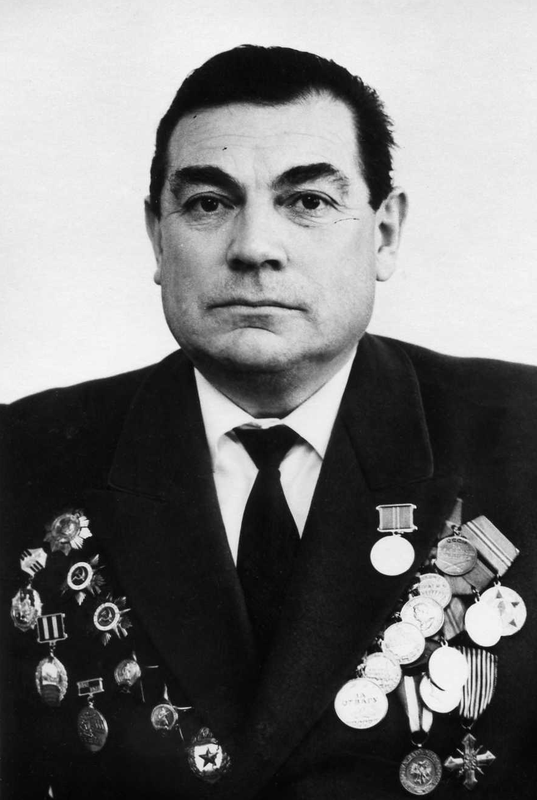


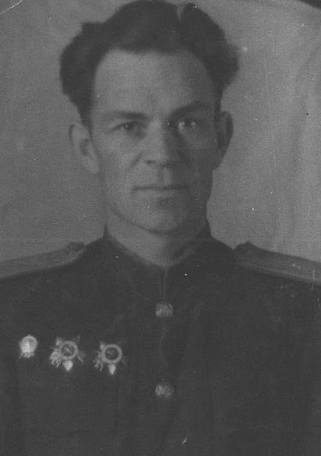


Episkoposov Gurgen Matveevich
Rank: Lieutenant. Corps: Artillery. My grandfather – Bishoposov Gurgen Matveyevich, was born on January 15, 1922 in the village of Kushchi in the Khanlar district of the Azerbaijan SSR. Nationality: Armenian. He graduated from the ten-year secondary school in Tbilisi in 1938. After school, he came to Moscow to enter the University. In Moscow he met my future grandmother. In 1940, on November 25, their son, my father, was born. After the beginning of the war in July 1941, he was drafted into the Red Army and sent to the artillery school. He began to fight in March 1942 after an accelerated graduation from school as a commander of a fire platoon with the rank of Lieutenant. He fought on the front line all through the war. He was wounded and concussed, but after being cured in hospitals, he returned to the ranks. He passed the battle path from Moscow to Germany. For courage and heroism in the battles with the Nazis, skilful leadership of his units-a battery of 76-mm guns, the destroying of enemy personnel and equipment, he was awarded of government awards: - the Order of Alexander Nevsky, - the Order of the Red Star, - the medal "For the Capture of Konigsberg". Fighting since November 1944 as part of the 1st Belorussian front, and since March 1945 as part of the 2nd Belorussian front, he was awarded of commendations by order of the Supreme Commander-in-Chief Stalin: - 27.01.1945 for personal participation in the breakthrough of a powerful long-term defense in the area of the Masurian lakes; - 07.03.1945 for excellent combat actions to capture of Stargrad; - 12.03.1945 for excellent combat actions to capture of Tchev. Remembering the days of fighting, my grandfather told my father, and he told me, one episode from his combat life: "Fighting on the base-area of the Curonian spit in the area of East Prussia, my foreman I. Arkhipov and I found ourselves in a critical situation: during the battle, almost all my soldiers were killed and almost all the guns were broken. German tanks were moving towards us. The panorama was broken on the remaining main gun. I ordered Arkhipov (he was an unusually strong man physically) to take hold of the gun frame and turn the guns left and right. I aimed the gun through the barrel. During the battle, we knocked out several tanks. We would, of course, be in trouble, but then our infantry and tanks arrived. The German tanks turned back." For this fight, my grandfather was awarded of the order of Alexander Nevsky. He was awarded of the medal "For the Victory over Germany in the Great Patriotic war of 1941-1945". He finished the war in Eastern Pomerania with the rank of Captain and the position of Deputy chief of staff of an artillery regiment. He was discharged in 1947. In 1950, he graduated from the VZYUSH (higher correspondence law school) of the Ministry of justice of the RSFSR with honors. He was sent to work in the Prosecutor's office of the Moscow region. In 1953, he was repressed under the infamous article 58. He was sentenced to 10 years in prison camps. In 1955, he was released from prison. His case was reviewed and dismissed for the absence of elements of a crime in his actions. In 1996, he was rehabilitated by the Presidium of the Supreme court of the USSR. After his release, he worked as a senior laboratory assistant in the Department of flaw detection at the Research Institute of Automotive Industry, and as a record keeper in the Podolsk archive of the USSR Ministry of Defense. Working in the archive, my grandfather found award documents about awarding him of the order of the Patriotic war 2nd Class. For unknown reasons, the award did not take place. Being a modest person, my grandfather did not inform the archive management about the award. He retired in 1982. Old wounds and contusions caught up with the warrior and on January 18, 1988, the grandfather passed away. He was buried on the territory of the old crematorium (Donskoy monastery) in Moscow. The family keeps all the award documents of the grandfather.
Episkoposov Gurgen Matveevich
Rank: Lieutenant. Corps: Artillery. My grandfather – Bishoposov Gurgen Matveyevich, was born on January 15, 1922 in the village of Kushchi in the Khanlar district of the Azerbaijan SSR. Nationality: Armenian. He graduated from the ten-year secondary school in Tbilisi in 1938. After school, he came to Moscow to enter the University. In Moscow he met my future grandmother. In 1940, on November 25, their son, my father, was born. After the beginning of the war in July 1941, he was drafted into the Red Army and sent to the artillery school. He began to fight in March 1942 after an accelerated graduation from school as a commander of a fire platoon with the rank of Lieutenant. He fought on the front line all through the war. He was wounded and concussed, but after being cured in hospitals, he returned to the ranks. He passed the battle path from Moscow to Germany. For courage and heroism in the battles with the Nazis, skilful leadership of his units-a battery of 76-mm guns, the destroying of enemy personnel and equipment, he was awarded of government awards: - the Order of Alexander Nevsky, - the Order of the Red Star, - the medal "For the Capture of Konigsberg". Fighting since November 1944 as part of the 1st Belorussian front, and since March 1945 as part of the 2nd Belorussian front, he was awarded of commendations by order of the Supreme Commander-in-Chief Stalin: - 27.01.1945 for personal participation in the breakthrough of a powerful long-term defense in the area of the Masurian lakes; - 07.03.1945 for excellent combat actions to capture of Stargrad; - 12.03.1945 for excellent combat actions to capture of Tchev. Remembering the days of fighting, my grandfather told my father, and he told me, one episode from his combat life: "Fighting on the base-area of the Curonian spit in the area of East Prussia, my foreman I. Arkhipov and I found ourselves in a critical situation: during the battle, almost all my soldiers were killed and almost all the guns were broken. German tanks were moving towards us. The panorama was broken on the remaining main gun. I ordered Arkhipov (he was an unusually strong man physically) to take hold of the gun frame and turn the guns left and right. I aimed the gun through the barrel. During the battle, we knocked out several tanks. We would, of course, be in trouble, but then our infantry and tanks arrived. The German tanks turned back." For this fight, my grandfather was awarded of the order of Alexander Nevsky. He was awarded of the medal "For the Victory over Germany in the Great Patriotic war of 1941-1945". He finished the war in Eastern Pomerania with the rank of Captain and the position of Deputy chief of staff of an artillery regiment. He was discharged in 1947. In 1950, he graduated from the VZYUSH (higher correspondence law school) of the Ministry of justice of the RSFSR with honors. He was sent to work in the Prosecutor's office of the Moscow region. In 1953, he was repressed under the infamous article 58. He was sentenced to 10 years in prison camps. In 1955, he was released from prison. His case was reviewed and dismissed for the absence of elements of a crime in his actions. In 1996, he was rehabilitated by the Presidium of the Supreme court of the USSR. After his release, he worked as a senior laboratory assistant in the Department of flaw detection at the Research Institute of Automotive Industry, and as a record keeper in the Podolsk archive of the USSR Ministry of Defense. Working in the archive, my grandfather found award documents about awarding him of the order of the Patriotic war 2nd Class. For unknown reasons, the award did not take place. Being a modest person, my grandfather did not inform the archive management about the award. He retired in 1982. Old wounds and contusions caught up with the warrior and on January 18, 1988, the grandfather passed away. He was buried on the territory of the old crematorium (Donskoy monastery) in Moscow. The family keeps all the award documents of the grandfather.
0 comment




2026 © Russian Military Historical Society Developed by Jetmix