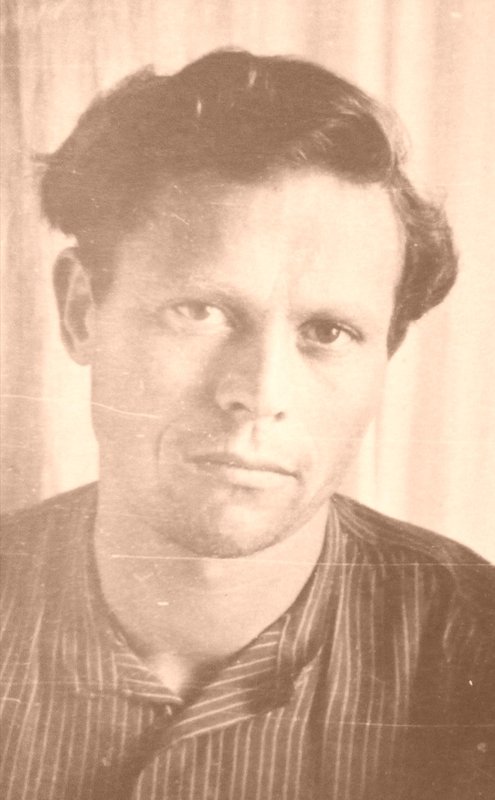
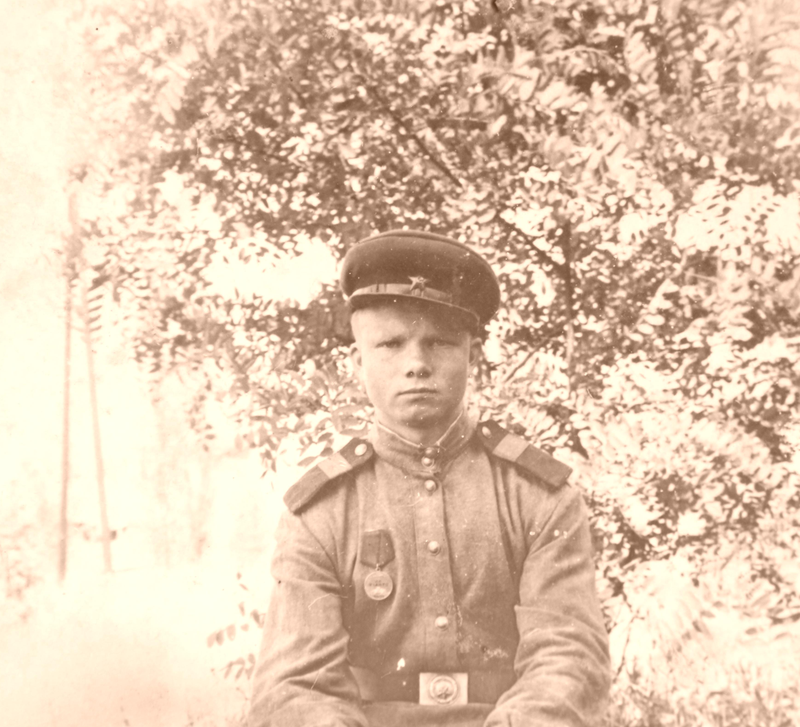
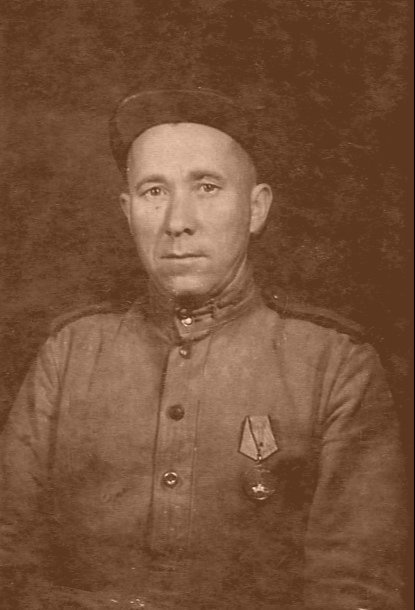
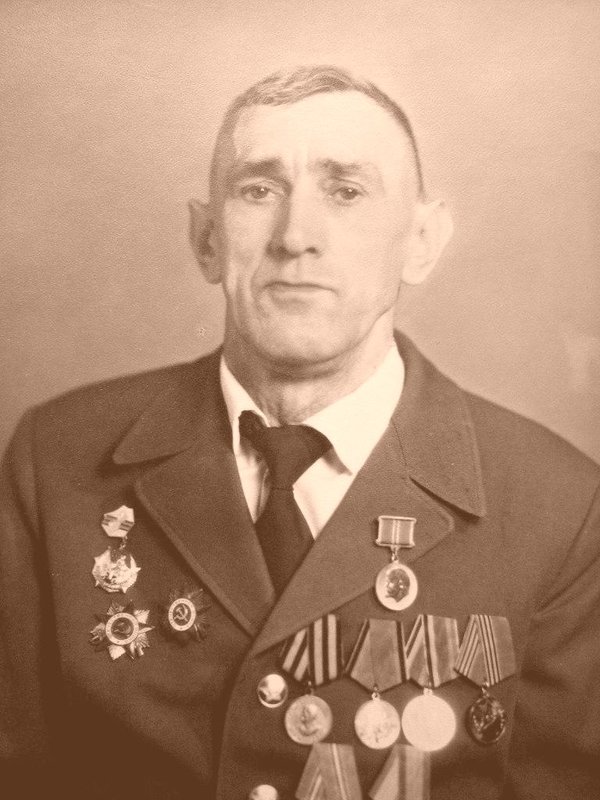
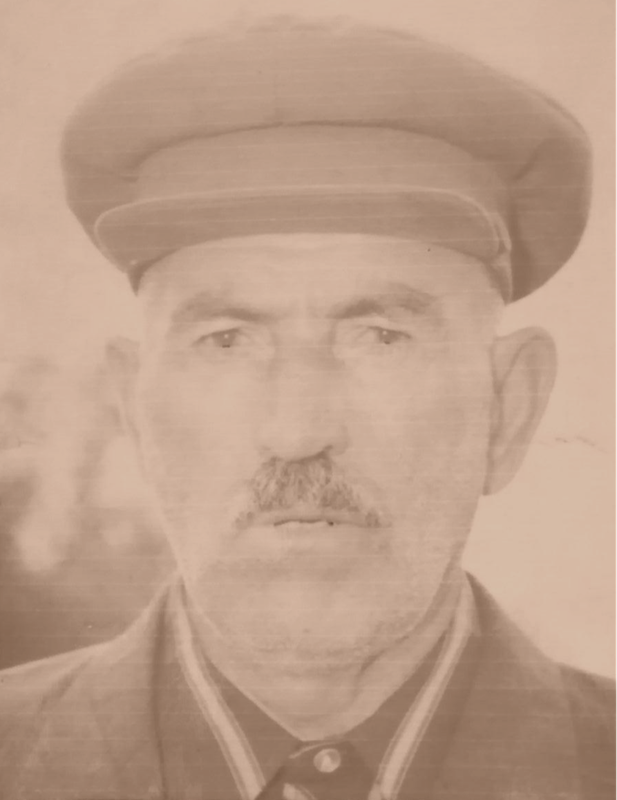
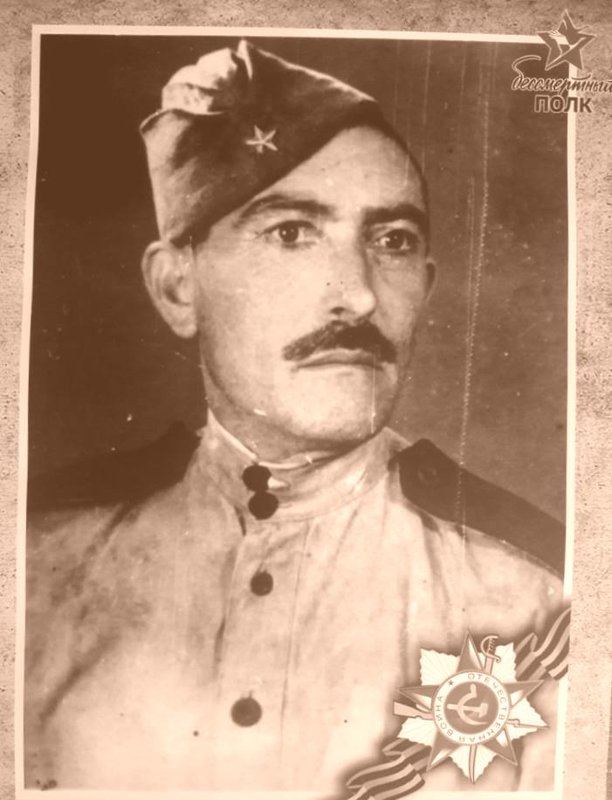
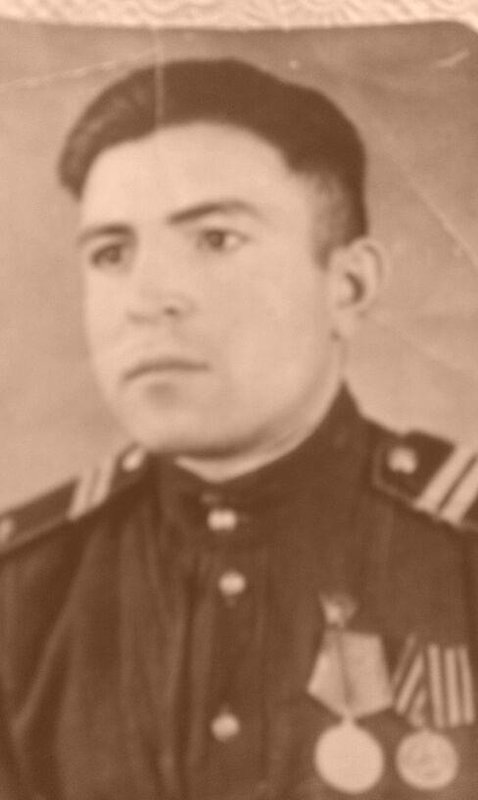
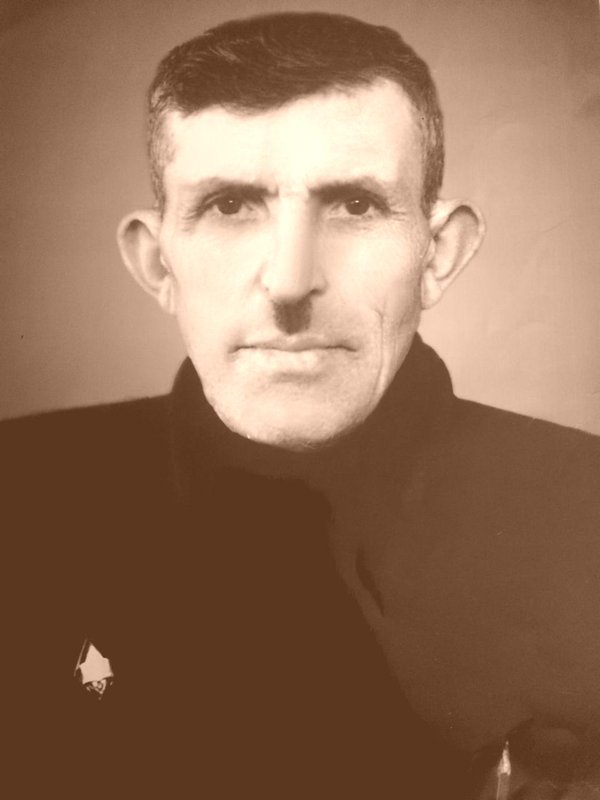
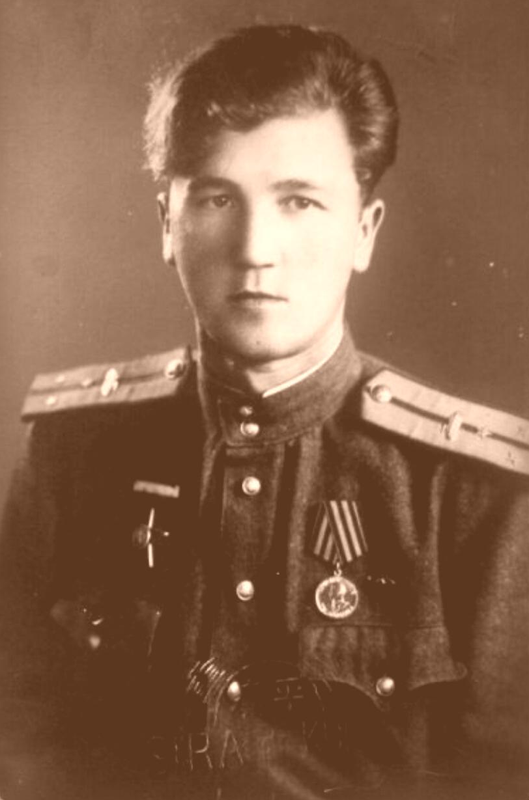
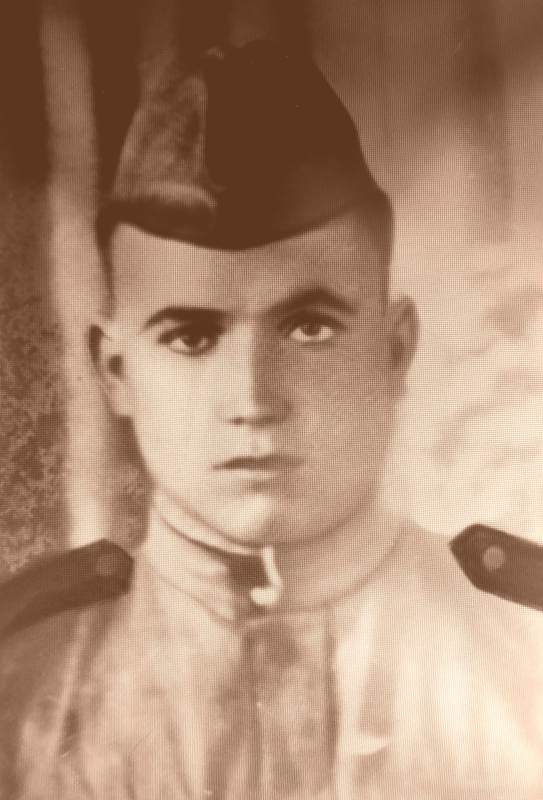
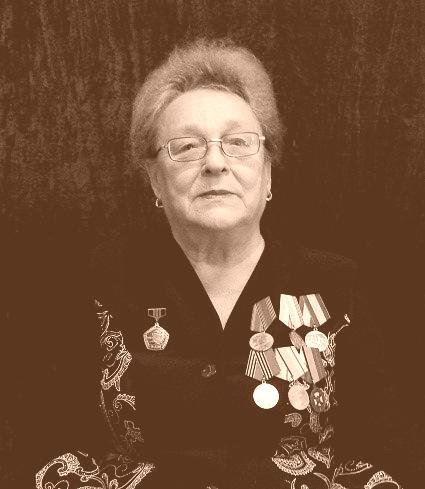
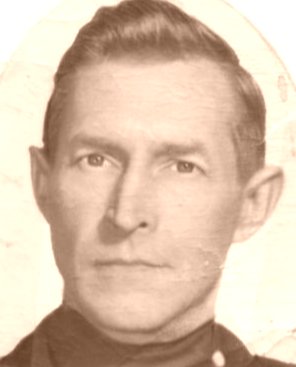
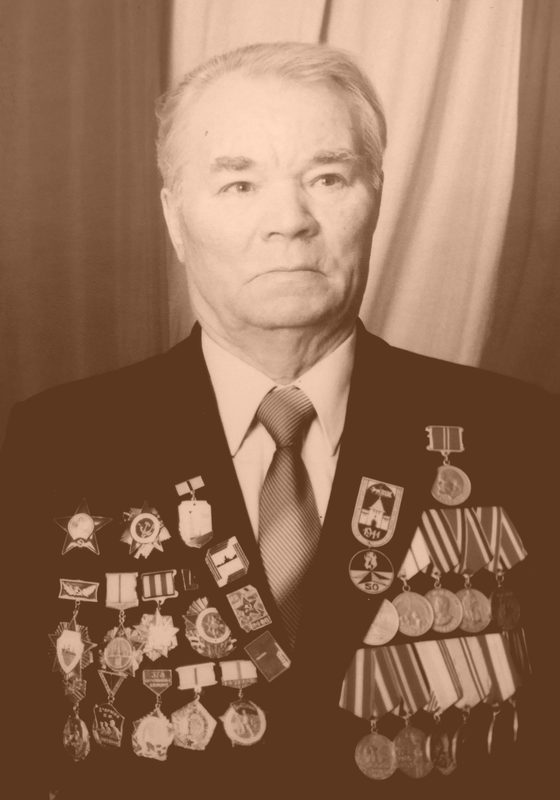
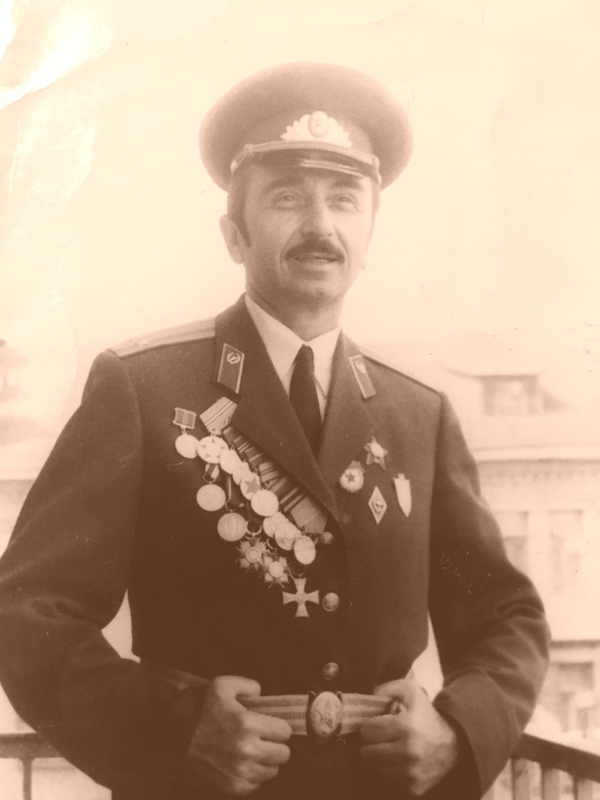
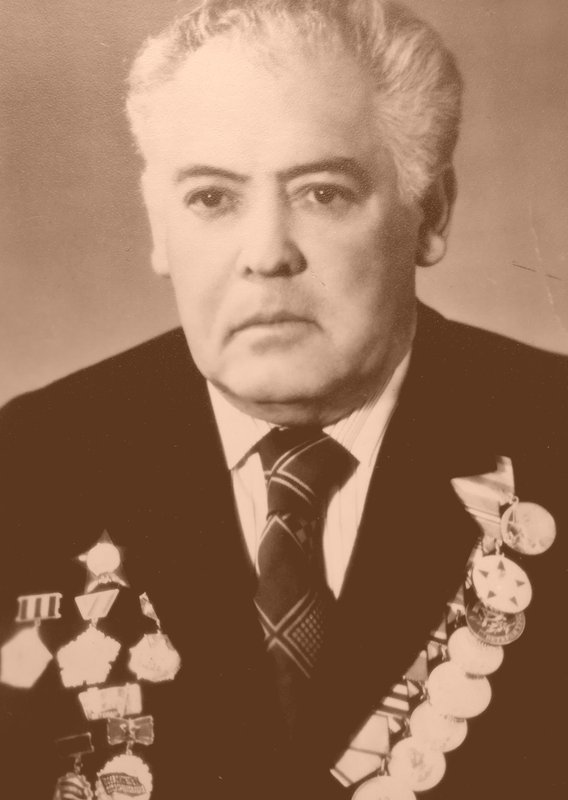
Starikov Alexey Fedorovich
Born into a peasant family in the Chkalovsk region (now Orenburg) in 1923. Father Starikov Fyodor Fyodorovich (? - 1943). Starikov's mother Maria Vasilievna (02/20/1905 - 03/23/1997). Brother Starikov Fyodor Fyodorovich (1925-2000). In the hungry year of 1933, the family moved to the Uzbek SSR, Bukhara region, the village of Yakkabag, where Aleksey Fedorovich spent his childhood. In 1942, at the age of 19, Aleksey volunteered for the front, having entered the infantry school in the city of Grozny, then, without completing his studies, he was sent to defend the tractor plant in the city of Stalingrad (now Volgograd). Then he fought as part of the 1314th Rifle Corps, 17th Rifle Division, 50th Army of the Western Front in the battles at the Kursk Bulge. He was awarded the medal "For Military Merit". After, as part of the 17th Rifle Division of the 48th Army of the Belorussian Front, he commanded a reconnaissance squad, then a machine-gun squad. At the beginning of 1944, the troops of the front were conducting local operations in Belarus. On February 21-26, the troops of the front's right wing carried out the Rogachev-Zhlobin operation and, seizing a bridgehead on the right bank of the Dnieper, liberated Rogachev. On February 28, 1944, he was awarded the Order of Glory III degree for the battle for the village of Sosnovka (Belarus). During the Byelorussian strategic operation on June 24-29, 1944, the front's troops carried out the Bobruisk operation, as a result of which they surrounded and destroyed more than 6 enemy divisions. From June 29 to July 4, the 1st Belorussian Front, with part of its forces, participated in the Minsk operation. From July 18 to August 2, front troops conducted the Lublin-Brest operation, during which they forced the Vistula, captured the Magnushevsky and Pulawsky bridgeheads on its left bank, and liberated the cities of Brest, Sedlec, and Lublin. In August - December, the front's troops fought to maintain and expand bridgeheads on the Vistula (Magnushevsky bridgehead) and Nareva (Serotsky bridgehead, Ruzhansky bridgehead), preparing for the winter offensive. From January 14 to February 3, 1945, participating in the Vistula-Oder strategic operation, they conducted the Warsaw-Poznan operation and, having liberated the central part of Poland with Warsaw, reached the Oder, capturing a bridgehead on the left bank of the river north and south of Kustrin. February 10 - April 4, the troops of the right wing of the front, participating in the East Pomeranian strategic operation, liberated the northern part of Poland. At the same time, hostilities were conducted to maintain and expand the bridgeheads on the Oder. In April, at the beginning of the Berlin strategic operation, reaching Germany, Alexei Fedorovich was seriously wounded and was taken to the hospital. After undergoing treatment, returned home. In total, during the war, he received 2 concussions (1 light and 1 heavy), 5 wounds (3 heavy and 2 light). Forever in the area of the kidney there was a fragment from a mine, measuring 1 cm by 3 mm. There was a 14 cm scar on the right hand, the muscle part was damaged, the palm did not bend completely. Stalingrad, Kursk Bulge, Belarus, Poland. Medal for Military Merit. From the awarding order: "On July 28, 1943, fulfilling the combat mission of the division commander - reconnaissance of the enemy's front line in combat, he acted boldly and decisively, broke into the enemy trench first, destroyed the enemy machine gun, thereby ensuring the fulfillment of the task." Order of Glory III degree. From the order of awarding: “Sergeant Starikov A.F. in the battle for the village of Sosnovka, advancing in the combat formations of a rifle company, he supported its offensive with heavy machine gun fire. He was the first to break into the enemy's trenches, suppressed a German heavy machine gun, destroyed his crew and more than 10 Hitlerites, was brave, enduring, and skillfully leads a squad in battle. " After being seriously wounded in 1945, after spending 9 months in the hospital, Alexey returned home. In 1946 he married Ishchenko Efrosinya Ivanovna, with whom he studied in the same class. In 1947, in a hungry year, they had a son, Valery Starikov, was born very thin, because it was very difficult with food. Alexei worked as an inspector in a bank, traveled to collective farms so that his wife and son would not starve to death, brought them one flat cake a day, overcoming every day 18 km of the way to the house and back. Since 1948, Alexey worked at school, taught military affairs. In 1950 he and his wife had a daughter, Nadezhda Starikova. In the 1960s, Aleksey began working as a graphic designer. In July 1980, the family moved to Ukraine, to the city of Krasnoarmeysk, Donetsk region. At the age of 55, Aleksey Fedorovich retired, but continued to work as an artist. Efrosinya Ivanovna during the war and after worked at the post office. The son of Valery and his wife Svetlana had five children: Svetlana (1970), Natalia (1971), Eugene (1978), Alexey (1984) and Julia (1987). Alexey Fedorovich was very hardworking. He died in 2004 at the age of 81.