Back to
album
album
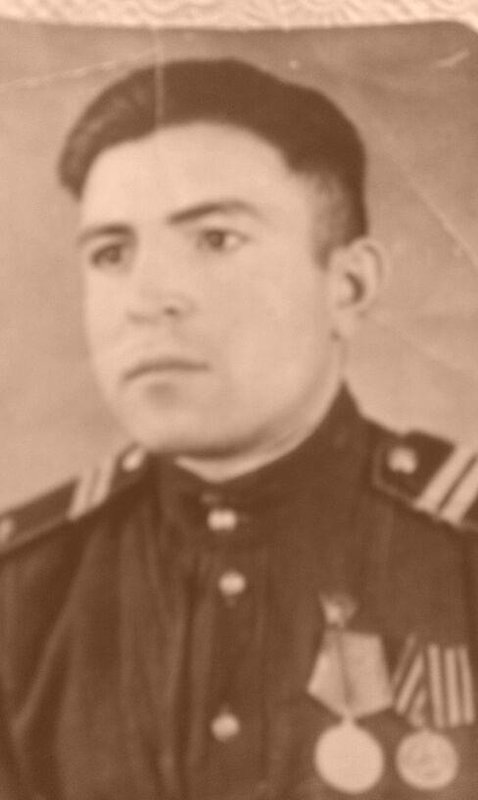
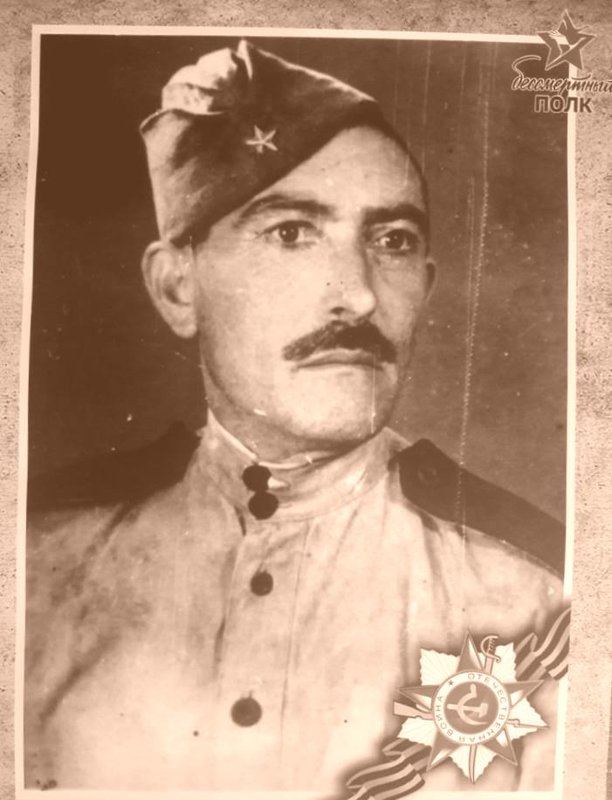
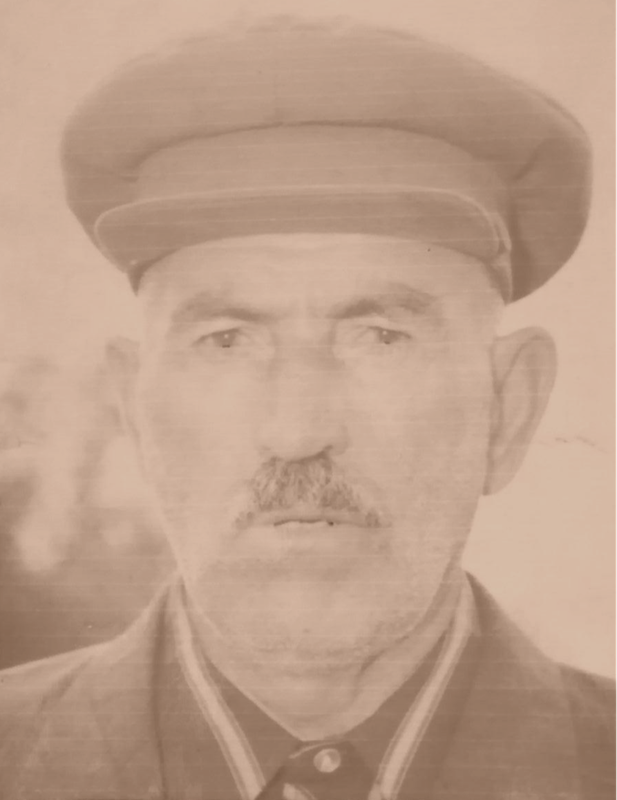
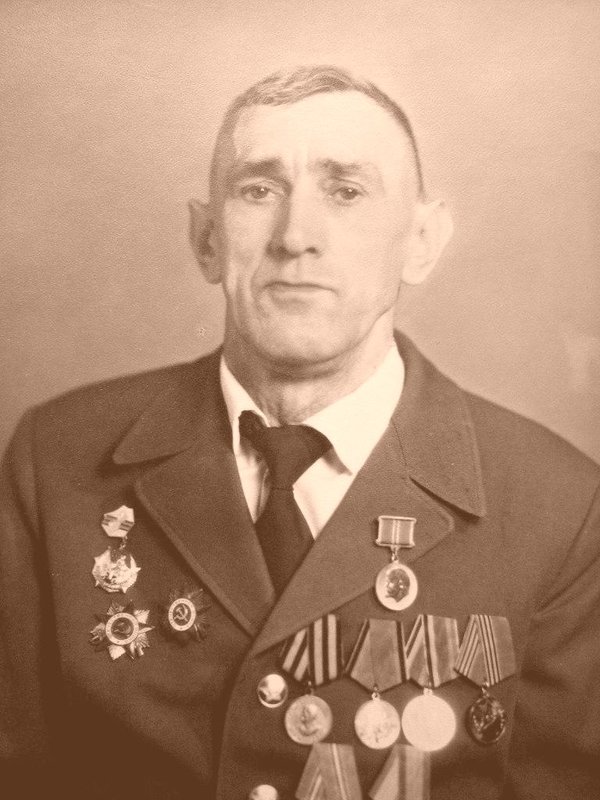
Sannikov Klim Dmitrievich
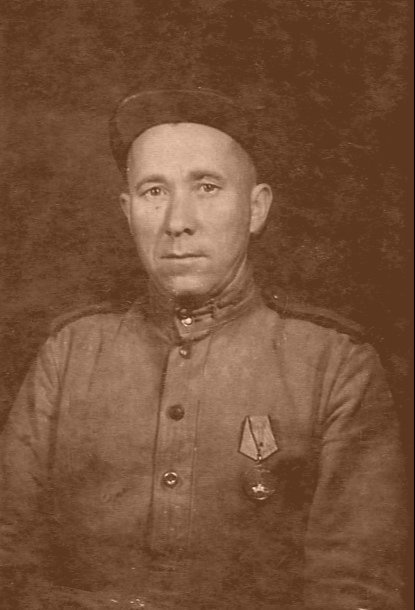
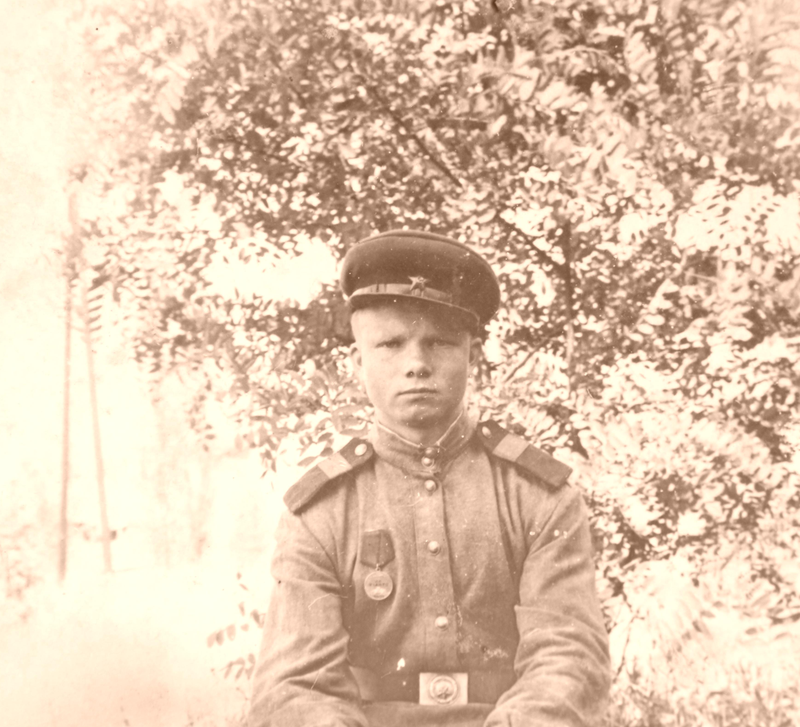
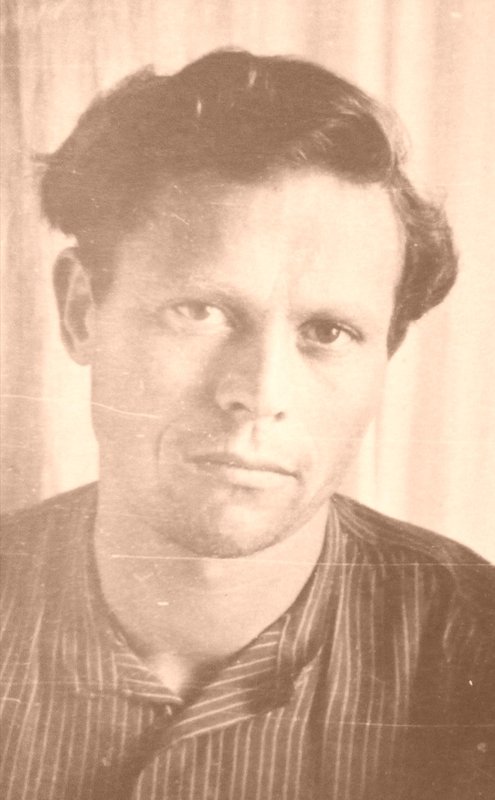
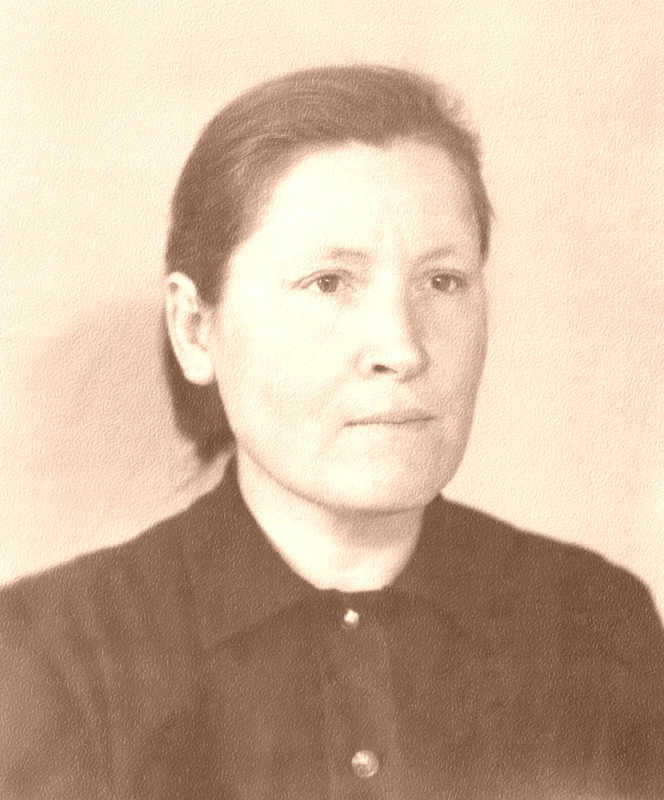
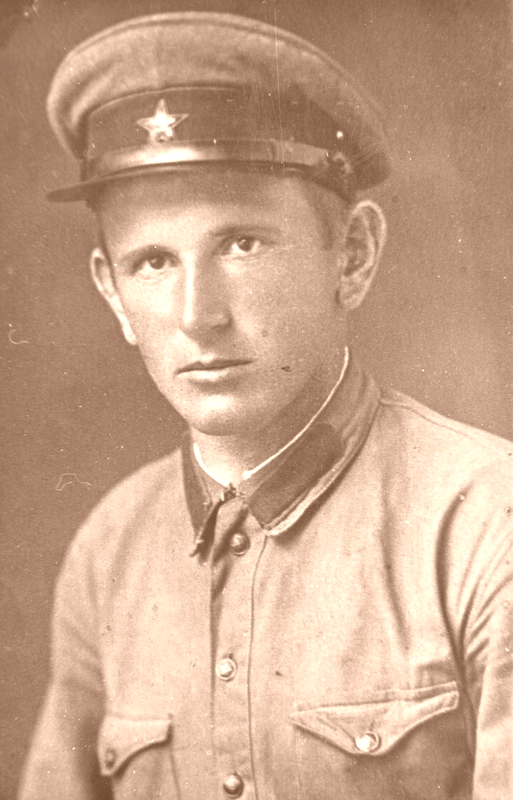
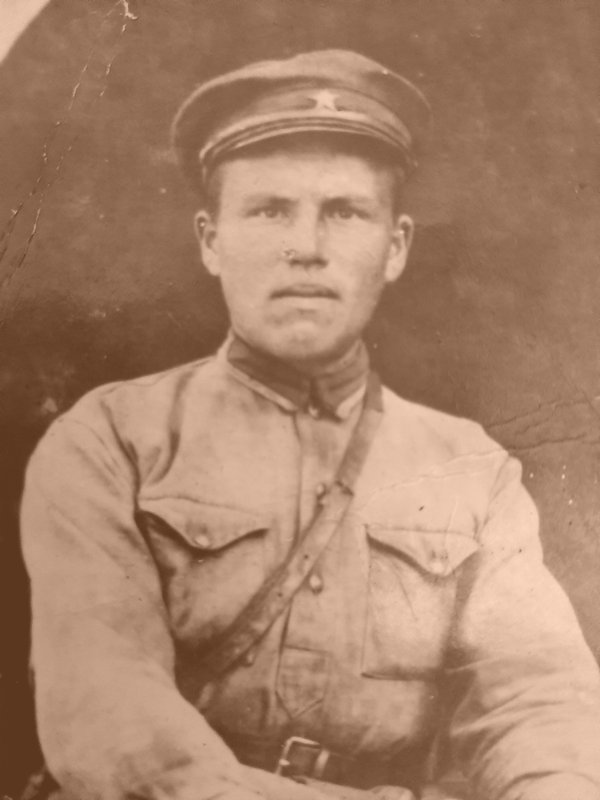
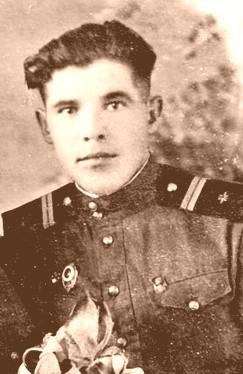
Klim was born to the family of Old Believers Dmitry Pavlovich and Varvara Dmitrievna in the village Bakaly of the Bashkir ASSR. In childhood, his family was dispossessed. The father managed to escape, and the mother, along with numerous children, lived in the baths of fellow villagers who took pity on her. All clothes and property were taken away and no work was given. Klim tended cattle and ate what the owners of the cows gave. After a while, everything was settled, the house was returned, and Klim, like all the other children, was able to study at school. His disposition was mischievous and hooligan, all the girls were afraid of his jokes. The war has come. It is known that the Old Believer faith does not allow killing other people. But Klim, as soon as he was 18 years old in December 1943, went to the army. He was first sent to study as a cook, and he took the oath to the school. After excellent studies, he went to the front line as a cook. During the service it was difficult, more than once he came under fire and ended up behind enemy lines along with his kitchen. A soldier's proverb says "You can postpone a war,but never a lunch." Food was prepared on the go and even during the battle. The driving force was mainly the horse. The cook himself procured water and wood for the stove. Firewood was always damp and so they used kerosene to light it up. So a cook without eyebrows, but with guns brandished is a common thing. Everything edible was used for food, that which could be obtained and was due in allowance. Killed a horse, so there will be horse meat for dinner. Since the soldiers were from multinational republics and different religions, sometimes they had to be cunning, for example, Muslims told pork that it was a goat. I learned to cook both Uzbek pilaf and Ukrainian borscht. Many times there were situations when the field kitchen was attacked by the Germans. So once the Germans were so carried away by the pursuit of the kitchen that they found themselves in the disposition of our troops. In the company, as it turned out, the commander was killed, and Klim, turning around, led the soldiers into battle and won the victory. For this he was thanked. Another time, on the river Odr, having left to collect water for the kitchen, Klim saw a group of German soldiers. And in the process of an unequal battle, he managed to capture a German corporal, deliver him alive to the location of our unit. For this feat, he was awarded the Medal of Courage in February 1945. As it is written in the presentation, after all this, he also "fed the soldiers a delicious dinner." Children born in 1926 were called cannon fodder. The survival rate was extremely low. They were young 18-20 year old guys with a warm heart, without any experience, rushed into battle with determination and died one after another. In the battles, Klim was wounded. During the shelling, he was concussed and almost completely covered with earth, only his hand remained on the surface. They found him on this protruding hand, dug him up and sent him to the hospital. Klim's dream of becoming a tanker could not come true for health reasons, but he managed to become a driver of a self-propelled vehicle (self-propelled gun). And he met the end of the war in Berlin as part of the 222nd 33 A of the 1st Belorussian Front. 33 Army, 43 separate self-propelled artillery battalion. After demobilization, he went to Riga for peat extraction where he met his wife Varvara Karpovna Dubenkova (a war veteran, originally from the Smolensk region) and their daughter was born. Then he went home to Bashkiria, where he was reunited with his father's family. He worked as a driver, and then as head of mechanical workshop in an oil organization. For some time he lived in the village of Oktyabrsky and built a house there. Then he lived in the r.p. Dyurtyuli. Because of wounds and heart problems, my grandfather did not become early, he died at the age of 47, was buried on a mountain in Dyurtyuli. Nobody has visited the grave for 30 years, and its location is unknown.
Sannikov Klim Dmitrievich
Klim was born to the family of Old Believers Dmitry Pavlovich and Varvara Dmitrievna in the village Bakaly of the Bashkir ASSR. In childhood, his family was dispossessed. The father managed to escape, and the mother, along with numerous children, lived in the baths of fellow villagers who took pity on her. All clothes and property were taken away and no work was given. Klim tended cattle and ate what the owners of the cows gave. After a while, everything was settled, the house was returned, and Klim, like all the other children, was able to study at school. His disposition was mischievous and hooligan, all the girls were afraid of his jokes. The war has come. It is known that the Old Believer faith does not allow killing other people. But Klim, as soon as he was 18 years old in December 1943, went to the army. He was first sent to study as a cook, and he took the oath to the school. After excellent studies, he went to the front line as a cook. During the service it was difficult, more than once he came under fire and ended up behind enemy lines along with his kitchen. A soldier's proverb says "You can postpone a war,but never a lunch." Food was prepared on the go and even during the battle. The driving force was mainly the horse. The cook himself procured water and wood for the stove. Firewood was always damp and so they used kerosene to light it up. So a cook without eyebrows, but with guns brandished is a common thing. Everything edible was used for food, that which could be obtained and was due in allowance. Killed a horse, so there will be horse meat for dinner. Since the soldiers were from multinational republics and different religions, sometimes they had to be cunning, for example, Muslims told pork that it was a goat. I learned to cook both Uzbek pilaf and Ukrainian borscht. Many times there were situations when the field kitchen was attacked by the Germans. So once the Germans were so carried away by the pursuit of the kitchen that they found themselves in the disposition of our troops. In the company, as it turned out, the commander was killed, and Klim, turning around, led the soldiers into battle and won the victory. For this he was thanked. Another time, on the river Odr, having left to collect water for the kitchen, Klim saw a group of German soldiers. And in the process of an unequal battle, he managed to capture a German corporal, deliver him alive to the location of our unit. For this feat, he was awarded the Medal of Courage in February 1945. As it is written in the presentation, after all this, he also "fed the soldiers a delicious dinner." Children born in 1926 were called cannon fodder. The survival rate was extremely low. They were young 18-20 year old guys with a warm heart, without any experience, rushed into battle with determination and died one after another. In the battles, Klim was wounded. During the shelling, he was concussed and almost completely covered with earth, only his hand remained on the surface. They found him on this protruding hand, dug him up and sent him to the hospital. Klim's dream of becoming a tanker could not come true for health reasons, but he managed to become a driver of a self-propelled vehicle (self-propelled gun). And he met the end of the war in Berlin as part of the 222nd 33 A of the 1st Belorussian Front. 33 Army, 43 separate self-propelled artillery battalion. After demobilization, he went to Riga for peat extraction where he met his wife Varvara Karpovna Dubenkova (a war veteran, originally from the Smolensk region) and their daughter was born. Then he went home to Bashkiria, where he was reunited with his father's family. He worked as a driver, and then as head of mechanical workshop in an oil organization. For some time he lived in the village of Oktyabrsky and built a house there. Then he lived in the r.p. Dyurtyuli. Because of wounds and heart problems, my grandfather did not become early, he died at the age of 47, was buried on a mountain in Dyurtyuli. Nobody has visited the grave for 30 years, and its location is unknown.
0 comment




2026 © Russian Military Historical Society Developed by Jetmix