Back to
album
album
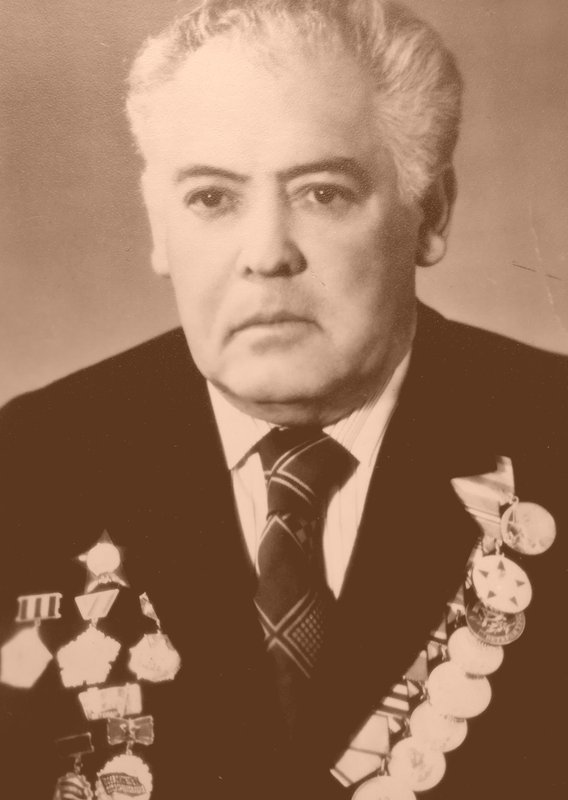
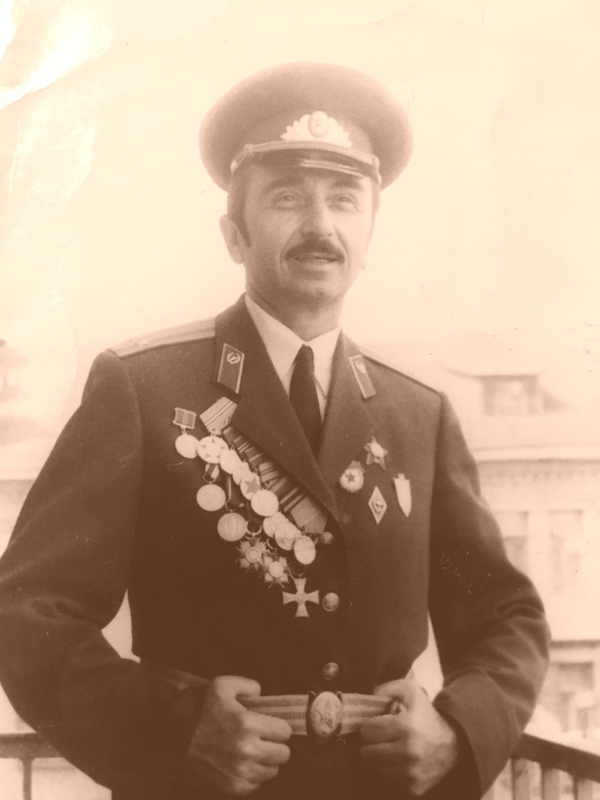
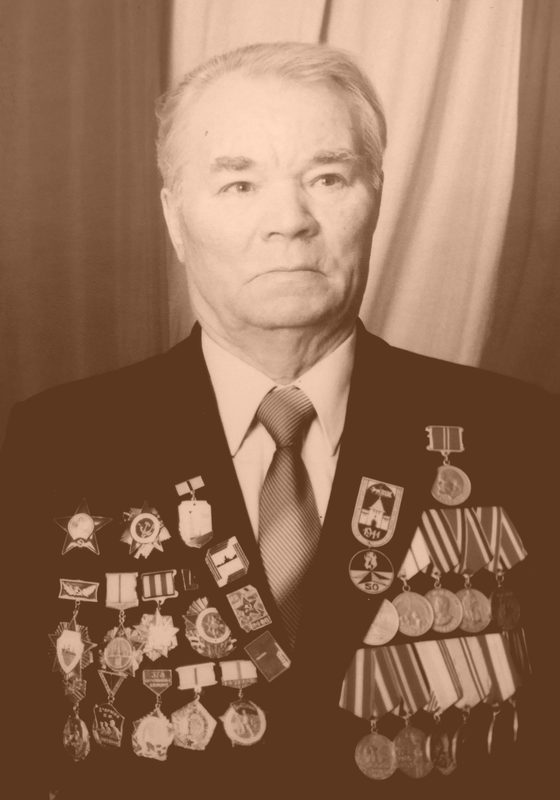
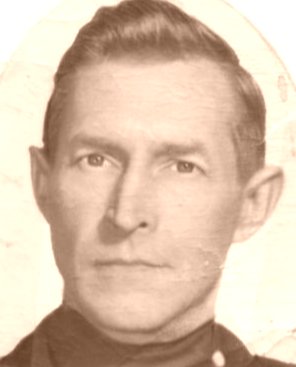
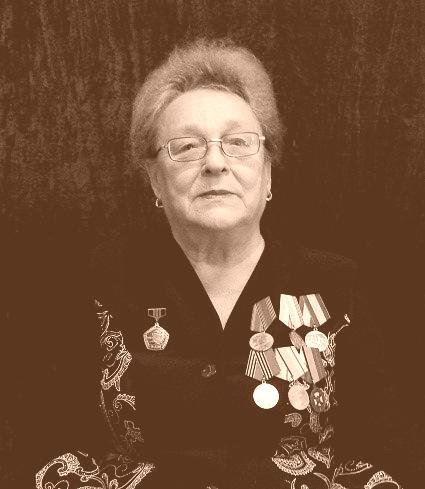
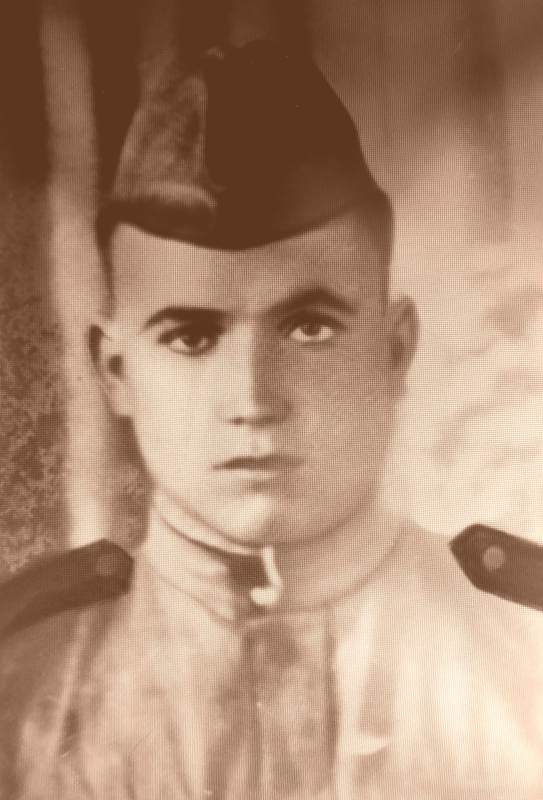
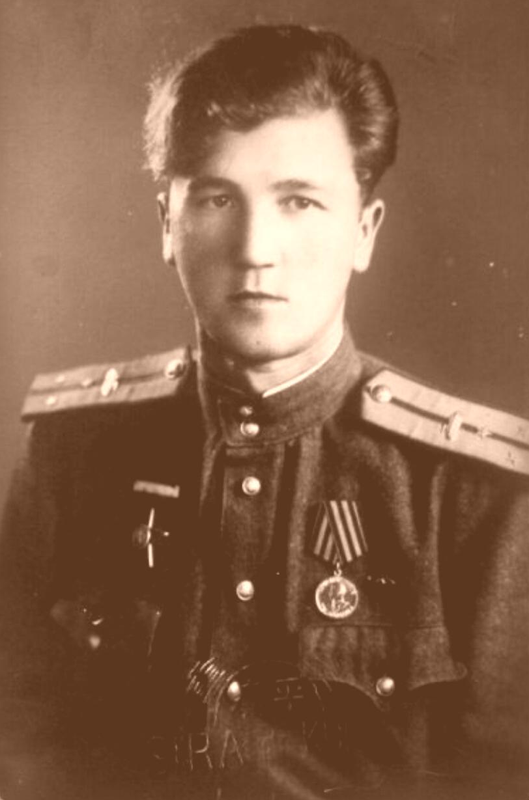
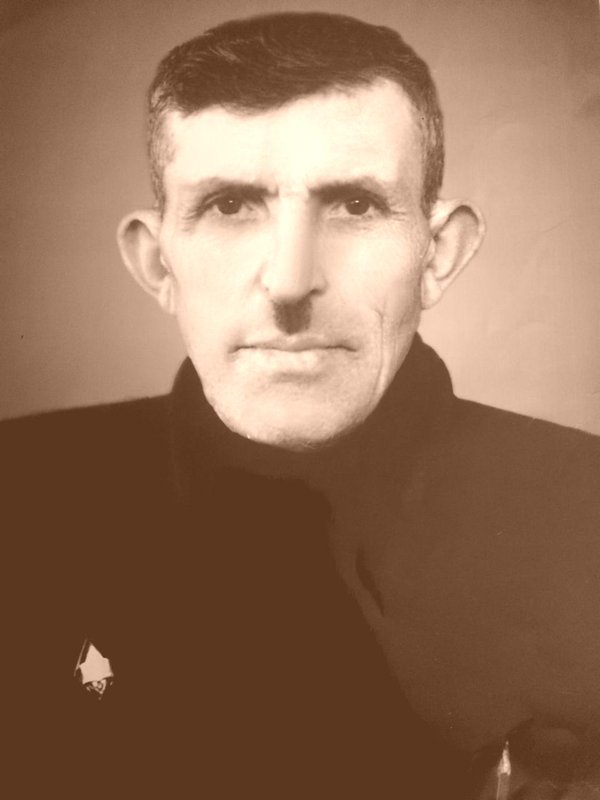
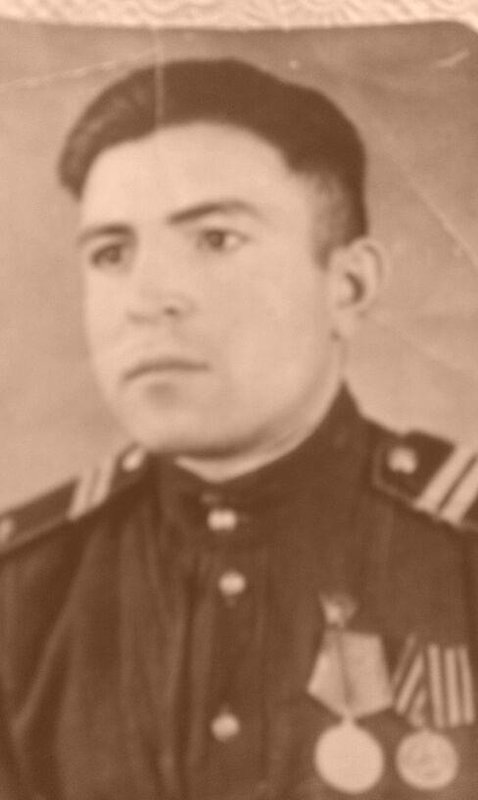
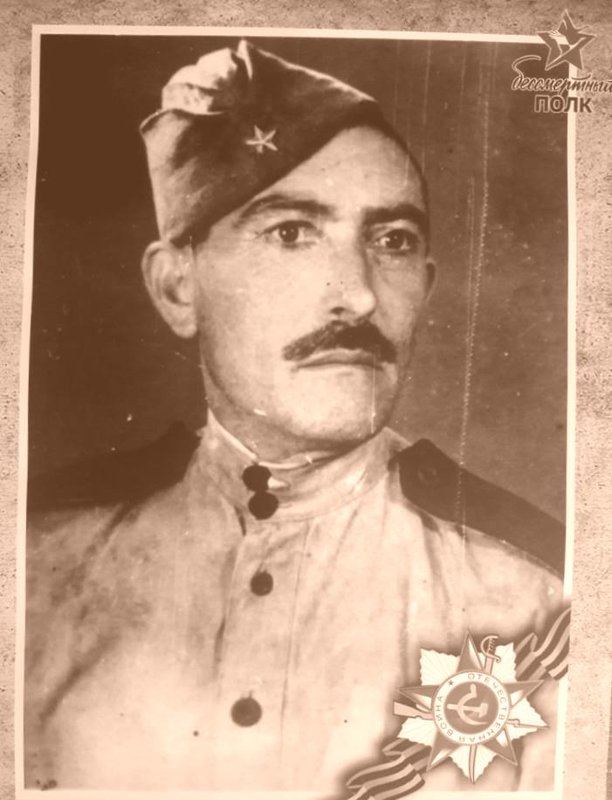
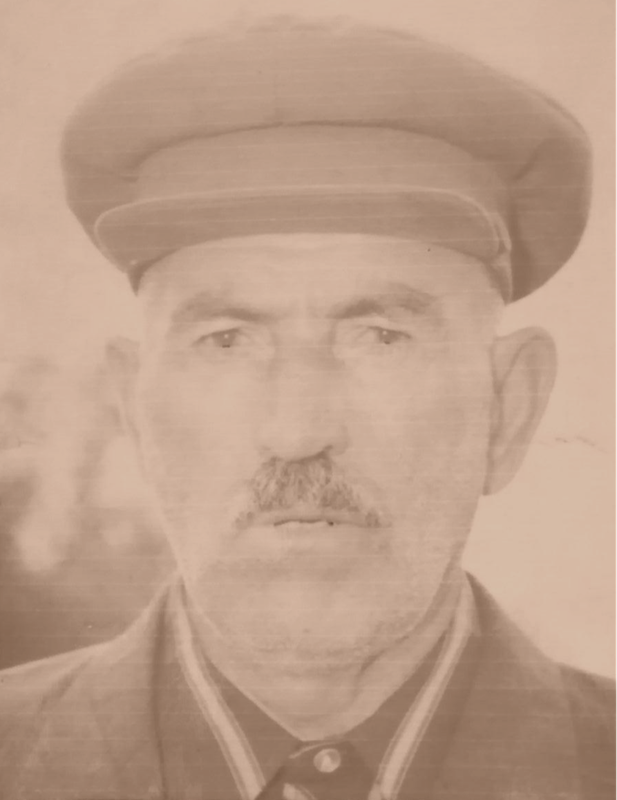
Tululya Vasily Grigorievich
At the beginning of his military career, Vasily Grigorievich fought as part of the 50th separate ski brigade, which at that time was carrying out combat missions in the city of Maloyaroslavets, Kaluga region. At that time, the brigade consisted of about 5 thousand fighters. From the memoirs of Vasily Grigorievich: “For camouflage purposes, the soldiers were forbidden to make noise, light fires and smoke. Due to the lack of an opportunity to warm up in the harsh winter conditions, many fighters received frostbite. In one of the battles our brigade was taken by the Germans into a “ring”, from which only 52 fighters managed to get out alive. " After defeats in fierce battles, the 50th Separate Ski Brigade was disbanded. Vasily Grigorievich was sent to the city of Kozelsk, Kaluga region, where he was enrolled in a mortar brigade. From the memoirs of Vasily Grigorievich: “The guns (mortars) had to be moved with the help of skis, sleighs and horses, it happened that the soldiers themselves pulled the guns. Then our brigade made long campaigns behind enemy lines. " In July 1943, Vasily Grigorievich took part in the Battle of Kursk, which is considered one of the key battles of World War II and the Great Patriotic War. From the memoirs of Vasily Grigorievich: “The battles were terrible: the deafening noise of guns, the roar of engines of tanks, aircraft, the howl of exploding mines - many of the fighters could not stand their nerves, their ear membranes burst. The area was literally strewn with the bodies of our dead soldiers and Germans, everywhere there was equipment scattered with mines: tanks, mortars. The hot summer period contributed to the spread of the eerie smell of decomposing dead bodies. The funeral teams did not have time to collect the bodies of the dead fighters between battles. I remember how we were given a 3-day food ration before the battle. We all understood then that this day could be the last for each of us, besides, the supply of food to the front was very poor, the soldiers were practically starving. In general, we then dealt with the 3-day ration in one fell swoop, put on the clean clothes given to us the day before ... ”From the battles that took place on July 11 and 12, 1943 on the Kursk Bulge, as a result of an attack by German aviation, from two batteries, consisting of out of six mortar crews each, only 11 soldiers survived: 8 people - from one and 3 people - from the second battery, including Vasily Grigorievich. Despite the huge losses of the Soviet Army in the battles on the Kursk Bulge, the defensive operation turned into active offensive operations and the Germans were driven back to Kharkov. For participation in the Battle of Kursk, Vasily Grigorievich was awarded the medal "For Courage". There he received a bullet wound in the leg. After the Battle of Kursk, the remnants of the mortar brigade, in which Vasily Grigorievich fought, were transferred to Moscow, and then became part of the Belorussian Front. From the fall of 1943 to the fall of 1944, Vasily Grigorievich participated in the liberation of Belarus from the Germans. From the memoirs of Vasily Grigorievich: "The lands in Belarus were swamp, it was impossible to dig a dugout: there was already water for 2 bayonets of a shovel." In late 1944 - early 1945, Vasily Grigorievich took part in the liberation of the countries of Eastern Europe (Latvia, Poland) and Germany from the German occupation. Until August 1945 he served in Germany. With the rank of sergeant in 1947, he was demobilized and returned home, to his native land, where his relatives and friends were waiting for him. After the war he lived most of his life in the village of Kalinovka, Partizansky District, Krasnoyarsk Territory, worked on the collective farm named after Lenin. He was a hardworking, fair person, brought up four children. He rarely spoke about the moments spent in the war. Our hero passed away in October 2011 ... But his great feat, like the feat of millions of Soviet people, will never disappear from the memory of our ancestors!
Tululya Vasily Grigorievich
At the beginning of his military career, Vasily Grigorievich fought as part of the 50th separate ski brigade, which at that time was carrying out combat missions in the city of Maloyaroslavets, Kaluga region. At that time, the brigade consisted of about 5 thousand fighters. From the memoirs of Vasily Grigorievich: “For camouflage purposes, the soldiers were forbidden to make noise, light fires and smoke. Due to the lack of an opportunity to warm up in the harsh winter conditions, many fighters received frostbite. In one of the battles our brigade was taken by the Germans into a “ring”, from which only 52 fighters managed to get out alive. " After defeats in fierce battles, the 50th Separate Ski Brigade was disbanded. Vasily Grigorievich was sent to the city of Kozelsk, Kaluga region, where he was enrolled in a mortar brigade. From the memoirs of Vasily Grigorievich: “The guns (mortars) had to be moved with the help of skis, sleighs and horses, it happened that the soldiers themselves pulled the guns. Then our brigade made long campaigns behind enemy lines. " In July 1943, Vasily Grigorievich took part in the Battle of Kursk, which is considered one of the key battles of World War II and the Great Patriotic War. From the memoirs of Vasily Grigorievich: “The battles were terrible: the deafening noise of guns, the roar of engines of tanks, aircraft, the howl of exploding mines - many of the fighters could not stand their nerves, their ear membranes burst. The area was literally strewn with the bodies of our dead soldiers and Germans, everywhere there was equipment scattered with mines: tanks, mortars. The hot summer period contributed to the spread of the eerie smell of decomposing dead bodies. The funeral teams did not have time to collect the bodies of the dead fighters between battles. I remember how we were given a 3-day food ration before the battle. We all understood then that this day could be the last for each of us, besides, the supply of food to the front was very poor, the soldiers were practically starving. In general, we then dealt with the 3-day ration in one fell swoop, put on the clean clothes given to us the day before ... ”From the battles that took place on July 11 and 12, 1943 on the Kursk Bulge, as a result of an attack by German aviation, from two batteries, consisting of out of six mortar crews each, only 11 soldiers survived: 8 people - from one and 3 people - from the second battery, including Vasily Grigorievich. Despite the huge losses of the Soviet Army in the battles on the Kursk Bulge, the defensive operation turned into active offensive operations and the Germans were driven back to Kharkov. For participation in the Battle of Kursk, Vasily Grigorievich was awarded the medal "For Courage". There he received a bullet wound in the leg. After the Battle of Kursk, the remnants of the mortar brigade, in which Vasily Grigorievich fought, were transferred to Moscow, and then became part of the Belorussian Front. From the fall of 1943 to the fall of 1944, Vasily Grigorievich participated in the liberation of Belarus from the Germans. From the memoirs of Vasily Grigorievich: "The lands in Belarus were swamp, it was impossible to dig a dugout: there was already water for 2 bayonets of a shovel." In late 1944 - early 1945, Vasily Grigorievich took part in the liberation of the countries of Eastern Europe (Latvia, Poland) and Germany from the German occupation. Until August 1945 he served in Germany. With the rank of sergeant in 1947, he was demobilized and returned home, to his native land, where his relatives and friends were waiting for him. After the war he lived most of his life in the village of Kalinovka, Partizansky District, Krasnoyarsk Territory, worked on the collective farm named after Lenin. He was a hardworking, fair person, brought up four children. He rarely spoke about the moments spent in the war. Our hero passed away in October 2011 ... But his great feat, like the feat of millions of Soviet people, will never disappear from the memory of our ancestors!
0 comment



2026 © Russian Military Historical Society Developed by Jetmix