Back to
album
album
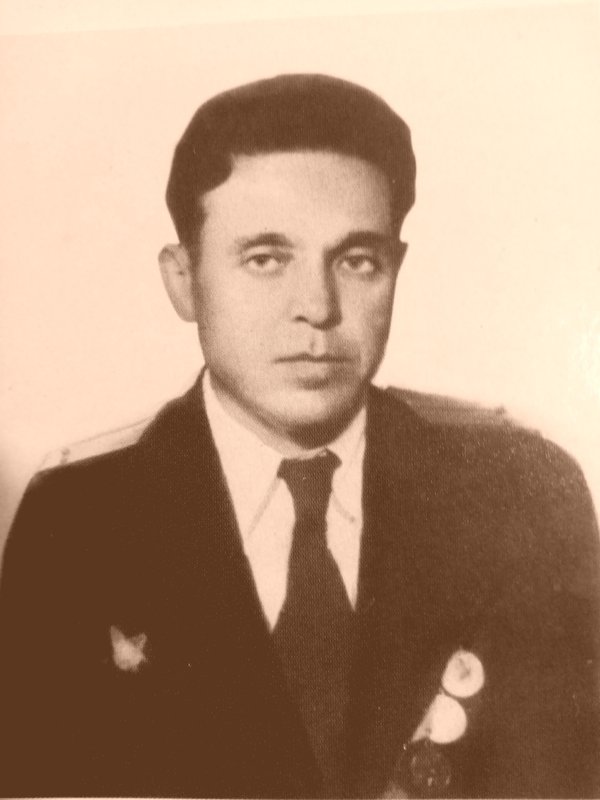
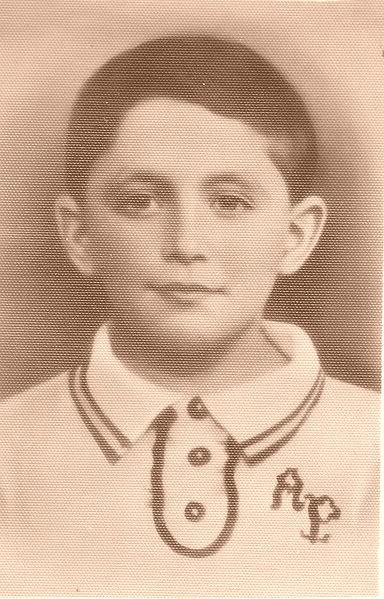
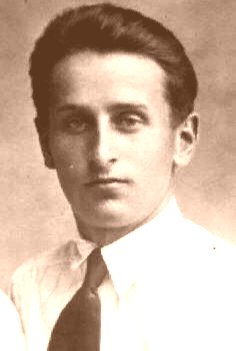
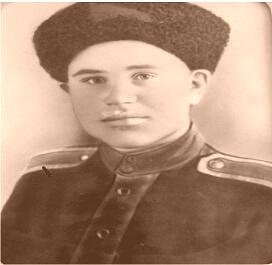
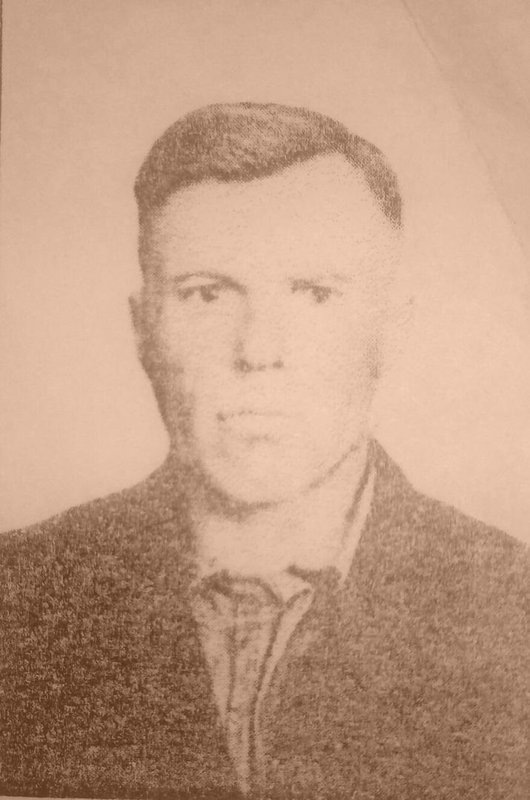
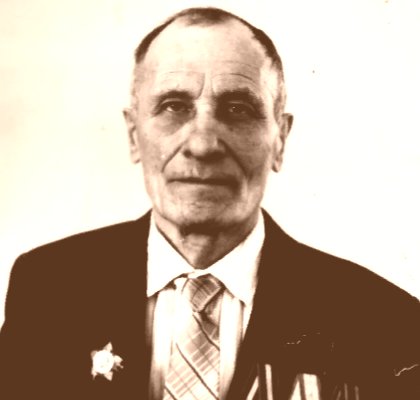
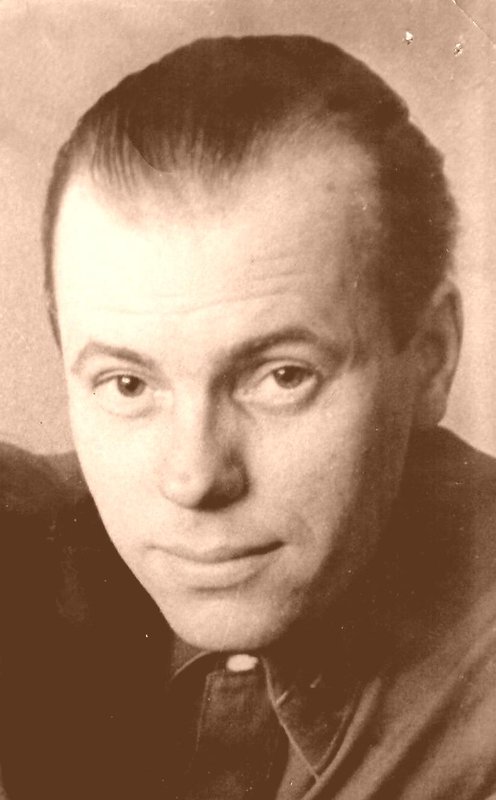
Pinkenson Abram (Musya) Vladimirovich
Name: Pinkenson Abram (Musya) Vladimirovich last NAME: Pinkenson NAME: Abram (Musya) middle name: Vladimirovich CITY: Balti, Romania date of BIRTH: - DATE of DEATH: - HISTORY: He had long, thin fingers and could have been a great surgeon or musician. But his life ended in November 1942. The little violinist performed a single feat in his life. This feat lasted less than a minute, but it was remembered for many decades not only by residents of the Krasnodar village, but also by the whole country. Your little fight with the Nazis Musya of Pinkenson won, and his weapon of choice was the violin. Abram Pinkenzon, whose family affectionately called Musya (short for the diminutive "Abramusya", coined once by his mother), was born in the Romanian town of Balti. The boy came from a respected medical dynasty, his father and grandfather worked as doctors at a local hospital. However, the boy's main passion was playing the violin, for which he had a great talent, so most likely, he would have turned out to be not a doctor, but a great musician. From an early age, Musya was considered a child Prodigy and even wrote about him in local Newspapers. In 1941, when the war broke out, Musi's family was evacuated to the village of Ust-Labinskaya in the Krasnodar territory, where his father, Vladimir Borisovich, was assigned to a Soviet military hospital. He saved the wounded, and his 10-year-old son entertained them by playing the violin. The fighters loved Musya very much and always looked forward to his arrival. The following year, the Nazis broke into the village and seized the hospital. Vladimir Borisovich did not leave his wounded. And when the invaders demanded that the doctor now treat their soldiers, he refused. The Nazis arrested the doctor, his entire family, and other local Jews. In November 1942, it was decided to shoot all those arrested. To intimidate the local population, the fascists decided to make a show of this execution: Jews and other "unreliable" were brought to the Bank of the Kuban and lined up in front of the moat, while the rest were driven here from all over the district as "spectators". In deathly silence, watching the horror of the doomed people, the locals stood and were afraid no less than the condemned. Standing in the crowd of Jews awaiting execution, Musya clutched his small violin tightly to his chest. Vladimir Borisovich was the first to break down – he began to beg the executioners to spare his son. Then he was killed. Musi's mother, Fenya Moiseyevna, rushed to her husband, and also fell from the bullet. Silence fell over the river again. And then the voice was given by 11-year-old Musya, in front of whom his parents had just been shot. "Can I play the violin before I die?" he asked the German officer calmly. The fascists laughed in surprise and condescendingly agreed. Then something happened that the Germans did not expect. Instead of the pitiful music that a child might have played at such a moment, begging for mercy, the shrill sounds of the "international"broke out all over the neighborhood. Both the local residents standing at a distance and the Jews sentenced to execution timidly at first, and then more and more confidently picked up the melody and began to sing. This chorus of unconquered people plunged the fascists into shock and horror. Only for a few moments, though. When they came out of their stupor, they yelled at the boy to stop playing immediately. However, he continued. Then the Germans began furiously shooting the little musician. The sounds of the violin stopped only after he fell. Of course, Musya could not save others from being shot, and the execution was eventually completed. But he instilled in the residents of the village the belief that the fascists can be broken – even for a moment. And it was on this faith and will to win that the war was won. So we can say that Musya is the prototype of any Soviet soldier. A photo of Musi has been preserved. In the picture, he has a confident and bold look – there is no doubt that this is how he looked at the executioners in the last moments of his life. The monument to the violinist boy can be seen on the Embankment of Ust-Labinsk street (after the war, the village received the status of a city) - on the very Bank of the Kuban river. Nearby is a mass grave, in which, along with the violinist hero, about four hundred more civilians who were shot in 1942 are buried.
Pinkenson Abram (Musya) Vladimirovich
Name: Pinkenson Abram (Musya) Vladimirovich last NAME: Pinkenson NAME: Abram (Musya) middle name: Vladimirovich CITY: Balti, Romania date of BIRTH: - DATE of DEATH: - HISTORY: He had long, thin fingers and could have been a great surgeon or musician. But his life ended in November 1942. The little violinist performed a single feat in his life. This feat lasted less than a minute, but it was remembered for many decades not only by residents of the Krasnodar village, but also by the whole country. Your little fight with the Nazis Musya of Pinkenson won, and his weapon of choice was the violin. Abram Pinkenzon, whose family affectionately called Musya (short for the diminutive "Abramusya", coined once by his mother), was born in the Romanian town of Balti. The boy came from a respected medical dynasty, his father and grandfather worked as doctors at a local hospital. However, the boy's main passion was playing the violin, for which he had a great talent, so most likely, he would have turned out to be not a doctor, but a great musician. From an early age, Musya was considered a child Prodigy and even wrote about him in local Newspapers. In 1941, when the war broke out, Musi's family was evacuated to the village of Ust-Labinskaya in the Krasnodar territory, where his father, Vladimir Borisovich, was assigned to a Soviet military hospital. He saved the wounded, and his 10-year-old son entertained them by playing the violin. The fighters loved Musya very much and always looked forward to his arrival. The following year, the Nazis broke into the village and seized the hospital. Vladimir Borisovich did not leave his wounded. And when the invaders demanded that the doctor now treat their soldiers, he refused. The Nazis arrested the doctor, his entire family, and other local Jews. In November 1942, it was decided to shoot all those arrested. To intimidate the local population, the fascists decided to make a show of this execution: Jews and other "unreliable" were brought to the Bank of the Kuban and lined up in front of the moat, while the rest were driven here from all over the district as "spectators". In deathly silence, watching the horror of the doomed people, the locals stood and were afraid no less than the condemned. Standing in the crowd of Jews awaiting execution, Musya clutched his small violin tightly to his chest. Vladimir Borisovich was the first to break down – he began to beg the executioners to spare his son. Then he was killed. Musi's mother, Fenya Moiseyevna, rushed to her husband, and also fell from the bullet. Silence fell over the river again. And then the voice was given by 11-year-old Musya, in front of whom his parents had just been shot. "Can I play the violin before I die?" he asked the German officer calmly. The fascists laughed in surprise and condescendingly agreed. Then something happened that the Germans did not expect. Instead of the pitiful music that a child might have played at such a moment, begging for mercy, the shrill sounds of the "international"broke out all over the neighborhood. Both the local residents standing at a distance and the Jews sentenced to execution timidly at first, and then more and more confidently picked up the melody and began to sing. This chorus of unconquered people plunged the fascists into shock and horror. Only for a few moments, though. When they came out of their stupor, they yelled at the boy to stop playing immediately. However, he continued. Then the Germans began furiously shooting the little musician. The sounds of the violin stopped only after he fell. Of course, Musya could not save others from being shot, and the execution was eventually completed. But he instilled in the residents of the village the belief that the fascists can be broken – even for a moment. And it was on this faith and will to win that the war was won. So we can say that Musya is the prototype of any Soviet soldier. A photo of Musi has been preserved. In the picture, he has a confident and bold look – there is no doubt that this is how he looked at the executioners in the last moments of his life. The monument to the violinist boy can be seen on the Embankment of Ust-Labinsk street (after the war, the village received the status of a city) - on the very Bank of the Kuban river. Nearby is a mass grave, in which, along with the violinist hero, about four hundred more civilians who were shot in 1942 are buried.
0 comment



2026 © Russian Military Historical Society Developed by Jetmix